
Anthony Asquith, the son of British Prime Minister H.H. Asquith, was a film director who left a lasting impression on the world of cinema with a career that spanned both the silent and talkie eras. Known for his adherence to a classical approach to filmmaking, Asquith’s body of work is appreciated for its meticulous craftsmanship and narrative coherence. His talent for adapting literary works into films became particularly evident with acclaimed adaptations like Pygmalion and The Browning Version, both showcasing his profound understanding of source material and its effective translation into the language of cinema.
Asquith’s filmography stands out for its exploration of social issues, sharp dialogue, and deep character development. His films often presented incisive commentary on societal norms and class dynamics prevalent in British society. This thematic focus, combined with a knack for dialogue and screenwriting, contributed significantly to the depth and richness of his narratives. His collaborations with skilled writers and renowned actors like Wendy Hiller and Michael Redgrave further bolstered his reputation for producing films with compelling performances and engaging narratives.
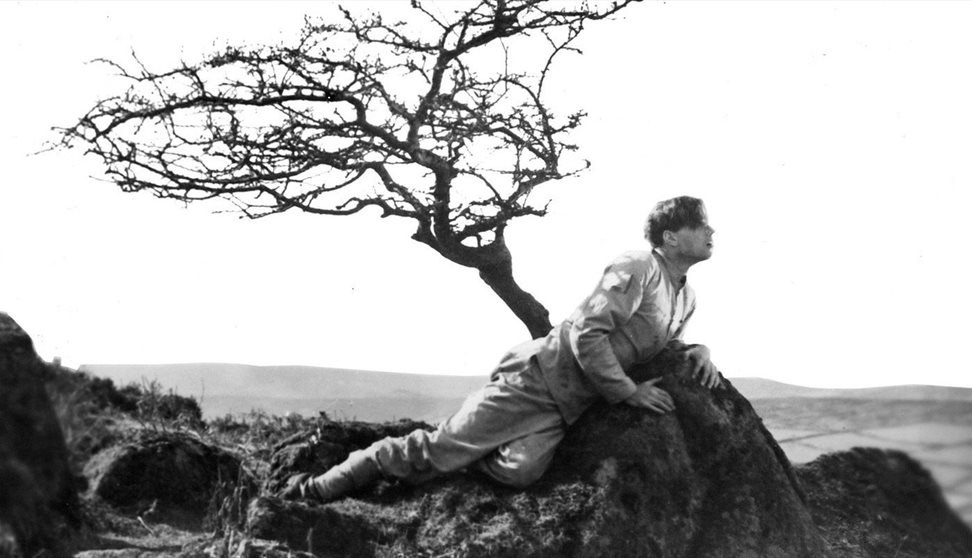
Asquith was a skilled technician who was not averse to innovating with visual techniques and camera movements to enhance storytelling. His films, from his early silent career to his later work, were characterised by precise framing and dynamic cinematography. Despite the constraints of early cinema, Asquith managed to create visually engaging experiences for audiences that still resonate today, such as A Cottage in Dartmoor, arguably Britain’s first classic film.

Anthony Asquith (1902 – 1968)
Calculated Films:
- A Cottage in Dartmoor (1929)
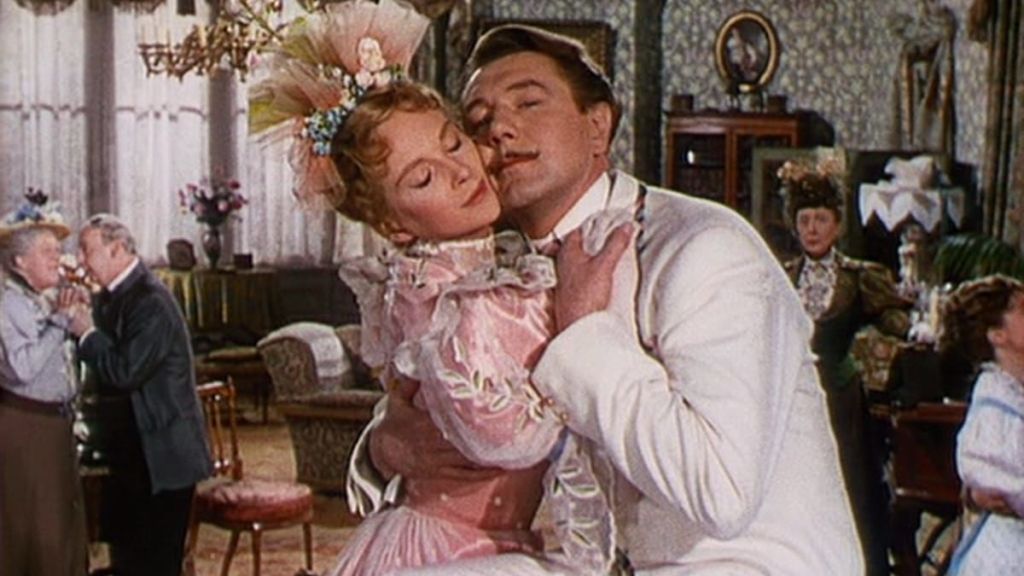
- Pygmalion (1938)
- The Browning Version (1951)
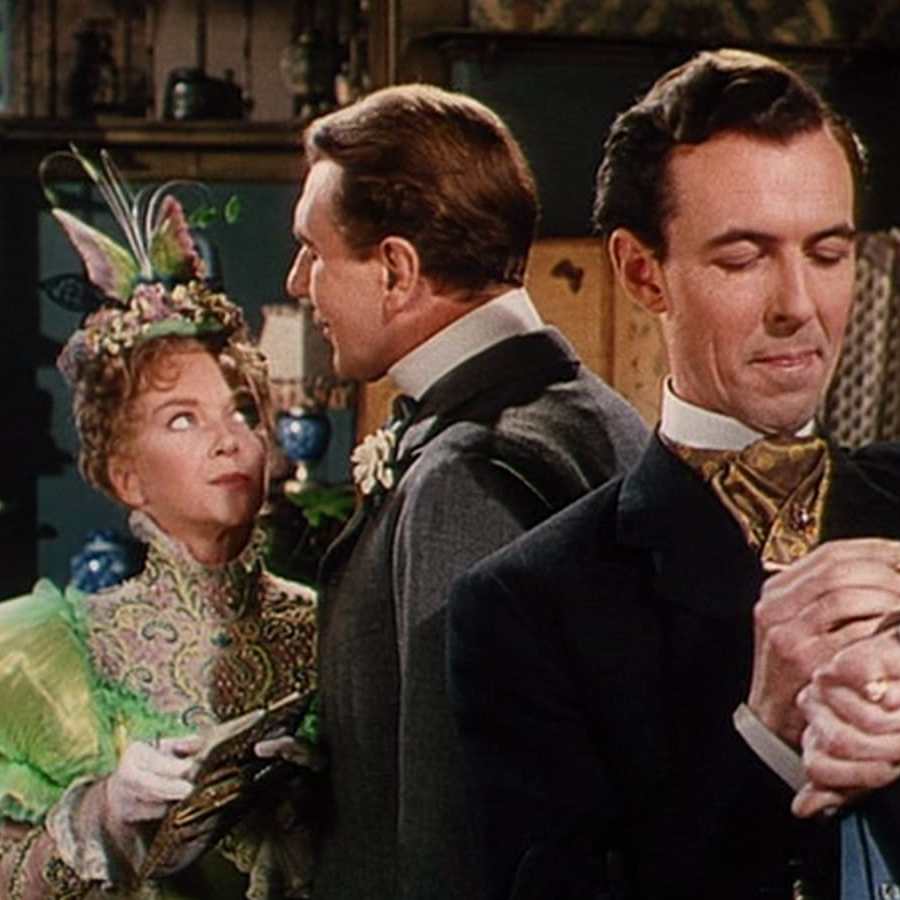
- The Importance of Being Earnest (1952)
Similar Filmmakers
- Alexander Korda
- Alf Sjoberg
- Alfred Hitchcock
- Basil Dean
- Carol Reed
- David Lean
- Harold French
- James Ivory
- Joe Wright
- Laurence Olivier
- Maurice Elvey
- Michael Powell
- Paul Czinner
- Pen Tennyson
- Ronald Neame
- Terence Davies
- Thorold Dickinson
- Victor Saville


Anthony Asquith’s Top 5 Films Ranked
1. The Browning Version (1951)
Genre: Drama

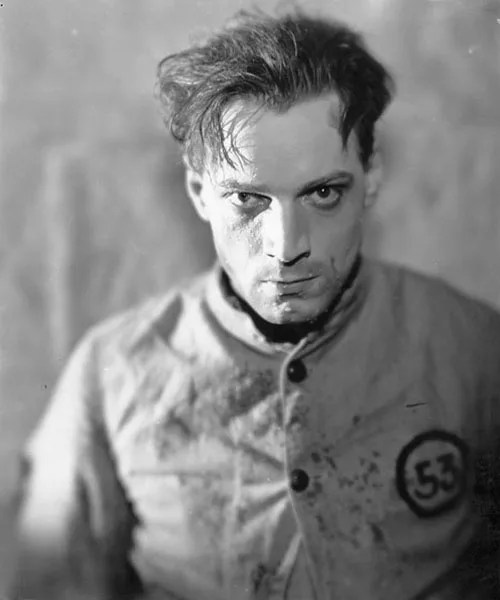
2. A Cottage in Dartmoor (1929)
Genre: Thriller, Drama
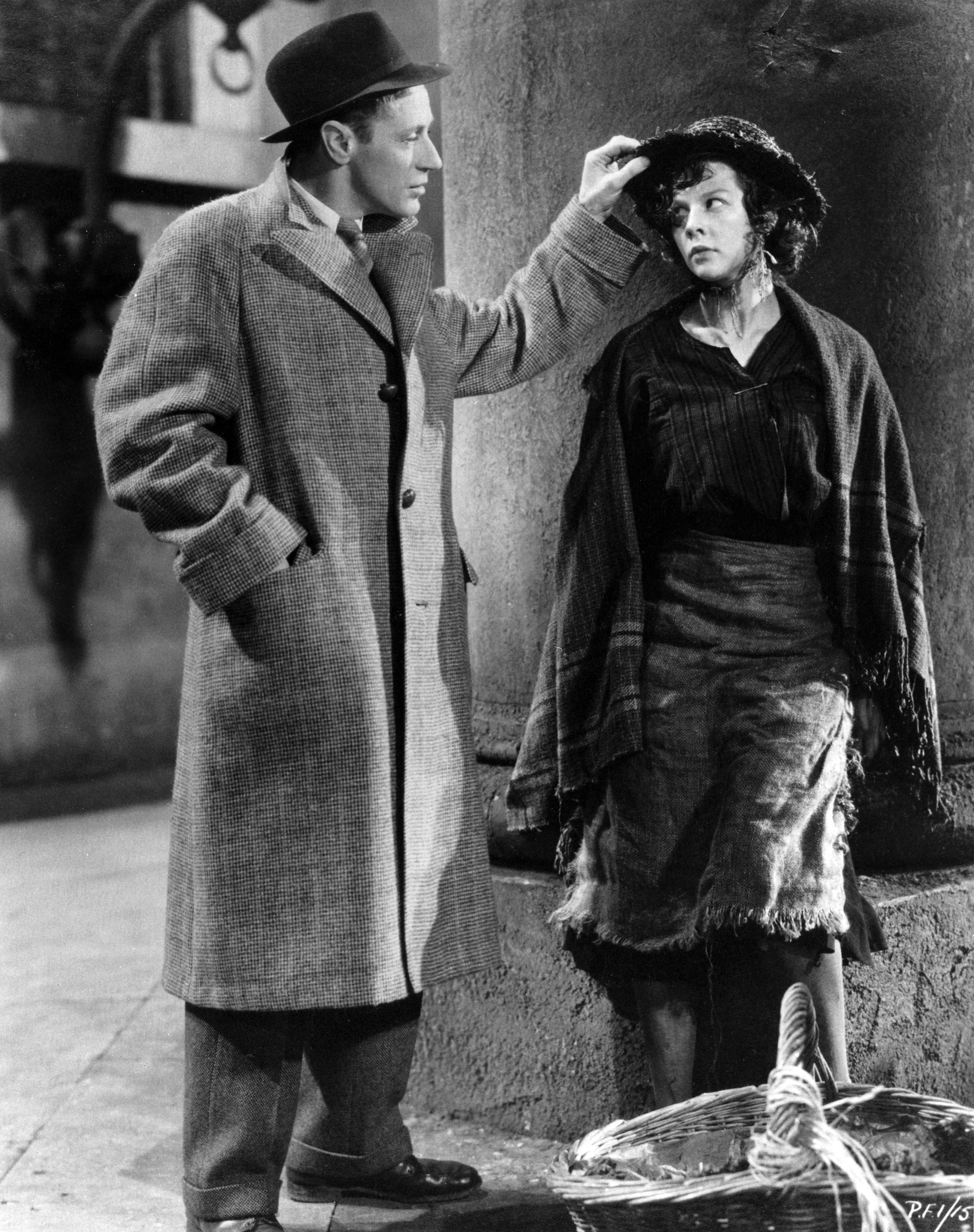
3. Pygmalion (1938)
Genre: Comedy, Drama

4. The Importance of Being Earnest (1952)
Genre: Comedy, Satire
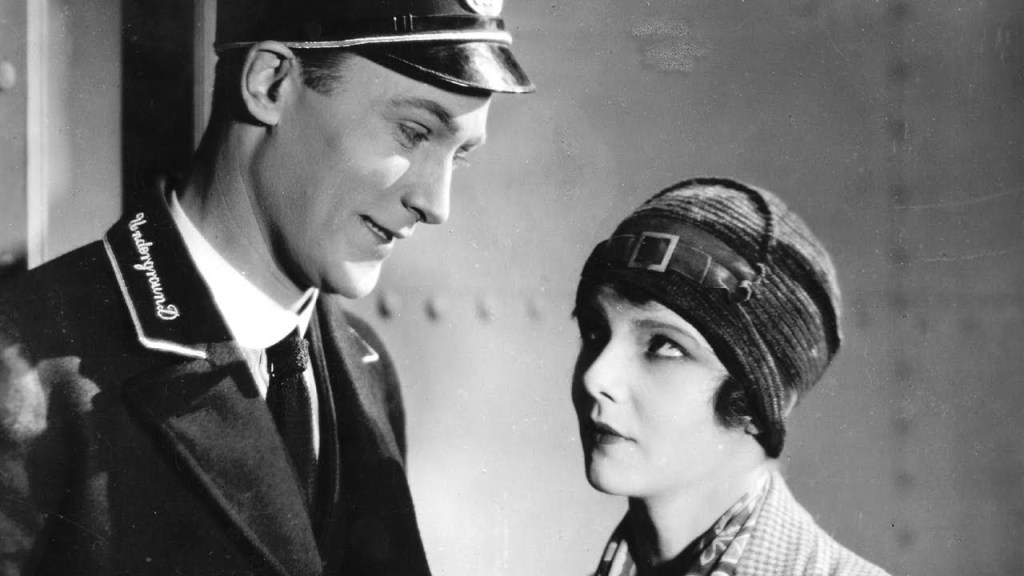
5. Underground (1928)
Genre: Drama, Romance
Anthony Asquith: Themes and Style
Themes:
- Social Class: Asquith’s films often explored the intricacies and dynamics of the British class system. He delved into the tension, interaction, and intersection between different social classes, illuminating the struggles and aspirations of each.
- Love and Relationships: Many of his works, like Cottage to Let and The Winslow Boy, presented nuanced explorations of love and relationships, showcasing the complexities and subtleties of human connections and emotions.
- Theatre and Performance: With works like Pygmalion and The Importance of Being Earnest, Asquith paid homage to the world of theatre, adapting plays into film while maintaining their dramatic essence.
- War and Patriotism: During the wartime period, his films reflected themes of national pride, sacrifice, and the human aspects of conflict, as seen in The Way to the Stars and We Dive at Dawn.
Styles:
- Visual Storytelling: Asquith was known for his compelling visual narrative style. He crafted films with significant attention to framing, composition, and graphic elements, creating an engaging aesthetic experience for viewers.
- Adaptations: A significant portion of his filmography includes adaptations of popular plays and novels. Asquith mastered the art of translating written and stage works into cinematic language without losing their original charm and depth.
- Collaboration with Writers: He often collaborated with renowned writers and playwrights, ensuring that the screenplay of his films was finely crafted and reflective of the literary brilliance of the source material.
- Character Development: Characters in Asquith’s films are deeply developed and multifaceted. He brought out the complexities and nuances of each character, making them relatable and authentic to the audience.
Directorial Signature:
- Elegance and Sophistication: Asquith’s films exude a sense of elegance and sophistication in their presentation. His approach to filmmaking was meticulous and refined, resulting in productions that were polished and timeless.
- Literary Finesse: Given his affinity for literature and plays, Asquith’s films reflected a deep appreciation for the written word. His works maintained the integrity of the original texts while leveraging the visual medium to add a unique dimension to the storytelling.
- Depth of Emotion: Emotions were portrayed with depth and sensitivity in his films. Asquith could elicit powerful performances from his actors, allowing audiences to connect deeply with the characters and their stories.
- Visual Composition: With a background in silent films, Asquith was adept at communicating stories visually. He used the camera as a tool to enhance the narrative, employing thoughtful compositions, lighting, and angles to convey emotion and meaning without relying solely on dialogue.
Anthony Asquith – Great Director

 Bronze Screen Dream