
Below are some of the best Japanese directors ever. Click on their pictures to discover more about them.


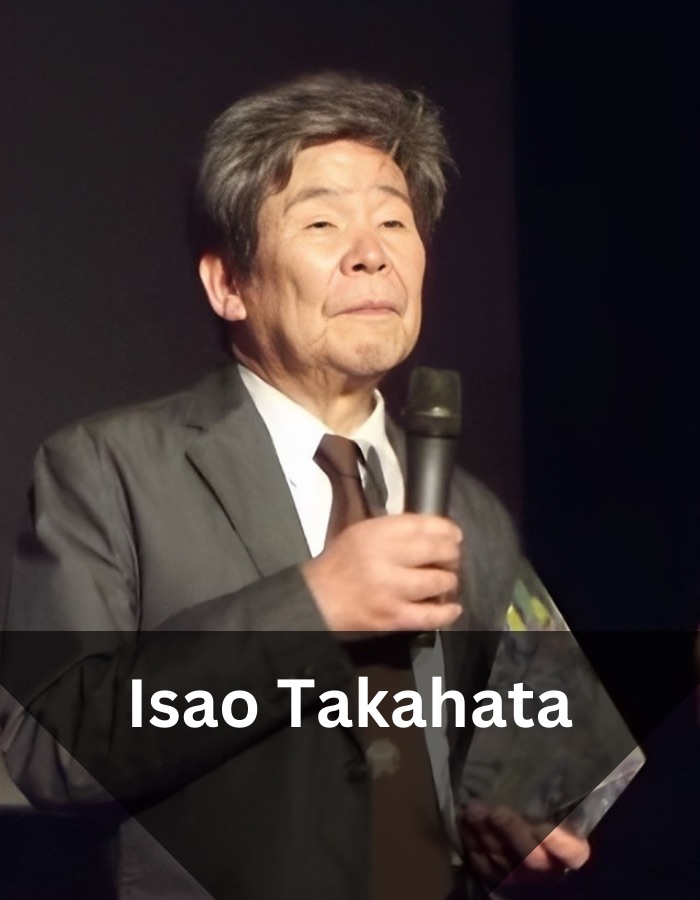


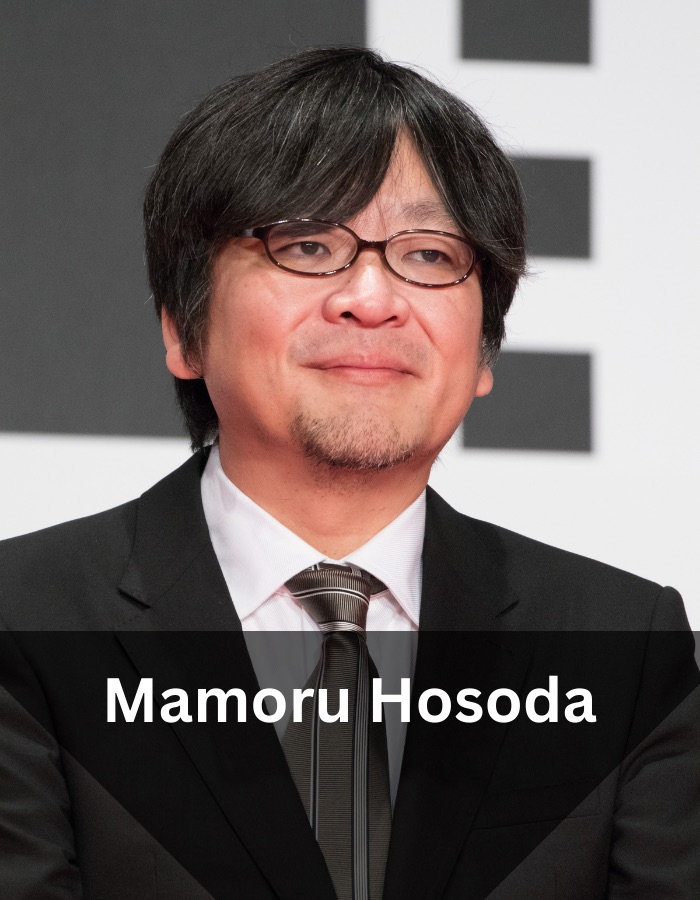

A Brief History of Anime Films
The earliest anime films date back to the early 20th century. The first known anime short was produced in 1917, and the oldest surviving film, “Namakura Gatana” (The Dull Sword), dates back to 1917. These early animations were simple and short, often influenced by the political and social climate of the time. During the 1930s and 1940s, the industry grew, albeit slowly, with works like “Momotaro’s Divine Sea Warriors” (1945), which was Japan’s first feature-length animated film and was commissioned by the Imperial Japanese Navy.
The post-World War II era marked a significant turning point for anime films. The 1950s and 1960s saw the emergence of pioneering artists like Osamu Tezuka, who is often referred to as the “God of Manga.” Tezuka’s work played a crucial role in shaping the modern anime style. His creation, “Astro Boy”, became the first popular serialised television series and set the stage for future developments in the genre. This period also saw the birth of major studios like Toei Animation and Mushi Production, which began to produce feature films and series that reached a global audience.
The 1980s and beyond witnessed the golden age of anime films, with the international success of works by directors like Hayao Miyazaki, Mamoru Oshii, and Satoshi Kon. Miyazaki’s Studio Ghibli, established in 1985, produced critically acclaimed films like “My Neighbor Totoro”, “Spirited Away”, and “Howl’s Moving Castle”, which combined breathtaking animation with deep, thoughtful storytelling. These films not only won numerous awards but also helped to significantly raise the international profile of anime. The evolution of technology and the internet in the late 20th and early 21st centuries further boosted the global popularity of anime films.
 Bronze Screen Dream