
Ang Lee is a Taiwanese-born filmmaker celebrated for his versatile storytelling abilities that cut across genres, cultures, and historical periods. With a diverse filmography that includes both Eastern and Western narratives, he is perhaps best known for Crouching Tiger, Hidden Dragon, Brokeback Mountain, and Life of Pi, each of which earned him widespread critical acclaim.
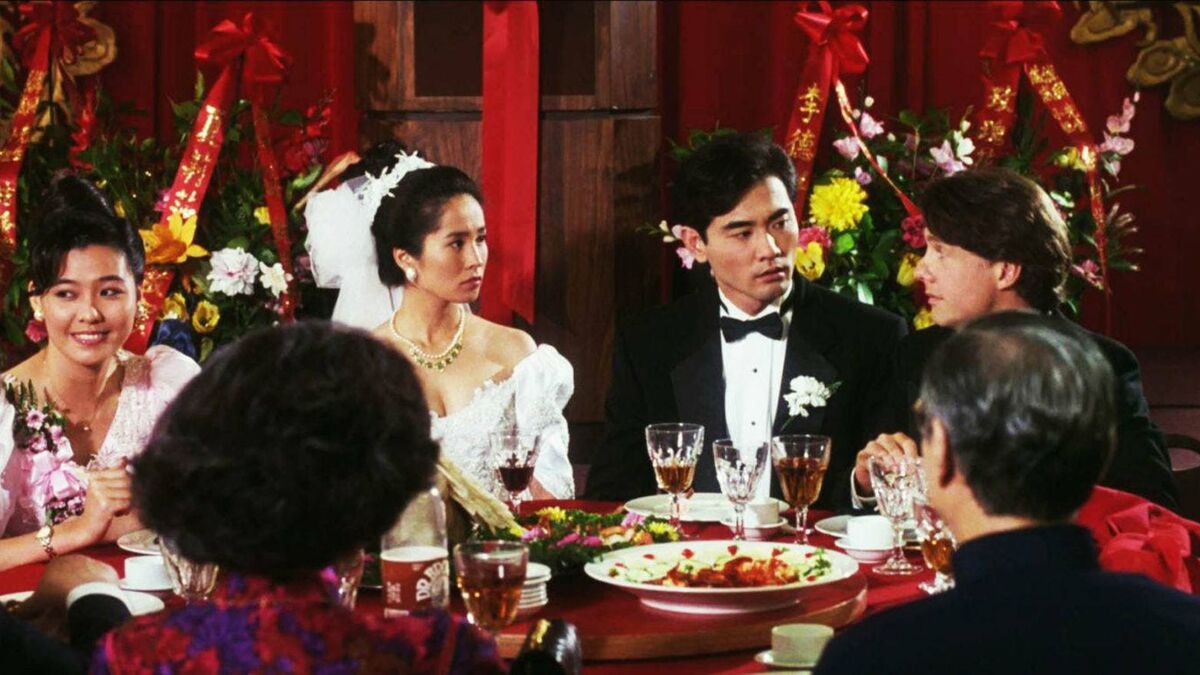
The thematic underpinning of Lee’s work often centres around conflicts between tradition and modernity, Eastern and Western cultures, and societal expectations versus individual desires. Having moved to the United States for his education, Lee’s cross-cultural experiences distinctly influence his cinematic approach, providing a unique East-meets-West perspective. The Wedding Banquet, one of his earliest successes, exemplifies this theme, using the story of a Taiwanese immigrant in America to explore clashes of cultural values and norms.
In terms of his visual style, Lee masterfully employs a nuanced blend of realism and stylisation, thereby creating a uniquely immersive and emotive cinematic experience. His aptitude for visual spectacle is perhaps best demonstrated in Crouching Tiger, Hidden Dragon, where he fuses traditional Chinese martial arts with visually stunning cinematography to create a genre-defining film. Conversely, his films, such as Brokeback Mountain, demonstrate a more restrained visual approach, using the sprawling, rugged landscapes as an emotional echo of the characters’ forbidden love.
The Transcultural Movies of Ang Lee
A unique aspect of Lee’s filmmaking is his willingness to experiment with technology. Notably, Life of Pi and Gemini Man were made innovative use of 3D technology and high frame rate (HFR), respectively, showcasing his visionary approach to technological advancement in filmmaking.
Ang Lee’s international influence is significant. He was the first Asian to win an Academy Award for Best Director, a testament to his global impact. His exploration of universal human experiences, coupled with his distinct visual style, has inspired filmmakers across the globe. Directors across the world have expressed admiration for Lee’s ability to infuse cultural specificity into his films without alienating international audiences. His work has paved the way for increased Asian representation in global cinema.

Ang Lee (1954 –)
Calculated Films:
- Eat Drink Man Woman (1994)
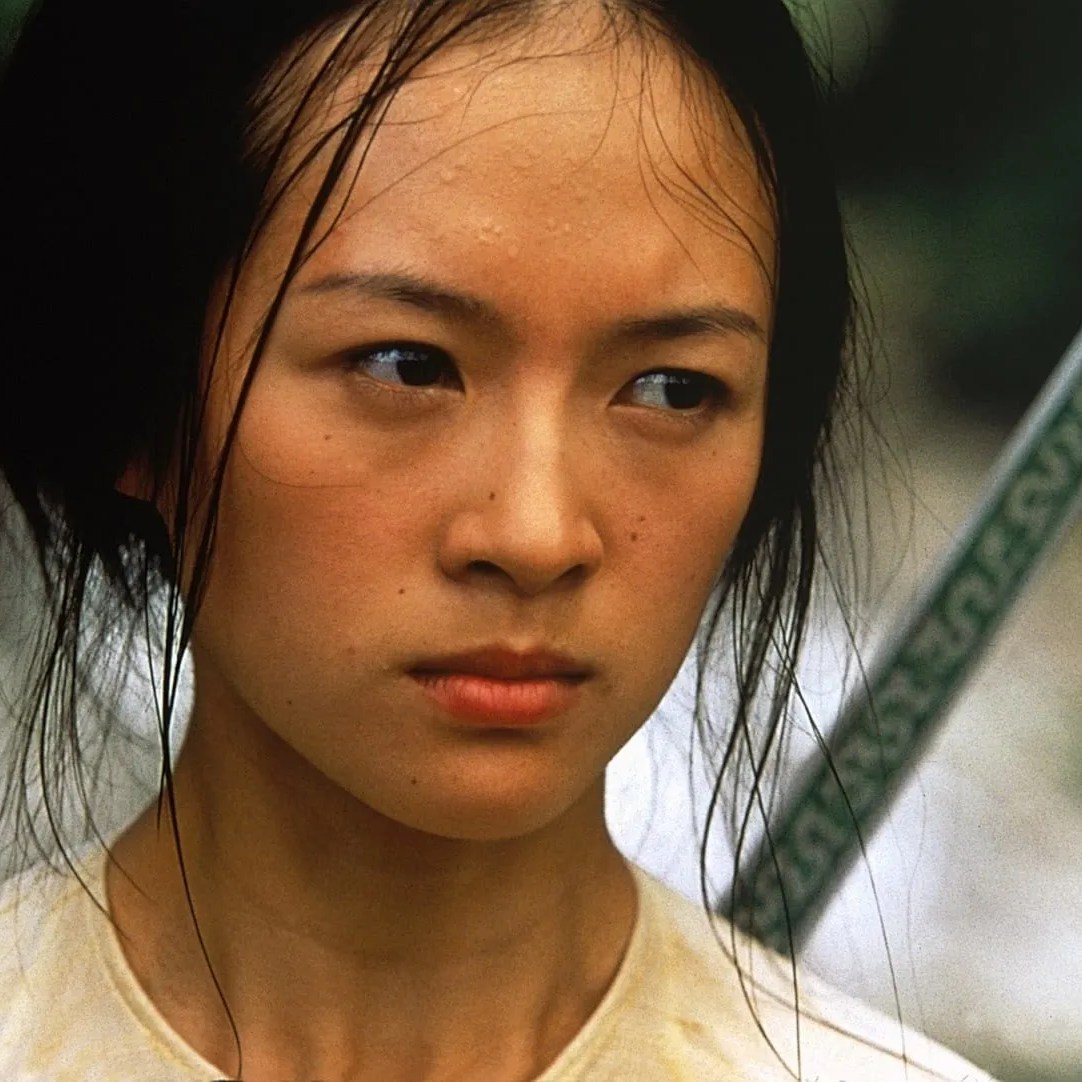
- Sense and Sensibilities (1995)
- Crouching Tiger, Hidden Dragon (2000)
- Brokeback Mountain (2005)
- Life of Pi (2012)
Similar Filmmakers

Ang Lee’s Top 10 Films Ranked
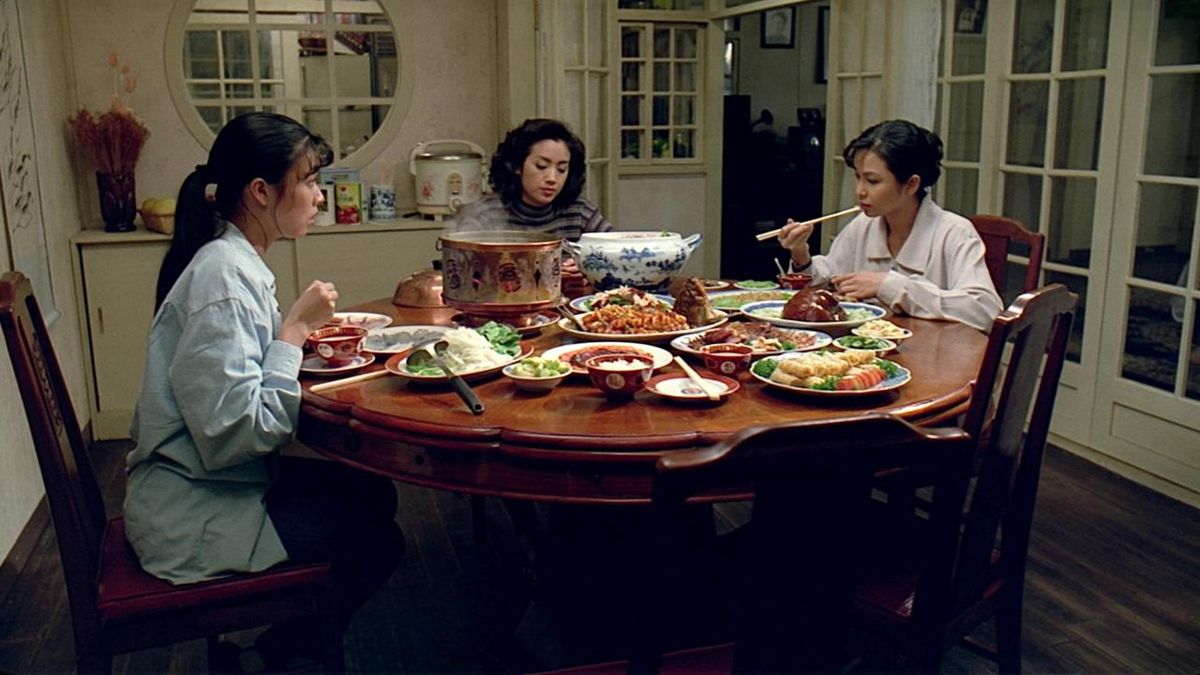
1. Eat Drink Man Woman (1994)
Genre: Family Drama, Drama, Slice of Life

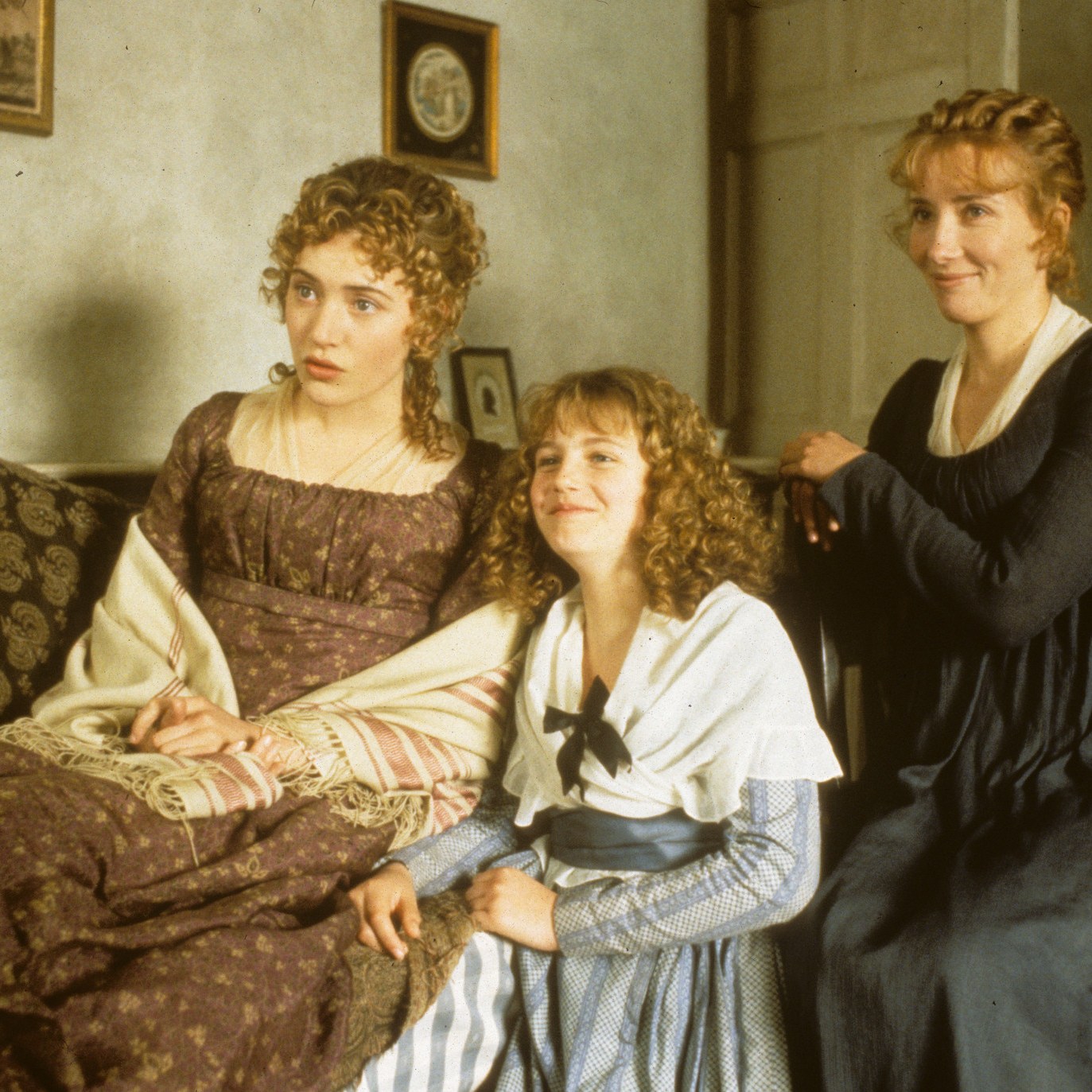
2. Brokeback Mountain (2005)
Genre: Romance, Drama
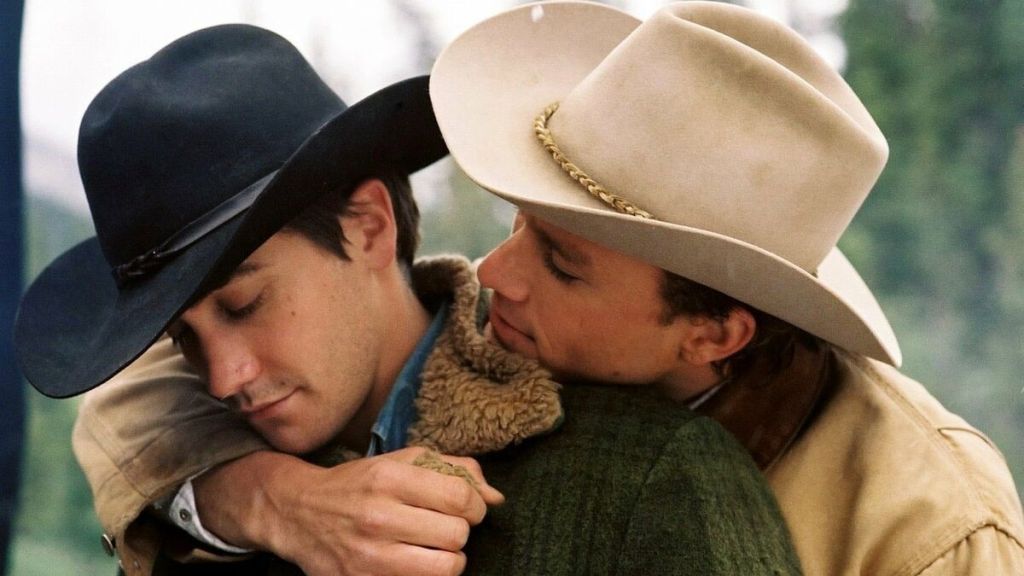
3. Crouching Tiger, Hidden Dragon (2000)
Genre: Wuxia, Romance, Drama, Epic

4. Lust, Caution (2007)
Genre: Spy, Drama, Romance, Period Drama

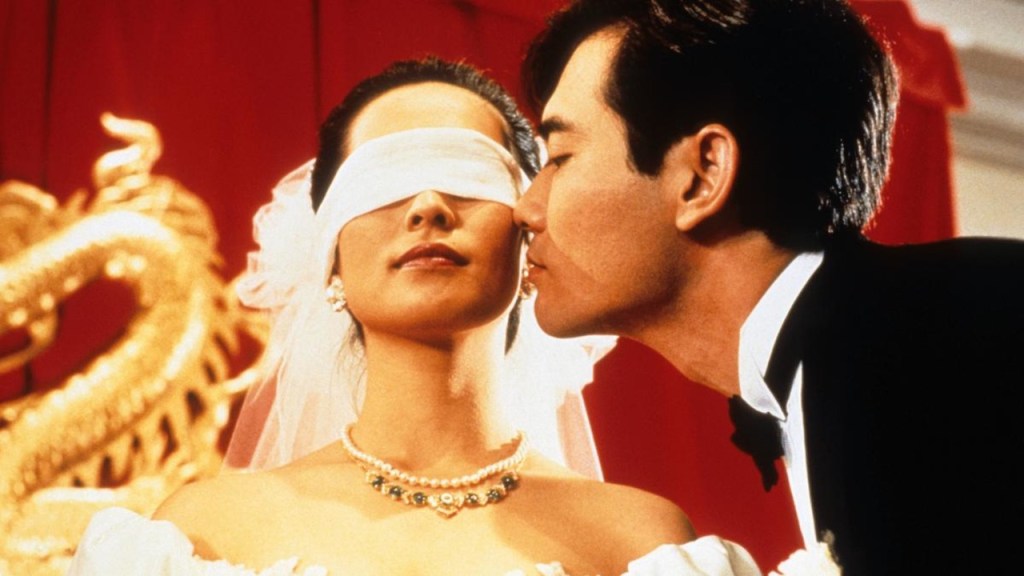
5. The Wedding Banquet (1993)
Genre: Family Drama, Drama
6. Life of Pi (2012)
Genre: Adventure, Drama, Survival

7. The Ice Storm (1997)
Genre: Coming-of-Age, Drama, Family Drama

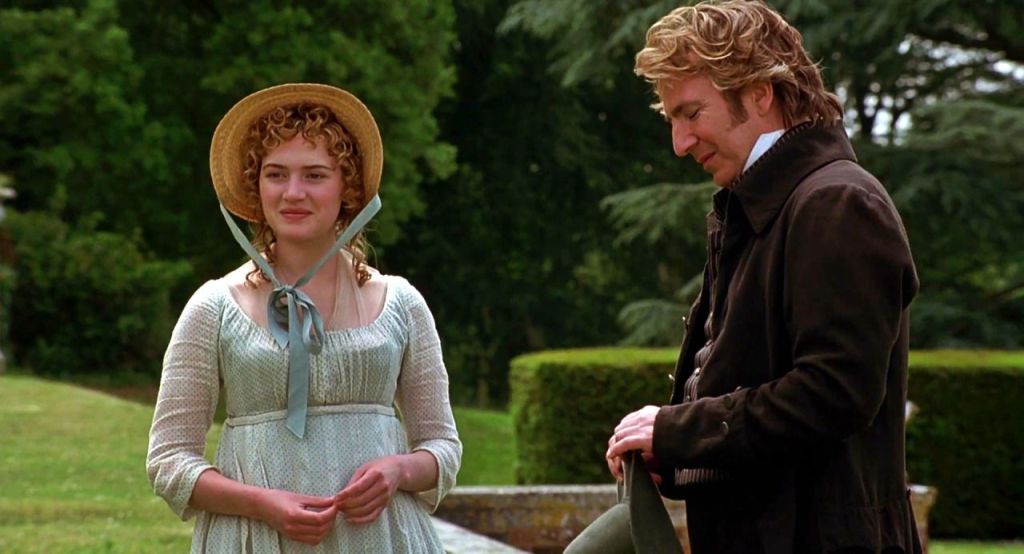
8. Sense and Sensibility (1995)
Genre: Romance, Melodrama, Period Drama
9. Pushing Hands (1991)
Genre: Family Drama, Drama

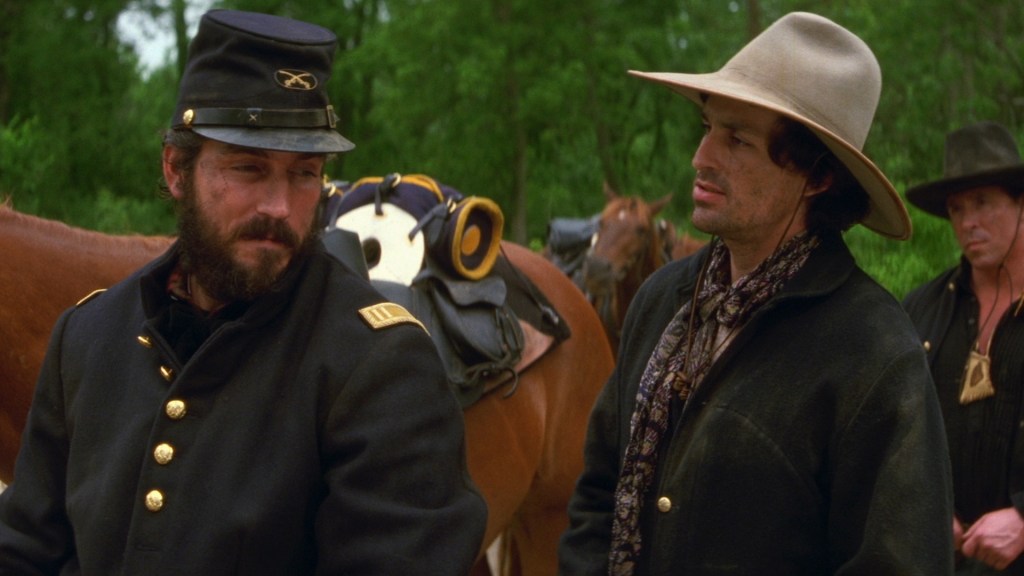
10. Ride with the Devil (1999)
Genre: War, Revisionist Western, Period Drama
Ang Lee: Themes and Style
Themes:
- Cultural & Generational Conflicts: Many of Lee’s films deal with the tension between traditional values and modern beliefs. Films such as The Wedding Banquet, Eat Drink Man Woman, and Lust, Caution explore the intricacies of traditional Eastern values clashing with modernity.
- Identity & Self-discovery: Whether it’s the suppressed emotions of cowboys in Brokeback Mountain or the internal struggles of a retired superhero in Hulk, Lee often delves deep into the psyche of his characters as they grapple with who they are.
- Family Dynamics: The intricate relationships between family members, especially between parents and their children, are central in films like Eat Drink Man Woman and Sense and Sensibility.
- Gender & Sexuality: Lee’s storytelling often breaks the mould of traditional narratives around gender roles and sexuality. Films such as Brokeback Mountain and The Wedding Banquet challenge and redefine conventional understandings.
Styles:
- Visual Mastery: Lee’s background in theatre and visual arts gives him a unique aesthetic sense. His movies often employ breathtaking visuals, be it the martial arts sequences in Crouching Tiger, Hidden Dragon or the 3D realism in Life of Pi.
- Pacing & Stillness: Lee’s films are known for their deliberate pacing. He gives viewers the space to soak in emotions, which is especially evident in his slower-paced, introspective movies like Brokeback Mountain and Lust, Caution.
- Detailed Character Development: Regardless of genre, Lee ensures that his characters are multi-dimensional, providing depth even to supporting roles. He’s a director who believes in the power of subtlety.
- Versatility: One of Lee’s standout features as a director is his range. From romantic comedies to superhero flicks and martial arts epics to intimate dramas, he has ventured into a plethora of genres, each time leaving an indelible mark.
Directorial Signature:
- East Meets West: Lee, who has lived in both the East and the West, often bridges these two worlds in his films. This blending is evident not just in the themes but also in the stylistic elements, music choices, and narrative structures.
- Emotional Restraint: Lee often focuses on characters who are restrained, either by societal norms, personal fears, or circumstances. The understated emotions in his movies often speak louder than words or actions, making the eventual emotional outbursts even more powerful.
- Nature & Environment: Many of Lee’s films use natural settings as a character in their own right. The majestic mountains in Brokeback Mountain, the vast ocean in Life of Pi, and the ancient bamboo forests in Crouching Tiger, Hidden Dragon are just a few examples.
Ang Lee: The 120th Greatest Director


 Bronze Screen Dream