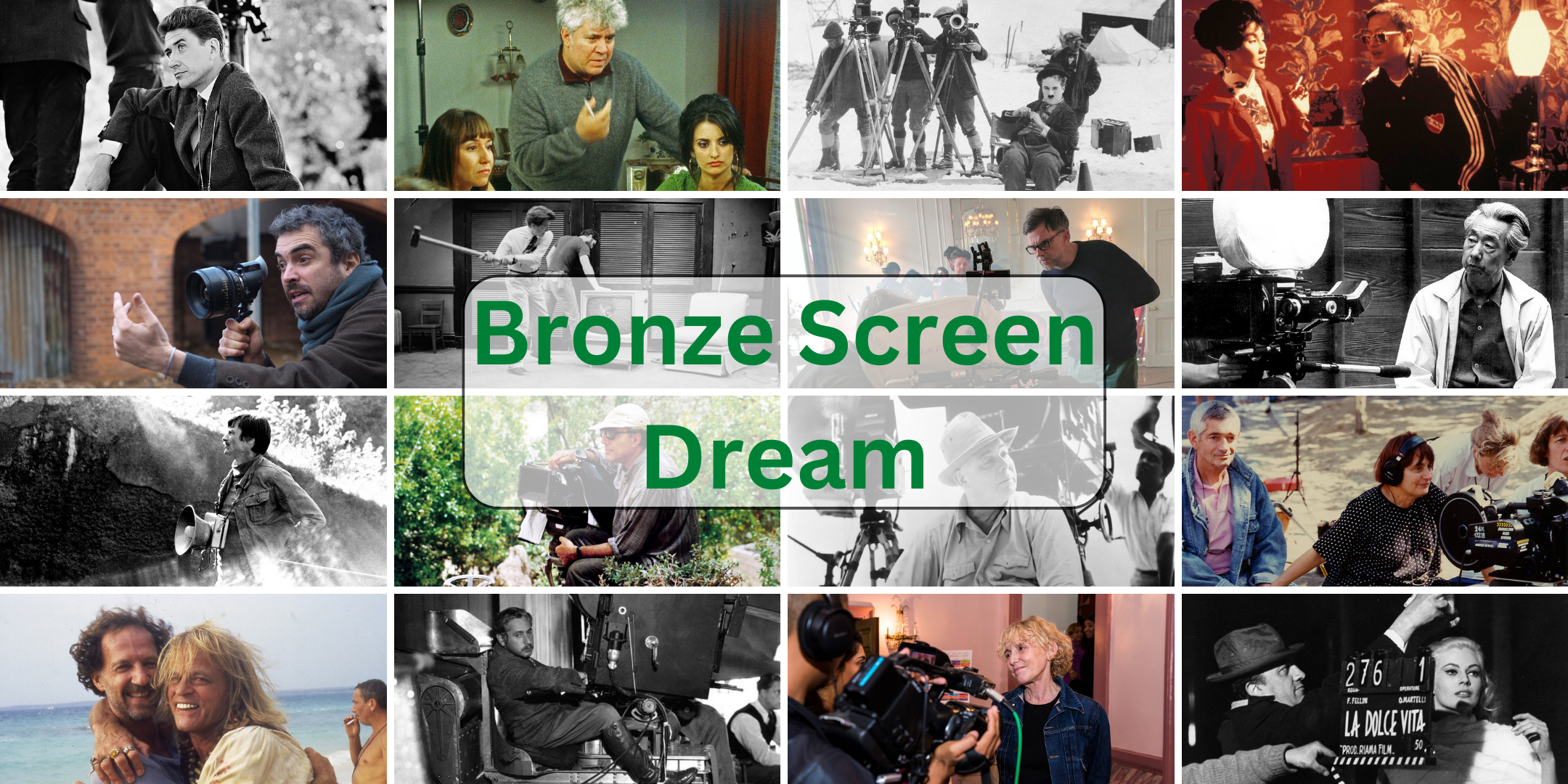

Andy Warhol, an American artist and filmmaker, is best known as a leading figure in the Pop Art movement. His work spanned various media, including painting, sculpture, and film. While many recognise him for his iconic portraits of celebrities like Marilyn Monroe and his replication of everyday objects like Campbell’s Soup Cans, his avant-garde films also hold a significant place in cinematic history.
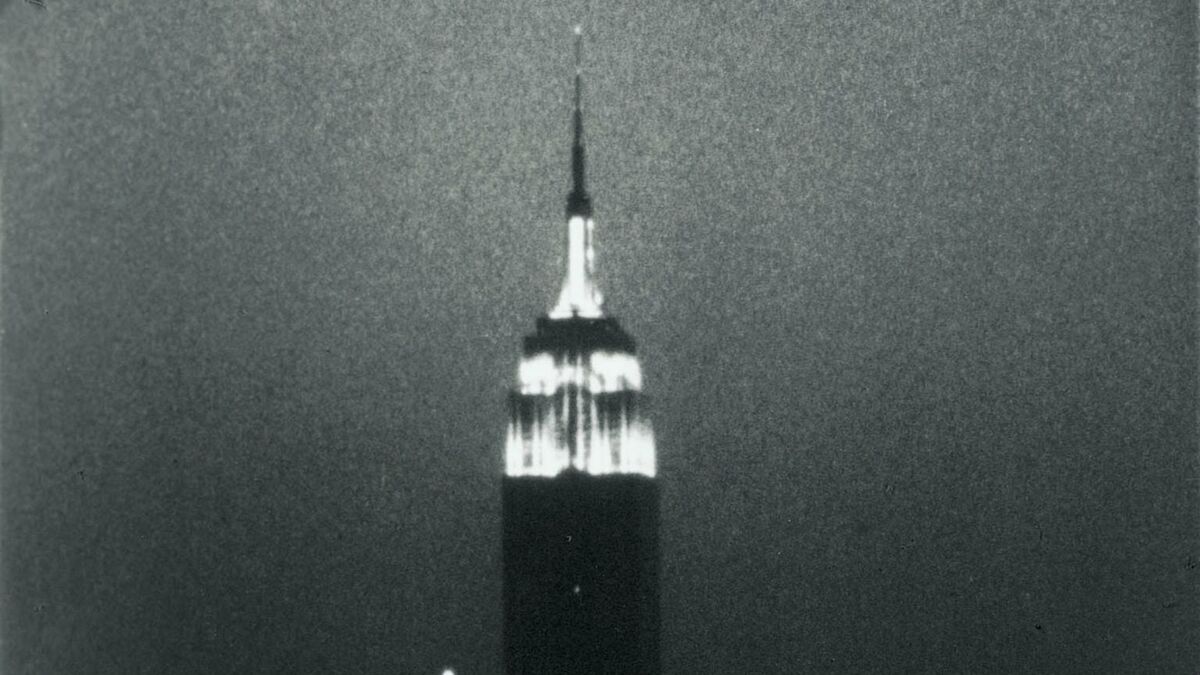
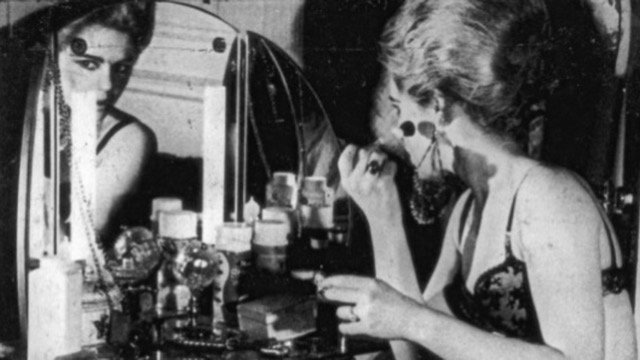
His films often focused on the mundane, the everyday, and the concept of real-time. This can be seen in films like Empire, an 8-hour static shot of the Empire State Building, and Sleep, which depicts John Giorno sleeping for over five hours. These extended, seemingly uneventful films force the viewer to find meaning in the ordinary and confront the nature of time. Another distinct aspect of his filmmaking was his affinity for the voyeuristic gaze. Films like Chelsea Girls provide a fragmented view of the lives of those living in the Chelsea Hotel, weaving together different narratives without a clear storyline, making the audience active participants in piecing together the story.
Warhol’s films often embraced a raw, unfiltered aesthetic. They lacked the polish and finesse of traditional Hollywood productions. Instead, they revelled in their imperfections, using natural light, long takes, and minimal editing. This minimalism extended to his approach to directing, where he often let the scenes unfold organically, allowing actors freedom within the confines of the frame. This can be seen in Vinyl, an adaptation of Anthony Burgess’s “A Clockwork Orange,” where the characters meander through the narrative seemingly unrehearsed. Such techniques, combined with his thematic explorations, made Warhol’s approach to filmmaking groundbreaking.
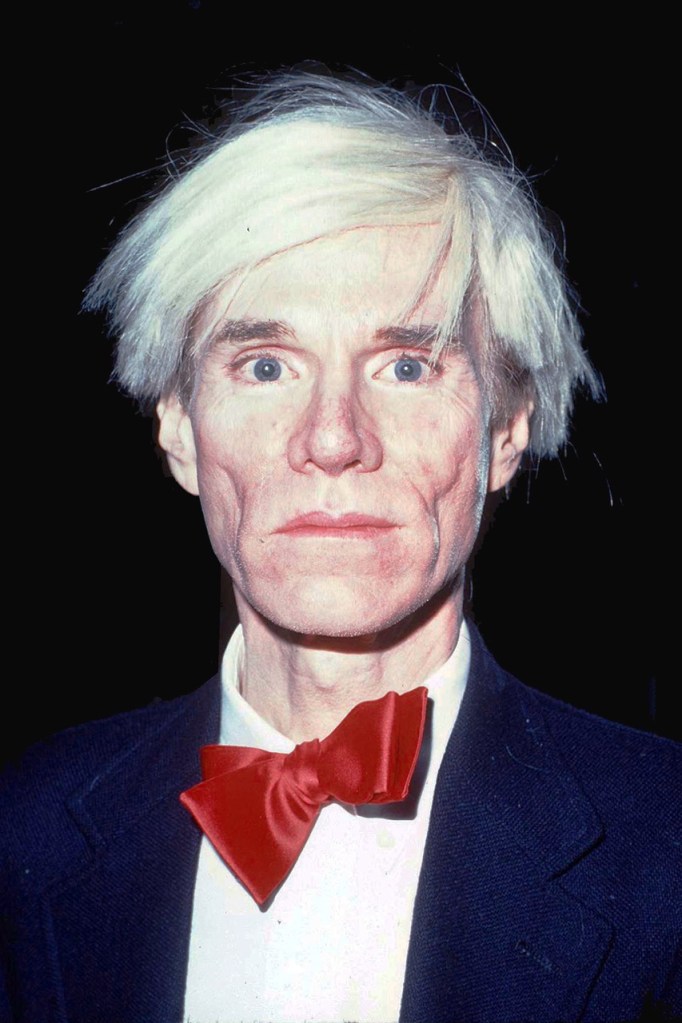
Andy Warhol (1928 – 1987)
Calculated Films
- Empire (1965)
- Chelsea Girls (1966)
Similar Filmmakers
- Barbara Rudin
- Derek Jarman
- George Kuchar
- Guy Maddin
- Hollis Frampton
- Jack Smith
- Jean-Luc Godard
- John Waters
- Jonas Mekas
- Jose Rodriguez-Soltero
- Kenneth Anger
- Marie Menken
- Maya Deren
- Michael Snow
- Paul Morrissey
- Shirley Clarke
- Stan Brakhage
- Yoko Ono
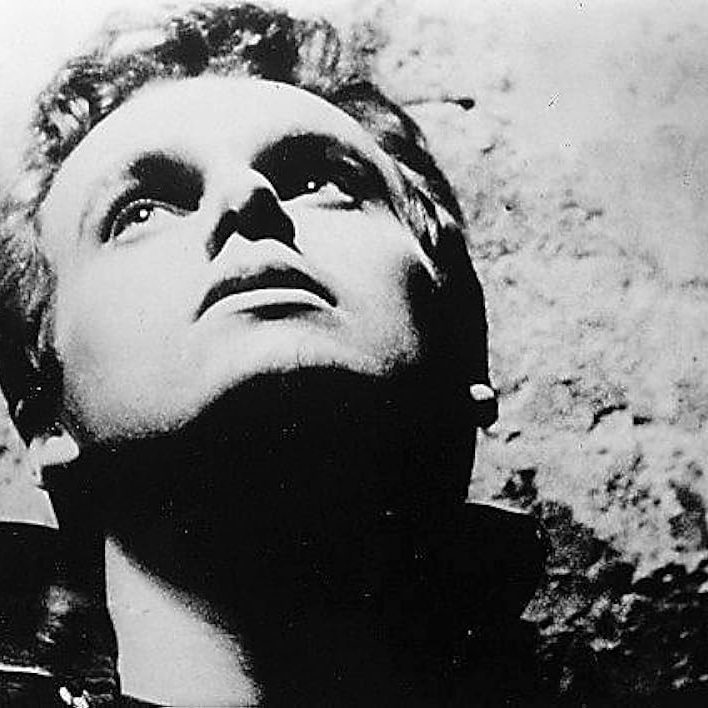


Andy Warhol’s Top 5 Films Ranked
1. Chelsea Girls (1966)
Genre: New American Cinema

2. Lonesome Cowboys (1968)
Genre: Queer Cinema, Western, Satire
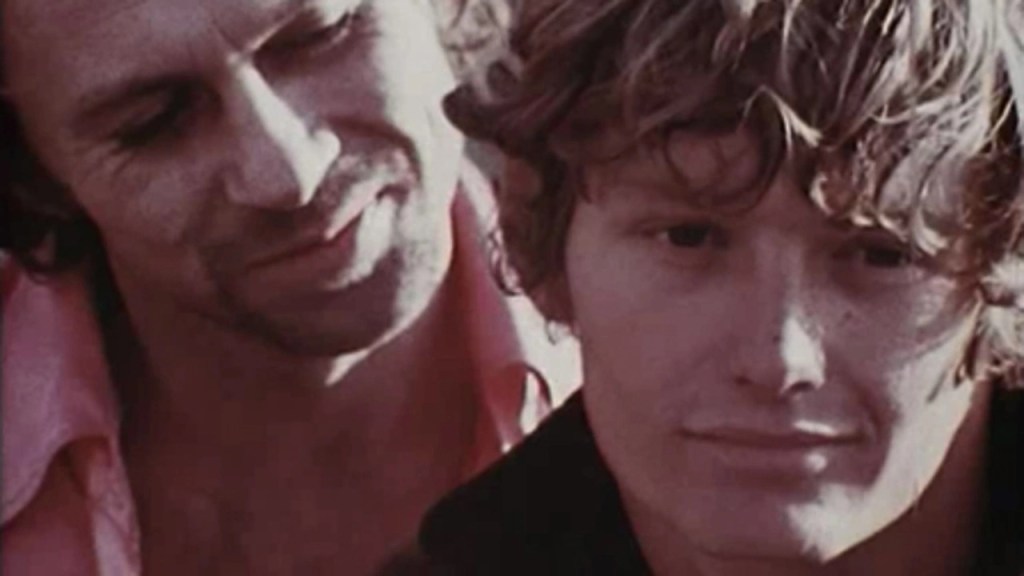
3. Kiss (1963)
Genre: Experimental

4. Blue Movie (1969)
Genre: Pornographic, Cinema Verite, Erotica

5. Vinyl (1965)
Genre: Dystopian, New American Cinema

Andy Warhol: Themes and Style
Themes:
- Minimalism & Duration: Warhol’s films often captured single, unbroken shots of mundane activities. The length and focus on the ordinary forced the audience to engage with the subject matter on a deeper level than typical films.
- Sexuality & Transgression: Explicit explorations of homosexuality and bisexuality featured in Warhol’s films, breaking significant taboos of the era.
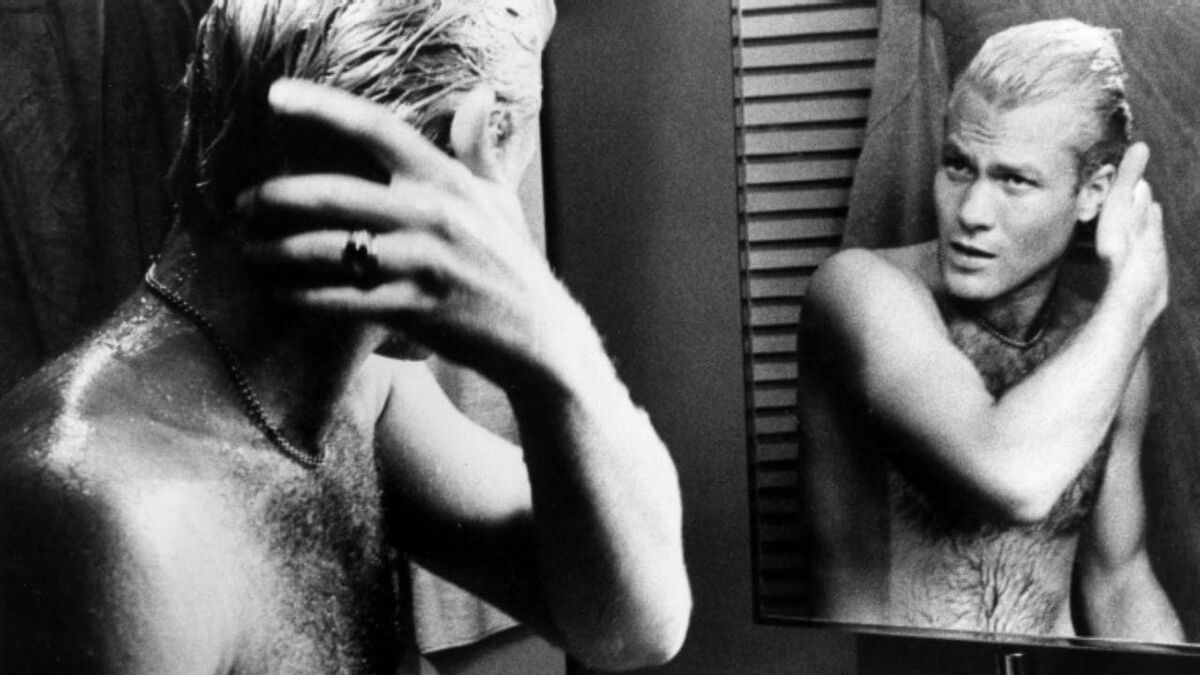
- Celebrity & Superstars: Warhol’s movies frequently showcased members of his Factory entourage, whom he dubbed “Superstars”. These figures, including Edie Sedgwick and Joe Dallesandro, became synonymous with Warhol’s films and the atmosphere of The Factory.
- Everyday Reality: Many of his works examined the nuances of daily life, amplifying the trivialities and offering them as a form of spectacle.
Styles:
- Static Camera: Warhol employed a stationary camera in many films, allowing actions to unfold without cinematic intervention. The fixed frame acted almost like a canvas.
- Real-time Footage: Warhol often chose not to edit for time. Films like Empire — an 8-hour shot of the Empire State Building — or Sleep — a 5-hour footage of a man sleeping — exemplify this.
- Silent Films & Sound Disjunction: Some of Warhol’s films were silent, compelling viewers to focus solely on the visuals. In others, the sound did not sync with the images, creating a sense of detachment.
- Unscripted & Improvisation: Many of Warhol’s films had little script. He sometimes gave his actors vague directives, allowing for raw, unpredictable performances.
- Dual Projection: In films like Chelsea Girls, Warhol used a split-screen technique, projecting two 16mm reels side by side. This created a sense of duality and challenged the viewer to split their attention.
Directorial Signature:
- Passive Observer Approach: Warhol frequently positioned himself as a passive observer, letting events unfold without intervention, almost like a voyeuristic lens on his subjects.
- Non-linear Time: Warhol played with the concept of time, often repeating sequences or extending shots to an extent where the viewer’s perception of time was altered.
- Rejection of Commercial Expectations: He purposefully avoided Hollywood tropes and commercial storytelling structures, positioning his films in stark contrast to mainstream cinema.
- Juxtaposition of Mundane and Shocking: Warhol would sometimes juxtapose extended, mundane sequences with sudden moments of shock or explicit content, unsettling the viewer and disrupting any sense of complacency.
Andy Warhol – Great Director

 Bronze Screen Dream