

Andrzej Żuławski was a Polish filmmaker known for his intensely emotional, surreal, and often controversial films that explored the darkest corners of the human psyche. His work is characterised by a feverish, almost hallucinatory style, with frenetic camerawork, explosive performances, and a deep sense of existential despair.
Żuławski began his career in the 1960s, working as an assistant director on films by Andrzej Wajda and other prominent Polish filmmakers. He made his directorial debut with The Third Part of the Night in 1971, a harrowing and deeply personal film about the trauma of the Nazi occupation of Poland. The film established Żuławski as a major new voice in Polish cinema and set the stage for his future work.
Throughout the 1970s and 1980s, Żuławski continued to push the boundaries of what was possible in film with a string of daring and unconventional works. The Devil, The Important Thing Is to Love, and Possession are all marked by their raw, uncompromising intensity, their frank exploration of sexuality and violence, and their deep sense of psychological and emotional turmoil.
Żuławski’s films often courted controversy and faced censorship in his native Poland and abroad. Possession, in particular, with its graphic depictions of sex and violence and its unrelenting sense of hysteria, was banned in several countries and remains a cult classic to this day.
Despite the challenges he faced throughout his career, Żuławski remained a fiercely independent and uncompromising artist, dedicated to exploring the most profound and disturbing aspects of the human experience. His later films, such as My Nights Are More Beautiful Than Your Days and Cosmos, continue to showcase his unique vision and his ability to create deeply affecting and transformative cinematic experiences. His films remain a testament to the power of cinema to confront us with the darkest and most unsettling truths about ourselves and the world we live in.

Andrzej Żuławski (1940 – 2016)
Calculated Films:
- The Devil (1972)
- Possession (1981)
- On the Silver Globe (1988)
Similar Filmmakers
- Alejandro Jodorowsky
- Dario Argento
- David Cronenberg
- David Lynch
- Gaspar Noe
- Jean-Pierre Mocky
- Krzysztof Zanussi
- Lars von Trier
- Nicolas Roeg
- Nicolas Winding Refn
- Peter Strickland
- Philippe Grandrieux

Andrzej Żuławski‘s Top 5 Films Ranked
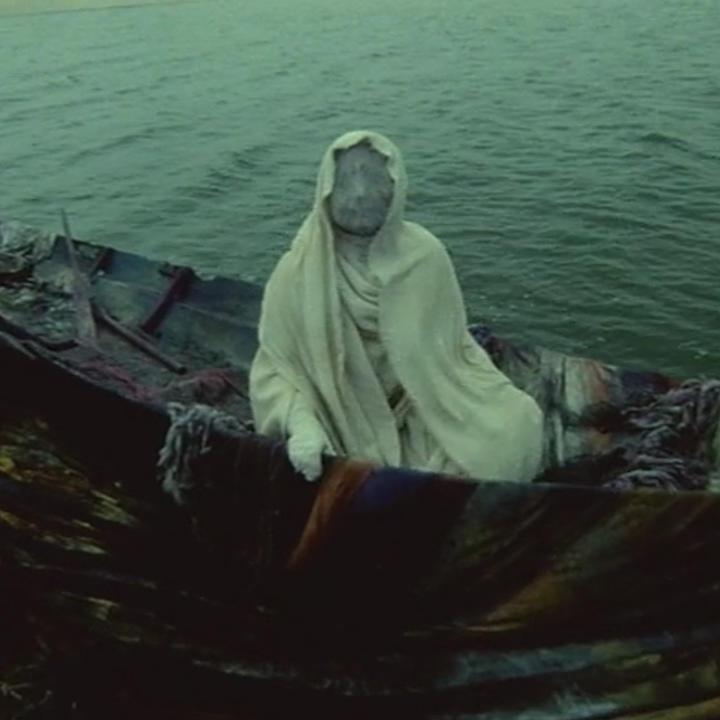
1. On the Silver Globe (1988)
Genre: Science Fiction, Psychological Drama, Surrealism, Experimental

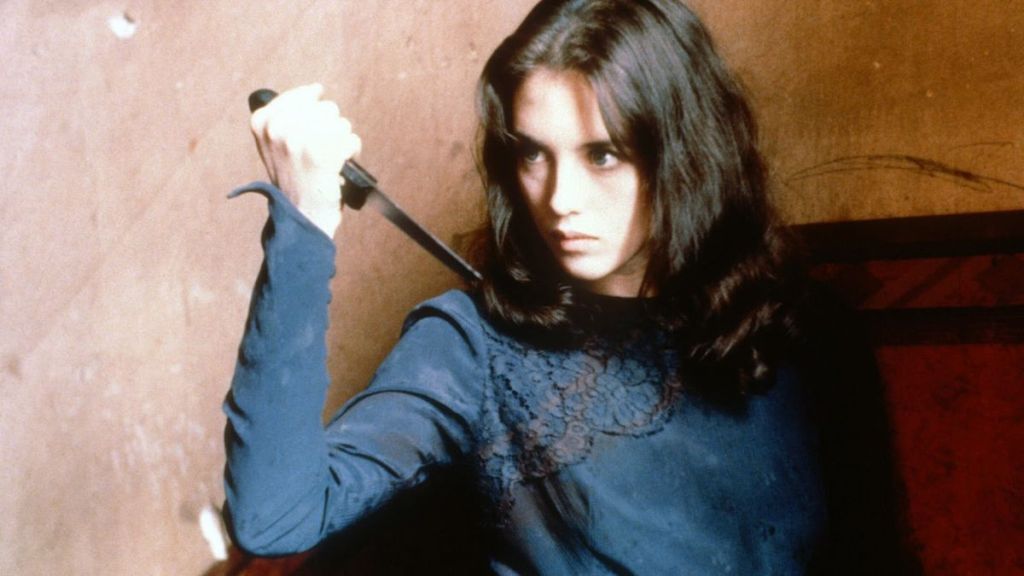
2. Possession (1981)
Genre: Psychological Horror, Psychological Drama, Surrealism
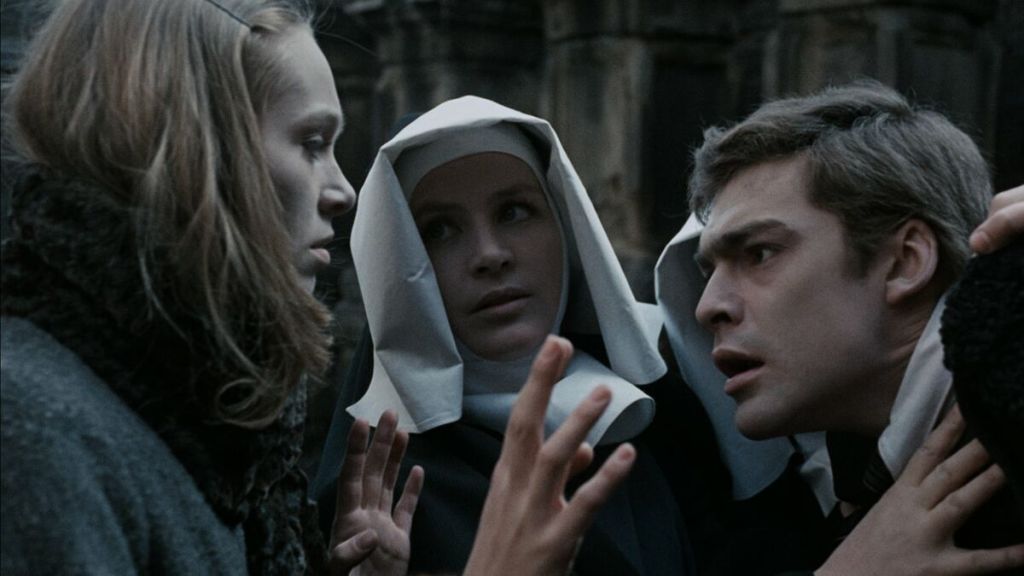
3. The Third Part of the Night (1971)
Genre: War, Psychological Drama
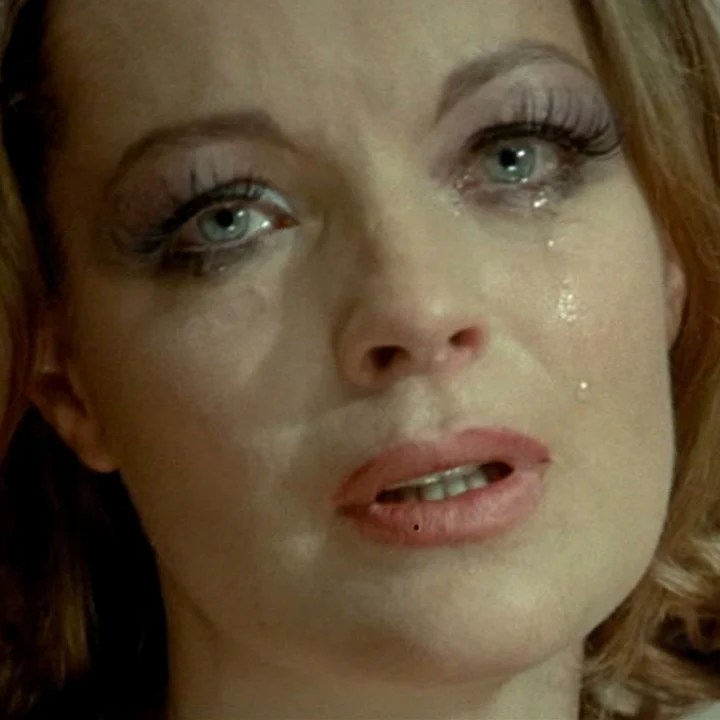
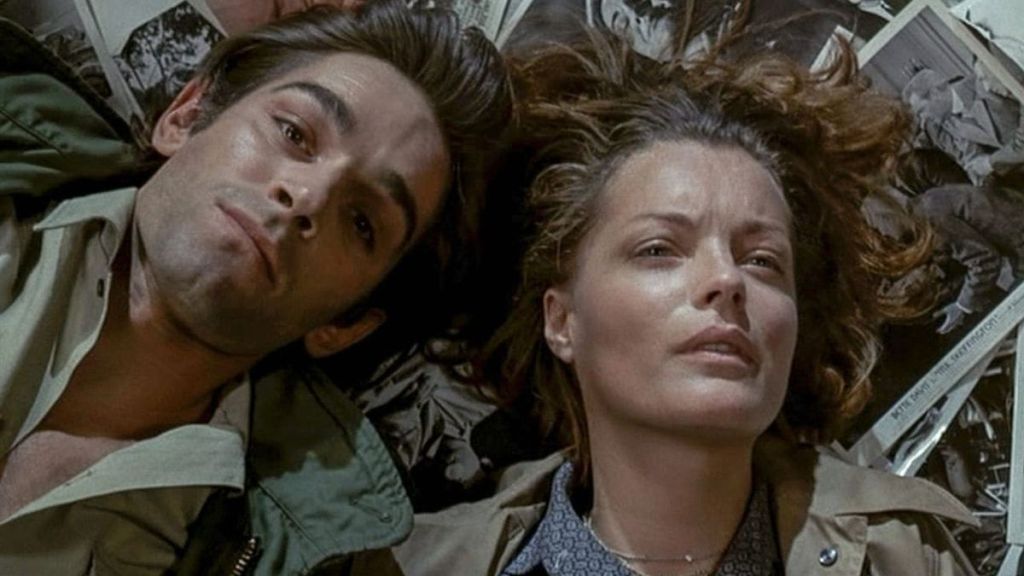
4. That Most Important Thing: Love
Genre: Drama, Romance
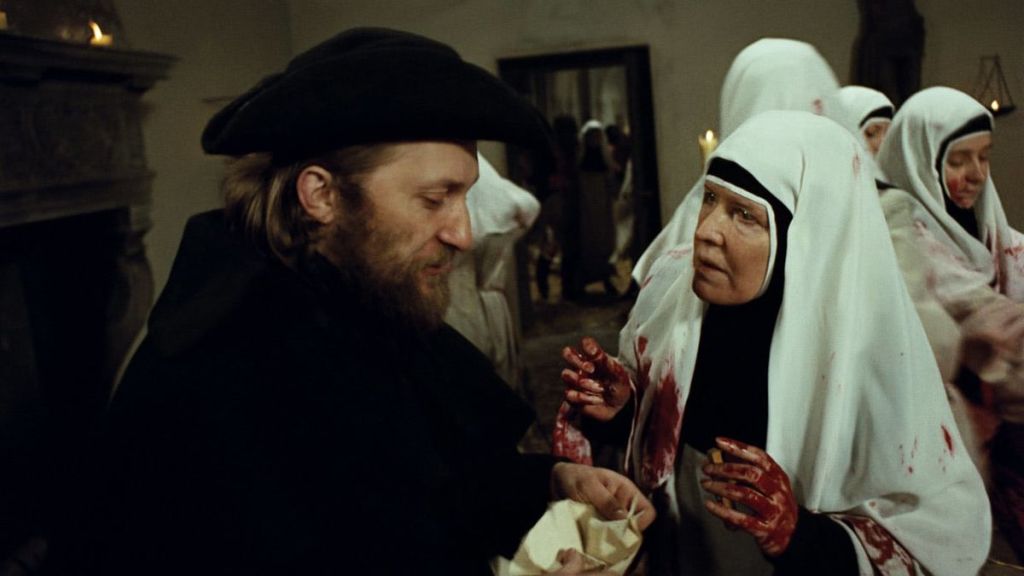
5. The Devil (1972)
Genre: Period Drama, Psychological Horror
Andrzej Żuławski: The Unbridled Nightmares of Polish Cinema
Balancing somewhere between madman and genius is Andrzej Żuławski, the man behind mind-bending spectacles and deluded nightmares. Born in Lwów, Poland (now Lviv, Ukraine) in 1940, Andrzej Żuławski’s life was poised to be eventful. The son of a Polish diplomat, Żuławski’s early years were punctuated by the chaos of World War II, which forced his family into a peripatetic existence. Such formative upheavals can often be found at the beginnings of stories of great artists, and while this is true for Żuławski, it was in the post-war cinema theatres of Poland where his true romance with films began.
Starting his career on a surprisingly normal path, Żuławski worked under the wings of Polish auteur Andrzej Wajda, under whom he studied. However, Żuławski was an iconoclast; under Wajda, he learned but never imitated. Where Wajda’s films were characterised by their poetic symbolism and nuanced reflections on Polish identity, Żuławski’s work displayed a penchant for the visceral, the raw, and the disturbingly surreal.
Take, for instance, his feature debut, The Third Part of the Night. A semi-autobiographical reflection on his father’s experiences during World War II, the film is imbued with dreamlike sequences, juxtaposing the harrowing realities of war with a nightmarish, almost Kafkaesque dimension. While many debut films can be seen as tentative first steps, Żuławski’s was a leap into an abyss of creativity, fearlessly delving into the human psyche’s dark corners.
This exploration continued with The Devil, arguably one of the most controversial films in Polish cinema history. The film, set against the backdrop of the 1793 Prussian invasion of Poland, became a veiled critique of Poland’s then-contemporary political situation. Its raw energy, frenetic pace, and jarring visuals made it far from an easy watch. Yet, these very qualities set Żuławski apart from his contemporaries. The Polish authorities didn’t view this fondly, promptly banning the film, and so began Żuławski’s tumultuous relationship with his homeland.
This clash with the Polish government necessitated a move—France became his reluctant refuge. 1975’s That Most Important Thing: Love marked Żuławski’s first French production. Teaming up with iconic actress Romy Schneider, he created a heart-wrenching melodrama interspersed human relationships’ fragility with his signature energetic camera work. Schneider’s role, a fading actress caught between love and professional degradation, stood as a testament to Żuławski’s ability to evoke raw emotion. Despite the geographical shift, his thematic exploration of tortured souls remained consistent. Here was a film where French sophistication met Eastern European rawness.
Żuławski was a demanding director and was never far from controversy. These factors meant that even in less-restrictive France, it was not easy for him to get productions made, leading to large periods of inactivity. One such gap was the six years between That Most Important Thing: Love and his next film, Possession.
With its haunting Berlin setting and a tale centring on the decomposition of a marriage, Possession mixed personal drama with horror in a manner hitherto unseen. Perhaps this is Żuławski’s magnum opus. The film’s terror was as psychological as visceral. Isabelle Adjani’s frenzied, Cannes-winning performance is often singled out as the film’s highlight. But beneath the memorable subway scene and the film’s disturbing underbelly, Żuławski’s true brilliance was his ability to expose the terrifying vulnerabilities and extremities of human relationships.
However, it wasn’t just the horror elements that made Possession a cult classic. The Cold War ambience, the estranged couple’s emotional disintegration mirroring the division of Berlin itself, elevated the film from mere genre horror to a profound reflection on human alienation. A maelstrom of political and personal, Żuławski’s masterpiece defied easy classification.
In between his French endeavours, Żuławski made the audacious attempt to adapt his great-uncle Jerzy Żuławski’s lunar trilogy into On the Silver Globe. This Polish sci-fi epic was, in many ways, Żuławski’s most ambitious undertaking, painting a tapestry of a primitive society on a distant moon, but it was fraught with challenges. Political interference led to a halt in production, and the film remained unfinished for years. When finally pieced together using voiceovers and supplementary footage many years later, the result was a fragmentary yet mesmerising glimpse of Żuławski’s unbridled vision.
Despite these challenges, Żuławski continued to find work, primarily in France. Films like L’Amour Braque and My Nights Are More Beautiful Than Your Days further showcased his affinity for the frenetic and the intense. His tumultuous love affairs and a constant search for true artistic freedom seemed to both inform and shape his filmography, rendering each piece an intricate mosaic of personal and societal introspection.
Żuławski never quite managed to reclaim the magic of his 1970s-80s, but his films remained fascinating. 1996’s Szamanka was a return to his Polish roots, delving into the primal, ritualistic dimensions of the human psyche. The 21st century saw him exploring the intricate mesh of human relationships in Fidelity, with Sophie Marceau delivering a riveting performance highlighting the complexities of loyalty and desire. His final film, 2015’s Cosmos, based on the novel by Witold Gombrowicz, was a fitting farewell. A surreal blend of comedy and existential angst, it showed Żuławski might have aged, but he hadn’t lost his ability to shock and challenge audiences.
Unfortunately, like all films, Żuławski, too, had to come to an end. He passed away in 2016, leaving a legacy as one of cinema’s most polarising figures. In some quarters, he was hailed as a visionary, a director who dared to breach the frontiers of conventional storytelling. For others, his films were seen as excessive, often straddling the fine line between genius and self-indulgence.
In a world of formulaic filmmakers and prescribed emotions, his films stand out for their audacious explorations of the soul. They challenge, provoke, and sometimes even alienate, but above all, they remain unforgettable. Whether through the chilling alleys of Berlin, the complex political landscape of Poland, or the fantastical realms of distant moons, Żuławski took his audience on raw, unfiltered journeys that transcended mere plotlines.
Most Underrated Film
Żuławski, being the polarising figure he is, is hard to talk about in terms of over-or-underrated. His films flirt with controversy, and they’ll never be mainstream favourites (Although Possession is becoming increasingly popular each year.)
Perhaps the most overlooked work of his is his most ambitious film, On the Silver Globe. The production of On the Silver Globe is a saga of its own. Based on a lunar trilogy by his great-uncle, Jerzy Żuławski, Its complex narrative, spanning generations on a distant moon and diving deep into the evolution of a new society, is no less than an epic science fiction fever dream. However, political interference halted its production, and for years, the film lay fragmented, an incomplete fragment of Żuławski’s genius. When it was finally reconstructed using voiceovers and supplemental footage, the result, albeit disjointed, was spellbinding.
Its production issues left the film without a coherent narrative structure, making it a chaotic mélange of themes and visuals. But this chaos, Żuławski’s ambition, makes it irresistible. Its portrait of societal decay, evolution and the eternal human quest for meaning is spellbinding.
You can’t approach this as just another film. It isn’t a movie, it’s an experience. Its very disjointedness inadvertently mirrors the fractured society it depicts. It’s a raw, visceral dive into an alien yet strikingly familiar world. It’s a slow-burner, that’s for sure, but it’s the ultimate Żuławski picture, covered in ambition, nuances and calamity.
Andrzej Żuławski: Themes and Style
Themes:
- Extreme Human Relationships: Many of Żuławski’s films, from Possession to That Most Important Thing: Love, dive into the darkest depths of love, jealousy, and emotional turmoil.
- Sociopolitical Commentary: Often veiled or allegorical, his films like The Devil and On the Silver Globe critique oppressive systems, reflecting his struggles with the Polish government.
- Existentialism and Alienation: Possession and Cosmos, in particular, grapple with characters confronting existential dread, emphasising human isolation in a seemingly indifferent universe.
- The Dichotomy of Civilization vs. Primitivism: On the Silver Globe showcases a society evolving from scratch, presenting the juxtaposition of primitive rituals against the backdrop of a higher civilisation.
- Descent into Madness: Whether through the literal horror lens of Possession or the societal collapse in On the Silver Globe, Żuławski’s protagonists often find themselves on the brink of psychological disintegration.
Styles:
- Frenetic Camera Work: His films often utilise a restless camera, creating an almost disorienting atmosphere that mirrors the internal chaos of his characters.
- Visceral Intensity: Żuławski’s films are not for the faint-hearted. He revels in raw, emotional intensity, pushing both his characters and audience to their limits.
- Non-linear Storytelling: Fragmented narratives, exemplified by films like On the Silver Globe, challenge the audience to engage actively, piecing together the overarching story from its disparate parts.
- Surreal Imagery: Żuławski isn’t afraid to venture into the abstract. His visuals, whether the otherworldly beings of Possession or the alien landscapes of On the Silver Globe, often blur the line between reality and dream.
Directorial Signature:
- Uncompromising Vision: Despite facing numerous challenges, from film bans to production halts, Żuławski never diluted his artistic vision to appease critics or authorities.
- Collaboration with Actresses: Żuławski had a unique knack for eliciting powerhouse performances from his lead actresses, like Isabelle Adjani in Possession or Romy Schneider in That Most Important Thing: Love.
- Anarchy in Structure: If there’s one word to encapsulate Żuławski’s directorial approach, it’s ‘anarchy’. He delighted in breaking norms, whether it was through narrative structure, visual presentation, or thematic exploration.
Further Reading
Articles and Essays:
- Interview: Andrzej Żuławski by Margaret Barton-Fumo, Film Comment
- Romantic Trauma: Andrzej Żuławski Remembered by Agata Pyzik, The Quietus
- Film Comment Selects: Andrzej Żuławski by Daniel Bird, Film Comment
- Andrzej Żuławski and the Powerlessness of Language by Alexandra Heller-Nicholas, Overland Literary Journal
- The Nerve-Fraying Dilemmas of Andrzej Żuławski by Simon Abrams, Politco
Andrzej Żuławski – Great Director


 Bronze Screen Dream