
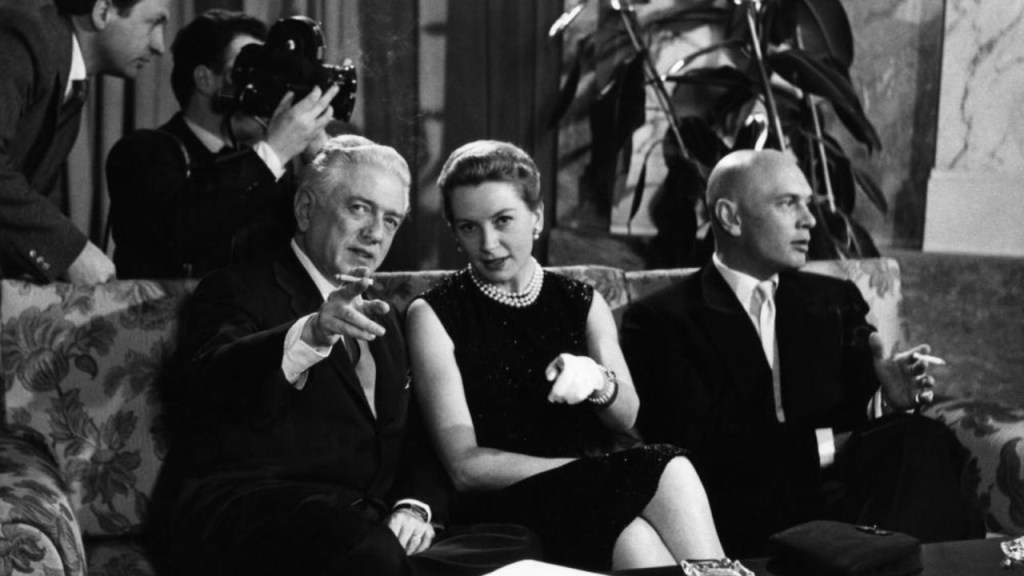
Anatole Litvak was a notable film director and producer, born in 1902 in Kyiv, then part of the Russian Empire, and later naturalised as a U.S. citizen. His directorial career spanned several countries and film industries, including France, Germany, and the United States. Among his most recognised works are The Snake Pit, a pioneering film in its portrayal of mental health issues, and Anastasia, which garnered Ingrid Bergman an Academy Award. Litvak’s films were known for their versatility, ranging from war dramas to romantic thrillers, showcasing his ability to adapt to various genres and cultural contexts.
Litvak began his career in the Soviet Union before moving to Germany, where he worked during the silent and early sound eras. His transition to Hollywood in the 1930s marked the beginning of a new phase, where he became known for his meticulous craftsmanship and attention to detail. Throughout the 1940s and 1950s, Litvak’s work in the United States solidified his reputation as a director capable of eliciting strong performances from his actors and utilising cinematic techniques to enhance the narrative and emotional impact of his films. The Snake Pit, one of his most notable works, was groundbreaking in its treatment of mental illness and its use of realistic, unsettling depictions of psychiatric institutions.
Litvak’s European background greatly influenced his filmmaking style, bringing a unique sensibility to his Hollywood projects. His films often featured complex characters, intricate plots, and a keen awareness of the human psyche, elements that were perhaps shaped by his early experiences in the diverse cinematic landscapes of Europe. This blend of American and European influences made his work stand out, offering audiences a different perspective from the typical Hollywood fare of the time.
Thematically, Litvak’s films frequently explored psychological and social issues, distinguishing him from many of his contemporaries. In The Snake Pit, he addressed mental illness with a depth and sensitivity that was ahead of its time, creating a film that remains impactful. His visual style was characterised by meticulous framing and a preference for fluid camera movements, as evident in Anastasia, where the cinematography added to the film’s emotional depth and historical intrigue.
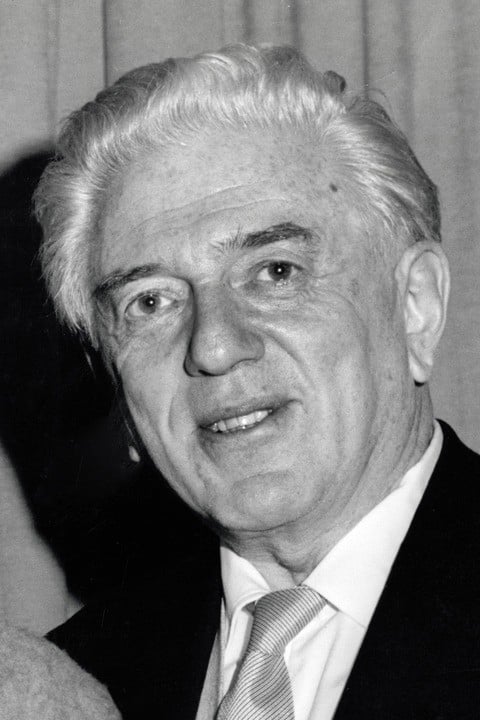
Anatole Litvak (1902 – 1974)
Calculated Films:
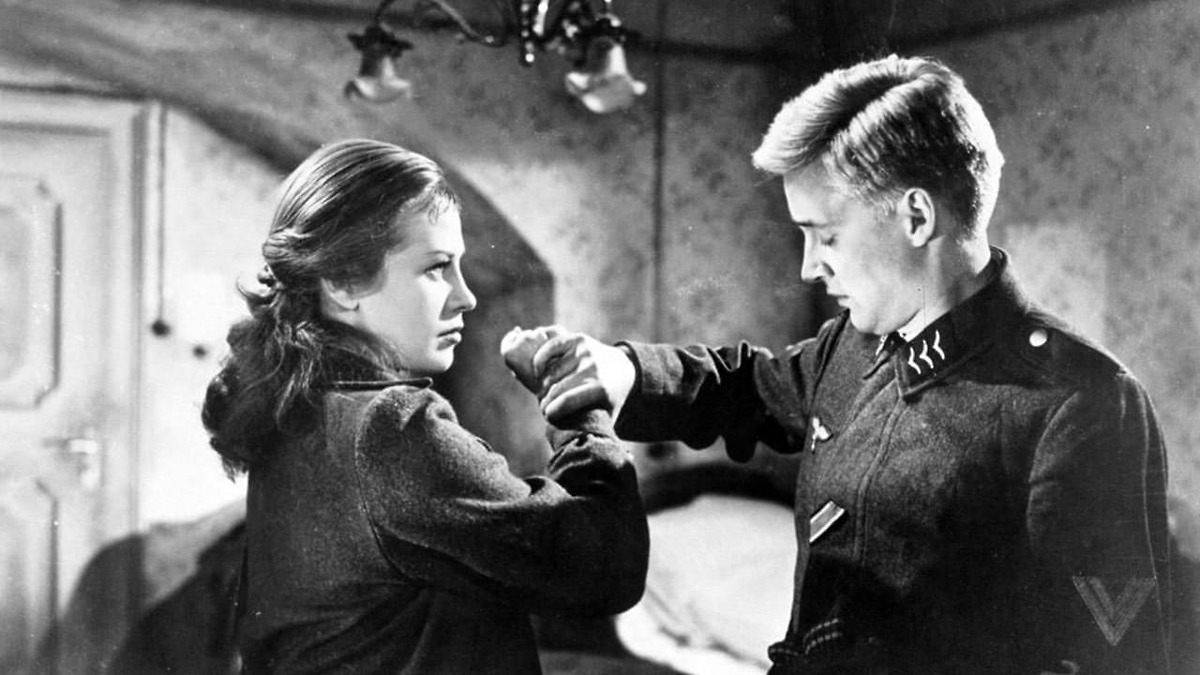
- Decision Before Dawn (1951)
Similar Filmmakers
- Curtis Bernhardt
- Douglas Sirk
- George Cukor
- Gustav Machaty
- Jacques Tourneur
- Jean Negulesco
- Jean Gremillon
- Jean Renoir
- John Stahl
- Julien Duvivier
- Maurice Tourneur
- Max Ophuls
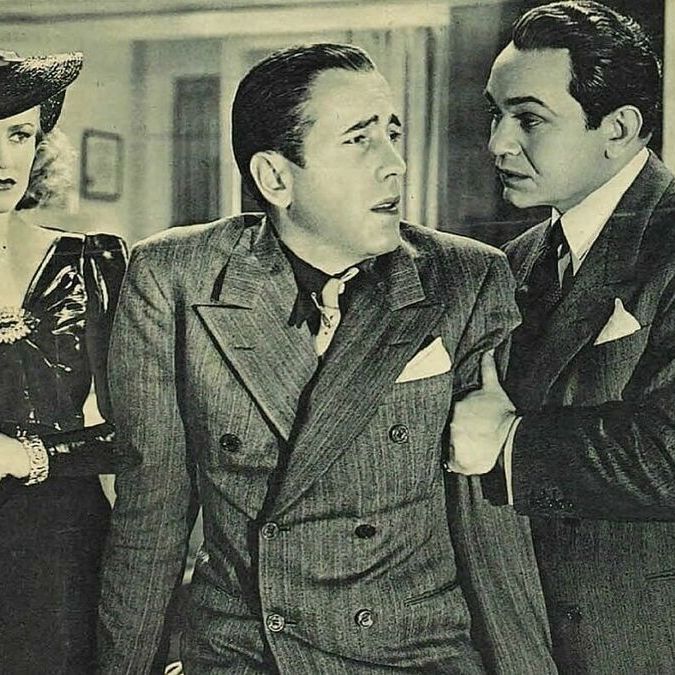
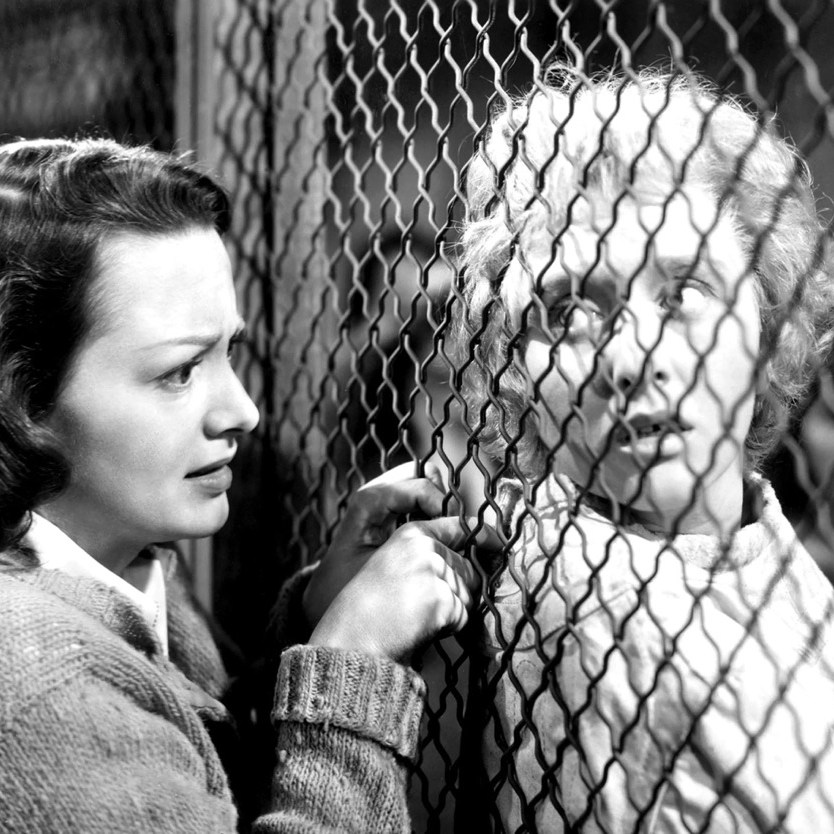
Anatole Litvak’s Top 5 Films Ranked
1. The Snake Pit (1948)
Genre: Psychological Drama, Melodrama

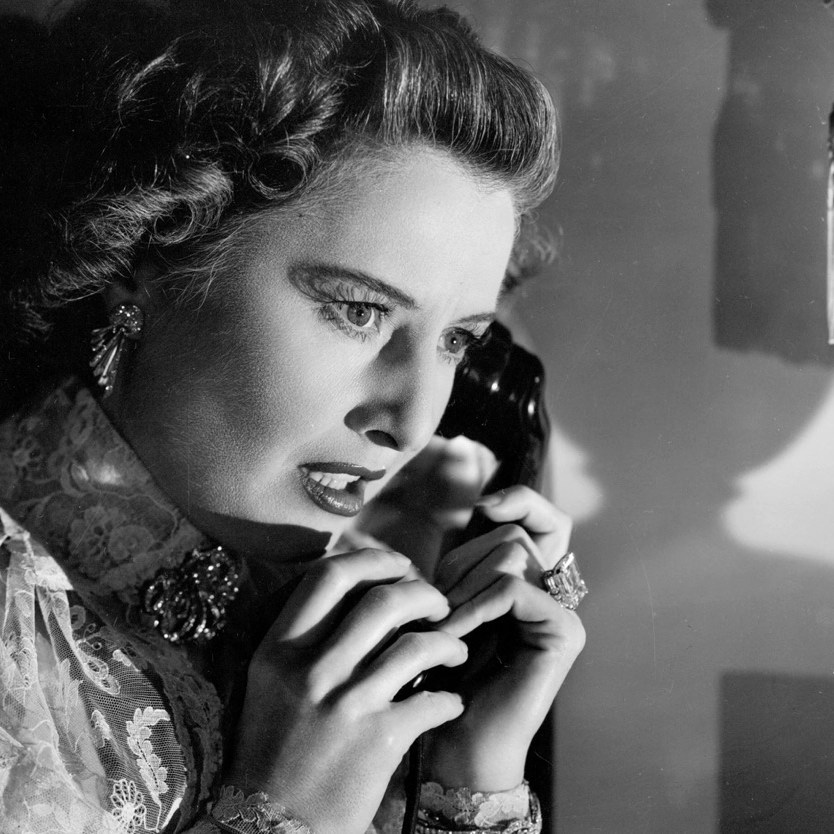
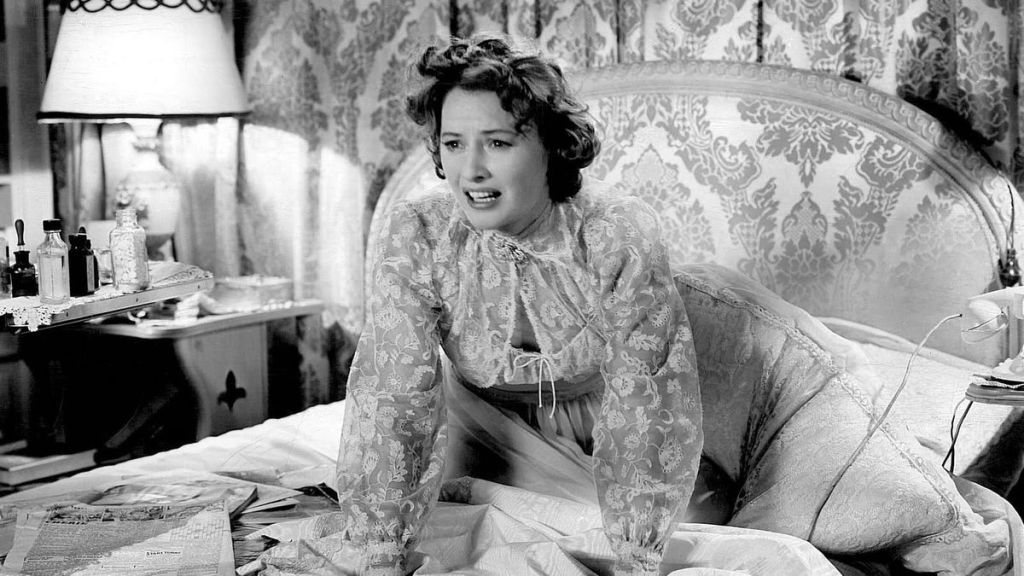
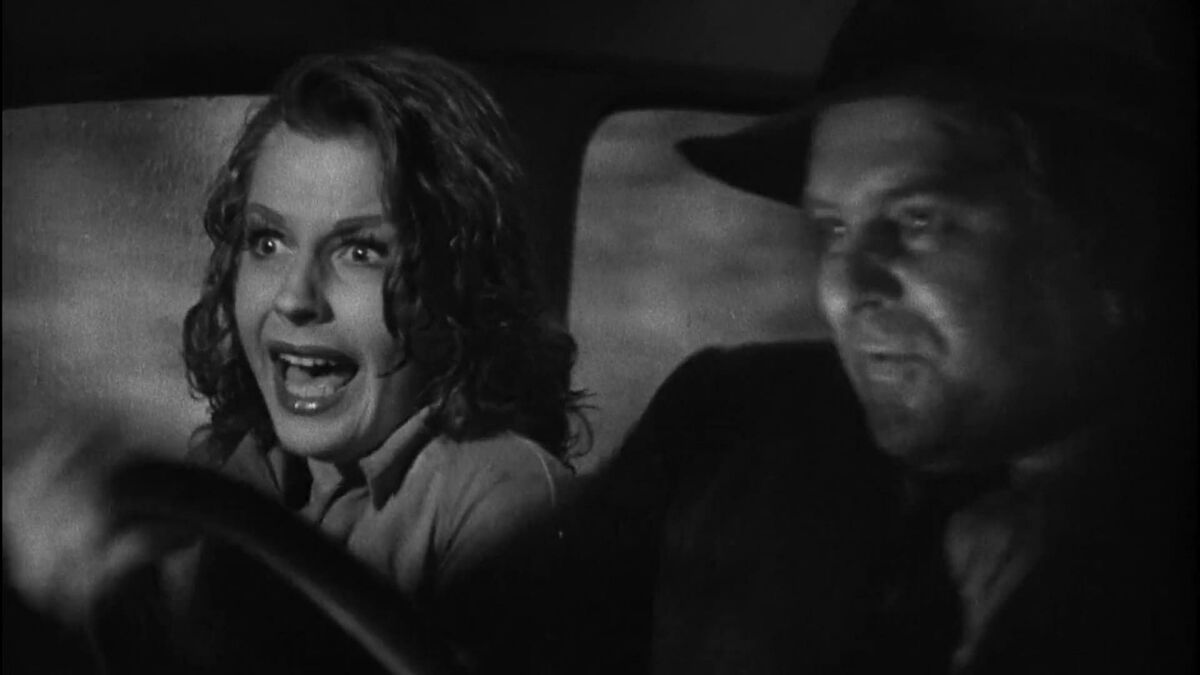
2. Sorry, Wrong Number (1948)
Genre: Thriller, Film Noir, Mystery
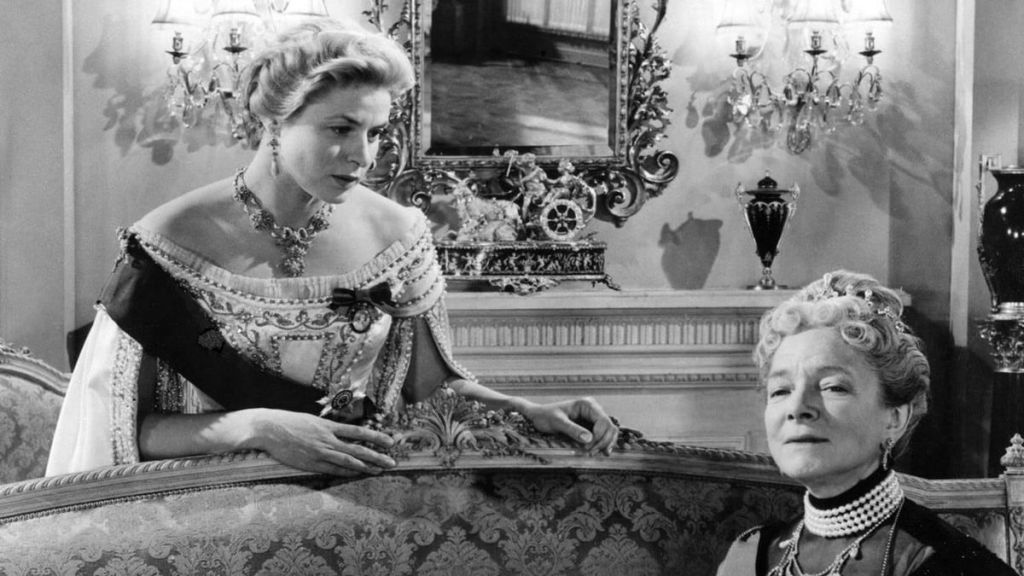
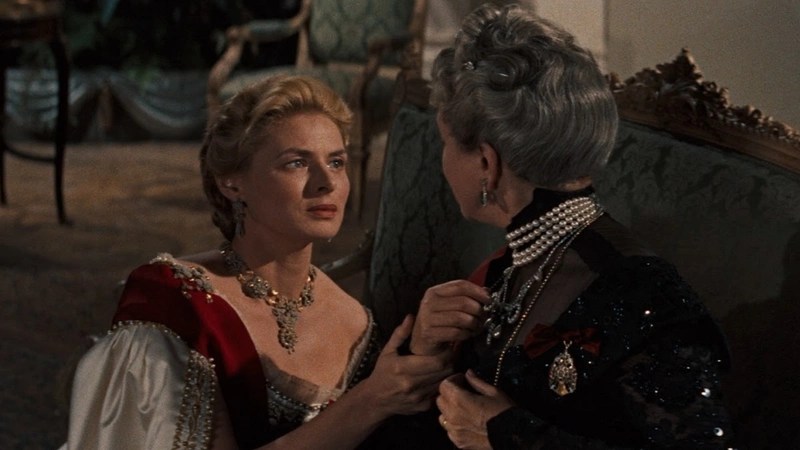
3. Anastasia (1956)
Genre: Melodrama
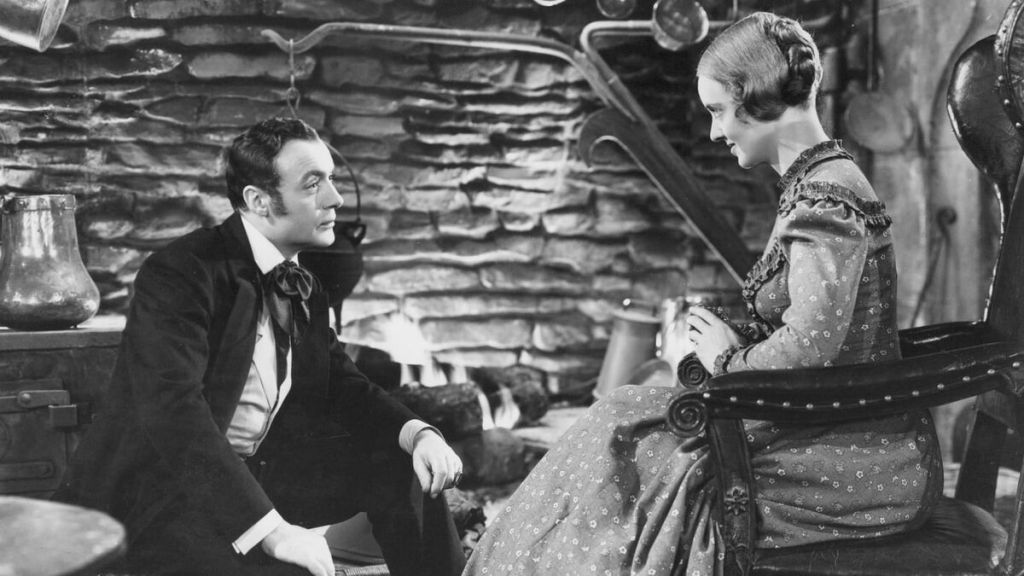
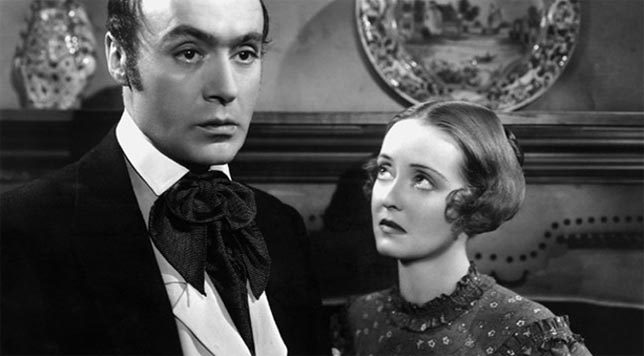
4. All This, and Heaven Too (1940)
Genre: Romance, Melodrama, Period Drama
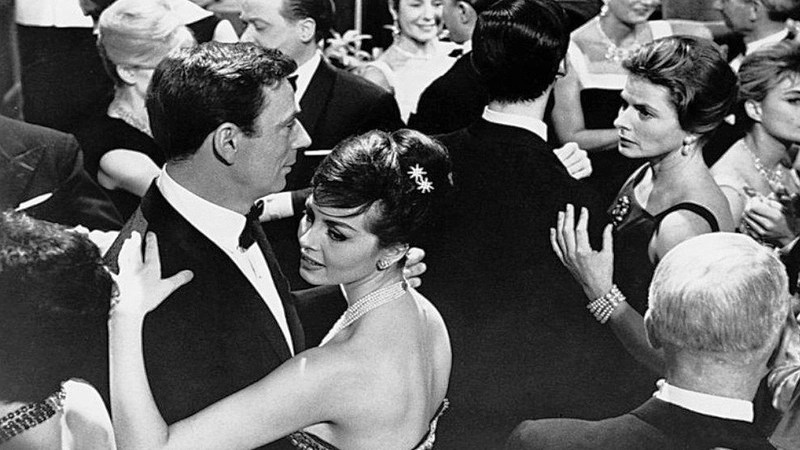
5. Goodbye Again (1961)
Genre: Romance, Drama
Anatole Litvak: Themes and Style
Themes:
- Psychological Depth: Litvak frequently explored complex psychological themes, delving into the human psyche. In The Snake Pit, he portrays the harrowing experiences of a woman in a mental institution, highlighting mental health issues with sensitivity and depth.
- War and its Aftermath: Many of Litvak’s films, like Decision Before Dawn and The Night of the Generals, centre on the impacts of war, not just on the battlefield but also on the individuals and societies grappling with its consequences.
- Romance under Duress: His films often feature romantic relationships tested by external pressures. Anastasia is a notable example, where the romance unfolds against a backdrop of political intrigue and identity crises.
- Moral Ambiguity: Litvak was adept at exploring moral ambiguity and ethical dilemmas. In Sorry, Wrong Number, he delves into the complexities of guilt, innocence, and fate in a suspenseful narrative.
- Social Issues: He didn’t shy away from addressing social issues of his time, often embedding them subtly within his narratives. Films like Mayerling touch on societal constraints and the tragedy of doomed love in a rigid social structure.
Styles:
- Fluid Camera Movement: Litvak was known for his dynamic and fluid camera work, which added a sense of immediacy and intimacy to his storytelling. This is evident in The Snake Pit, where the camera movements mirror the protagonist’s mental state.
- Dramatic Lighting: He frequently used dramatic and expressive lighting to enhance the mood and underscore the emotional landscape of his characters, a technique prevalent in his noir films.
- Tight Pacing and Suspense: Litvak mastered the art of pacing, skillfully building suspense and tension. Sorry, Wrong Number is a prime example where the pacing amplifies the psychological thriller aspect.
- Strong Performances: He was known for eliciting powerful performances from his actors, often pushing them to explore deep emotional ranges, as seen in the intense and nuanced performances in Anastasia.
- Narrative Complexity: Litvak often employed complex narratives, intertwining multiple storylines or using flashbacks, as in The Night of the Generals, to weave intricate plots that kept audiences engaged.
Directorial Signature:
- Multilingual and Multicultural Approach: Being multilingual and having worked in various European countries and Hollywood, Litvak’s films often reflect a cosmopolitan sensibility, evident in the diverse settings and characters in his movies like Anastasia.
- Attention to Historical Detail: His historical dramas, such as Mayerling, showcase keen attention to period detail, bringing authenticity to the portrayal of past events and eras.
- Psychological Realism: A hallmark of Litvak’s directing is his focus on psychological realism, striving to depict the inner worlds of his characters with depth and authenticity. This sets films like The Snake Pit apart from similar works.
Anatole Litvak – Great Director
 Bronze Screen Dream