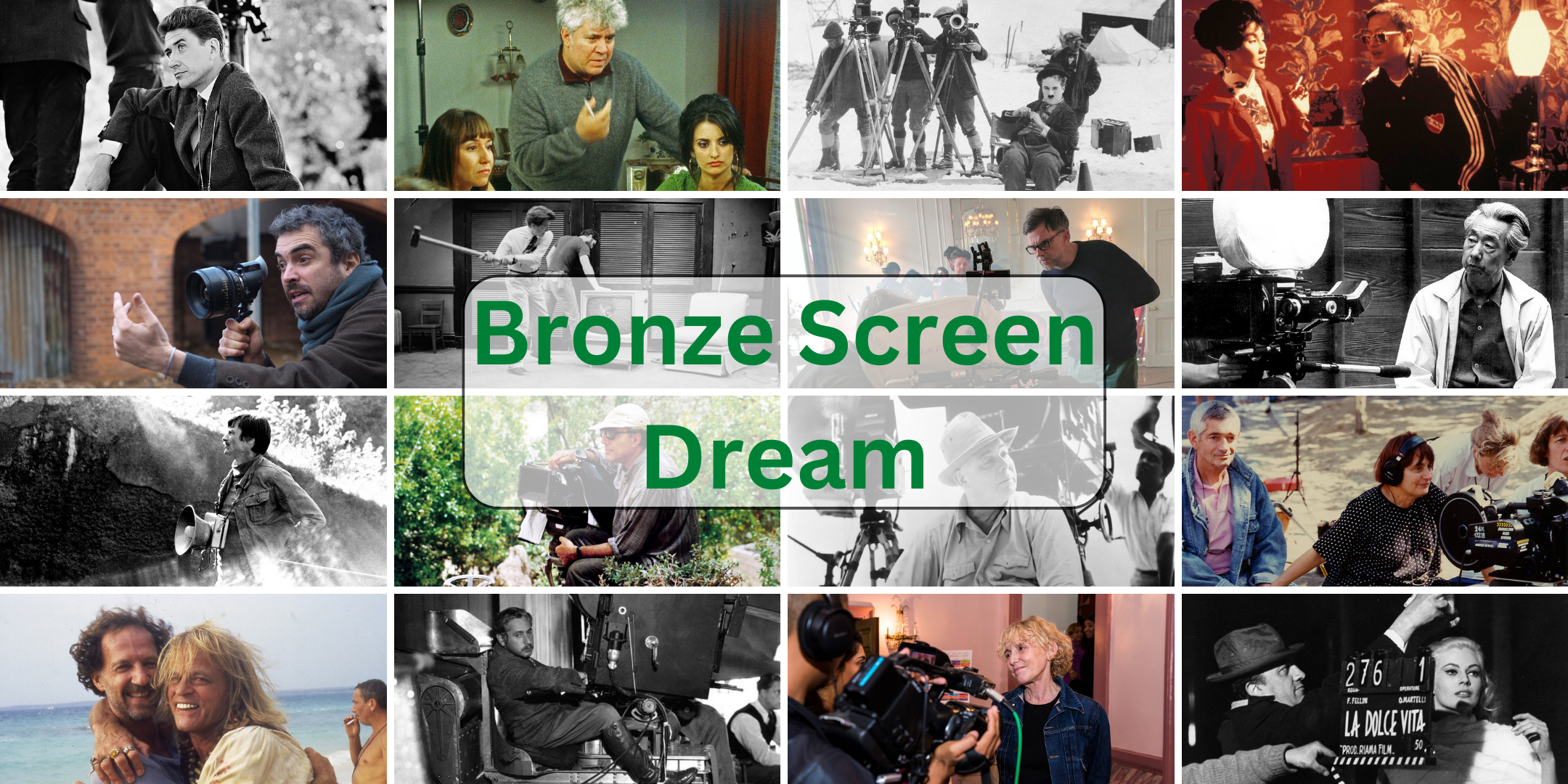
Below are some of the best American directors ever. Click on their pictures to discover more about them. This grouping covers the directors whose best known work was in the documentary genre.



A Brief History of American Documentary Filmmaking
The origins of American documentary filmmaking can be traced back to the early 20th century. Pioneers like Robert J. Flaherty are often credited with laying the groundwork for the genre. Flaherty’s 1922 film “Nanook of the North” is frequently cited as one of the first feature-length documentaries. This film, though not without its criticisms for staged elements, introduced audiences to the concept of using film to document real life, particularly the lives of those in remote or unfamiliar cultures.
The 1930s and 1940s saw the rise of socially conscious documentaries in the United States, influenced by the Great Depression and World War II. Directors like Pare Lorentz made significant contributions during this period. Lorentz’s works, such as “The Plow That Broke the Plains” and “The River”, utilised documentary filmmaking to address social and environmental issues, setting a precedent for future filmmakers. This era also witnessed the emergence of government-sponsored films, which aimed to inform and rally public support for various causes and initiatives.
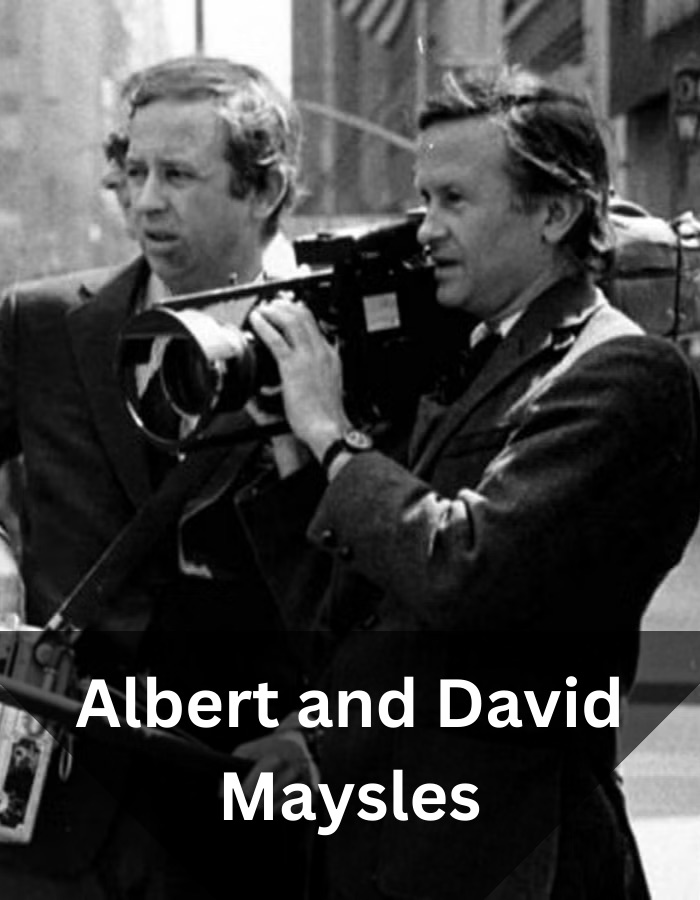
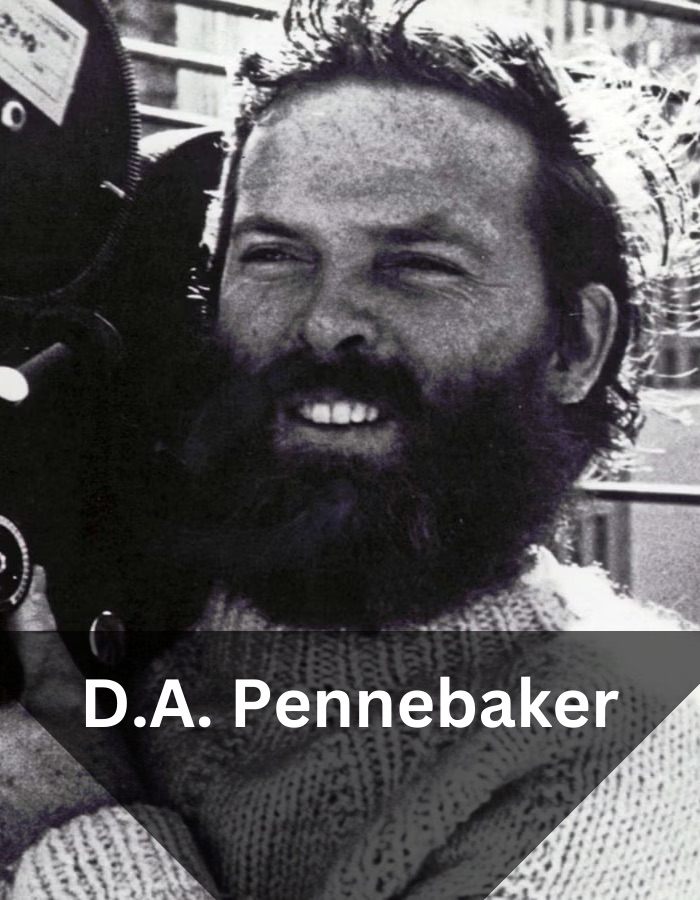
The post-World War II era marked a shift in American documentary filmmaking. With the advent of television, documentaries found a new platform, leading to a broader audience and more diverse content. This period also saw the emergence of direct cinema or cinéma vérité, a style characterised by its observational approach and unobtrusive filming techniques. Pioneers of this style, like D.A. Pennebaker and the team of Albert and David Maysles, brought a more intimate and spontaneous feel to documentary filmmaking. Their works, such as Pennebaker’s “Don’t Look Back” and the Maysles brothers’ “Grey Gardens”, offered unprecedented insights into their subjects’ lives and have since become classics of the genre.
In recent decades, American documentary filmmaking has continued to evolve, embracing technological advances and exploring new narrative techniques. Directors like Michael Moore and Errol Morris have become well-known for their distinctive styles and approaches to documentary storytelling. Moore’s provocative, often confrontational films, such as “Fahrenheit 9/11”, challenge viewers’ perceptions and spark debate. In contrast, Morris’s meticulous and often philosophical approach, evident in films like “The Thin Blue Line”, has redefined the boundaries of the genre.
 Bronze Screen Dream