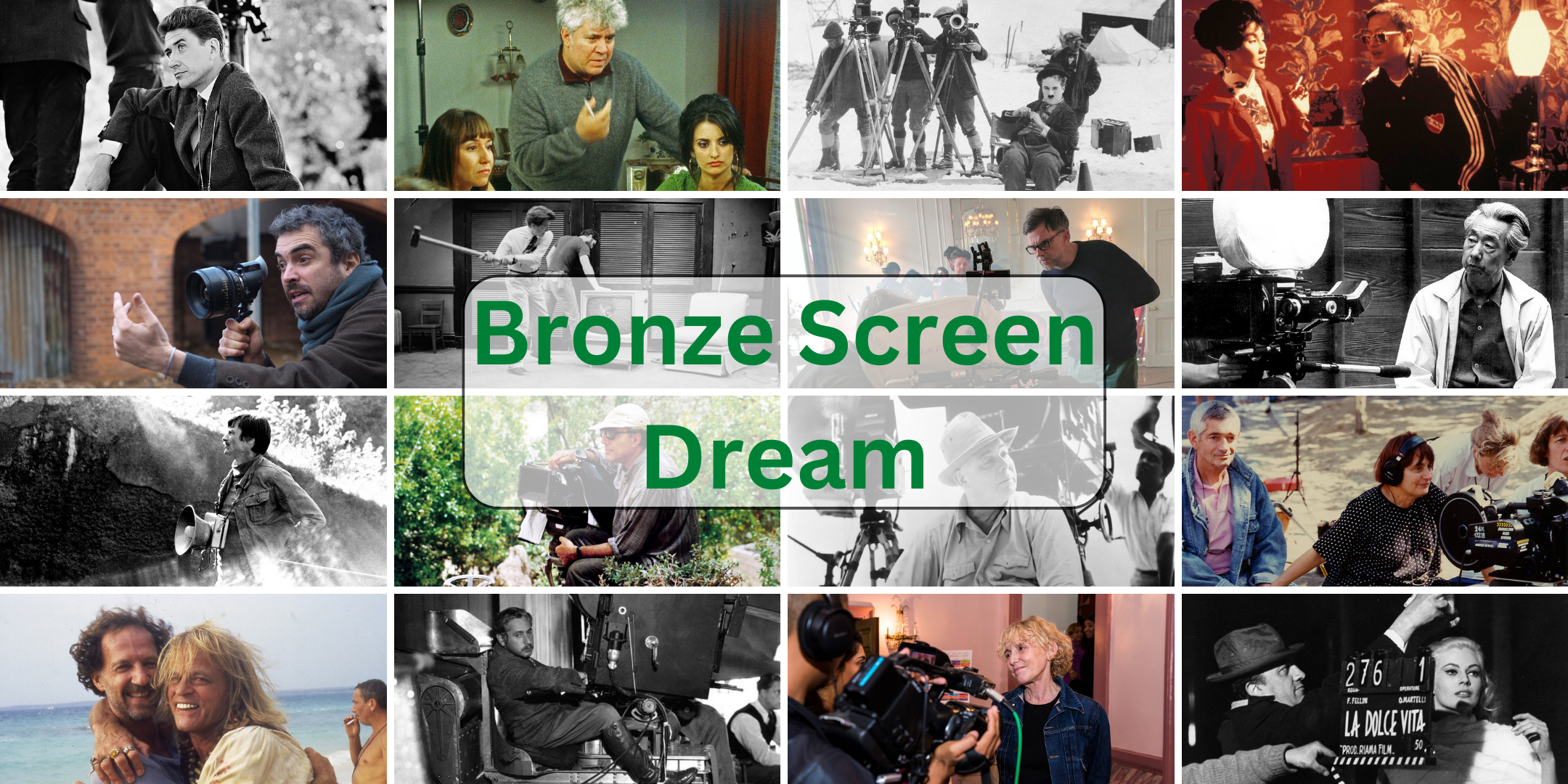

Alice Guy-Blaché was a pioneering French filmmaker recognised for being one of the first to direct a narrative fiction film. Her career, spanning over three decades from the 1890s to the 1920s, produced around 1,000 movies, though only a few survive today. Guy-Blaché’s works are known for their narrative depth, inventive techniques, and representation of societal themes, most notably illustrated in films like La Fée aux Choux (The Cabbage Fairy).
Guy-Blaché’s career began at the Gaumont Film Company in France, where she quickly transitioned from a secretary to a filmmaker, directing her first film in 1896. Her early work was marked by a playful and imaginative use of the medium, exploring genres ranging from comedy to drama and even touching on social issues, which was quite progressive for her time. In 1907, she moved to the United States, where she continued to push the boundaries of filmmaking by founding the Solax Studios, one of the first woman-owned film studios.
Despite her early successes, Guy-Blaché’s contributions were largely forgotten by the industry for many years. The decline of her studio and the rise of the Hollywood studio system gradually overshadowed her achievements. Nevertheless, her work has been rediscovered and re-evaluated in recent years, highlighting her significant impact on the development of narrative cinema and her pioneering use of film techniques that would become staples of the industry. Her film The Consequences of Feminism is particularly notable for its ahead-of-its-time commentary on gender roles and societal expectations.
Her films pioneered cinema away from the ‘cinema of attraction’ and towards modern movies while exploring social themes. Falling Leaves, one of her prominent works, addresses the theme of terminal illness through a touching story of a young girl trying to prevent her sister’s death. Her films also showcased her empathy and understanding of human nature and emotions, often choosing narratives that highlighted the subtleties and complexities of the human experience. For example, The Making of an American Citizen depicted the process of assimilation of immigrants in the United States, illuminating the struggles and triumphs associated with adopting a new national identity.
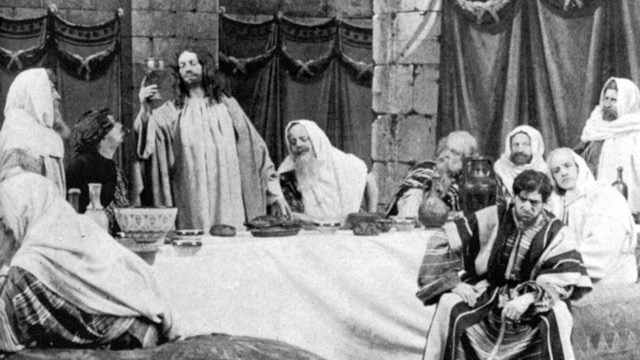
Guy-Blaché embraced special effects and was among the first to experiment with sound, colour, and the integration of close-up shots into her films. She utilised a variety of techniques, such as hand-tinted colour in The Birth, the Life, and the Death of Christ, and synchronous sound in Dickson Experimental Sound Film. These efforts highlight Guy-Blaché’s commitment to pushing the boundaries of early cinema, establishing a legacy of inventive storytelling and technical mastery that has continued to inspire filmmakers for generations.

Alice Guy-Blaché (1873 – 1968)
Calculated Films:
- NA
Similar Filmmakers
- Albert Capellani
- Cecil B. DeMille
- Charles Chaplin
- D.W. Griffith
- Dorothy Arzner
- Elvira Notari
- Erich von Stroheim
- F.W. Murnau
- Ferdinand Zecca
- Georges Melies
- Germaine Dulac
- Jacques de Baroncelli
- Leonce Perret
- Lois Weber
- Louis Feuillade
- Mack Sennett
- Oscar Micheaux
- Thomas Ince
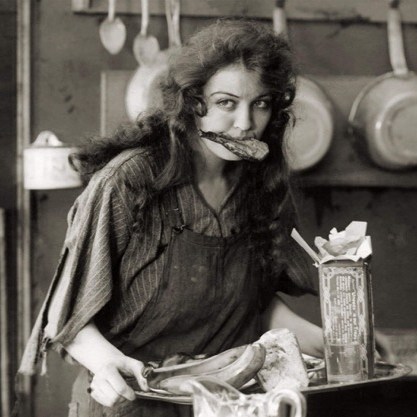


Alice Guy-Blaché’s Top 5 Films Ranked
1. Falling Leaves (1912)
Genre: Melodrama

2. The Consequences of Feminism (1906)
Genre: Satire, Comedy

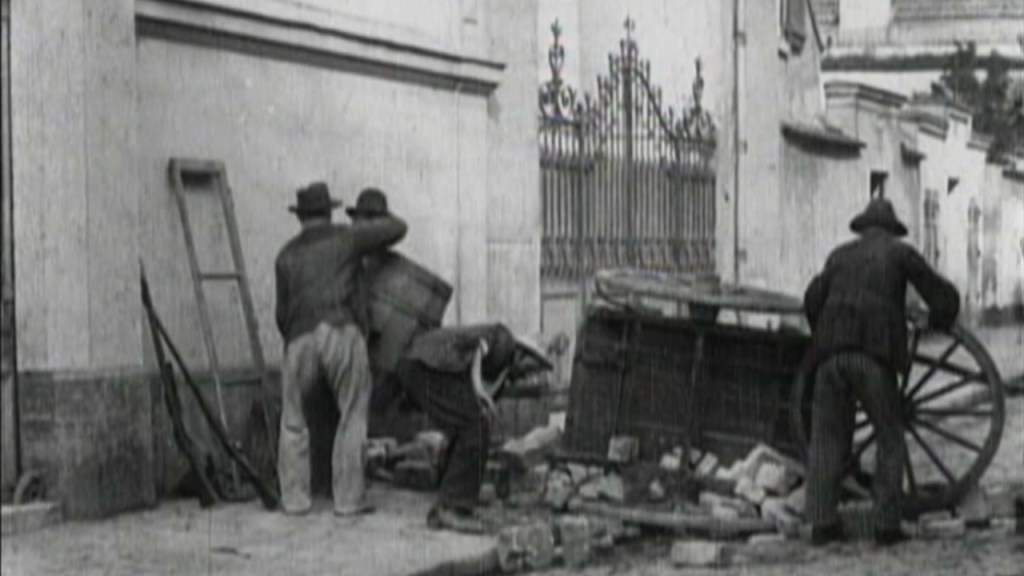
3. On the Barricade (1907)
Genre: Drama
4. Madame’s Cravings (1907)
Genre: Comedy

5. Pierrette’s Escapades (1900)
Genre: Dance Film

Alice Guy-Blaché: Themes and Style
Themes:
- Empowerment of Women: Blaché often depicted strong, independent female protagonists, spotlighting women’s rights and suffrage. Her films portray women as agents of their destiny, reflecting early feminist sensibilities.
- Social Commentary: Blaché used the film medium to explore and criticise societal norms and expectations, focusing on issues like poverty, gender, and class. Her narratives would often include moral and social lessons, subtly urging audiences to reflect and reconsider their perspectives.
- Fantasy and Imagination: She exhibited a fascination with fantastical elements, utilising special effects that were revolutionary for the time to bring dream sequences and imaginary worlds to life. Films often embodied a sense of whimsy and wonder, capturing audiences’ imaginations.
Styles:
- Innovative Storytelling: Blaché was among the first filmmakers to incorporate close-ups, hand-tinted colour, and synchronised sound, showcasing her creative spirit. She employed a narrative style that was ahead of her time, contributing to the transition from ‘cinema of attractions’ to ‘classical Hollywood cinema.’
- Genre Versatility: Her films spanned a variety of genres, including comedies, dramas, and fantasies, highlighting her adaptability and diverse directorial voice. Blaché had a flair for experimenting with different storytelling techniques and genres, refusing to confine herself to a singular style or tone.
- Visual Storytelling: She paid attention to the optical components of filmmaking, understanding the importance of composition, colour, and framing in conveying the narrative. The use of mise-en-scène was deliberate and thoughtful, creating visual interest and aiding in storytelling.
Directorial Signature:
- Pioneering Techniques: Blaché was known for her willingness to experiment with and adopt emerging film technologies and techniques, often being at the forefront of cinematic innovation. She was a pioneer in the use of synchronised sound and colour, enhancing the auditory and visual experience of her films.
- Humanistic Approach: Blaché’s films often carried a deeply human and empathetic tone, with characters and stories that audiences could relate to and sympathise with. Whether through comedy or drama, her work consistently exhibited a sensitivity toward the human condition and an understanding of life’s complexities.
Alice Guy-Blaché – Great Director


 Bronze Screen Dream