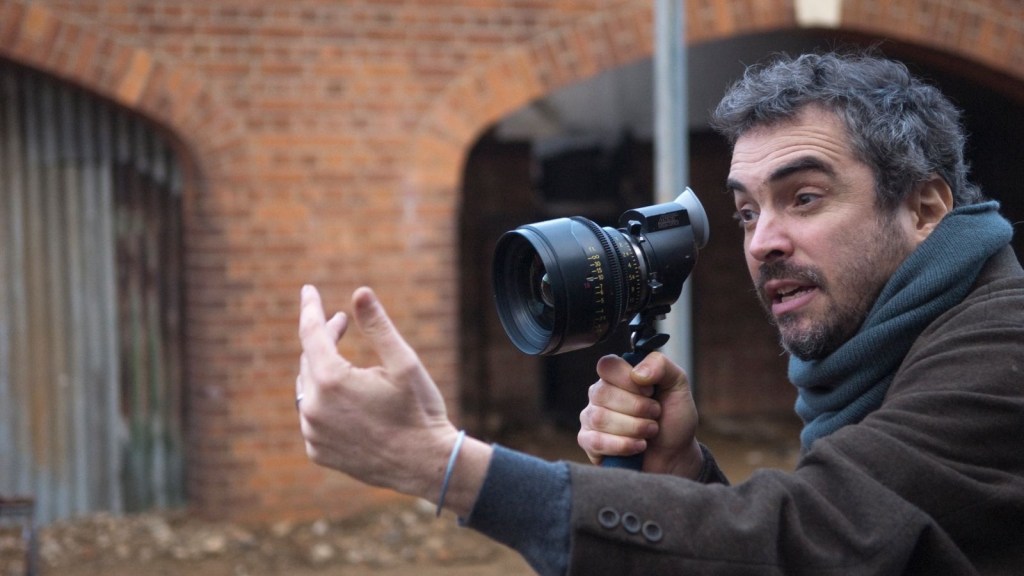
Alfonso Cuarón is a Mexican filmmaker celebrated for his virtuoso extended tracking shots, naturalistic storytelling, and the incorporation of significant social commentary into his films. Having directed an array of genres from fantasy like Harry Potter and the Prisoner of Azkaban, dystopian sci-fi as in Children of Men, to autobiographical drama such as Roma, Cuarón’s versatility and eye for realism underscore his reputation as one of contemporary cinema’s leading figures.
Cuarón began his career in Mexican television before transitioning to film. His breakthrough arrived with Y Tu Mamá También, a coming-of-age drama that garnered international acclaim for its candid portrayal of adolescence and socio-political subtext. This opened doors for Cuarón in Hollywood, where he furthered his reputation for blending intimate narratives with innovative technical prowess.
A hallmark of Cuarón’s filmmaking is his masterful use of extended tracking shots, often capturing intricate sequences in a single take, as seen in Children of Men and Roma. These long takes contribute to his distinctive realistic style, with naturalistic performances and a palpable sense of everyday life. His films are characterised by their richly detailed backgrounds, teeming with activity and life, enhancing the immersive quality of his storytelling.
Cuarón’s films often contain incisive social and political commentary. His critique of bureaucracy in Children of Men, and exploration of class and ethnicity in Roma, reflect his commitment to examining societal structures. Gravity, another of his landmark films, is particularly noted for its groundbreaking visual effects, blending real and CG elements to create a believable depiction of space, complemented by a deeply immersive sound design.
Mastering the Long Take
His work often features personal and autobiographical elements, offering profound insight into his life experiences. Notably, Roma, considered a semi-autobiographical film, delves into his childhood in Mexico. His frequent collaborations with a consistent team, including his brother Carlos Cuarón as a screenwriter and Emmanuel Lubezki as a cinematographer, contribute to the coherence and continuity of his body of work.
Cuarón’s influence extends globally, inspiring a generation of filmmakers. Mexican directors like Alejandro González Iñárritu and Guillermo del Toro, known as “The Three Amigos” along with Cuarón, share his influence, and international directors such as Christopher Nolan and Darren Aronofsky have expressed admiration for his work. In addition to his contribution to international cinema, his success has brought greater visibility to Mexican cinema, solidifying his significant impact on film history.
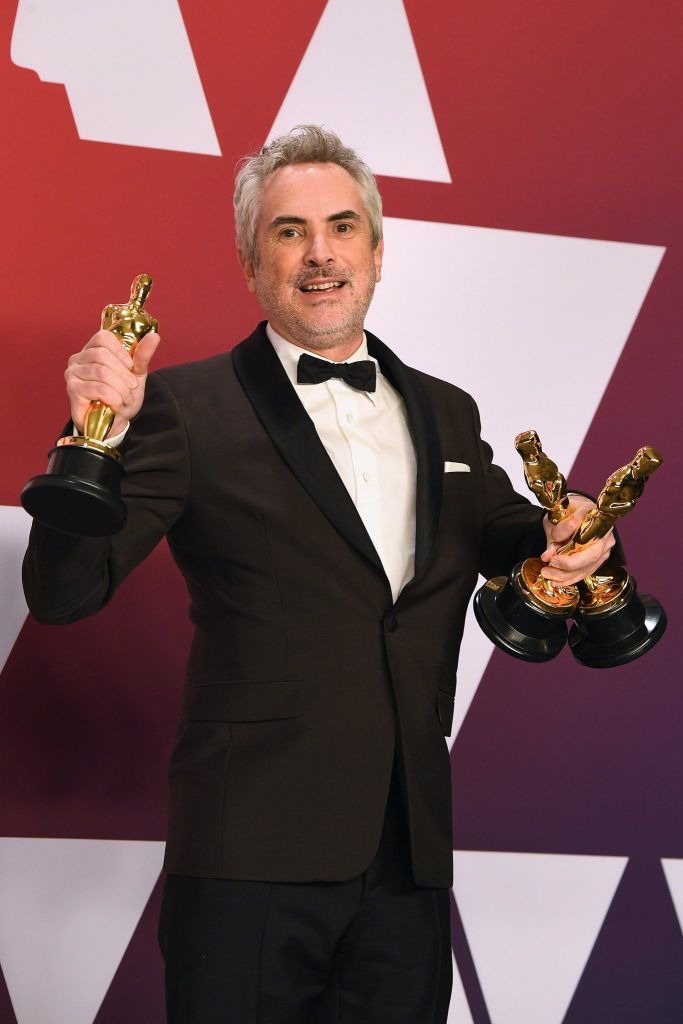
Alfonso Cuaron (1961 – -)
Calculated Films:
- A Little Princess (1995)
- Y Tu Mama Tambien (2001)
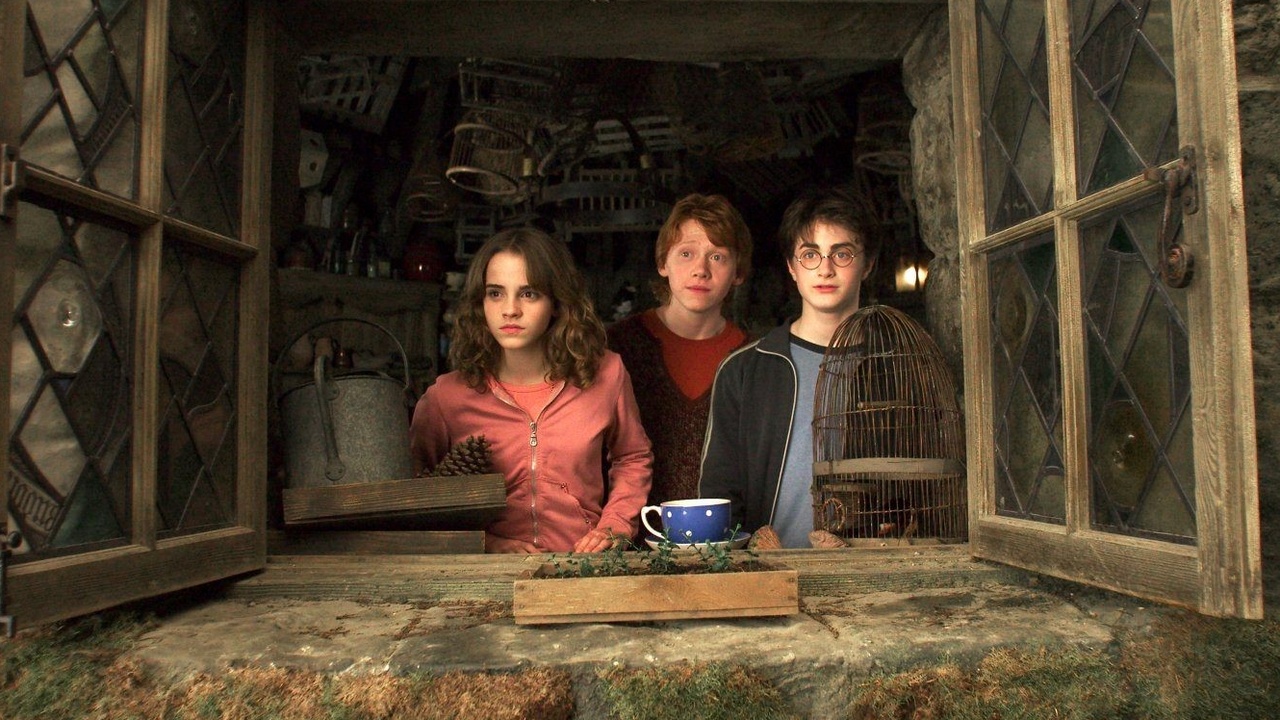
- Harry Potter and the Prisoner of Azkaban (2004)
- Children of Men (2006)
- Gravity (2013)
- Roma (2018)
Similar Filmmakers
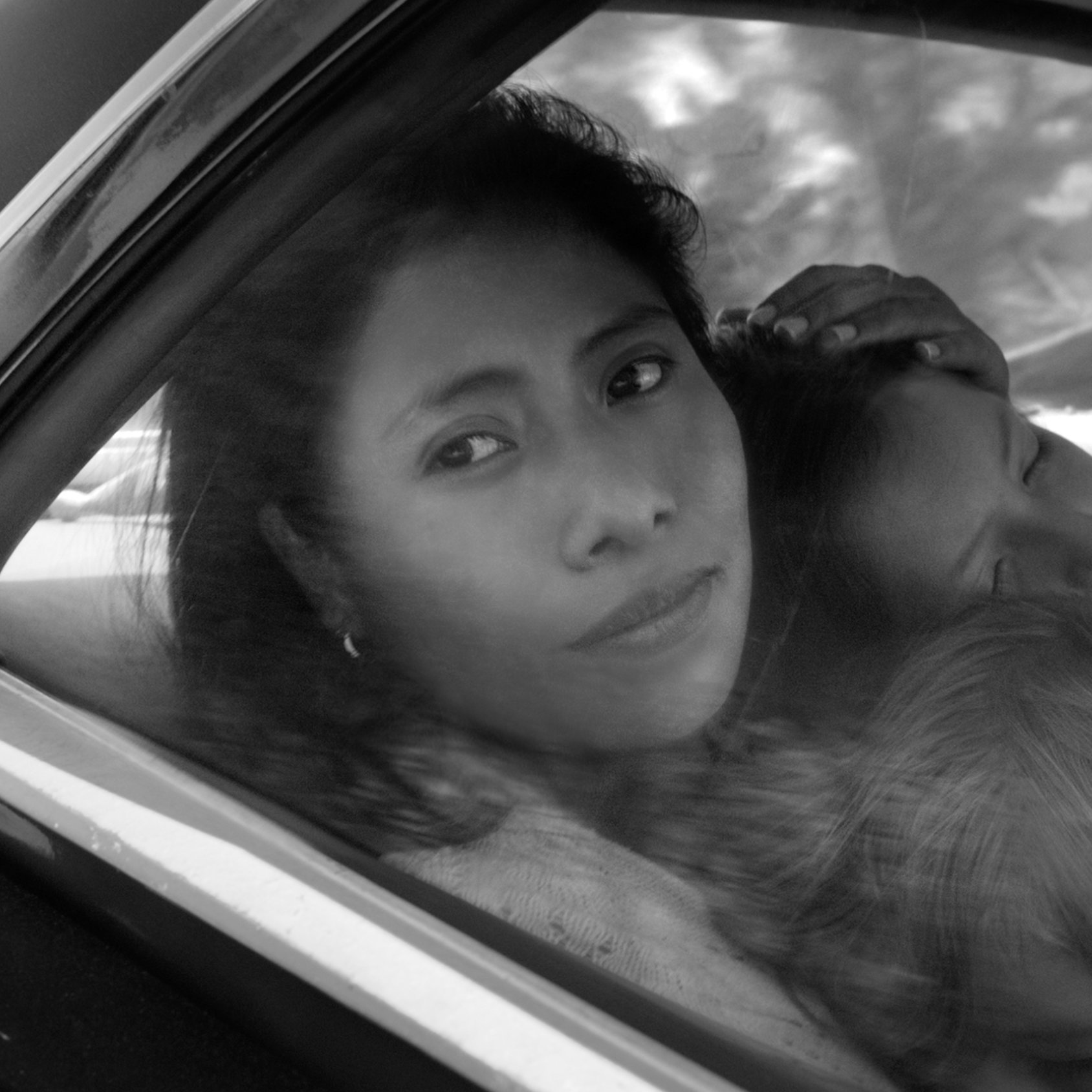
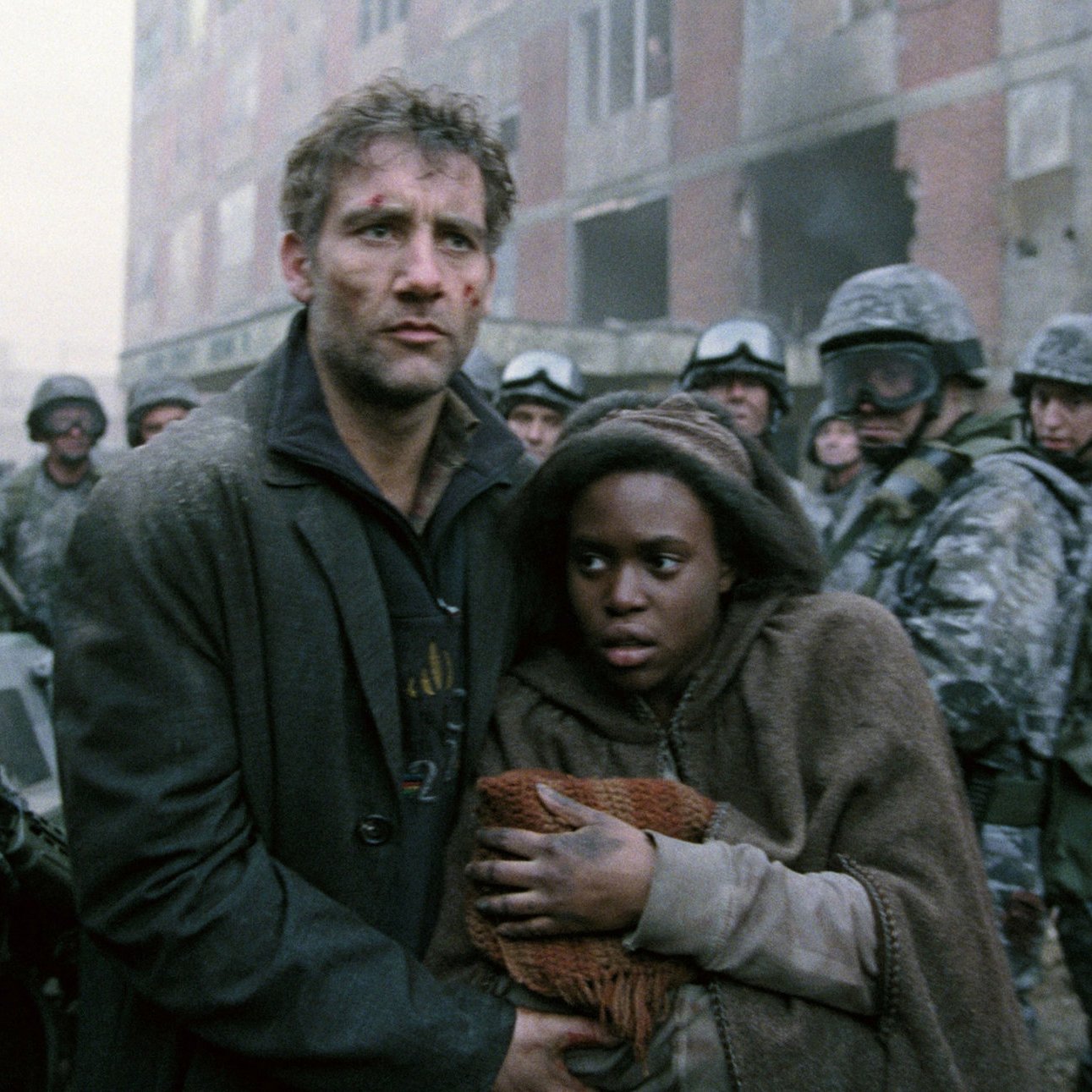
Alfonso Cuaron’s Films Ranked
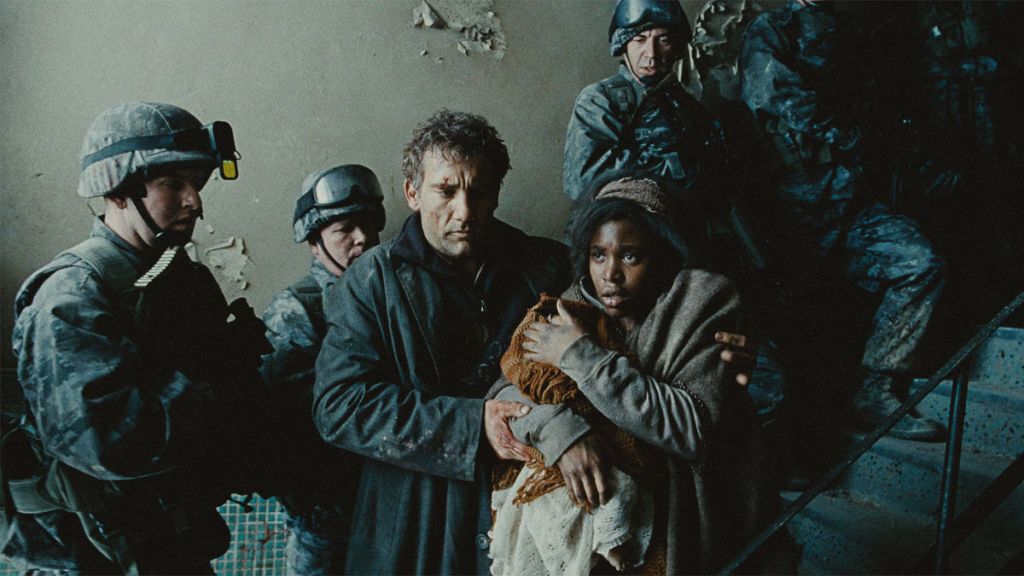
1. Children of Men (2006)
Genre: Dystopian, Drama, Thriller
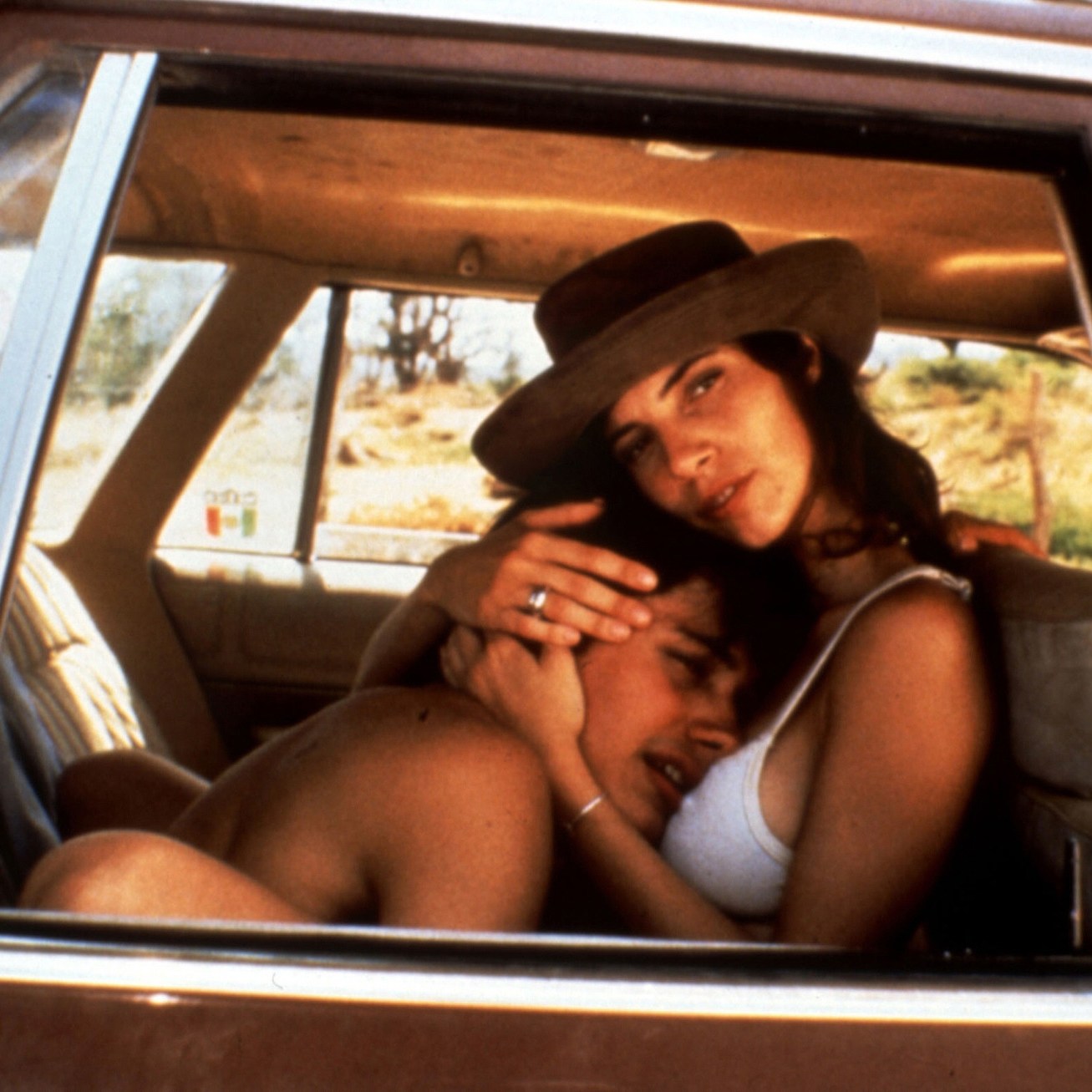
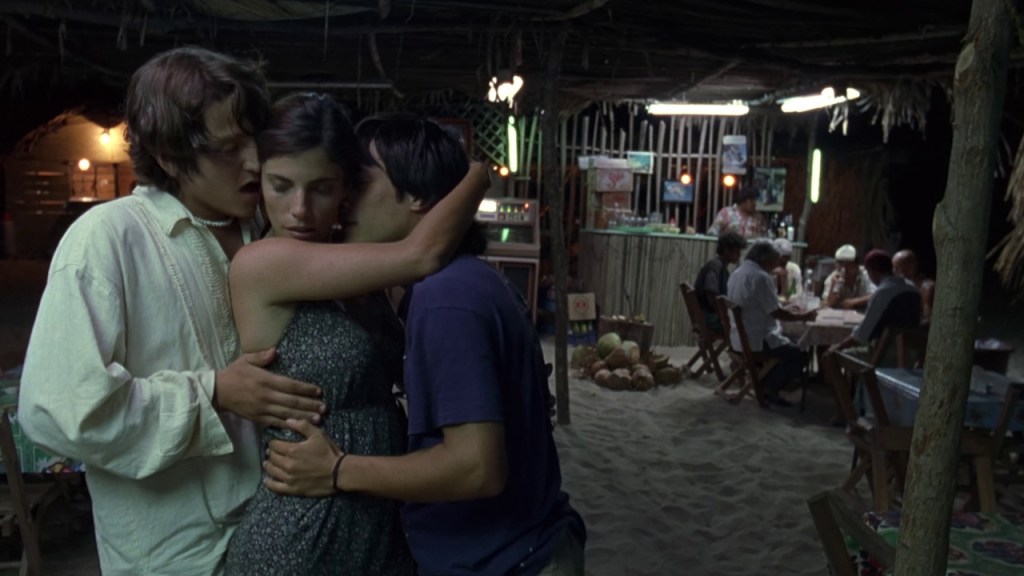
2. Y Tu Mama Tambien (2001)
Genre: Road Movie, Coming-of-Age, Drama, Buddy
3. Roma (2018)
Genre: Drama
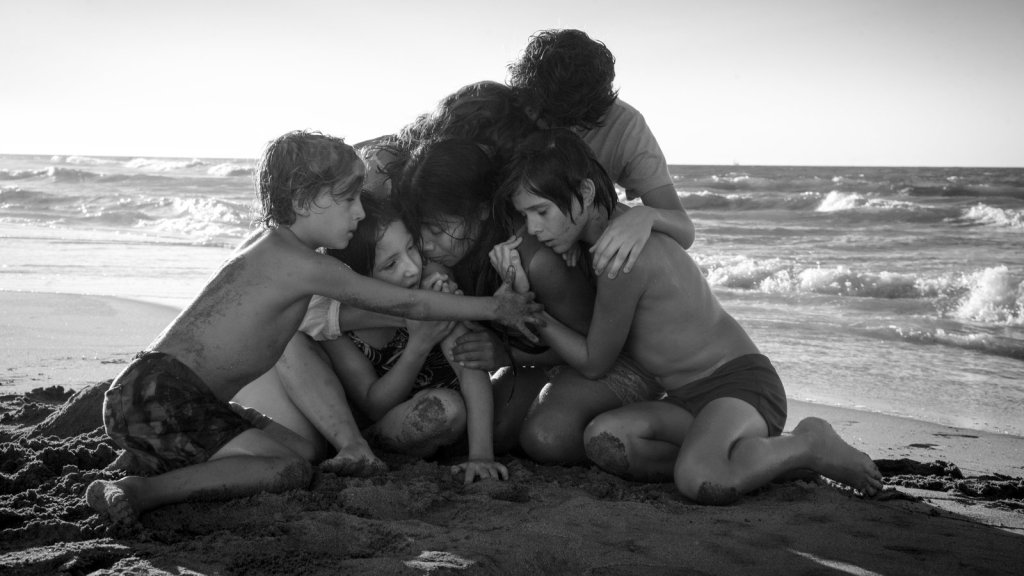
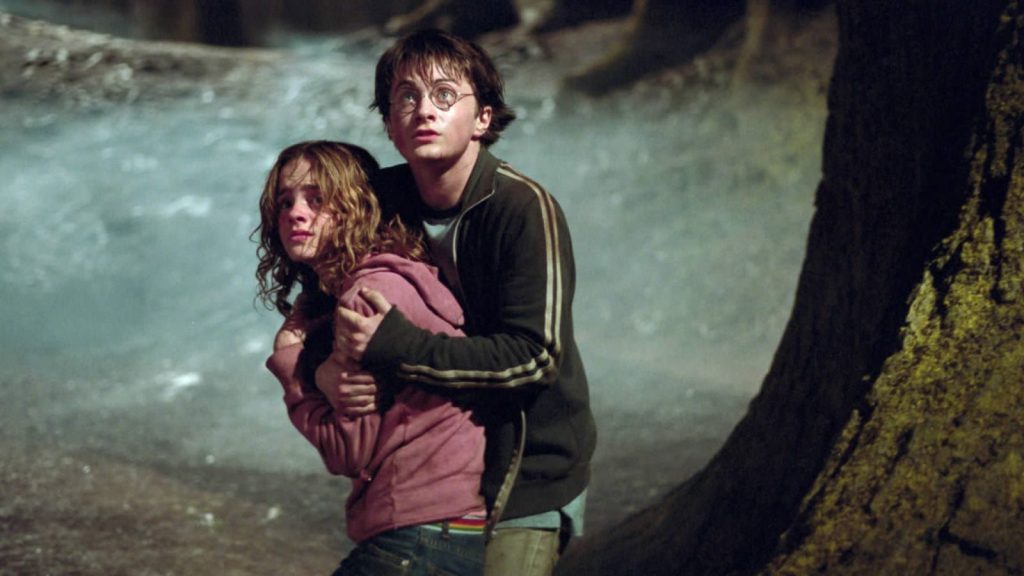
4. Harry Potter and the Prisoner of Azkaban (2004)
Genre: Fantasy, Adventure, Mystery
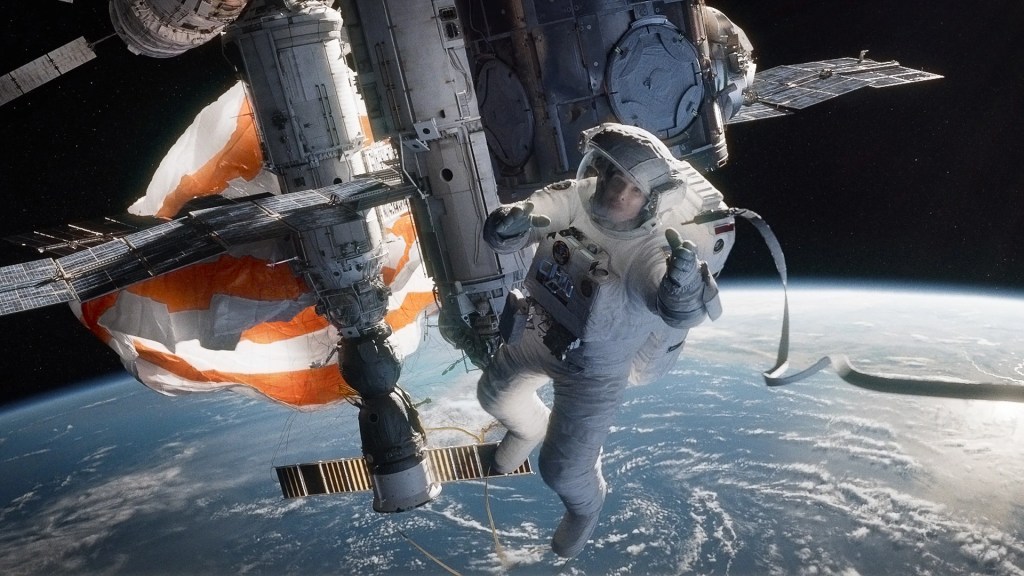
5. Gravity (2013)
Genre: Thriller, Drama, Survival, Space Exploration
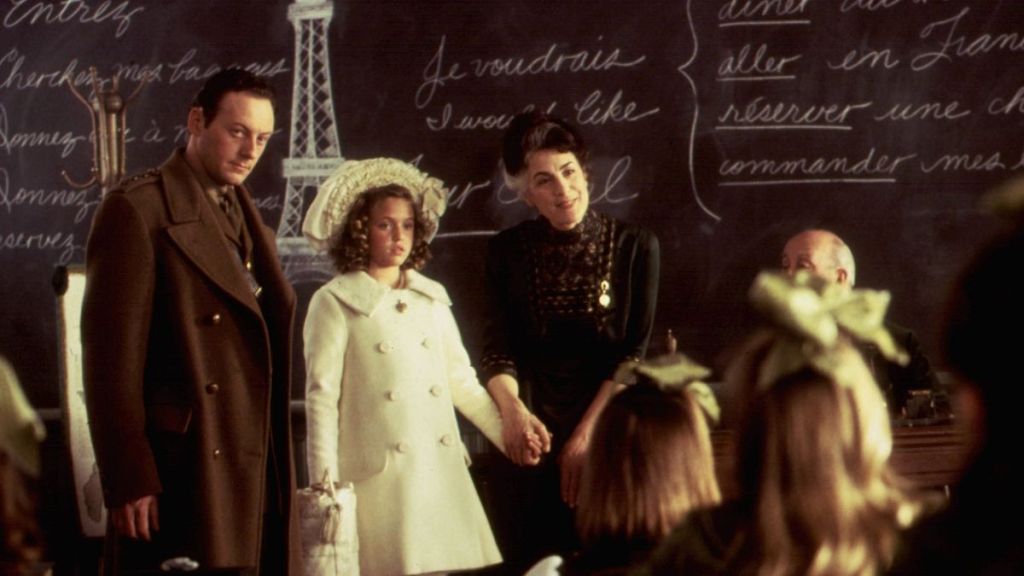
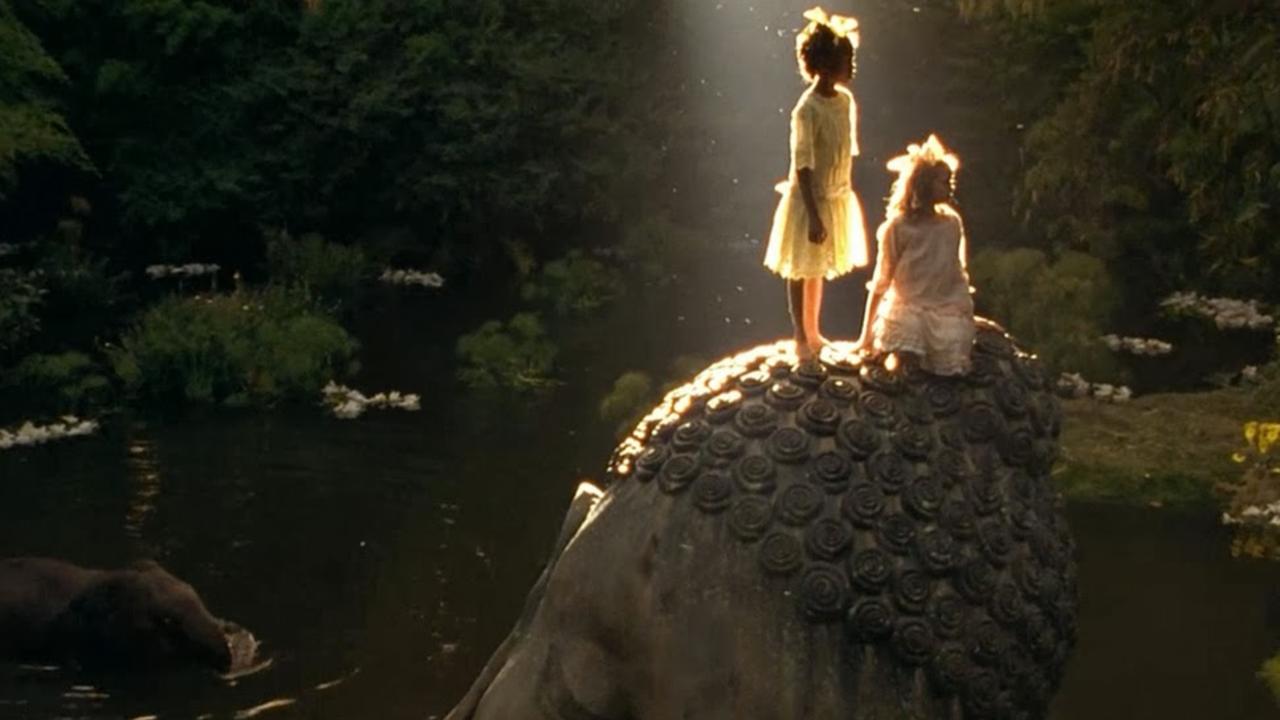
6. A Little Princess (1995)
Genre: Family, Drama
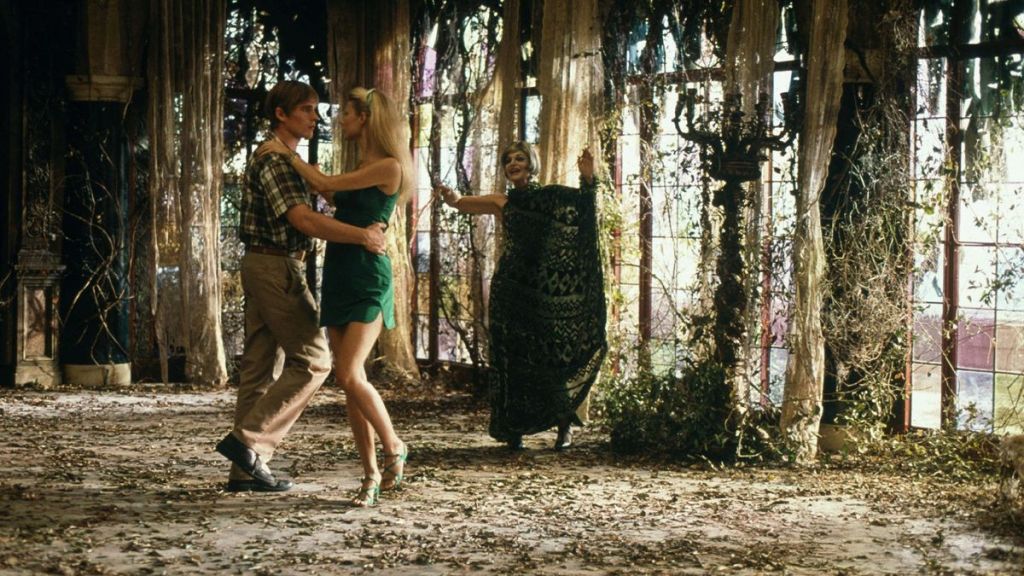
7. Solo con tu Pareja (1991)
Genre: Romantic Comedy, Sex Comedy, Screwball Comedy

8. Great Expectations (1998)
Genre: Drama, Romance
Alfonso Cuaron: Themes and Style
Themes:
- Humanity & Social Commentary: Cuarón’s work often delves into the complexities of human nature and society. Films like Children of Men explore societal decay, hope, and human perseverance in dystopian settings. Roma reflects on personal memories, family dynamics, and social class disparities.
- Journey & Self-Discovery: Many of his films entail a journey, either physical or emotional, leading to self-discovery and transformation for the characters. Y Tu Mamá También focuses on the sexual and emotional coming-of-age of two teenage boys.
- Love & Relationships: His work often delves into the various facets of love and relationships, exploring their depth, complications, and influence on individual lives.
- Visual Storytelling: Cuarón utilises powerful visuals as an essential storytelling device, emphasising the narrative’s emotional and thematic depth.
Styles:
- Long Takes & Tracking Shots: Known for his extensive use of long takes and intricate tracking shots, these techniques immerse the audience into the film’s environment, providing a continuous, unbroken gaze into the narrative. Examples include the famous car scene in Children of Men and the beach scene in Roma.
- Realism & Naturalism: His films often adopt a realistic approach, even in fantastical or dystopian settings, making the stories more relatable and engaging. Gravity, while set in space, portrays the terrifying silence and boundless nature of the cosmos with palpable tension and realism.
- Visual Effects & Cinematography: Cuarón is celebrated for seamlessly blending visual effects with live-action, creating stunning visuals that serve the narrative without overwhelming it. The space debris scenes in Gravity showcase this synergy, providing an immersive experience without compromising the story’s human element.
- Collaborative Approach: Frequently collaborates with the same crew, including cinematographer Emmanuel Lubezki, fostering a synergistic creative environment that enhances the visual and thematic consistency across his films.
Directorial Signature:
- Visual Mastery: Cuarón’s films are visually arresting, often utilising innovative cinematography techniques to tell stories in a distinctive, engaging manner.
- Emotional Depth: Regardless of genre, his films consistently explore the emotional depth of characters, rendering them as multidimensional, relatable individuals navigating through their respective narratives.
- Intimacy Amidst Grandeur: Whether it’s the expansive silence of space in Gravity or the chaotic urban landscape in Children of Men, his films maintain a sense of intimacy and focus on individual characters amidst grand, often overwhelming settings.
- Narrative Duality: Cuarón adeptly balances personal, intimate stories with broader social and existential themes, creating films that are both individually poignant and universally resonant.
Alfonso Cuaron: The 88th Greatest Director


 Bronze Screen Dream