
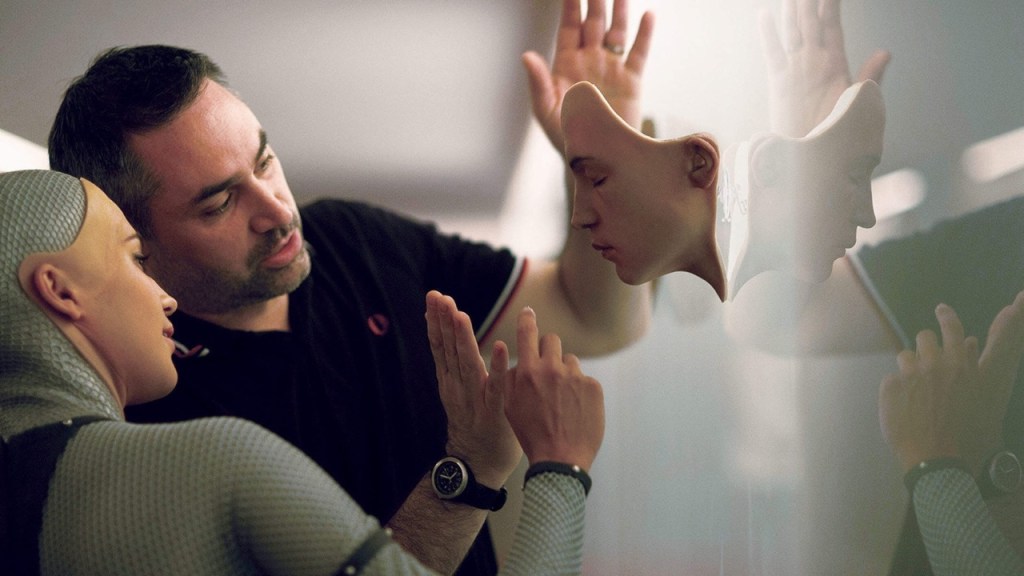
Alex Garland, a British director, screenwriter, and novelist, has made a significant impact in the world of cinema with his distinctive storytelling and directorial style. He first gained recognition as a writer with the novel The Beach, which was later adapted into a film. Garland’s transition to film saw him initially focus on screenwriting, with notable works including 28 Days Later and Sunshine, both directed by Danny Boyle. His directorial debut came with the critically acclaimed science fiction film Ex Machina in 2014, which earned him the Academy Award nomination for Best Original Screenplay. Following this, he directed Annihilation in 2018, a film noted for its complex narrative and visual style.
Garland’s directorial approach is marked by a focus on complex, often existential themes and a penchant for science fiction and psychological drama. In Ex Machina, he explores the nature of consciousness and the ethical boundaries of artificial intelligence, using a minimalistic setting to intensify the drama and interactions between characters. The film is characterised by its slow-burning tension and thought-provoking narrative, hallmarks of Garland’s style. With Annihilation, Garland continued to demonstrate his ability to weave intricate stories, this time delving into themes of self-destruction and the unknown. The film is notable for its striking visual imagery and a narrative that invites multiple interpretations, reflecting Garland’s interest in stories that challenge viewers both visually and intellectually.
Throughout his career, Alex Garland has shown a consistent ability to blend thought-provoking content with compelling visuals. His films often provoke discussions on human nature, consciousness, and the intersection of humanity with technology. He employs a mix of stark, clean visuals and more complex, often surreal imagery to complement his storytelling. Garland’s work is distinguished by his ability to create atmospheric tension and psychological depth, making his films engaging on both an intellectual and emotional level.

Alex Garland (1970 –)
Calculated Films:
- Ex Machina (2015)
- Annihilation (2018)
Similar Filmmakers
- Andrew Niccol
- Ben Wheatley
- Bong Joon-ho
- Christopher Nolan
- Danny Boyle
- Denis Villeneuve
- Duncan Jones
- Gareth Edwards
- Jeff Nichols
- Jonathan Glazer
- Mike Cahill
- Neill Blomkamp
- Nicolas Winding Refn
- Panos Cosmatos
- Rian Johnson
- Ridley Scott
- Shane Carruth
- Steven Soderbergh
Alex Garland’s Top Films Ranked
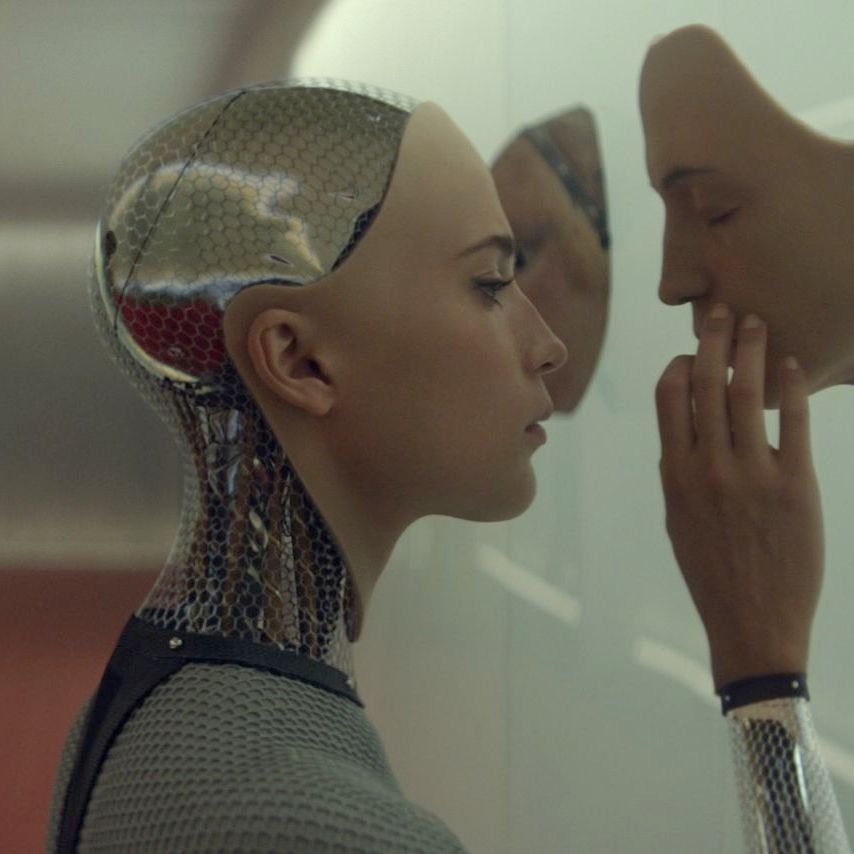
1. Ex Machina (2015)
Genre: Sci-Fi, Psychological Drama, Artificial Intelligence
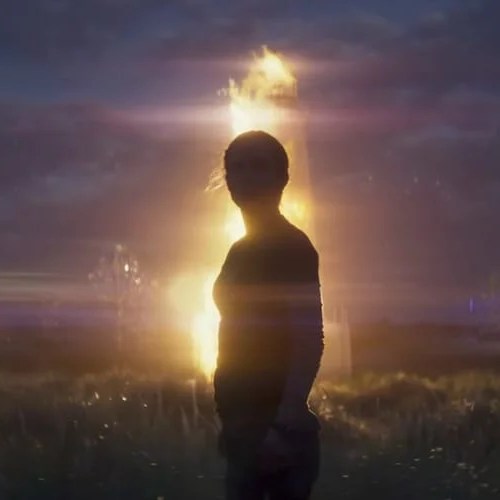
2. Annihilation (2018)
Genre: Sci-Fi, Mystery, Psychological Thriller, Cosmic Horror

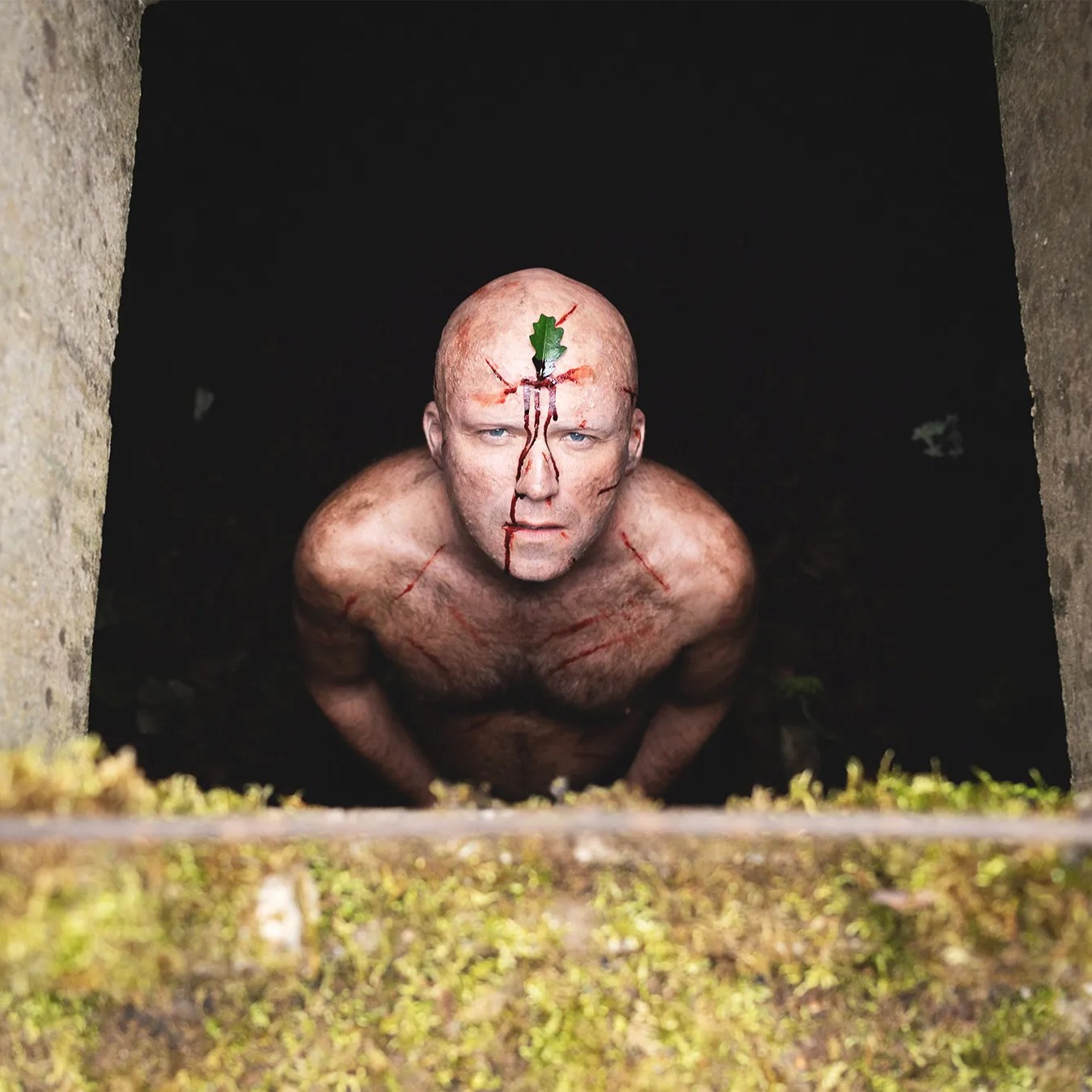
3. Men (2022)
Genre: Psychological Horror, Home Invasion, Folk Horror

Alex Garland: Themes and Style
Themes:
- Artificial Intelligence and Consciousness: Garland often delves into the realms of AI and consciousness. In Ex Machina, he explores the ethical and philosophical complexities of artificial intelligence, questioning what it means to be truly sentient.
- Human Psychology and Morality: His films frequently examine the darker aspects of human psychology and morality. In Annihilation, the characters’ inner demons are as much a threat as the external, mysterious phenomena they face.
- Existential Questions and Identity: Garland’s work is imbued with existential queries about human nature and identity. Ex Machina and Annihilation both challenge the protagonists’ understanding of their own identity and place in the universe.
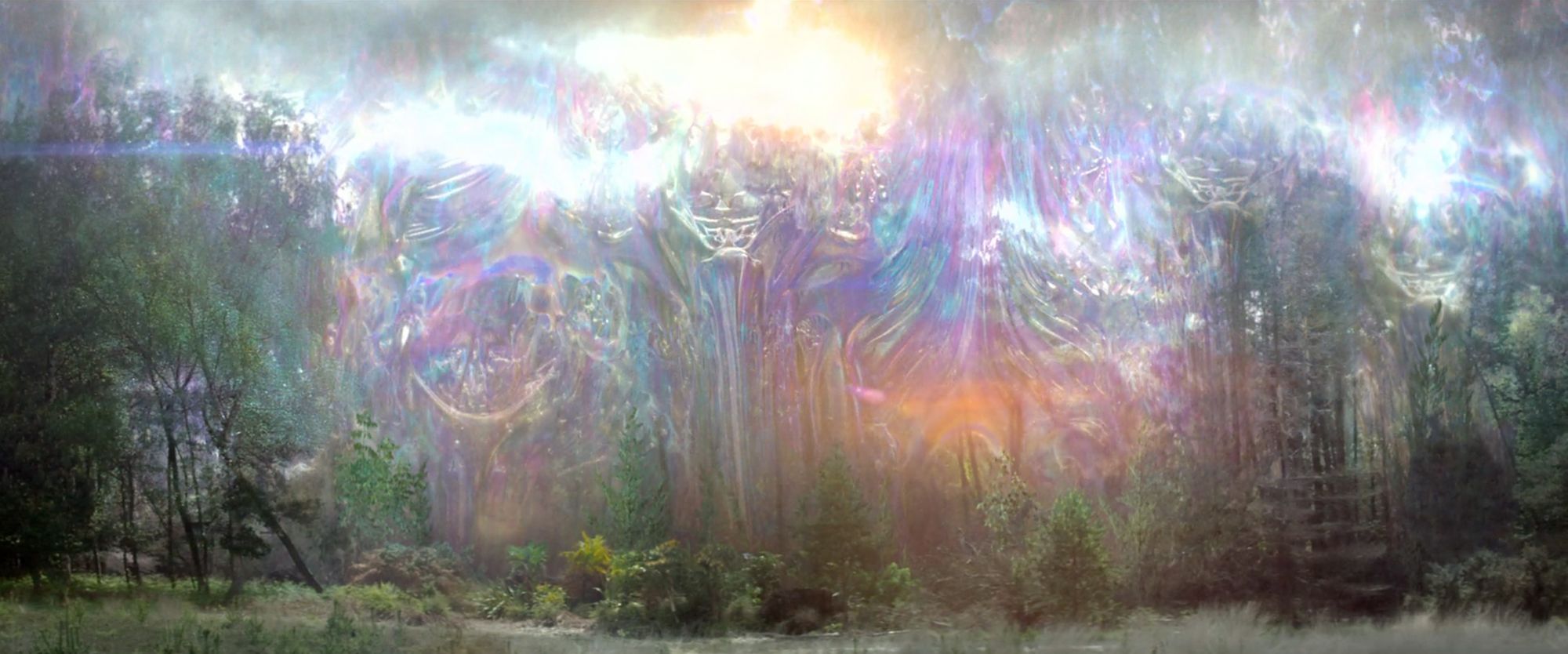
- Nature vs. Technology: A recurring theme is the contrast and conflict between natural and artificial worlds. This is vividly portrayed in Annihilation, where the shimmer represents a collision of genetic and environmental forces with human technology.
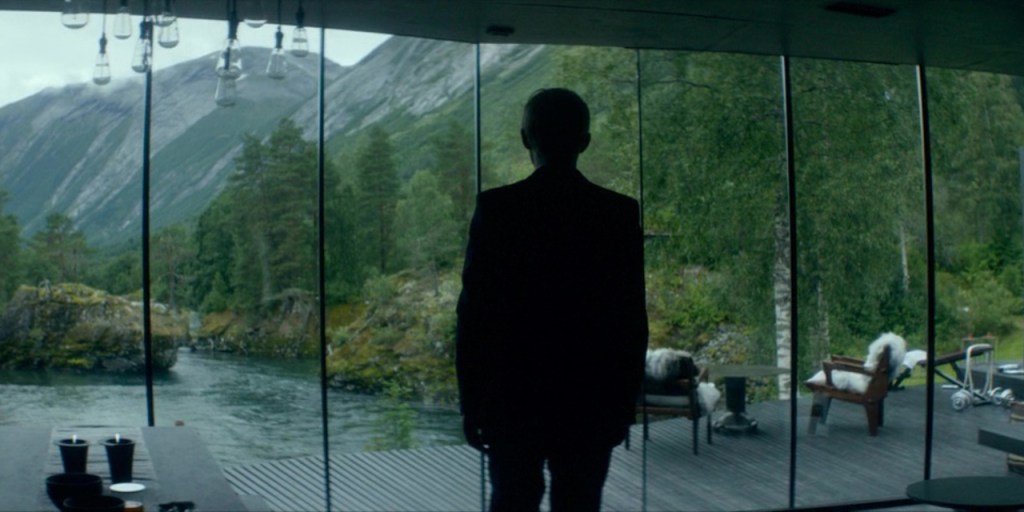
- Isolation and Claustrophobia: There’s a focus on isolated settings that create a sense of claustrophobia and introspection, evident in Ex Machina, set in a remote, high-tech house.
Styles:
- Visual Storytelling: Garland’s films are known for their striking visual style. He uses vibrant, often surreal imagery to complement the narrative, as seen in the mutating landscapes of Annihilation.
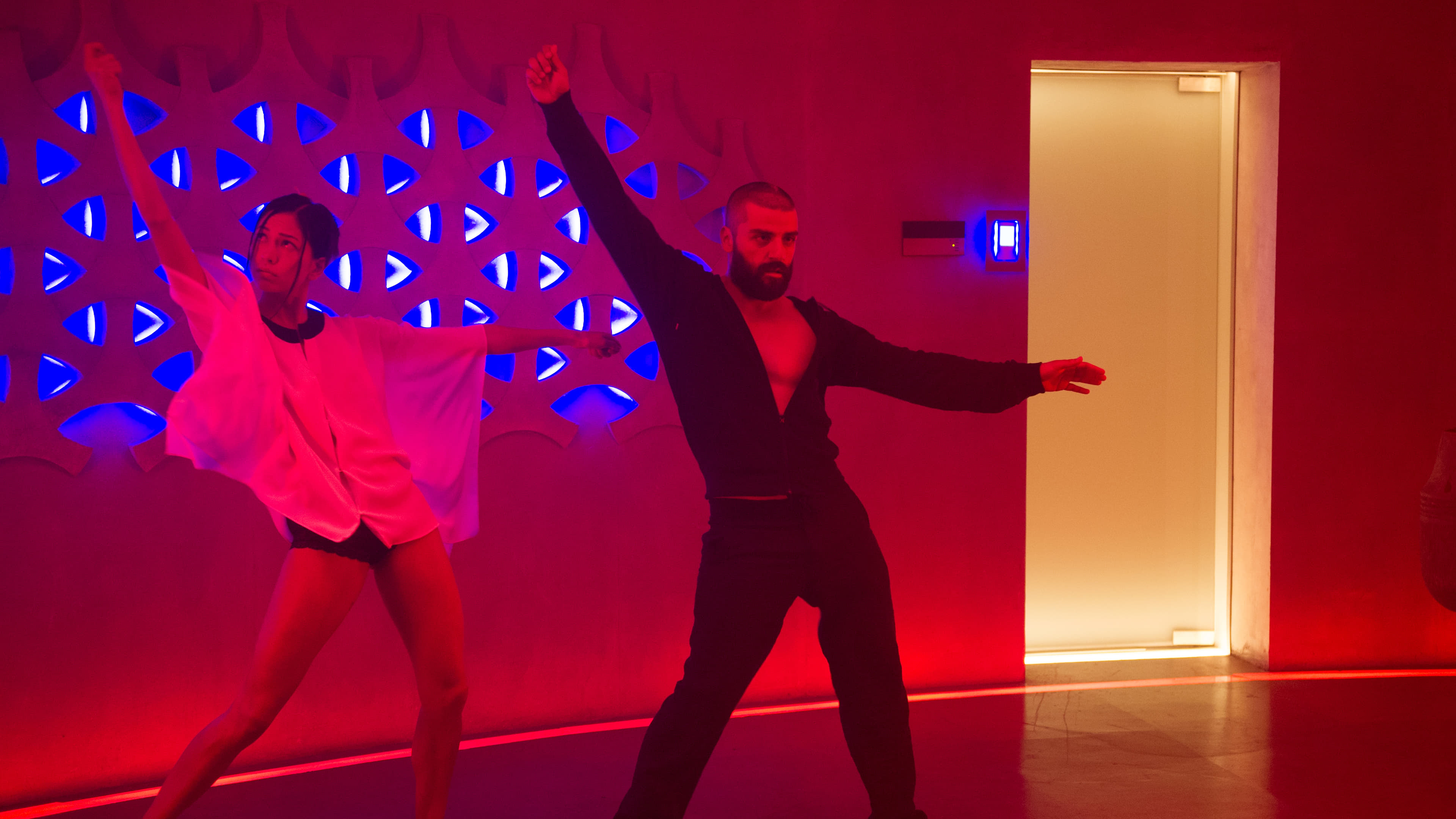
- Deliberate Pacing: His storytelling is marked by a slow, deliberate pace that builds tension and allows for deep character development, effectively utilised in Ex Machina to heighten the suspense and complexity of the plot.
- Ambiguous Endings: Garland often employs ambiguous endings that leave certain plot elements open to interpretation, inviting viewers to think deeply about the implications of the story, as seen in both Ex Machina and Annihilation.
- Atmospheric Sound Design: He makes extensive use of sound design to create an immersive atmosphere, using a mix of natural and synthesised sounds to complement the mood and themes of his films.
- Intelligent Screenwriting: Garland is lauded for his clever and thought-provoking screenplays, which often feature complex characters and intricate plots, demanding active viewer engagement.
Directorial Signature:
- Focus on Small, Intimate Casts: Garland tends to work with small, intimate casts, allowing for more intense character exploration and dynamic interpersonal relationships, as seen in the concentrated cast of Ex Machina.
- Technological Themes and Aesthetics: A signature aspect of Garland’s work is his focus on technology, both as a theme and an aesthetic element. His films frequently incorporate advanced technology and its implications, set against sleek, modern backdrops.
Alex Garland – Great Director

 Bronze Screen Dream