
Alejandro Jodorowsky is a Chilean-French filmmaker known for his surrealistic and symbolic style that often confronts the norms of traditional cinema. He is recognised as one of the pioneers of the midnight movie phenomenon with his cult classics El Topo and The Holy Mountain. Jodorowsky’s work extends beyond cinema into performance art, comic books, and spiritual philosophy, making him a multidimensional figure in the arts.
Recurring themes of spirituality, metaphysics, and the exploration of the subconscious characterise Jodorowsky’s films. His narratives often blend reality and fantasy, utilising surreal imagery and complex symbolism to explore deeper psychological and philosophical concepts. His approach to filmmaking is largely nonconformist, frequently challenging traditional narrative structures and cinematic conventions. In The Holy Mountain, for instance, Jodorowsky presents a narrative steeped in allegorical symbolism, exploring themes of enlightenment and spiritual awakening.
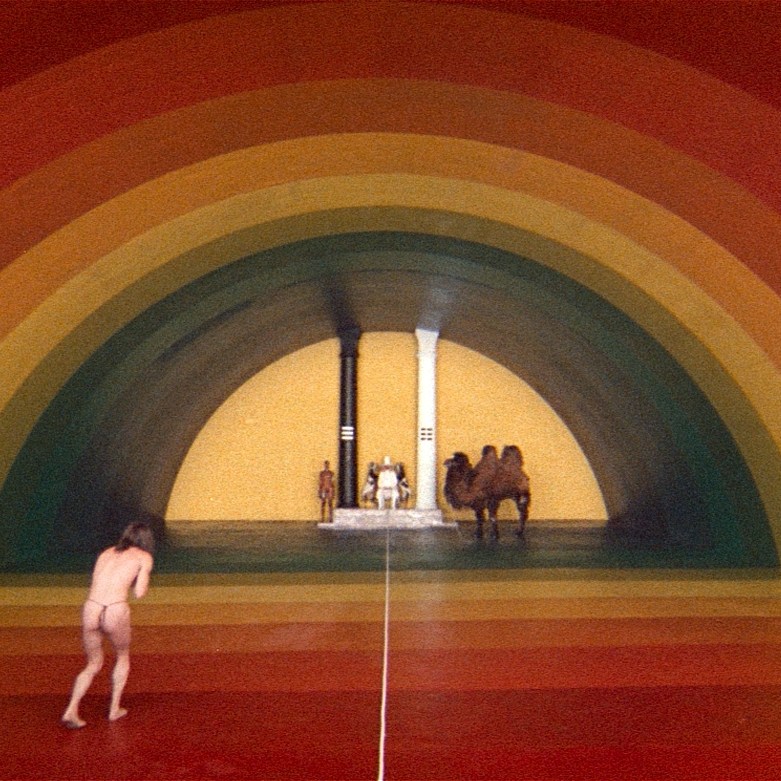
Jodorowsky’s style is visually marked by its audacious and often controversial use of colour, composition, and visual symbolism. His films are characterised by their lush, dreamlike imagery and elaborate set designs that contribute to their surrealistic aesthetic.
What distinguishes Jodorowsky as a special director is his unique blend of surrealism, spirituality, and philosophical exploration, which has created his own distinctive cinematic language. While often confounding in their complexity, his films resonate with audiences due to their profound exploration of universal themes and the human psyche. Jodorowsky’s audacious visual style and nonconformist approach have made him a cult figure in cinema, influencing generations of filmmakers in surreal and avant-garde cinema.
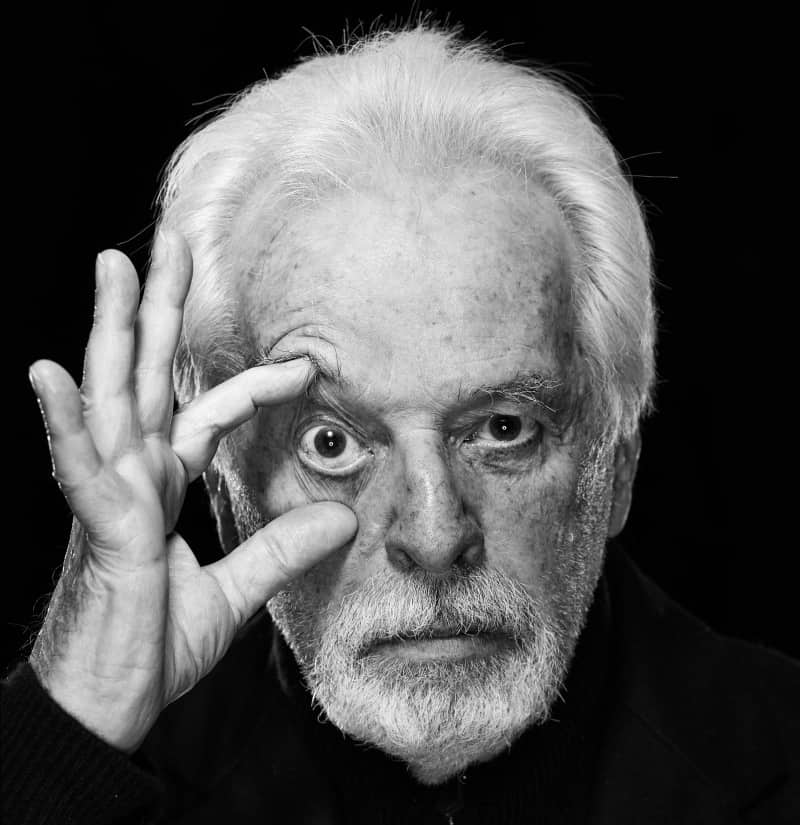
Alejandro Jodorowsky (1929 – -)
Calculated Films:
- El Topo (1970)
- The Holy Mountain (1973)
- Santa Sangre (1989)
- The Dance of Reality (2013)
- Endless Poetry (2016)
Similar Filmmakers
- Andrei Tarkovsky
- David Lynch
- Dusan Makavejev
- E. Elias Merhige
- Federico Fellini
- Fernando Arrabal
- Quay Brothers
- Shuji Terayama
- Terry Gilliam
- Tod Browning
- Walerian Borowczyk
- Werner Herzog

Alejandro Jodorowsky’s Films Ranked
1. The Holy Mountain (1973)
Genre: Surrealism, Satire, Adventure

2. Santa Sangre (1989)
Genre: Psychological Thriller, Surrealism, Drama

3. Endless Poetry (2016)
Genre: Biographical, Surrealism
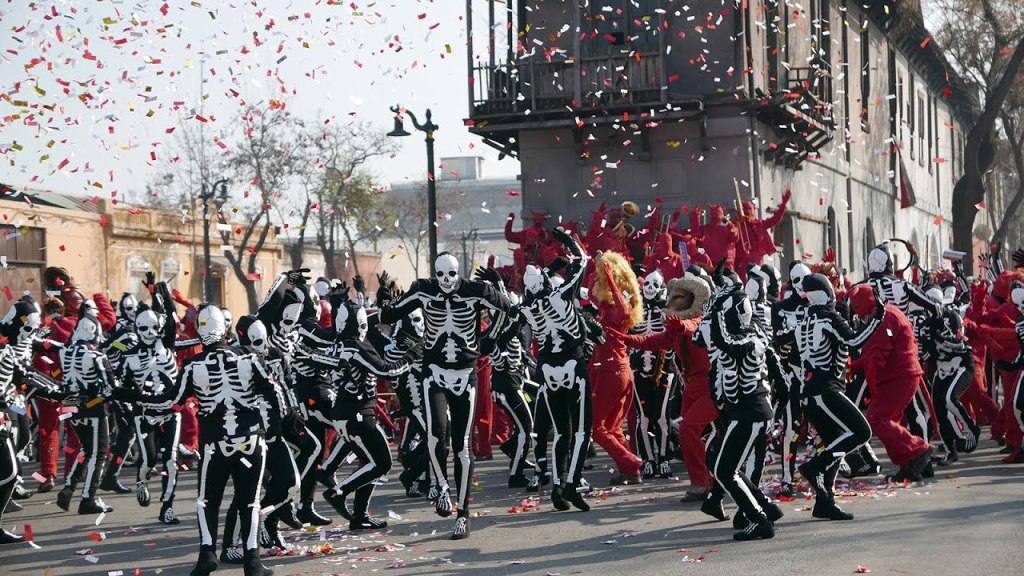
4. El Topo (1970)
Genre: Surrealism, Acid Western, Satire
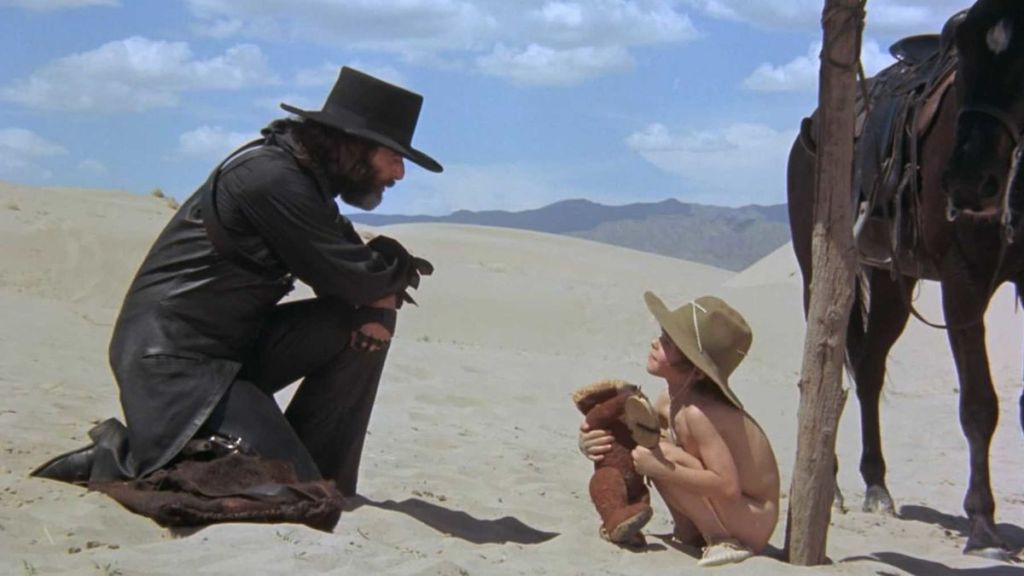
5. The Dance of Reality (2013)
Genre: Biographical, Surrealism, Political Drama, Drama, Magical Realism

6. Fando and Lis (1968)
Genre: Surrealism, Adventure, Romance
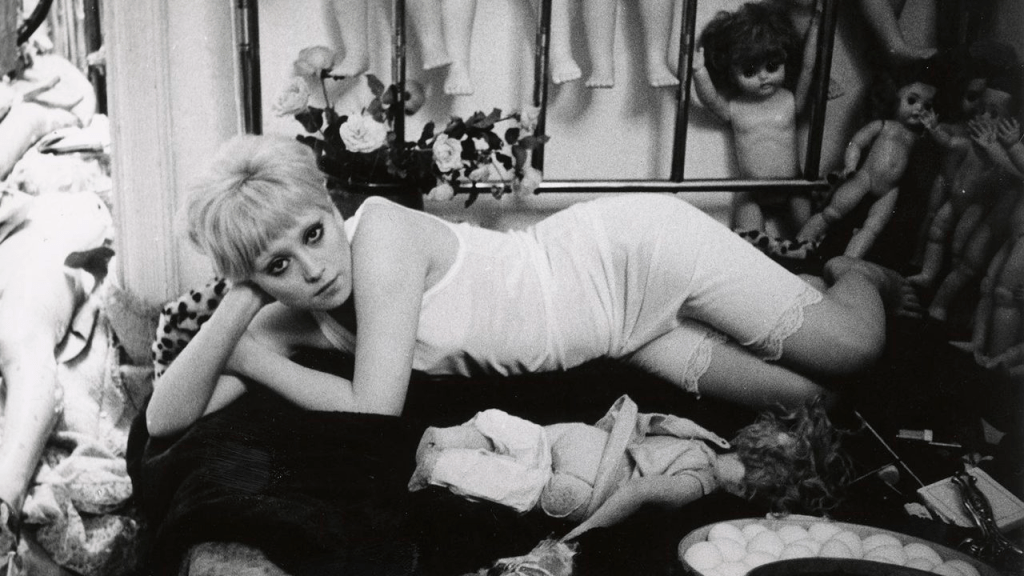
7. The Rainbow Thief (1990)
Genre: Drama
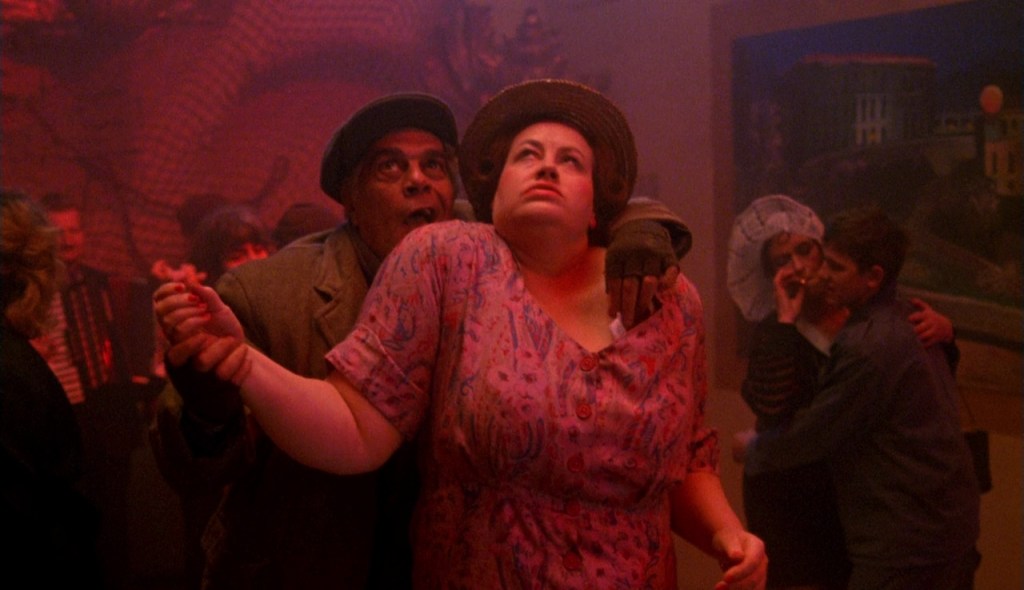
8. Tusk (1980)
Genre: Drama, Adventure

Alejandro Jodorowsky: Surreal Tales from the Cosmic Tarot
Tocopilla, Chile, is an unlikely birthplace for cinema’s greatest surreal provocateur, but it was where Alejandro Jodorowsky was born to Ukrainian-Jewish immigrants. His formative years were marked by a surreal juxtaposition of an arid desert landscape and a cosmopolitan array of ideas brought in by European emigrants. Here, the seeds of his unbridled imagination and penchant for breaking boundaries were sown.
From his boyhood, Jodorowsky demonstrated an insatiable appetite for the arts, consuming everything from Russian literature to puppetry. His multifaceted interests became a hallmark of his style—blurring lines, defying convention, and melding seemingly disparate elements.
After moving to Paris in the 1950s, Jodorowsky apprenticed under the mime master Marcel Marceau. In the silent world of mime, Jodorowsky learned to articulate profound emotion and narrative without words—a technique that would serve him exceptionally in film.
Alongside Fernando Arrabal and Roland Topor, Jodorowsky birthed the Panic Movement in 1962. This avant-garde, absurdist, and occasionally disturbing theatrical movement directly reacted to Surrealism and the tumultuous socio-political atmosphere of the time. Think of it as an artistic anarchy—chaotic, unpredictable, and confronting societal norms. Within this ambience of anarchic theatre, Jodorowsky conceptualised his directorial debut, Fando y Lis.
Fando y Lis, adapted from an Arrabal play, paints a phantasmagoric post-apocalyptic world replete with bizarre rituals and landscapes. It wasn’t what you could call a hit; it ignited a riot at its Acapulco Film Festival premiere. But it was just a harbinger of the chaos Jodorowsky would summon.
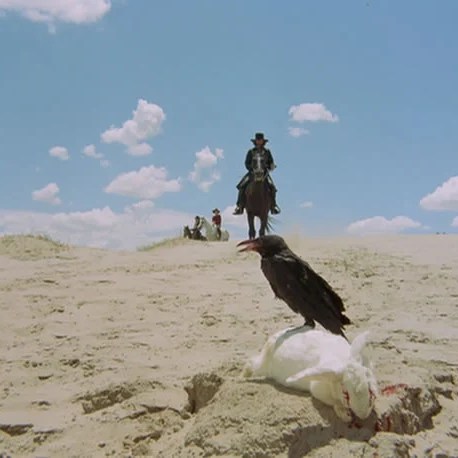
In 1970, the world met El Topo (The Mole), a film so audacious, so steeped in allegory and surrealism, it beggars belief. Often dubbed as the first “acid Western,” it’s a wild meld of East meets West, spaghetti westerns meets Eastern mysticism. Imagine a Sergio Leone film baptised in the psychedelic waters of the 1960s counterculture. Its narrative, if it can be called that, follows a black-clad gunslinger on a metaphysical quest through the desert.
The movie is a tableau of striking visuals and allegories, invoking comparisons with contemporaneous visionaries like Federico Fellini or Luis Buñuel, yet unmistakably Jodorowskian. El Topo would become a sensation at midnight movie circuits, integrating him into the counterculture.
With the backing of Beatles’ member John Lennon and manager Allen Klein, Jodorowsky embarked on his 1973 magnum opus, The Holy Mountain. A dizzying kaleidoscope of satire, spiritualism, and alchemical symbolism, the film transcends whatever narrative it has. Akin to Hieronymus Bosch’s paintings springing to motion, peppered with consumerism, militarism, and religion critiques.
Never straightforward, Jodorowsky made the film in a decidedly odd way. In the lead-up to filming, the director and his core cast underwent three months of strict spiritual training, embracing meditation, tarot, and even communal living.
By 1973, Jodorowsky was an odd figure in cinema; he had the anarchic surrealism of Bunuel, the spirituality of Tarkovsky and the audacity of Herzog and yet, no one could predict that Jodorowsky’s high was about to fall.
Following the staggering undertaking of The Holy Mountain, Jodorowsky experienced what might be termed a ‘visionary hangover’. While critically divisive, the film firmly entrenched his status as a maverick filmmaker, one who was equally adored and derided.
Post-The Holy Mountain, Jodorowsky embarked on what would have been one of the most ambitious film projects ever: an adaptation of Frank Herbert’s sci-fi novel, “Dune.” His vision was grandiose: Salvador Dalí, Orson Welles, and Mick Jagger were slated to star, while Pink Floyd was in talks for the score. This “Dune” was not to be a mere adaptation but an attempt to simulate the psychedelic experience on film.
Unfortunately, despite assembling an all-star production team and a stunning, detailed storyboard, Jodorowsky’s “Dune” floundered due to financial constraints and Hollywood scepticism. Though the film was never made, its spiritual fingerprints can be seen in subsequent sci-fi classics, from Star Wars to Blade Runner. Unfortunately, with it, Jodorowsky’s cinematic passion seemed to leave, leading to him making Tusk far removed from his surreal works, which was a failure.
As cinema’s doors seemed to narrow, Jodorowsky found another medium to express his boundless creativity: comics. Using elements of “Dune” and teaming up with artist Mœbius (Jean Giraud), he birthed “The Incal,” a sprawling space opera that combined their mutual love for the fantastical and the spiritual. This was just the beginning. Jodorowsky’s comic universe expanded with series like “Metabarons” and “Technopriests.”
In 1989, Jodorowsky returned to cinema with Santa Sangre, a hauntingly macabre tale inspired by a real-life Mexican serial killer. A fusion of horror, tragedy, and surrealism, it’s a film that, akin to Fellini’s La Strada, showcases the thin line between circus, religion, and madness.
Again, lost in the cinematic void, Jodorowsky continued his other great passion, spirituality. As a spiritual guide, Jodorowsky developed “psychomagic,” a therapeutic practice that marries the symbolic power of ritual and art to heal personal traumas. Not merely content with its theoretical framework, he showcased it in the documentary Psychomagic, a Healing Art, blurring lines between cinema, therapy, and real-life transformation.
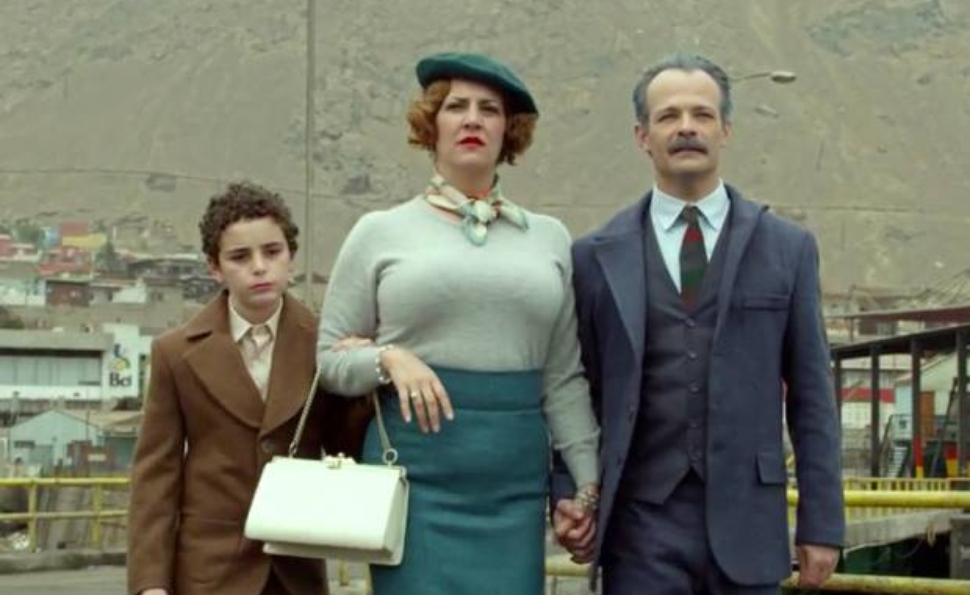
The 2010s saw Jodorowsky’s poignant cinematic return with autobiographical pieces: The Dance of Reality and Endless Poetry. Both films, infused with his characteristic surreal touch, explore his own childhood and youth, celebrating the vibrant tapestry of life and art.
Jodorowsky’s profound impact on cinema is undeniable. Directors like Nicolas Winding Refn, who openly acknowledges his debt, and Guillermo del Toro, with his penchant for blending the macabre and the magical, owe a significant part of their aesthetic to Jodorowsky’s trailblazing vision. His influence extends beyond directors. The tentacles of his “Dune” can be felt in design, storytelling, and the broader realm of sci-fi.
Alejandro Jodorowsky remains an enigma—a maverick director, poet, comic writer, and spiritual guru. His voice refuses to be pigeonholed, always pushing, prodding, and provoking. He doesn’t just make films or write comics; he makes Jodorowsky films and comics.
Most Underrated Film
Let’s talk about his most personal and underrated film: Endless Poetry. Continuing his autobiographical exploration in The Dance of Reality, this 2016 work plunges into Jodorowsky’s coming-of-age years in Chile’s bohemian Santiago.
Shunning traditional production routes, Jodorowsky turned to crowdfunding, which speaks volumes about the director’s rapport with his audience. Even in his late 80s, he dared to seek a direct relationship with his audience, bypassing traditional film industry machinery. But with this independence came criticisms. Some viewed Endless Poetry as indulgent; others opined that its magical realism felt forced compared to the raw power of his earlier works. There were murmurs about its autobiographical approach, suggesting it lacked the universal resonance of El Topo or The Holy Mountain.
Yet, it’s hard not to fall for Endless Poetry. It’s a lush, poignant reflection on youth, passion, and the ceaseless quest for meaning. It showcases an octogenarian reconnecting with his fiery youth, rendering intimate experiences with an exuberance and theatricality only Jodorowsky can. The director’s son, Brontis Jodorowsky, delivers a passionate performance, further blurring the lines between film and reality, art and lineage.
Although best known for his tumultuous surrealism, Endless Poetry goes against the grain, feeling like a gentler mellower film. It’s not about grand metaphysical quests but about the intimate journeys we undertake within ourselves and our memories. It deserves much more than the fleeting glance critics and audiences have given it.
Alejandro Jodorowsky: Themes and Style
Themes:
- Metaphysical Quests: Jodorowsky’s characters often embark on journeys of spiritual and self-discovery, plumbing the depths of human consciousness.
- Religion & Mysticism: His films are suffused with religious imagery and symbolism, drawing from Christianity, Eastern spirituality, tarot, and alchemy.
- Subversion & Surrealism: Challenging societal norms and cinematic conventions, Jodorowsky’s work frequently veers into surreal, dreamlike terrains.
- Parent-Child Relationships: A recurring motif, exemplified in Santa Sangre and The Dance of Reality, delves into the complexities of familial ties.
- Circus & Performance: The theatricality of performance, whether in the circus ring or the stage, plays a significant role, often as an allegory for life itself.
Styles:
- Visual Extravagance: Jodorowsky’s films boast a distinctive visual palette characterized by lavish set designs, intricate costumes, and mesmerising colour schemes.
- Non-linear Narratives: Traditional narrative structures are eschewed in favour of episodic, allegorical, and often fragmented storytelling.
- Melding Genres: His films, while rooted in specific genres (e.g., Western in El Topo), often transcend them, interweaving elements from various cinematic traditions.
- Symbolic Imagery: Every frame in a Jodorowsky film is laden with symbols and metaphors, demanding interpretation.
- Eclectic Soundscapes: His films feature a varied sonic landscape, ranging from haunting orchestral pieces to psychedelic rock.
Directorial Signature:
- Intense Preparation: Jodorowsky is known for his rigorous pre-filming rituals. For The Holy Mountain, for instance, he and his cast underwent months of spiritual training.
- Autobiographical Elements: Especially in his later works, Jodorowsky infuses personal memories and experiences, blurring the lines between reality and fiction.
- Provocation: He never shies away from shocking or unsettling his audience, using taboo subjects, grotesque imagery, and intense emotional triggers.
- Collaboration with Family: Jodorowsky often casts family members in significant roles. His sons, Brontis and Adan, have played key roles in several films.
- Healer’s Touch: Beyond just entertainment, Jodorowsky approaches cinema as a healing tool, an ethos evident in his creation of ‘psychomagic’ and its application in films.
Further Reading
Books:
- The Spiritual Journey of Alejandro Jodorowsky by Alejandro Jodorowsky – The filmmaker describes his spiritual journey and the influences on his life and art.
- El Topo: A Book of the Film by Alejandro Jodorowsky – The script and behind-the-scenes insights of one of Jodorowsky’s most iconic films.
Articles and Essays:
- The Psychomagical Realism of Alejandro Jodorowsky by Eric Benson, The New York Times
- Alejandro Jodorowsky: Reiterating Chaos, Rattling the Cage of Representation by Robert Neustadt, Chasqui
- Producing and Explaining Charisma: A Case Study of the Films of Alejandro Jodorowsky by Jeremy Guida, Journal of the American Academy of Religion
- Jodorowsky, Alejandro by David Church, Senses of Cinema
Documentaries:
- Jodorowsky’s Dune (2013), directed by Frank Pavich – A documentary about Jodorowsky’s ambitious but unfulfilled project of adapting “Dune.”
Alejandro Jodorowsky: The 238th Greatest Director



 Bronze Screen Dream