
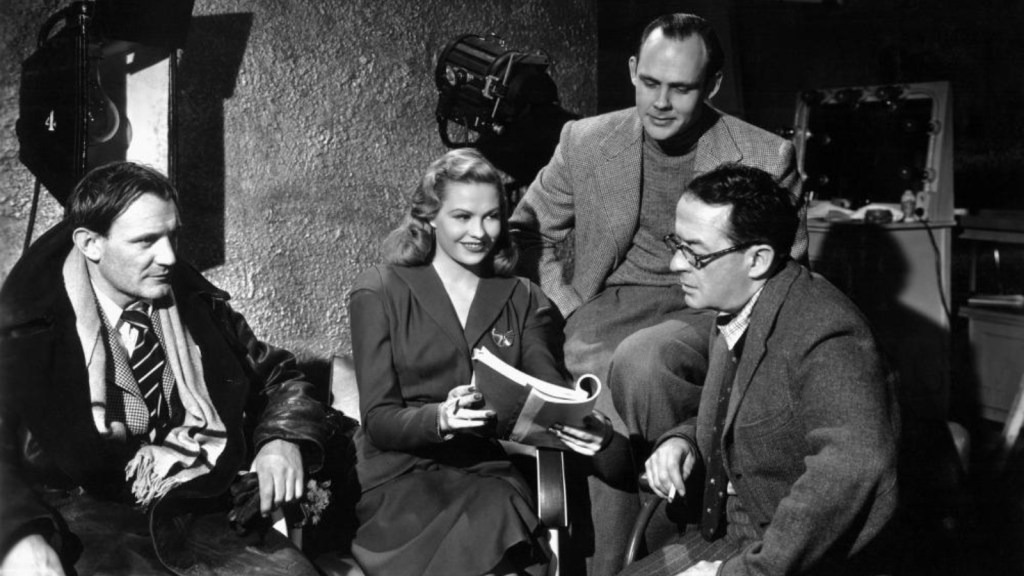
Alberto Cavalcanti was a Brazilian film director and producer whose significant contributions to cinema spanned various countries and genres. He is particularly renowned for his work in the British film industry, where his innovative approach to sound and documentary filmmaking left an indelible mark. Cavalcanti’s films are best known for their artistic realism, pioneering use of sound, and a keen focus on the social and cultural landscapes of the times, making significant strides in both documentary and narrative cinema.
Cavalcanti’s career began in France, where he was instrumental in the avant-garde movement of the 1920s, experimenting with abstract film forms and sound design, evident in his early works like Rien que les heures, which captures the rhythm and pace of urban life. His move to the UK brought him into the orbit of the British Documentary Movement, where he worked for the GPO Film Unit under John Grierson. During this period, his contributions to films such as Night Mail highlighted his innovative use of sound to enhance the narrative, a technique that would become a hallmark of his style. Cavalcanti’s ability to blend poetic realism with social commentary was further showcased during his tenure at Ealing Studios, where he directed notable features like Went the Day Well?, a film that exemplifies his skill in using suspense and allegory to reflect on wartime Britain.
Cavalcanti’s work often delved into the lives of ordinary people, imbuing his films with a sense of authenticity and empathy. This is evident in his later Brazilian films, where he explored national identity and cultural heritage, such as in O Canto do Mar. Cavalcanti’s visual style, characterised by its expressive use of lighting and composition, drew from his avant-garde roots, enriching his films with a deep sense of atmosphere and place.
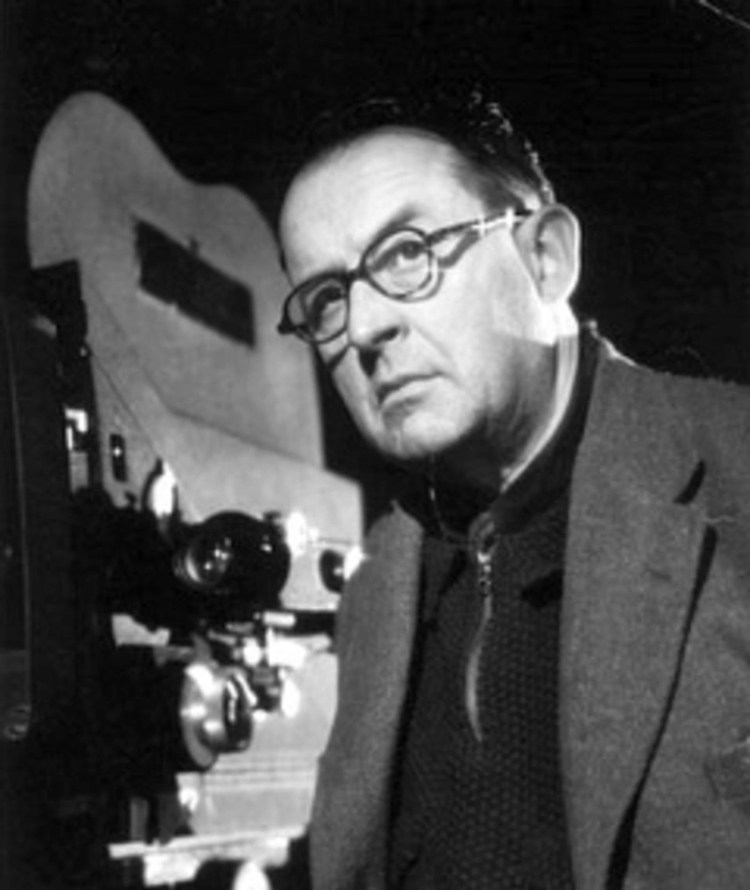
Alberto Cavalcanti (1897 – 1982)
Calculated Films:
- Coal Face (1935)
- Yellow Caesar (1941)
- Went the Day Well? (1942)
- Dead of Night (1945)
Similar Filmmakers
- Alexander Mackendrick
- Basil Dearden
- Basil Wright
- Charles Crichton
- Edgar Anstey
- Germaine Dulac
- Harry Watt
- Humphrey Jennings
- Jack Clayton
- Jean Vigo
- John Grierson
- Joris Ivens
- Paul Rotha
- Rene Clair
- Robert Hamer
- Thorold Dickinson
- Walter Ruttmann
- Walter Summers


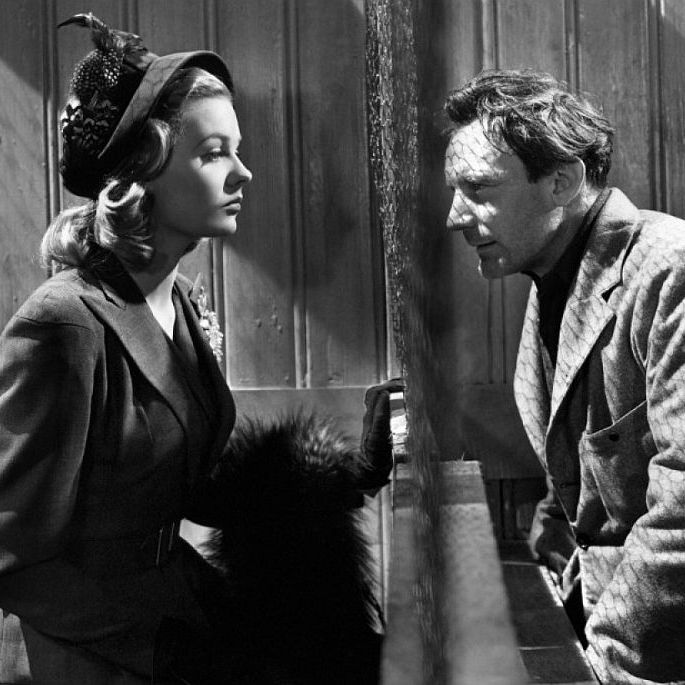
Alberto Cavalcanti’s Top 5 Films Ranked
1. Went the Day Well? (1942)
Genre: War, Propoganda Film
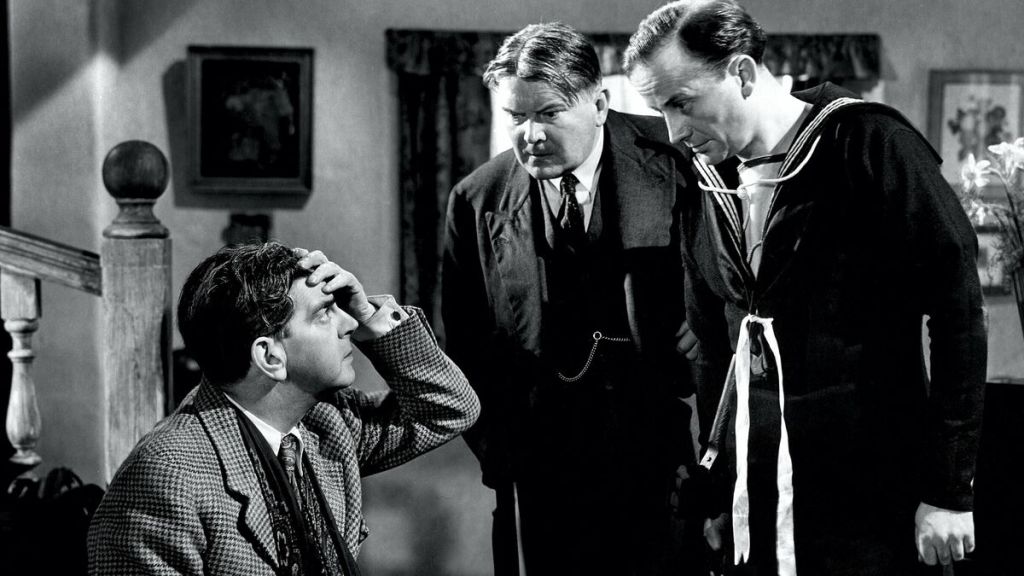
2. Dead of Night (1945)
Genre: Anthology Film, Psychological Horror

3. They Made Me a Fugitive (1947)
Genre: Gangster Film, Film Noir, Thriller

4. Nothing But Time (1926)
Genre: City Symphony, Essay Film, French Impressionist Cinema, Docufiction

5. Coal Face (1935)
Genre: British Documentary Film Movement

Alberto Cavalcanti: Themes and Style
Themes:
- Social Realism and Community Life: Cavalcanti often explored the intricacies of community life and social realism, particularly evident in Went the Day Well? where he examines the impact of war on a small English village.
- War and Its Impact: His work frequently delved into the themes of war and its profound effects on individuals and society, as seen in Went the Day Well? and his wartime documentaries.
- Cultural and Geographic Displacement: Cavalcanti’s films reflect his personal experiences of displacement, showcasing diverse cultural backgrounds and settings, from Brazilian landscapes in his early works to European urban environments.
- Innovative Use of Sound: A recurring theme in his work is the innovative use of sound to enhance storytelling, which is particularly notable in his contributions to British documentary movements, emphasising auditory experience as much as visual.
Styles:
- Pioneering Sound Techniques: Cavalcanti was a pioneer in using sound innovatively, integrating it with visuals to enhance narrative depth, a technique prominently displayed in his documentary and feature films alike.
- Blend of Documentary and Fiction: He masterfully blurred the lines between documentary and fiction, employing a hybrid style that brought a sense of realism and immediacy to his narratives.
- Expressionistic Visuals: Cavalcanti occasionally employed expressionistic visuals to convey complex emotions and themes, using lighting, shadow, and composition to create a mood or atmosphere that deepened the storytelling.
- Vérité Approach: His style often leaned towards a vérité approach, capturing the essence of real life and authentic emotions, particularly evident in his documentary works and films focusing on everyday people and events.
Directorial Signature:
- Focus on Sound Design: His directorial signature is heavily marked by a strong focus on sound design, using it not just as a backdrop but as an integral part of storytelling, setting him apart from his contemporaries.
- Eclectic Genres: Cavalcanti didn’t confine himself to a single genre; instead, he ventured across a wide range, from documentaries to thrillers and comedies, showcasing his versatility and adaptability as a director.
- International Influence: His work reflects an international influence, merging Brazilian sensibilities with European cinematic techniques, thus creating unique films that resonate with a global audience, highlighting cultural nuances and universal human experiences.
Alberto Cavalcanti – Great Director


 Bronze Screen Dream