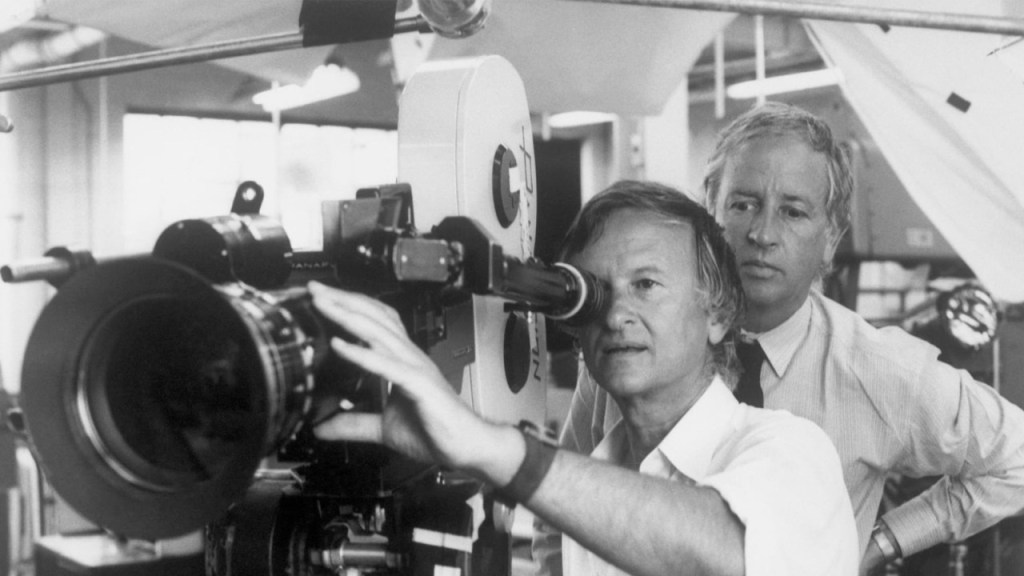
Albert and David Maysles were American documentary filmmakers best known for pioneering the “direct cinema” style, emphasising a fly-on-the-wall approach that allows events to unfold naturally in front of the camera. Their best-known works include Grey Gardens, Salesman, and the Rolling Stones tour film Gimme Shelter.
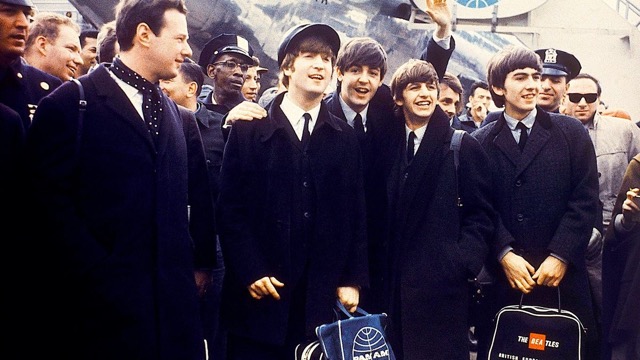
The Maysles Brothers began their career in the 1950s, working as cameramen for other filmmakers before striking out on their own in the early 1960s. Their early films, including Showman and What’s Happening! The Beatles in the U.S.A., established their signature style, which relied on handheld cameras and a fly-on-the-wall approach to capture the reality of their subjects’ lives.
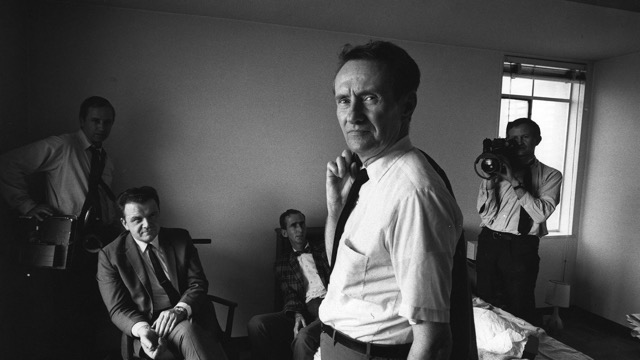
The Maysles Brothers’ breakthrough came with their 1968 film Salesman, which follows a group of door-to-door Bible salesmen as they travel across the United States. The film is a masterful example of direct cinema, capturing the lives of its subjects with a level of intimacy and authenticity that was unprecedented at the time.
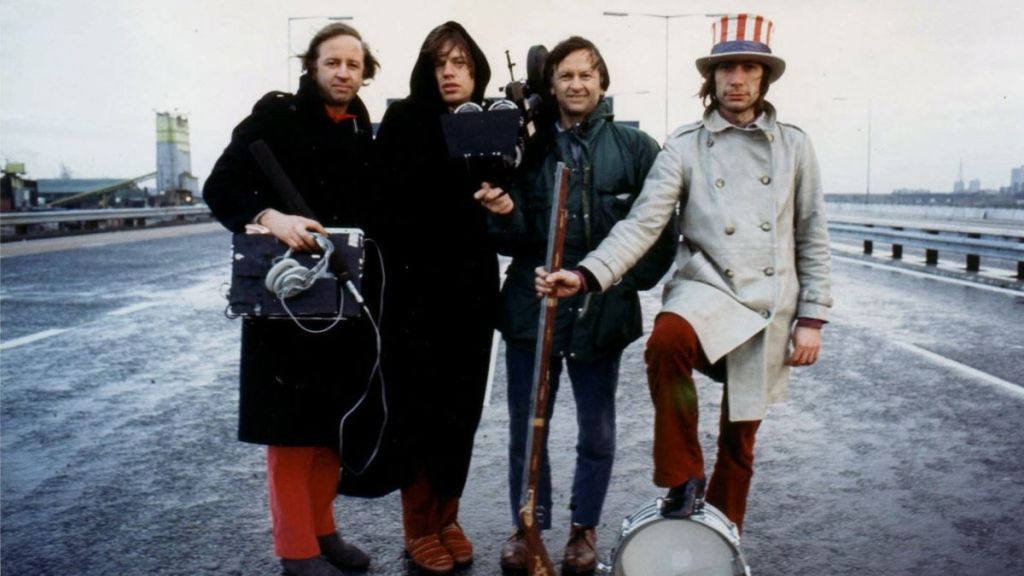
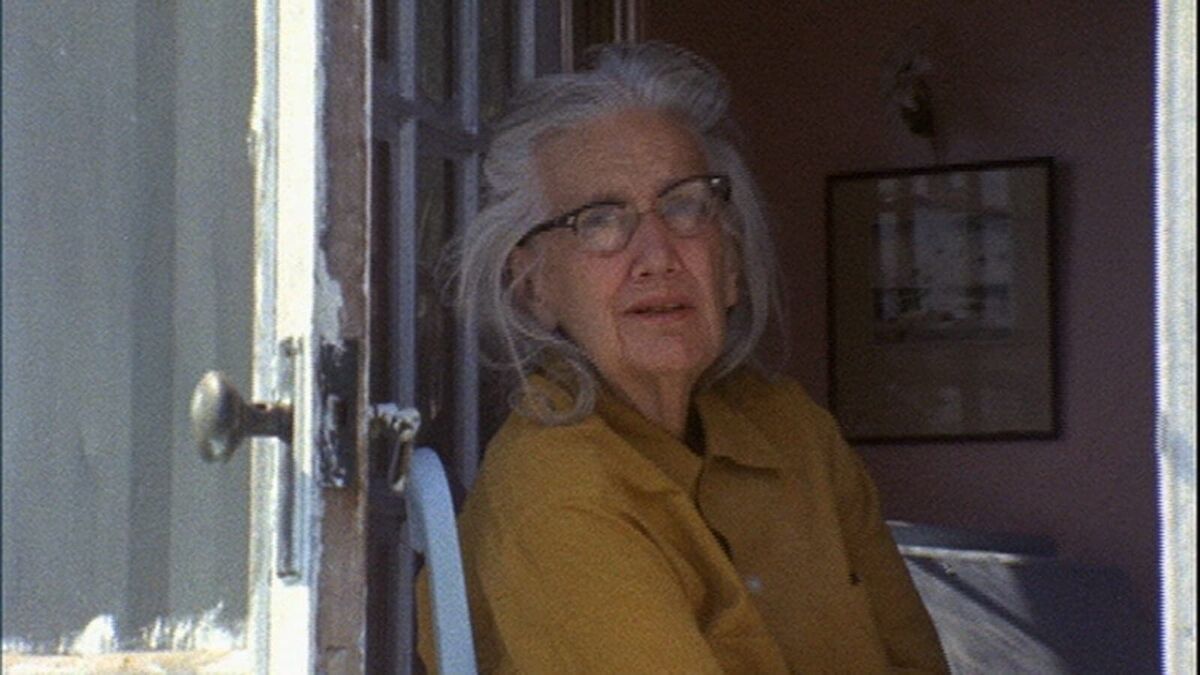
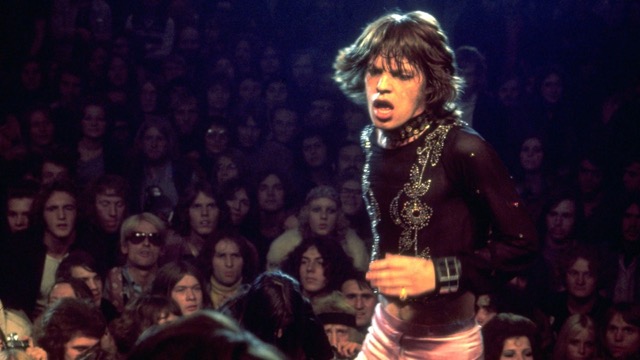
The Maysles Brothers went on to make several other acclaimed documentaries, including Gimme Shelter, which captures the tragic events of the Altamont Free Concert in 1969, and Grey Gardens, which tells the story of a reclusive mother and daughter living in a decrepit mansion in East Hampton, New York. These films are characterised by their ability to find the extraordinary in the ordinary and to reveal the complex inner lives of their subjects in a way that is both empathetic and unflinching.
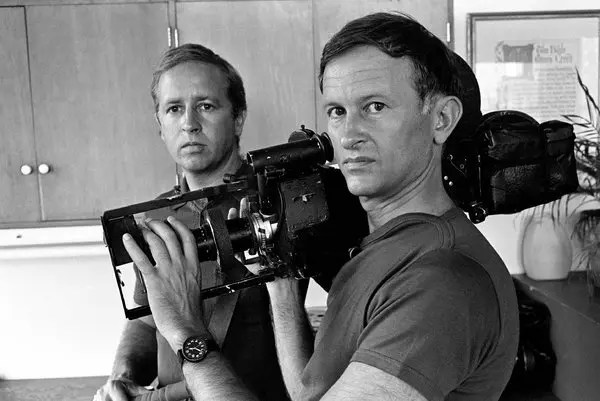
Albert (1926 – 2015) and David Maysles (1931 – 1987)
Calculated Films:
- Salesman (1969)
- Gimme Shelter (1970)
- Grey Gardens (1975)
Similar Filmmakers
- Barbara Kopple
- Charles Guggenheim
- Chris Hegedus
- D.A. Pennebaker
- Errol Morris
- Frederick Wiseman
- Jean Rouch
- Jennifer Fox
- Joshua Oppenheimer
- Les Blank
- Lionel Rogosin
- Michael Moore
- Richard Leacock
- Robert Drew
- Ross McElwee
- Shirley Clarke
- Stanley Nelson
- Steve James


Albert and David Maysles’ Top 5 Films Ranked
1. Salesman (1969)
Genre: Direct Cinema

2. Gimme Shelter (1970)
Genre: Rockumentary, Direct Cinema
3. Grey Gardens (1975)
Genre: Direct Cinema

4. Christo in Paris (1990)
Genre: Art Documentary

5. Iris (2014)
Genre: Biography Documentary, Art Documentary

Albert and David Maysles: Themes and Style
Themes:
- Human Stories: Their films consistently explored human stories, diving deep into the lives of individuals and bringing out their vulnerabilities and strengths.
- American Society: Many documentaries examined various facets of American society, highlighting the diversity, complexities, and idiosyncrasies of the culture.
- Art and Artists: The Maysles Brothers had a keen interest in art and artists, often documenting the creative process and the lives of artists.
Styles:
- Direct Cinema: This style is characterised by its observational approach, where filmmakers act as fly-on-the-wall observers without intruding on the unfolding events. It minimises the use of voiceovers, staged scenes, and additional music.
- Cinéma Vérité: Though similar to Direct Cinema, Cinéma Vérité allows filmmakers to engage with their subjects. The Maysles Brothers used this to elicit more intimate and authentic responses from the individuals featured in their documentaries.
- Handheld Camera Work: Their work often used handheld cameras to give a more immediate and intimate feel to their documentaries, drawing audiences closer to the subjects.
- Minimal Intervention: They minimised intervention in the events they documented, allowing stories to unfold organically.
Directorial Signature:
- Empathetic Lens: Albert and David Maysles approached their subjects with empathy, capturing their lives without judgment or prejudice. This sensitivity allowed viewers to connect deeply with the subjects.
- Focus on Character: Their films often developed rich character studies, providing insights into the subjects’ motivations, dreams, and fears.
- Visual Storytelling: Using minimal narration and letting the visuals speak for themselves, their documentaries told compelling stories through images, facial expressions, and body language.
- Intimate Access: Gaining the trust of their subjects, the Maysles Brothers were granted personal access to private moments, offering viewers a glimpse into the lives of individuals they wouldn’t ordinarily see.
- Non-Linear Editing: They often employed non-linear editing techniques, crafting narratives that were thematic rather than strictly chronological.
Albert and David Maysles – Great Director
 Bronze Screen Dream