
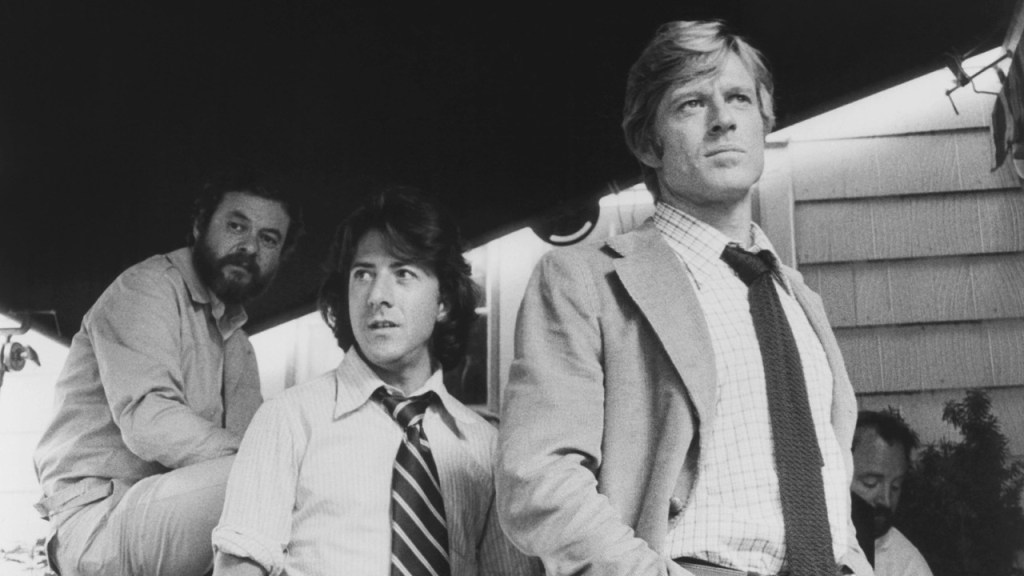
Alan J. Pakula was an American director and producer who left his imprint on Hollywood cinema, renowned for his particular strength in creating suspenseful and character-driven narratives. His work spanned various genres, but he is most acclaimed for his contributions to the political thriller and mystery genres. His unofficial “paranoia trilogy”—Klute, The Parallax View, and All the President’s Men—remain some of his most enduring cinematic achievements, reflecting a blend of riveting storytelling and deeply engaged societal observation.
One of the standout qualities in Pakula’s work was his skill in creating a compelling atmosphere of tension and unease, often by exploring larger-than-life institutions and their impact on the individual. His films often focused on personal integrity in the face of systemic corruption, as vividly illustrated in All the President’s Men. Based on the true story of the Washington Post journalists who exposed the Watergate scandal, the movie manifested Pakula’s knack for illuminating the complex and often adversarial relationship between the individual and the institution. His visual style complemented these themes, as he adeptly used shadow and light, claustrophobic framing, and keen attention to detail to heighten the suspense and draw viewers into the personal journeys of his characters.
Pakula’s approach had a clear emphasis on character development, which made his movies resonate on a profoundly human level, even when tackling larger societal issues. This was especially evident in films like Sophie’s Choice, where the nuanced performances and emotionally rich narrative underscored his capacity to delve deep into the human psyche. In his career, Pakula influenced a generation of filmmakers with his ability to blend suspense with social commentary, producing engaging and thought-provoking films.

Alan J. Pakula (1928 – 1998)
Calculated Films:
- The Parallax View (1974)
- All The President’s Men (1976)
- Sophie’s Choice (1982)
Similar Filmmakers

Alan J. Pakula’s Top 5 Films Ranked
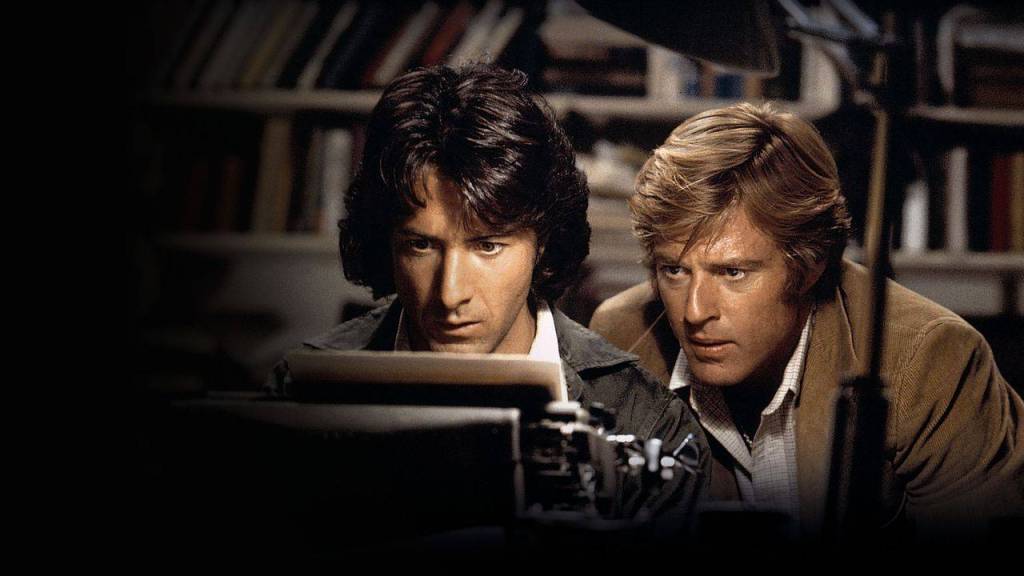
1. All The President’s Men (1976)
Genre: Political Drama, Period Drama
2. The Parallax View (1974)
Genre: Political Thriller, Mystery

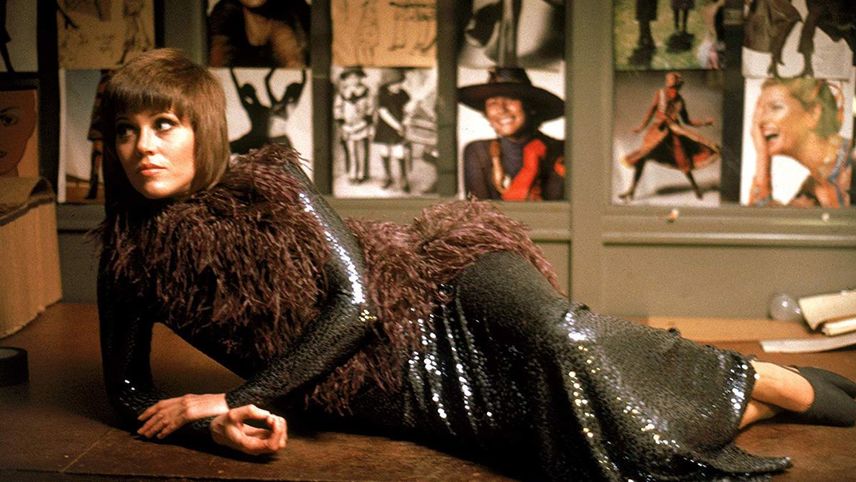
3. Klute (1971)
Genre: Neo-Noir, Thriller, Mystery, Crime
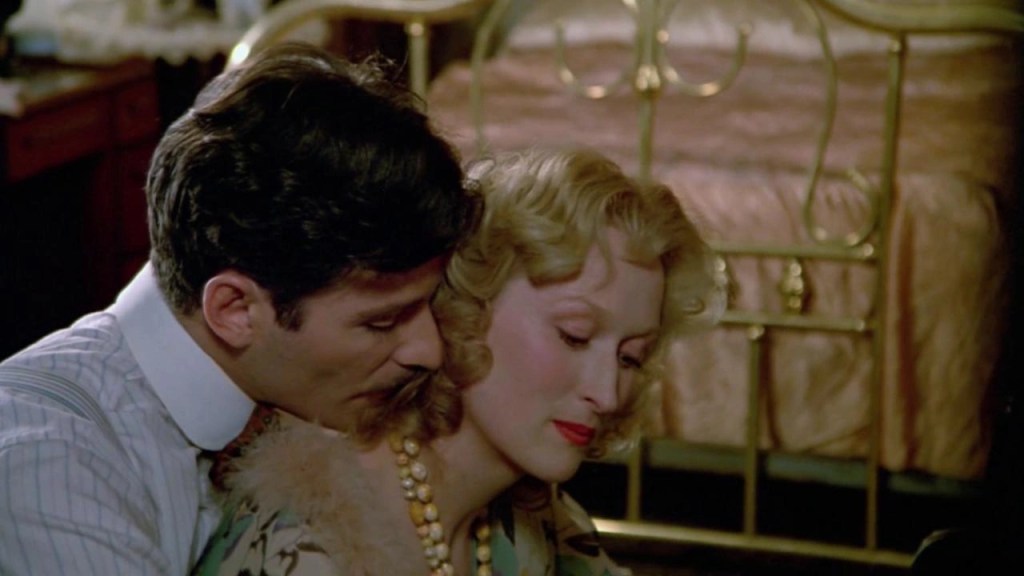
4. Sophie’s Choice (1982)
Genre: Melodrama, Romance
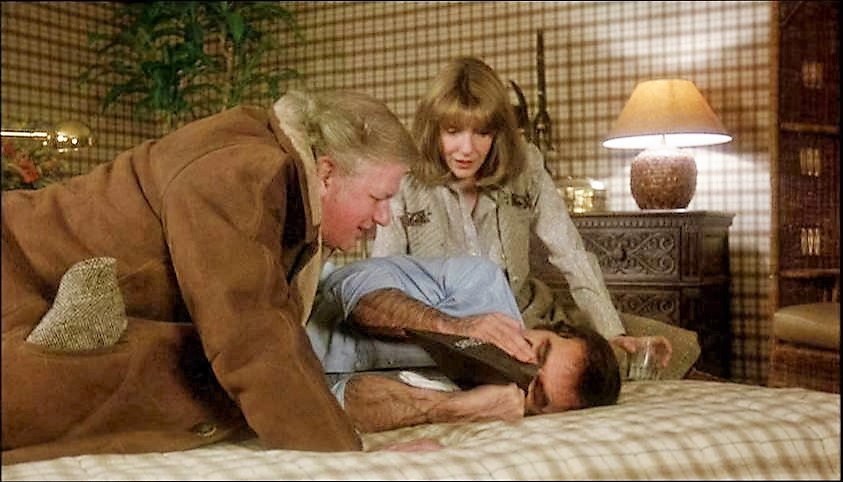
5. Presumed Innocent (1990)
Genre: Legal Drama, Mystery

Alan J. Pakula: Themes and Style
Themes:
- Conspiracy and Paranoia: Many of Pakula’s films delve into conspiracy theories, government cover-ups, and the overwhelming sense of paranoia that often pervades society. All the President’s Men chronicles the investigative journalism that uncovered the Watergate scandal, highlighting the distrust in governmental institutions.
- Individual vs. System: Pakula frequently positioned individual characters against oppressive or flawed systems, exploring how these systems can alienate, manipulate, or corrupt. In The Parallax View, a journalist tries to uncover a corporation’s involvement in political assassinations, emphasising the individual’s vulnerability against larger corporate structures.
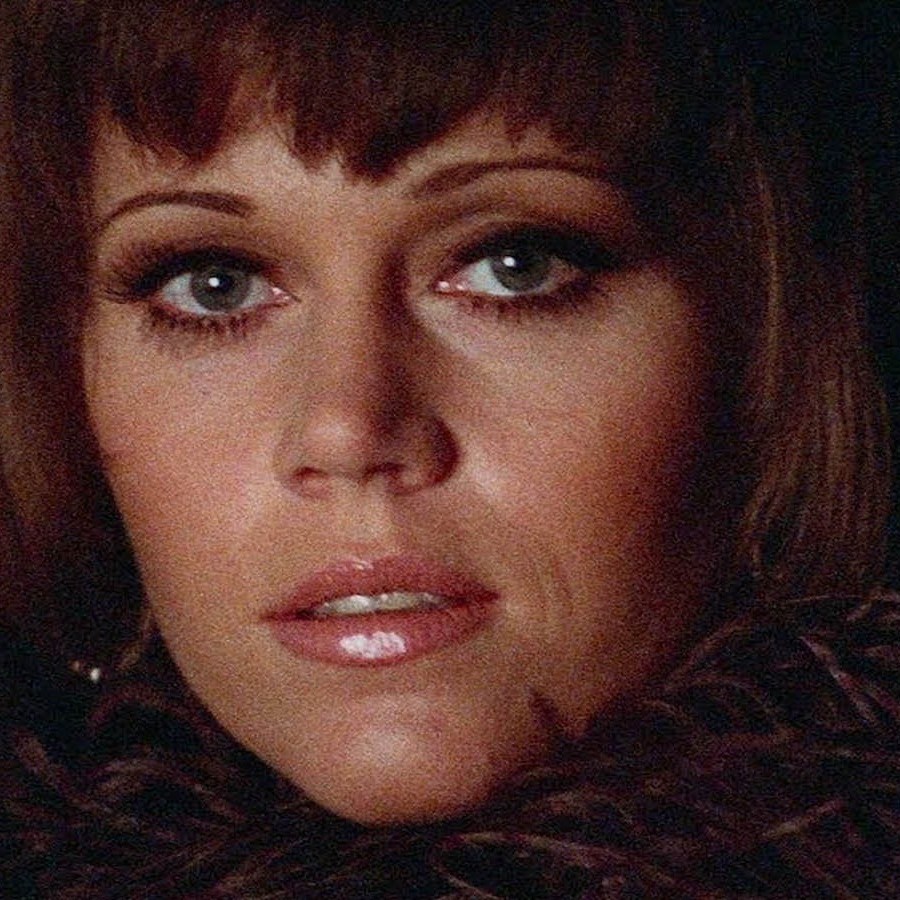
- Psychosexual Drama: He also explored complex human relationships and psychosexual dynamics, probing the darker, more intimate aspects of his characters’ lives. Klute is as much about a detective’s investigation as it is about the internal struggles and vulnerabilities of a call girl named Bree Daniels.
Styles:
- Atmosphere Over Action: Instead of fast-paced, action-packed sequences, Pakula was known for building intense atmospheres that heightened tension and paranoia. He often employed slow-burn narratives which gradually unfolded the mystery or conflict.
- Use of Silence and Sound: Pakula effectively used silence, punctuated with significant sound effects or music, to create suspense or emphasise dramatic moments.
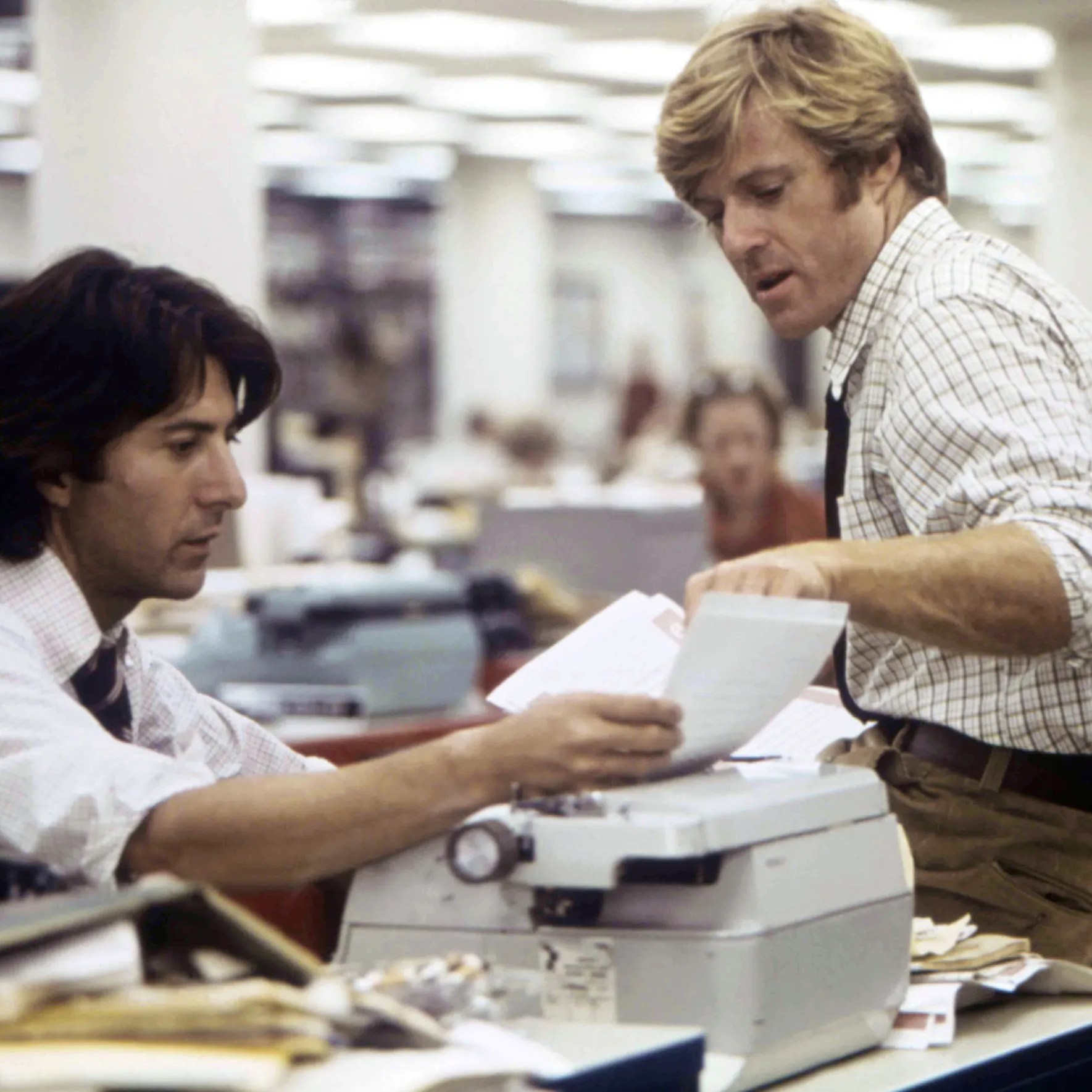
- Deep Focus Cinematography: His films often employed deep focus shots, allowing audiences to see characters in both the foreground and background, often drawing parallels or contrasts between them. In All the President’s Men, many shots in the newsroom showcase the protagonists in the foreground, with other reporters working in the background, emphasising the bustling environment of investigative journalism.
Directorial Signature:
- Character Depth: Pakula often went beyond the surface-level characteristics of his protagonists, delving deep into their psyches and showcasing their vulnerabilities, fears, and motivations. This deep character exploration made his films psychologically engaging and resonant.
- Realism and Authenticity: Despite dealing with larger-than-life themes, Pakula had an eye for authenticity. Whether it was the detailed depiction of a newsroom in All the President’s Men or the gritty streets in Klute, Pakula ensured a high degree of realism in his films.
- Collaborations: Pakula frequently collaborated with certain filmmakers, most notably with cinematographer Gordon Willis. This collaboration resulted in a distinct visual style characterised by shadowy lighting and composition, adding to the suspense and intensity of his films.
- Nuanced Female Characters: Pakula’s portrayal of women, especially in films like Klute and Sophie’s Choice, was notably nuanced and layered. Rather than one-dimensional figures, they were portrayed as multi-faceted individuals grappling with their past, present, and societal expectations.
Alan J. Pakula – The 269th Greatest Director


 Bronze Screen Dream