
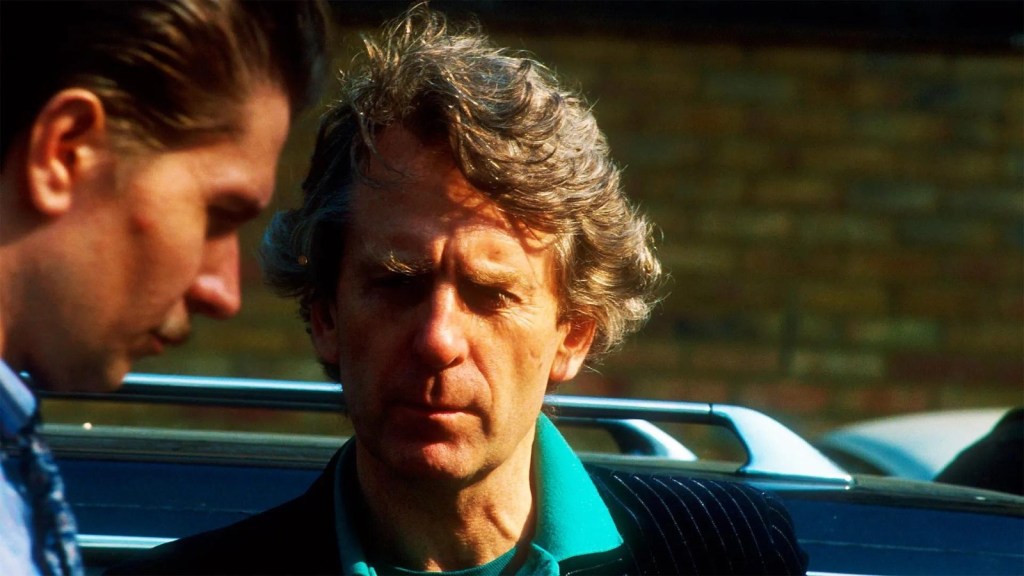
Alan Clarke was a British director celebrated for his groundbreaking contributions to television and film. His reputation was forged in a crucible of socially conscious realism, defined by an unflinching gaze into the stark realities of British society. His most iconic works include Scum, a visceral exploration of borstal life, and Made in Britain, an unsettling portrait of a skinhead, each demonstrating Clarke’s adept ability to unmask and investigate the more uncomfortable aspects of society.
Clarke possessed an uncanny knack for utilising minimal locations to amplify the intensity of the narrative, evident in the claustrophobic prison settings of Scum and the tense urban landscapes of Elephant. Clarke’s camera work was often described as stark and unadorned, providing an almost documentary-like realism that pushed boundaries and challenged the viewer’s comfort. His stories habitually revolved around individuals on the fringe of society, his characters often representing the voiceless and marginalised while exploring themes of authority, brutality, and the societal underbelly.
Despite the often harrowing content of his films, Clarke managed to imbue his narratives with a raw honesty and compassion that elevated them from mere social critique to humanistic portraits. His work has been cited as a major influence on future generations of filmmakers, who drew inspiration from his brave handling of controversial subjects and his unyielding commitment to realism. Clarke’s career was marked by a relentless confrontation of societal issues and a resolute commitment to narrating them with stark, unflinching honesty. His films, while often difficult to watch, are undeniable testaments to the transformative power of cinema.

Alan Clarke (1935 – 1990)
Calculated Films:
- Scum (1979)
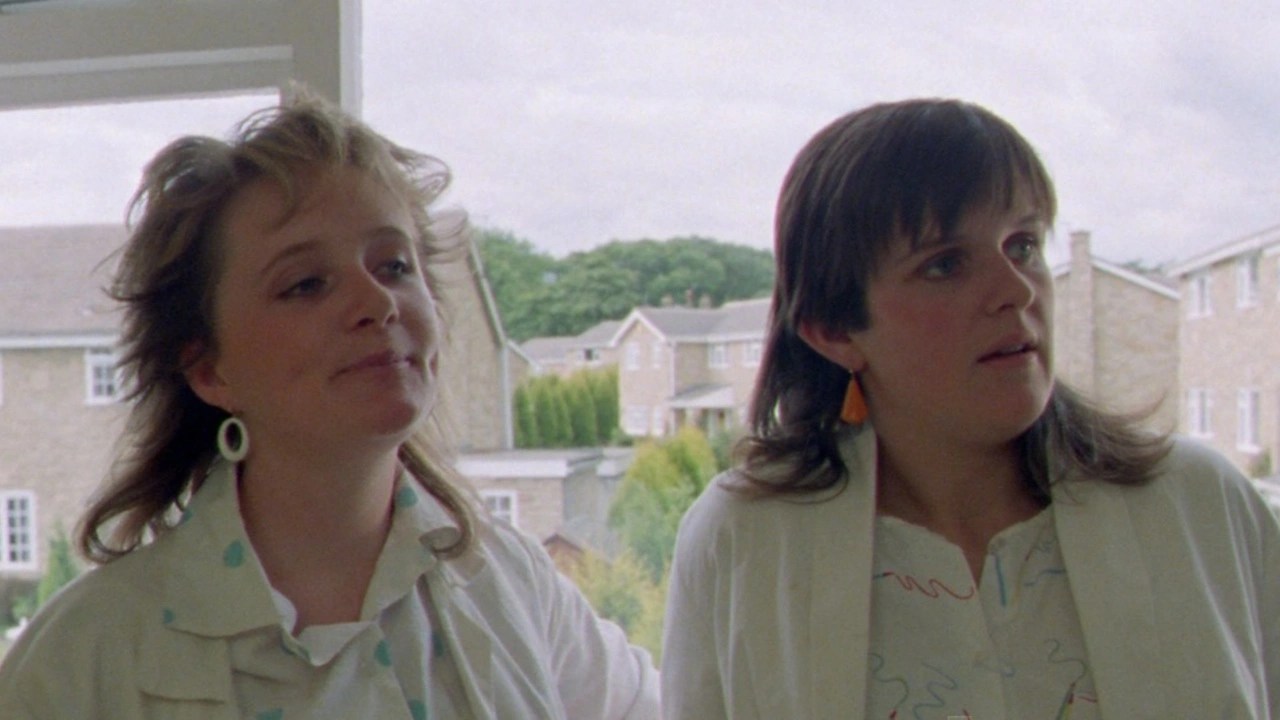
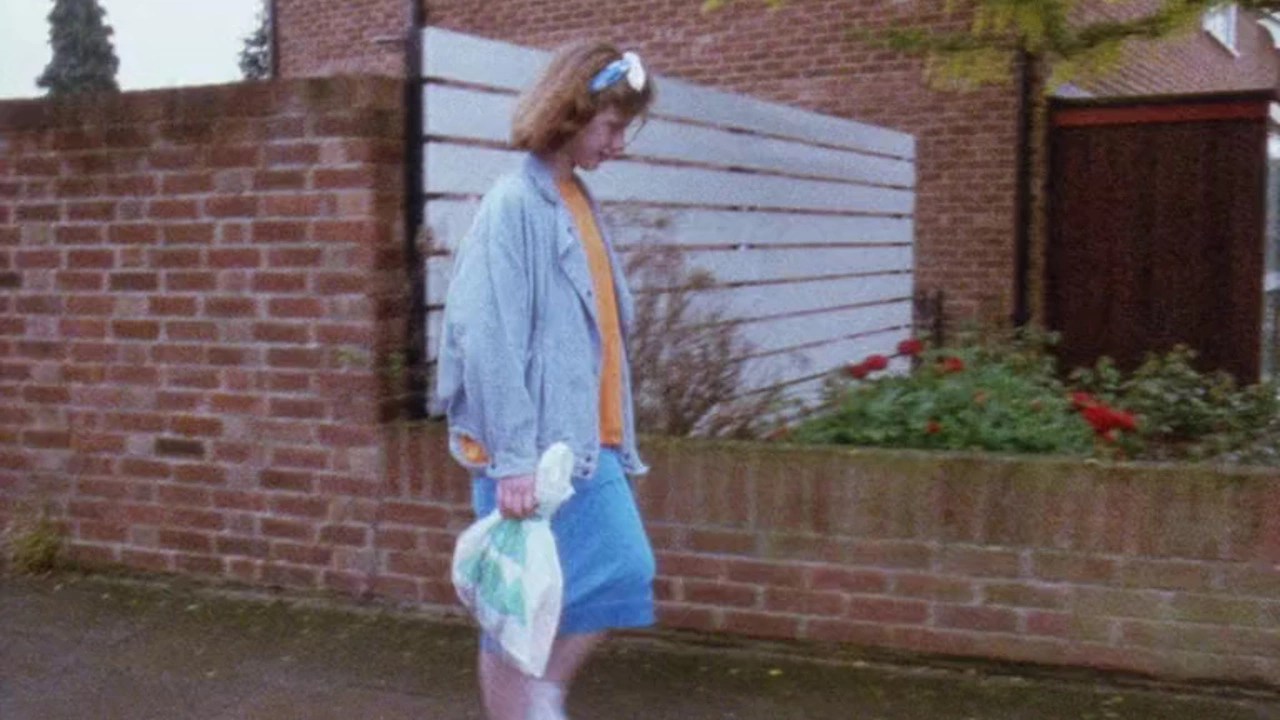
- Rita, Sue and Bob Too (1987)
- Elephant (1989)
Similar Filmmakers
- Andrea Arnold
- Bill Douglas
- Clio Barnard
- Danny Boyle
- Dardenne Brothers
- Franc Roddam
- Pawel Pawlikowski
- Peter Watkins
- Shane Meadows
- Stephen Frears
- Tony Richardson
- Ulrich Seidl

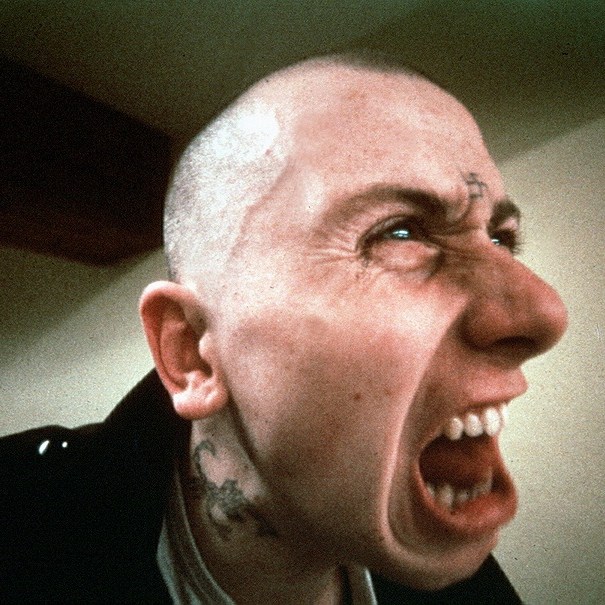

Alan Clarke’s Top 5 Films Ranked
1. Scum (1979)
Genre: Prison Film, Drama

2. Made in Britain (1982)
Genre: Crime, Drama
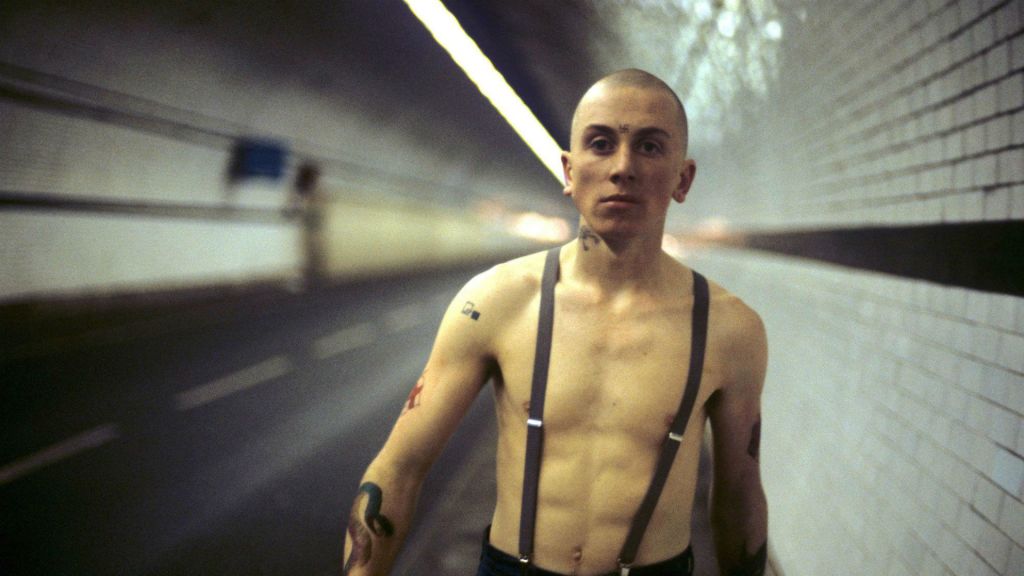
3. Elephant (1989)
Genre: Crime, Essay Film

4. The Firm (1989)
Genre: Drama, Crime
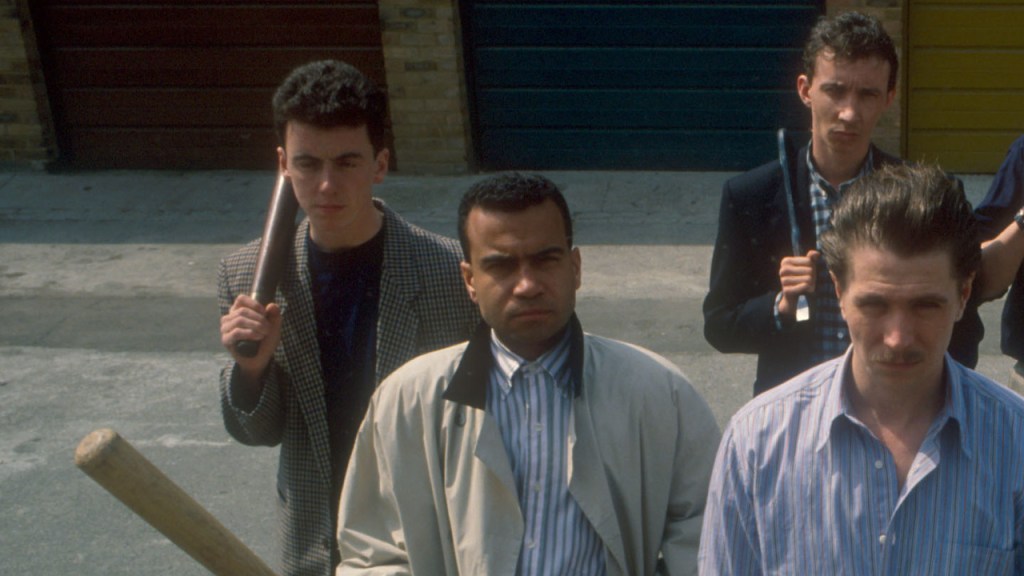
5. Rita, Sue and Bob Too (1987)
Genre: Sex Comedy, Drama

Alan Clarke: Themes and Style
Themes:
- Working-Class Struggles: Clarke’s works frequently spotlight the hardships and dilemmas faced by the working class in Britain. He delved into their everyday lives, presenting an unvarnished look at poverty, unemployment, and social alienation.
- Youth and Alienation: Many of his pieces explore themes of disenfranchised youth, delving into subcultures and shedding light on issues like unemployment, lack of opportunity, and the allure of criminal activity.
- Institutional Critique: Clarke wasn’t afraid to criticise established institutions, often revealing the systemic flaws and injustices prevalent in the educational, criminal justice, and social welfare systems.
- Violence and Conflict: With an uncompromising approach, he depicted the physical and psychological aspects of violence, whether it stemmed from state authority or individual aggression, often set against the backdrop of Northern Ireland’s political unrest.
Styles:
- Realism: Clarke employed a realistic style that refrained from glamorising or sensationalising the subjects. This often meant utilising naturalistic dialogue, locations, and performances to enhance the authenticity of his narratives.
- Minimalism: His works are known for their minimalist aesthetic, often featuring long takes and extended sequences that allow the viewer to immerse themselves in the unfolding drama without distraction.
- Handheld Camera Work: Clarke was known for his dynamic use of handheld cameras, providing an intimate, immediate feel to his work that placed viewers directly within the story’s emotional and physical landscape.
- Long Takes: His signature long takes allowed scenes to unfold naturally, creating a compelling and often unsettling sense of realism and tension.
- Ensemble Casts: Clarke frequently worked with ensemble casts, drawing out powerful performances that highlighted the collective rather than individual experience.
Directorial Signature:
- Narrative Structure: Clarke’s films often eschew conventional narrative structures, opting instead for episodic or fragmented storytelling that mirrors the chaotic, unpredictable nature of the lives and situations depicted.
- Collaborative Process: He was known for fostering a collaborative environment, working closely with actors, writers, and crew members to craft narratives that were deeply embedded in the social fabric of the times.
- Provocative Storytelling: His storytelling was often provocative and confrontational, challenging viewers to engage critically with the material and reflect on the broader societal issues presented.
- Documentary Influence: Clarke’s approach was significantly influenced by documentary filmmaking techniques, blending fiction and reality to create a potent narrative style that was as engaging as it was enlightening.
Alan Clarke – Great Director


 Bronze Screen Dream