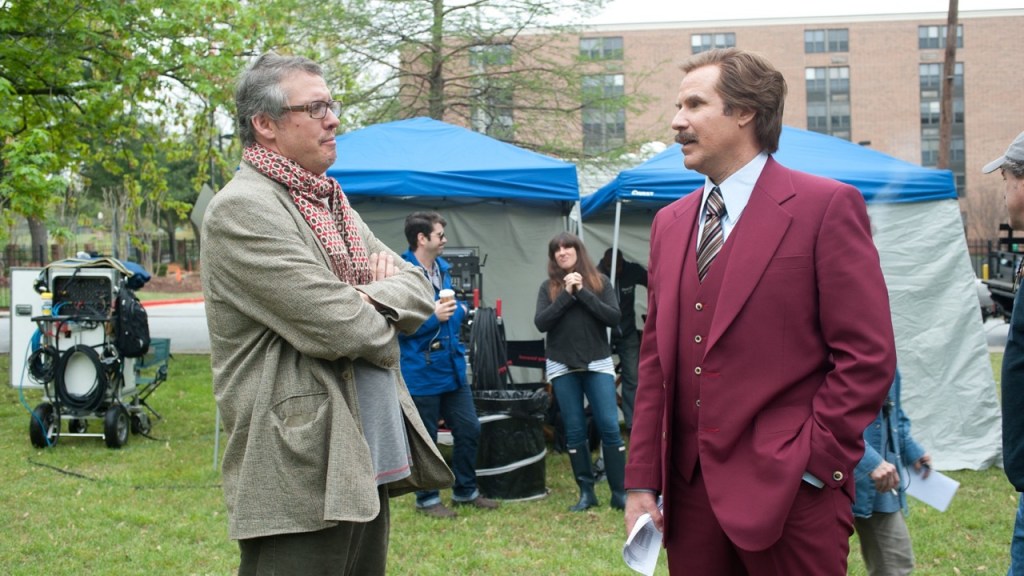
Adam McKay is an American filmmaker, comedian, and producer best known for his work in comedy and satirical films that blend humour with social commentary. Initially making a name for himself as a writer for Saturday Night Live, McKay transitioned to directing with a series of successful comedy films starring Will Ferrell, including Anchorman: The Legend of Ron Burgundy and Talladega Nights: The Ballad of Ricky Bobby. These films are celebrated for their absurdist comedy, quotable dialogue, and memorable characters that often parody American culture and masculinity.
McKay’s career took a significant turn with The Big Short, a film that marked his shift towards more politically charged and socially conscious storytelling. This film, along with subsequent works like Vice and Don’t Look Up, showcases McKay’s ability to tackle complex, real-world issues through a lens of dark comedy and satire. His approach often involves breaking the fourth wall, using unconventional narrative techniques such as direct address to the audience, and incorporating documentary-style elements to explain intricate concepts. In The Big Short, for instance, he famously used celebrity cameos to explain financial jargon, making the subject matter more accessible to general audiences.
Visually, McKay’s later works have adopted a more dynamic, fast-paced editing style that mirrors his themes of chaos and corruption. He often uses rapid cuts and montages, as seen in Vice, to convey the overwhelming nature of power and its consequences. His approach to filmmaking blends entertainment with education, using comedy not just to amuse but to make systemic issues more accessible to the audience. Since he transitioned to more serious fare, McKay has been well-received by critics for his critiques of modern society.

Adam McKay (1968 –)
Calculated Films:
- Anchorman (2004)
- The Big Short (2015)
Similar Filmmakers
- Akiva Schaffer
- Armando Iannucci
- Chris Morris
- Christopher Guest
- Coen Brothers
- David O. Russell
- Jay Roach
- Judd Apatow
- Larry Charles
- Martin McDonagh
- Mike Judge
- Paul Feig
- Robert Altman
- Ruben Ostlund
- Ruben Fleischer
- Shane Black
- Taika Waititi
- Todd Phillips
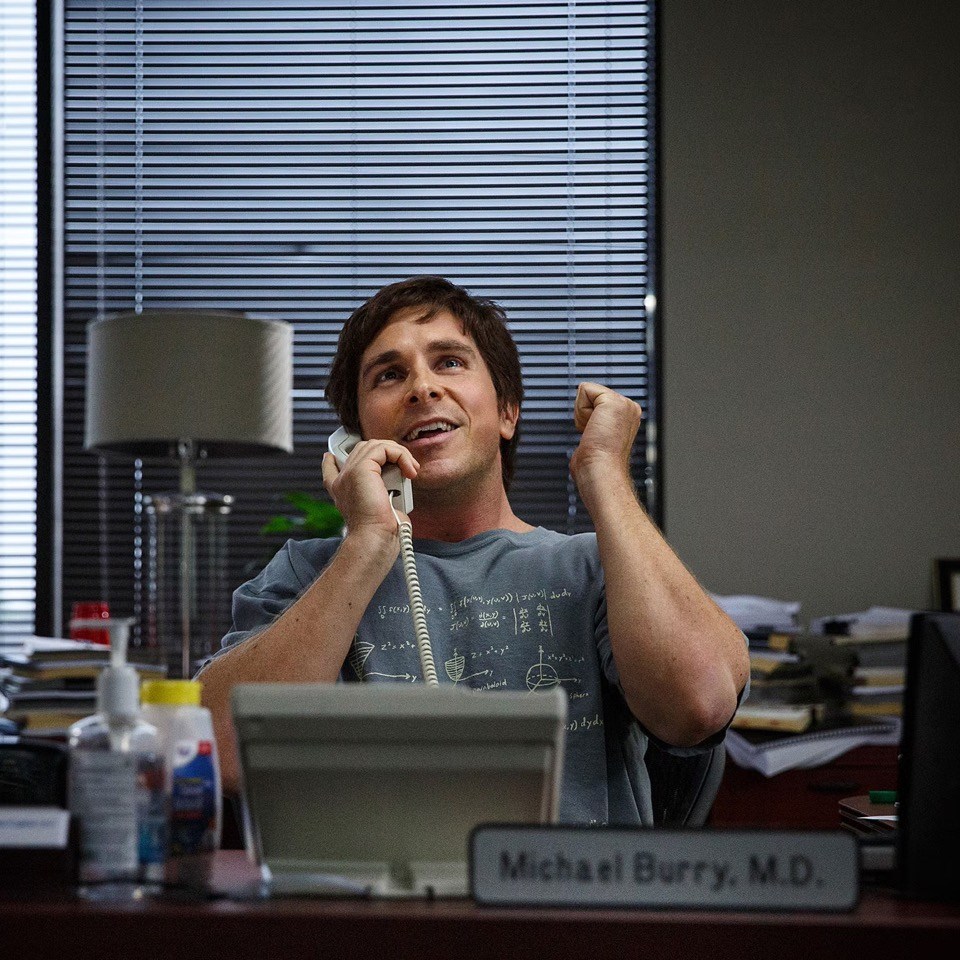
Adam McKay’s Top 5 Films Ranked
1. The Big Short (2015)
Genre: Drama, Hyperlink Cinema

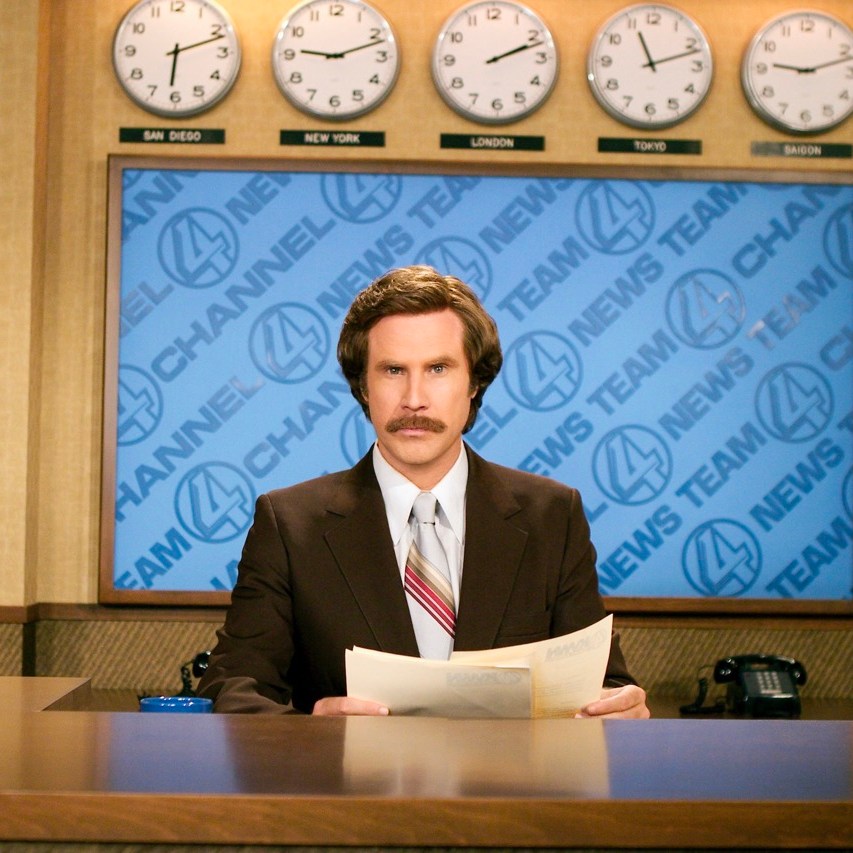
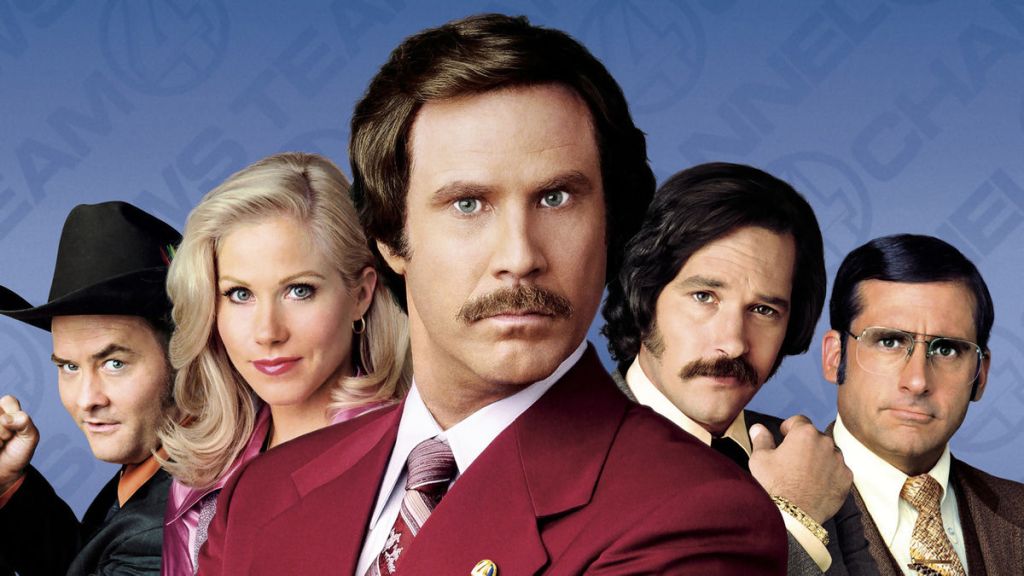
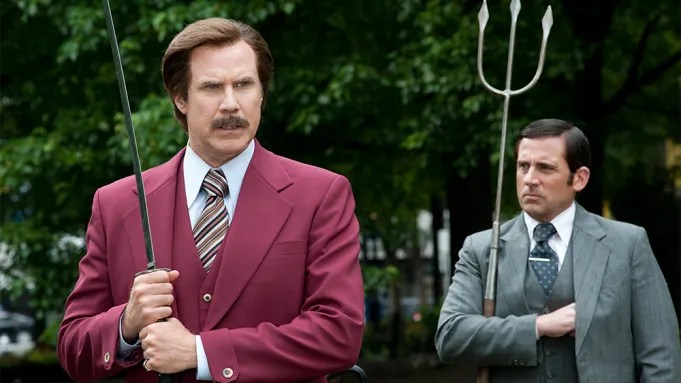
2. Anchorman: The Legend of Ron Burgundy (2004)
Genre: Comedy, Absurdist Comedy
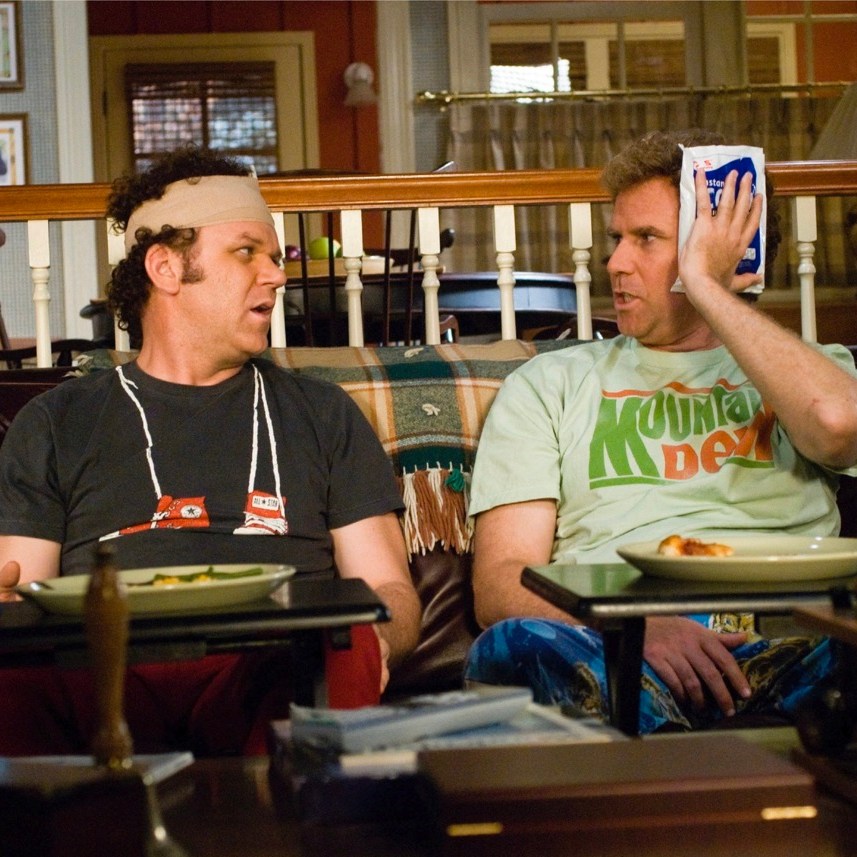
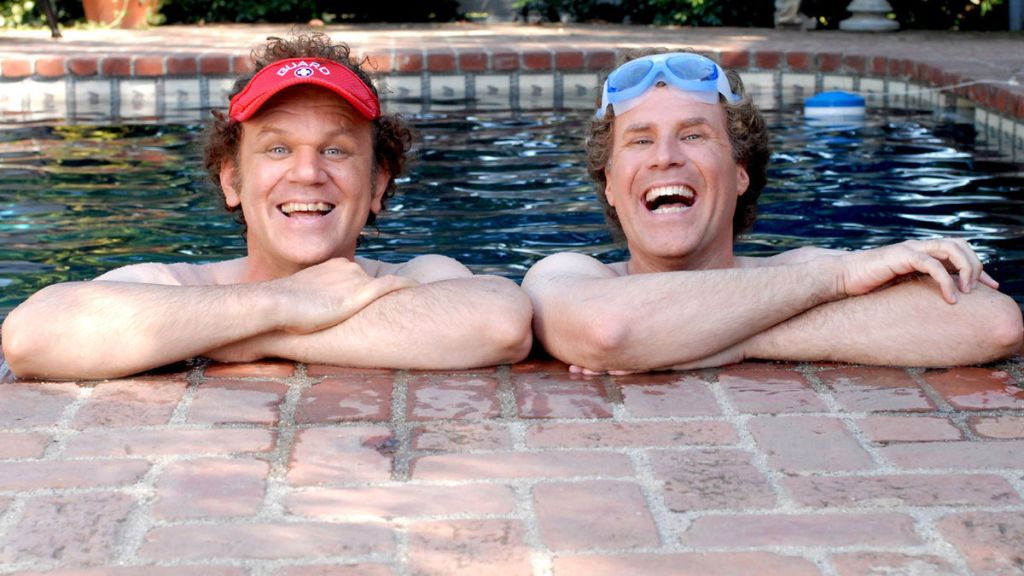
3. Step Brothers (2008)
Genre: Comedy, Buddy
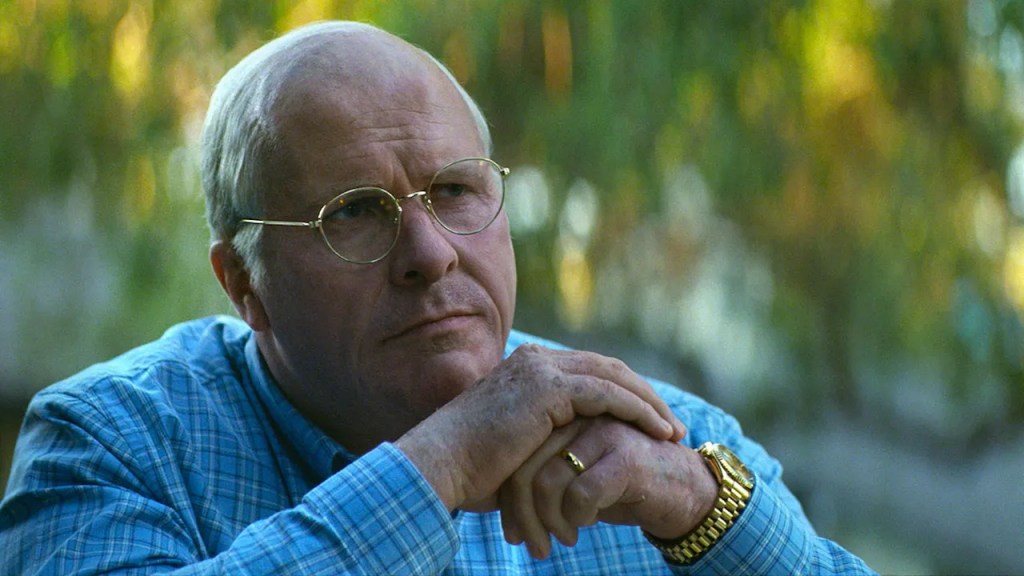
4. Vice (2018)
Genre: Biographical, Political Drama
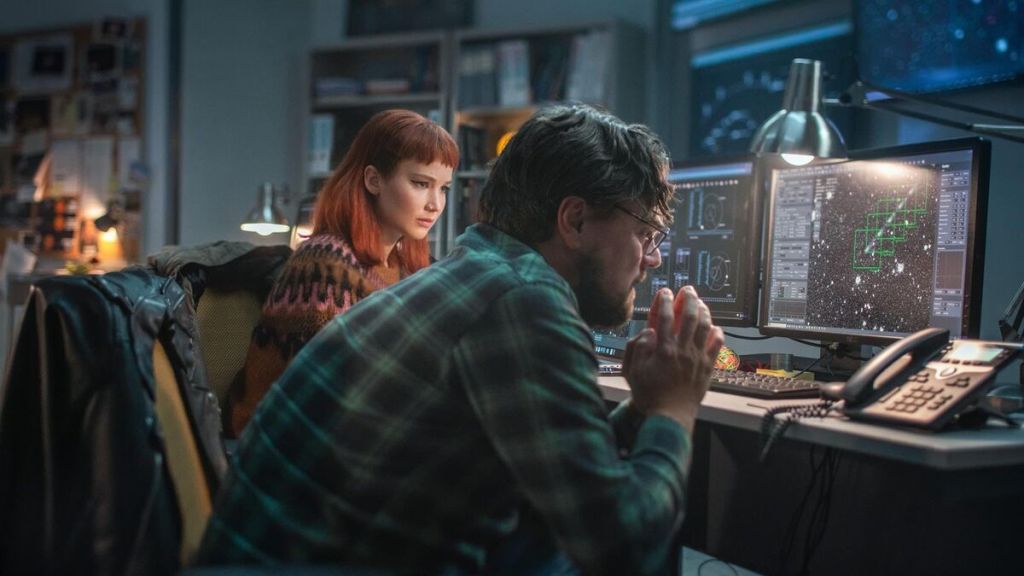
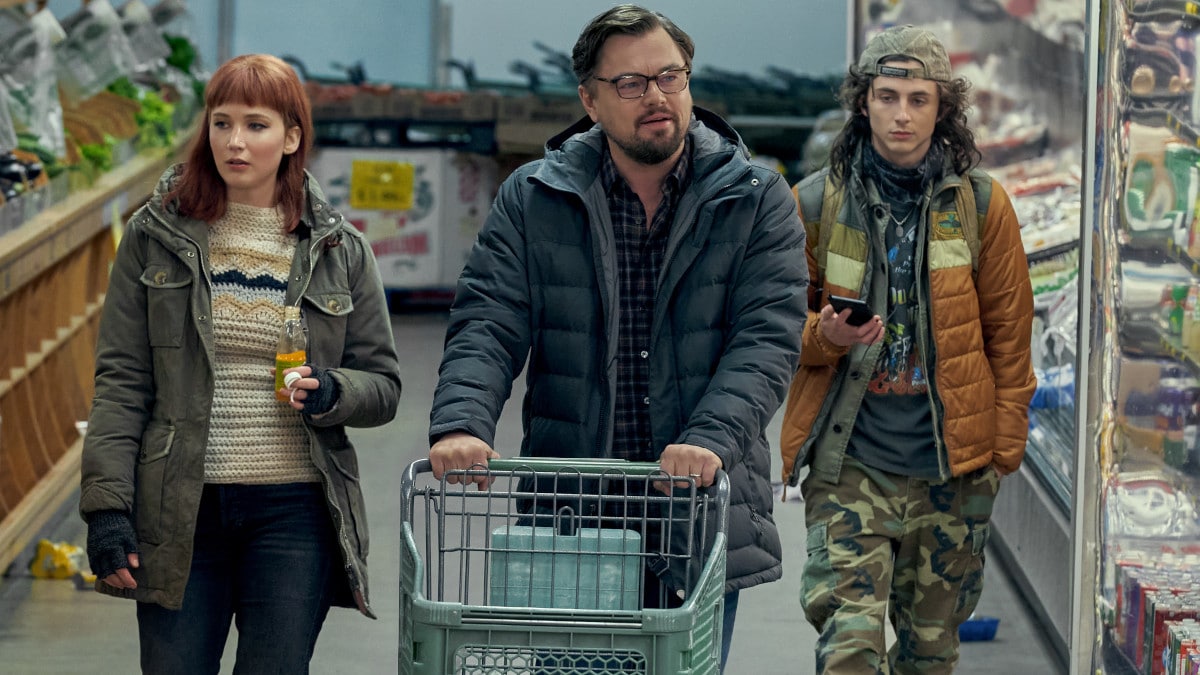
5. Don’t Look Up (2021)
Genre: Satire, Disaster, Black Comedy
Adam McKay: Themes and Style
Themes:
- Power dynamics: McKay’s films often explore the intricate power structures in society, from corporate America in The Big Short to political manipulation in Vice. He delves into how power is acquired, maintained, and abused, revealing the often unseen forces shaping our world.
- Satire and irony: McKay wields satire as a powerful tool to critique societal issues. In films like Don’t Look Up, he uses irony to highlight the absurdity of real-world situations, forcing audiences to confront uncomfortable truths about our collective behaviour and institutions.
- American culture: McKay’s work frequently examines and critiques various aspects of American culture. From consumerism in The Other Guys to the financial sector in The Big Short, he dissects the values, myths, and contradictions that define contemporary American society.
- Flawed protagonists: McKay’s characters are often deeply flawed individuals, such as the self-serving newsman in Anchorman or the morally ambiguous Dick Cheney in Vice. These complex protagonists serve as vehicles to explore human nature and societal issues.
- Media influence: The power and impact of media is a recurring theme in McKay’s work. Films like Anchorman and Don’t Look Up scrutinise how media shapes public opinion spreads misinformation, and influences societal discourse.
Styles:
- Breaking the fourth wall: McKay frequently employs direct address to the audience, breaking the illusion of the film world. This technique, seen in The Big Short and Vice, allows for complex explanations and adds a layer of meta-commentary to his narratives.
- Montages and quick cuts: Fast-paced editing and montage sequences are hallmarks of McKay’s style. These rapid-fire visual collages, as seen in The Other Guys and The Big Short, convey information quickly and maintain a high energy level throughout his films.
- Improvisation: McKay encourages improvisation on set, particularly in his comedic works. This approach, evident in films like Anchorman and Step Brothers, leads to spontaneous, often absurdist humour that feels fresh and unpredictable.
- Stylised visuals: McKay’s films often feature bold, stylised visuals to underscore their themes. From the exaggerated 1970s aesthetic in Anchorman to the surreal sequences in The Big Short, these visual choices enhance the satirical tone of his work.
- Satirical tone: McKay’s signature satirical tone permeates his films, blending humour with biting social commentary. This approach allows him to tackle serious subjects in an accessible way, making complex issues more digestible for mainstream audiences.
Directorial Signature:
- Blending genres: McKay skillfully mixes genres, often combining comedy with drama or satire with biographical elements. This fusion, seen in films like The Big Short and Vice, creates a unique viewing experience that defies easy categorisation.
- Ensemble casts: McKay frequently works with large ensemble casts, assembling talented actors to bring his complex narratives to life. This approach, evident in films like Anchorman and Don’t Look Up, allows for multiple perspectives and rich character interactions.
- Tonal shifts: McKay’s films are known for their abrupt tonal shifts, moving from comedy to drama to absurdism within a single scene. This technique used effectively in The Big Short and Vice, keeps audiences engaged and reinforces the unpredictable nature of his storytelling.
- Collaboration with Will Ferrell: Many of McKay’s early films feature close collaboration with Will Ferrell, resulting in iconic comedies like Anchorman and Talladega Nights. This partnership helped establish McKay’s reputation for irreverent humour and social commentary.
- Pop culture references: McKay’s work is peppered with pop culture references, from subtle nods to overt parodies. These references, seen across his filmography, add layers of meaning for attentive viewers and ground his stories in contemporary cultural contexts.
Adam McKay – Great Director


 Bronze Screen Dream