

Abel Ferrara is an American filmmaker recognised primarily for his work in independent film. Ferrara is renowned for crafting films that delve deeply into the dark, gritty corners of human experience, with narratives often rooted in crime, addiction, and existential despair. Notable works like King of New York and Bad Lieutenant are representative of his distinctive storytelling approach and visual style, exposing audiences to the volatile underbelly of urban life.
Ferrara’s filmmaking career took off in the late 1970s and early 1980s with low-budget films that blended elements of horror and crime genres. His breakthrough came with Ms. 45 in 1981, a film that established his penchant for exploring themes of vengeance and violence through strong, complex characters. The critical and commercial success of Bad Lieutenant in 1992 marked the peak of Ferrara’s career, showcasing his ability to craft deeply compelling narratives around flawed individuals. Despite facing challenges, including battles with censorship and funding difficulties, Ferrara continues to produce work that pushes the boundaries of conventional storytelling.
Ferrara’s filmography explores tortured and complex characters, placing them in situations that expose their frailties, vices, and the volatile nature of human morality. In films like Bad Lieutenant, viewers witness the descent of a morally bankrupt police officer into addiction and corruption, with Ferrara unflinchingly portraying the destructive cycle of abuse and redemption. His storytelling approach is often brutal and uncompromising, providing a stark commentary on the human condition through characters living on society’s margins. The narratives he crafts are imbued with a sense of tragic inevitability, highlighting the tension between fate and free will, good and evil, and the struggle for salvation amid chaos.
Visually, Ferrara employs a raw, naturalistic style that further enhances the intensity and immediacy of his films. His use of handheld cameras and location shooting in urban environments creates an immersive, documentary-like feel, which serves to ground his often larger-than-life characters in a tangible, recognisable reality. For example, in Ms .45, the filmmaker uses the gritty, unforgiving streets of New York City as both a backdrop and a character, reflecting and amplifying the protagonist’s internal turmoil and quest for vengeance.
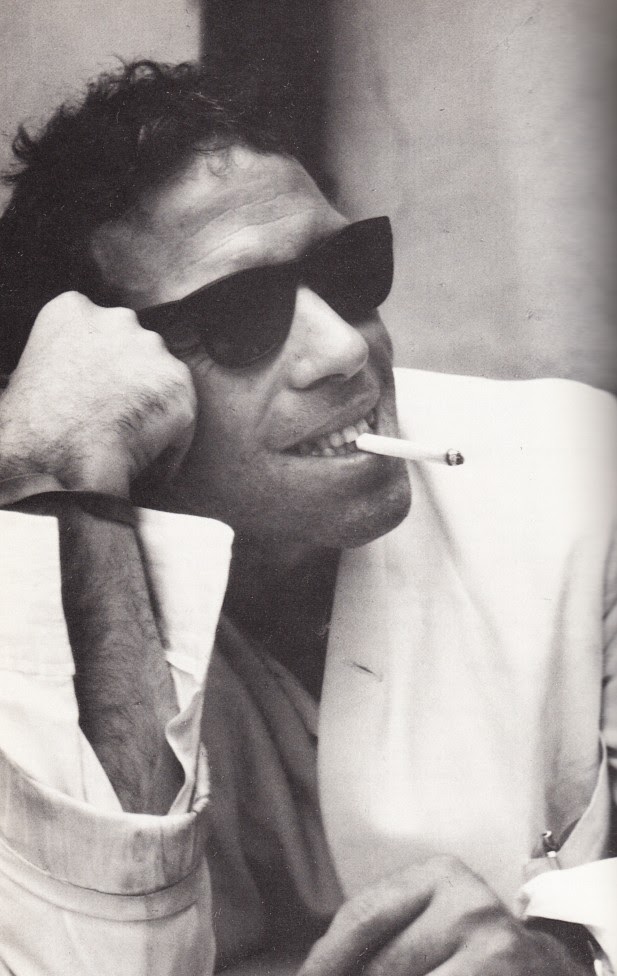
Abel Ferrara (1951 – -)
Calculated Films:
- Bad Lieutenant (1992)
Similar Filmmakers
- Alex Cox
- Amos Kollek
- Amos Poe
- Brian De Palma
- Buddy Giovinazzo
- Gaspar Noe
- Harmony Korine
- Jim Jarmusch
- Jim Van Bebber
- Larry Clark
- Larry Cohen
- Martin Scorsese
- Michael Mann
- Paul Schrader
- Takashi Miike
- Uli Edel
- Vincent Gallo
- William Friedkin
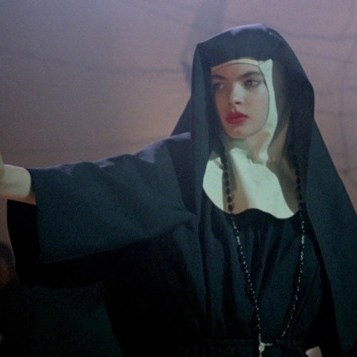
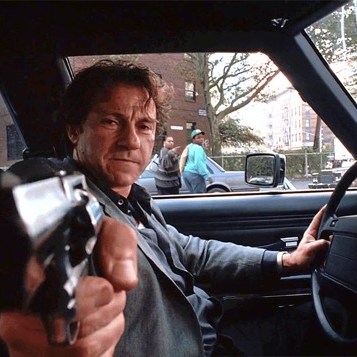

Abel Ferrara’s Top 5 Films Ranked
1. Ms. 45 (1981)
Genre: Rape and Revenge, Thriller

2. Bad Lieutenant (1992)
Genre: Crime, Psychological Drama, Police Procedural

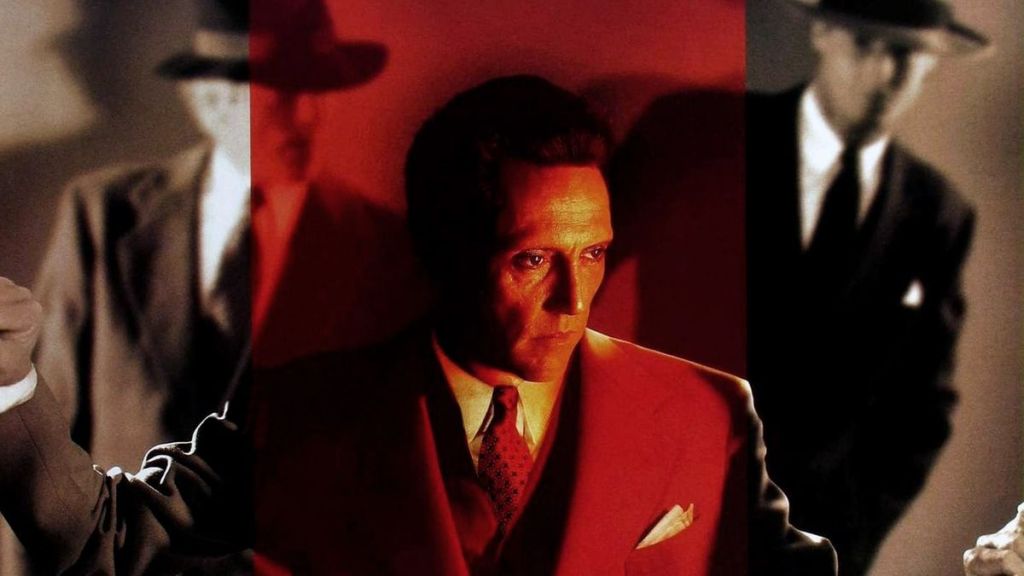
3. King of New York (1990)
Genre: Gangster Film, Drama
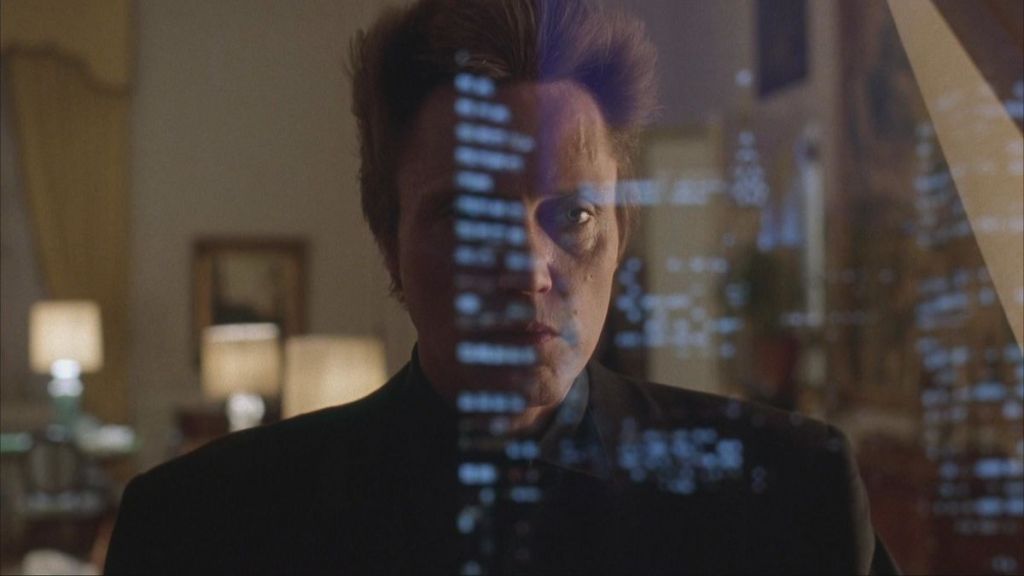
4. The Funeral (1996)
Genre: Gangster Film, Family Drama, Drama
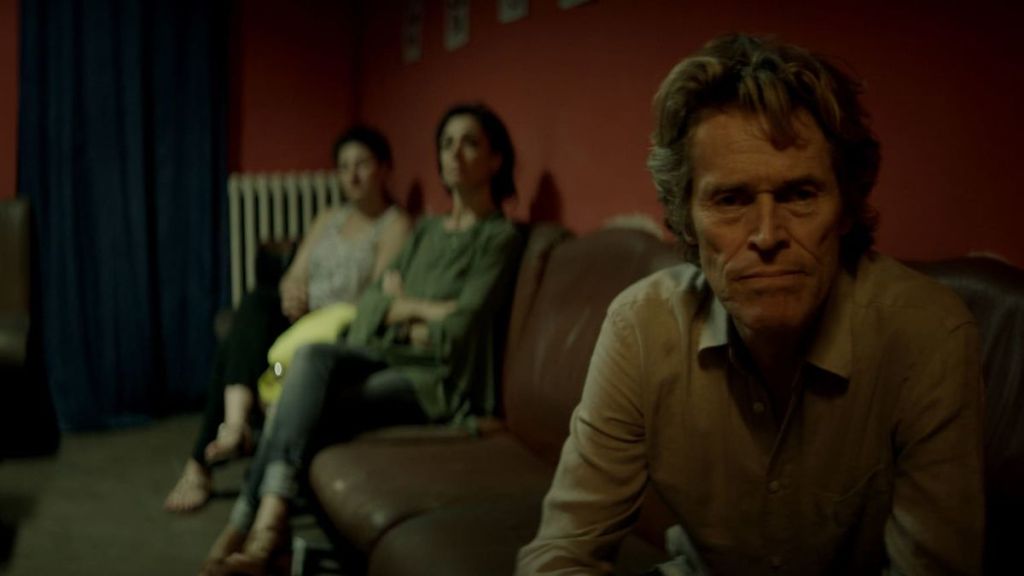
5. Tommaso (2019)
Genre: Psychological Drama
Abel Ferrara: Themes and Style
Themes:
- Transgression and Redemption: Ferrara’s films often delve into the lives of morally ambiguous characters struggling with their inner demons. He intricately explores themes of sin, redemption, and salvation, offering viewers a nuanced perspective on the human condition.
- Urban Decay: His films frequently spotlight the darker side of urban life, focusing on corruption, crime, and the underbelly of society. Ferrara illuminatively portrays cities as spaces that embody and exacerbate the struggles and dilemmas of their inhabitants.
- Isolation and Alienation: Characters in Ferrara’s films often grapple with feelings of isolation and alienation, reflected in their complex relationships with themselves and their surroundings. His storytelling approach accentuates the psychological depth and emotional intensity of these experiences.
- Addiction and Obsession: Many protagonists in his movies are dealing with various forms of addiction, whether to drugs, power, or other vices. These narrative elements serve as powerful metaphors for the broader human struggle with control and dependency.
Styles:
- Visual Aesthetic: Ferrara employs a raw, gritty aesthetic that enhances the realism and intensity of his films. His visual style is characterised by the use of handheld cameras, natural lighting, and on-location shooting, immersing viewers in the authentic atmosphere of the story.
- Narrative Structure: His films often adopt non-linear or fragmented narrative structures, mirroring the chaotic and unpredictable nature of the characters’ lives and the environments they inhabit. This technique allows Ferrara to delve deeper into the psychological and emotional dimensions of his stories.
- Provocative Imagery: Ferrara does not shy away from incorporating explicit and provocative imagery in his films, using it as a tool to engage with the audience on a visceral level and provoke reflection and debate on the issues and themes presented.
Directorial Signature:
- Character Study: Ferrara’s directorial approach is deeply invested in crafting complex, multifaceted characters that captivate and challenge audiences. His films often serve as in-depth character studies, exploring the protagonists’ psyche, motivations, and contradictions in nuanced detail.
- Ambiguity: He embraces ambiguity in storytelling, refusing to provide straightforward answers or resolutions to the conflicts and dilemmas presented in his films. This sense of uncertainty and open-mindedness is a hallmark of Ferrara’s work, inviting viewers to engage more actively with the material.
- Intimate Atmosphere: Despite their often-expansive urban settings, Ferrara’s films create an intimate atmosphere that brings audiences closer to the characters and their experiences. His directorial style fosters a sense of immediacy and emotional engagement, making his films compelling and impactful.
- Autobiographical Elements: Ferrara often incorporates elements from his own life and experiences into his films, lending them a personal, autobiographical quality. This self-reflective approach enhances the authenticity and emotional resonance of his work, connecting more deeply with audiences.
Abel Ferrara – Great Director


 Bronze Screen Dream