
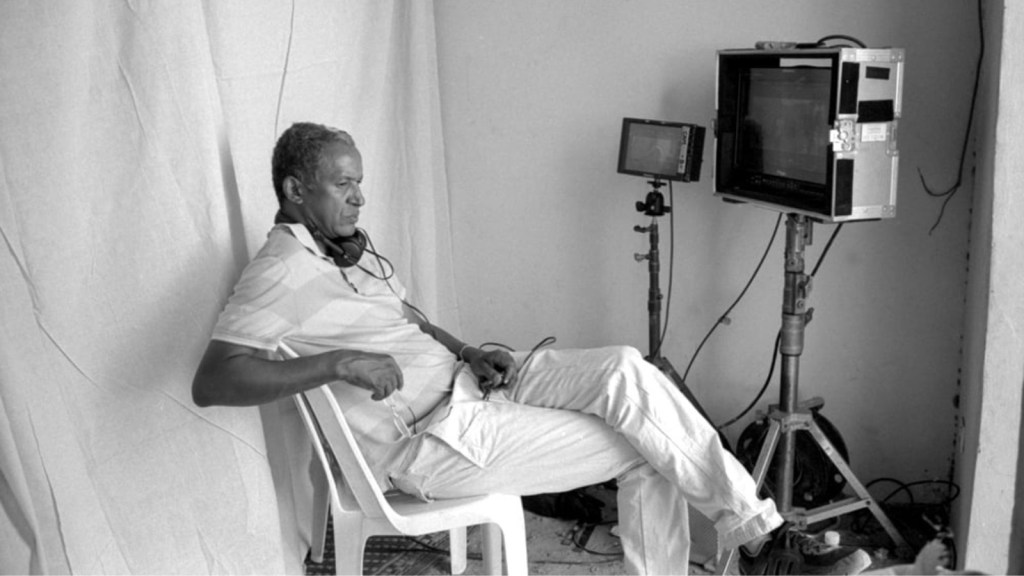
Abderrahmane Sissako is a Mauritanian filmmaker celebrated for his introspective and poetic films that often shed light on the socio-political issues of West Africa. His cinema is a masterful blend of visual lyricism and potent narratives, known for bringing attention to aspects of African life not commonly portrayed in mainstream media.
Sissako’s filmography explores of the human condition within the backdrop of pressing issues like globalisation, post-colonialism, and societal challenges in Africa. In Waiting for Happiness (Heremakono), he delves into the theme of alienation and belonging, portraying a young man’s struggle with his identity amidst the vast cultural gap between his home village and the broader world. Meanwhile, Bamako presents a mock trial of the World Bank and International Monetary Fund, addressing the consequences of neo-colonialism and the crippling debt crisis in Africa, all while humanising these subjects through personal stories interwoven in its narrative.
Visually, Sissako is known for his meticulous framing and evocative use of natural landscapes. His compositions, often punctuated with stillness, invite viewers to contemplate his characters’ inner worlds and their environments. In Timbuktu, perhaps one of his most internationally acclaimed works, the vastness of the Saharan desert is juxtaposed against the intimate human tragedies unfolding due to jihadist rule. Through it all, Sissako’s films embody hope and resilience, capturing the spirit of communities navigating the complexities of contemporary Africa.

Abderrahmane Sissako (1961 – -)
Calculated Films
- NA
Similar Filmmakers
- Djibril Diop Mambety
- Fanta Régina Nacro
- Flora Gomes
- Gaston Kaboré
- Hajooj Kuka
- Idrissa Ouedraogo
- Jean-Pierre Bekolo
- Mahamat-Saleh Haroun
- Mama Keita
- Moufida Tlatli
- Ousmane Sembene
- Rachid Bouchareb
- Raoul Peck
- Safi Faye
- Souleymane Cisse
- Tunde Kelani
- Yared Zeleke
- Youssef Chahine

Abderrahmane Sissako’s Top Films Ranked
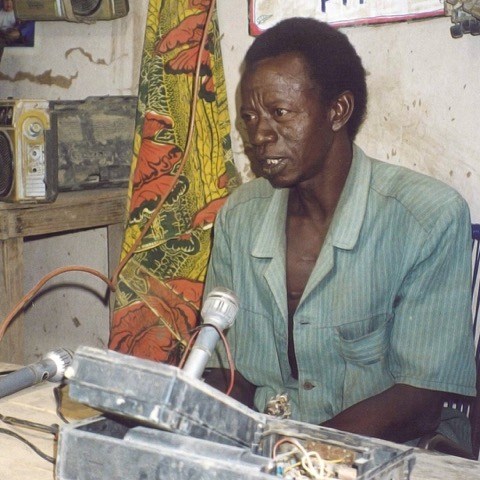
1. Bamako (2006)
Genre: Docudrama

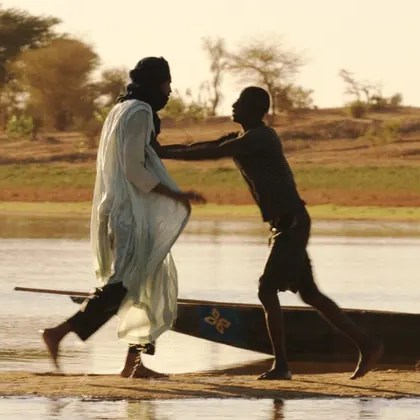
2. Timbuktu (2014)
Genre: Drama

3. Heremakono (2002)
Genre: Drama

4. Life on Earth (1998)
Genre: Comedy, Drama

Abderrahmane Sissako: Themes and Style
Themes:
- Socio-political Critique: Sissako’s films often provide a sharp commentary on pressing socio-political issues, such as the impacts of colonialism, the influence of international organisations in Africa, and religious extremism.
- Displacement & Migration: Many of Sissako’s characters grapple with feelings of alienation and displacement, reflecting broader narratives of migration, diaspora, and the quest for belonging.
- Intersection of Local and Global: Sissako masterfully depicts the tension between local African realities and global influences, addressing the implications of globalisation on African identity.
- Resilience of Culture: Despite often heavy subject matter, there’s a recurring motif celebrating the resilience and vibrancy of African culture, history, and traditions.
Styles:
- Lyrical Realism: Sissako combines the realism of daily life with poetic, almost dream-like sequences. This blend captures the beauty of ordinary moments while also underscoring deeper thematic undertones.
- Paced Storytelling: His narratives unfold at a contemplative pace, allowing viewers to immerse themselves in the environment, characters, and emotional landscape of the story.
- Visual Poetry: Sissako’s framing and composition are often said to resemble moving paintings. His keen eye for detail accentuates the beauty and complexity of African landscapes and urban environments.
- Intertwined Narratives: Rather than linear, straightforward stories, Sissako often interweaves multiple narrative threads, making his films layered and multidimensional.
Directorial Signature:
- Authenticity: Sissako prioritises authenticity in portraying African stories, often filming on location, using local actors, and incorporating local languages.
- Interplay of Sound and Silence: He utilises silence as effectively as sound, letting the natural ambience or the absence of noise convey emotion or drive home a point.
- Dialogic Engagement: Sissako’s films initiate a dialogue instead of presenting didactic answers. They ask questions, provoke thought, and invite the viewer to engage critically with the content.
- Integration of Personal and Political: Many of Sissako’s films blur the lines between the personal and political. Individual stories often become vessels to delve into broader socio-political discussions, making his movies intimate and universally relevant.
Abderrahmane Sissako – Great Director


 Bronze Screen Dream