
Some films don’t get their just desserts. It’s not fair, but it happens; sometimes it’s because they don’t fit into their director’s filmography, and sometimes they’re just perceived to be lacking that special something. This article sheds light on ten overlooked films by iconic directors, each a gem worth discovering and treasuring by cinephiles and casual viewers alike.
1. The Straight Story (1999)

David Lynch is a director synonymous with the surreal and the unnerving, as seen in works like “Blue Velvet” and “Mulholland Drive”. However, he also made the less-seen, unexpectedly tender and straightforward film “The Straight Story”. This film tells the true story of Alvin Straight, an elderly man who embarks on a six-month journey across the American Midwest on a lawnmower to reconcile with his estranged brother.
“The Straight Story” showcases Lynch’s unique ability to elicit deep emotion and intimacy from simple human stories without the need for his typical visual and narrative complexities. This film is a celebration of the human spirit, the significance of family, and the quiet, unexpected beauty found in life’s journey, themes which are universal and timeless.
Richard Farnsworth’s poignant and authentic portrayal of Alvin Straight earned him an Academy Award nomination for Best Actor. His performance, supported by Sissy Spacek and others, brings warmth and quiet dignity to the film, making it an emotional watch for viewers.
In contrast to Lynch’s signature style, “The Straight Story” unfolds slowly, with a measured pace that allows the audience to fully immerse themselves in Alvin’s journey and the stunning Midwestern landscapes. This film is a departure from Lynch’s oeuvre. Still, it is a touching and deeply human work that deserves more attention and recognition than it typically receives in discussions of the director’s career.
For those who appreciate Lynch’s genius but are seeking something different from his hallucinatory, often disconcerting style, “The Straight Story” provides a gentle and meditative experience that is worth watching and re-watching.
2. The Sugarland Express (1974)

Steven Spielberg has been such an omnipresent figure in American cinema that it probably feels like he’s always been there. Still, before his blockbusters and box office hits, he was just another director trying to break into the oasis of New Hollywood. His 1974 effort, “The Sugarland Express”, marked his feature theatrical directorial debut, and it showcases the early emergence of his storytelling prowess and technical skill.
Based on a true story, the film stars Goldie Hawn and Ben Johnson, chronicling a desperate mother’s attempt to reunite her family by helping her husband escape from prison. Together, they unintentionally kidnap a police officer, and what ensues is a chaotic and tragicomic chase across Texas, with a convoy of law enforcement in pursuit.
“The Sugarland Express” displays the thematic seeds and visual style that would become Spielberg’s trademarks: a focus on family dynamics, a sympathetic view towards everyday individuals in extraordinary circumstances, and kinetic, engaging action sequences. Despite its action-packed premise, the film is deeply emotional and humorous, offering a balanced and entertaining viewing experience.
Though less polished than his later works, Spielberg’s directorial voice is evident in the film. He successfully combines drama, comedy, and action, creating a thrilling narrative that keeps the audience invested in the characters’ journey. The film also highlights Spielberg’s adept use of the camera and his ability to craft visually memorable and impactful sequences, even with a limited budget and resources.
It’s not a great film, so it isn’t necessarily overlooked but if you’re a fan of his style, “The Sugarland Express” is an essential enigma machine to understanding Spielberg’s evolution. For cinephiles and Spielberg enthusiasts alike, this film offers a fascinating glimpse into the early career of one of cinema’s most iconic and enduring directors.
3. Silent Movie (1976)
Mel Brooks is best known for his outrageous comedies and parodies like “Blazing Saddles” and “Young Frankenstein.” He enjoyed a long, rich career which has its fair share of underseen gems, such as “High Anxiety” and “Silent Movie,” which remain overlooked despite their unique approaches to comedy.
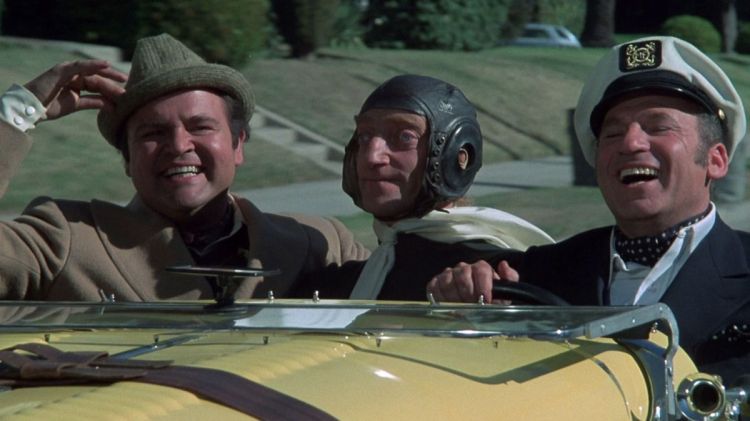
“Silent Movie” is a rare gem in that it is a modern silent comedy film – a deliberate homage to the silent film era, relying on visual gags and physical comedy to deliver laughs without spoken dialogue, a daring move in the 1970s cinema landscape. With only a single word spoken throughout its runtime, it brilliantly demonstrates Brooks’s ability to craft humour that transcends verbal language, making it a universal viewing delight.
The film, starring Brooks himself alongside Marty Feldman and Dom DeLuise, involves a trio of filmmakers attempting to produce a silent movie in a bid to save their studio from financial ruin. “Silent Movie” includes delightful cameos from stars of the era like Burt Reynolds, James Caan, and Paul Newman, all of whom engage in entertaining antics that contribute to the film’s playful tone and atmosphere.
Although it does not carry the same fame or instant recognition as some of Brooks’s other works, “Silent Movie” shows the director’s creativity and his deep understanding of and respect for the history of cinema. By revisiting and revitalising the silent film format, Brooks acknowledges the roots of film comedy while adding his unique twist, making it accessible and enjoyable for audiences of his time and beyond.
For fans of comedy and cinema history alike, “Silent Movie” offers a chance to experience a unique convergence of both, served with Mel Brooks’s signature wit and comedic timing. It’s a piece of nostalgic reverence, showcasing the timeless nature of visual humour and the enduring appeal of silent films when executed with love and mastery.
4. One From the Heart (1982)
Best known as one of the films which ended New Hollywood, “One From the Heart” is a visually stunning feature which deserves more attention for its cinematic qualities and bold experimentation with aesthetics and sound.
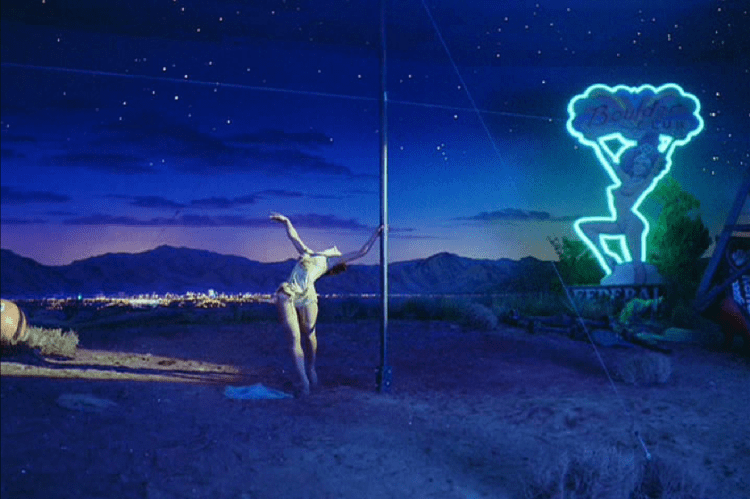
“One From the Heart” is a romantic musical that brings the audience into the lives of a couple living in Las Vegas who, after splitting up, explore new romantic possibilities. The film is noted for its departure from conventional storytelling, focusing instead on creating a dream-like atmosphere with its extravagant sets, elaborate lighting, and an evocative score by Tom Waits.
Francis Ford Coppola envisioned this project as a creative playground where he could experiment with visual and narrative styles. It is a celebration of stylistic excess, with each frame meticulously crafted to offer a visually sumptuous experience. The director’s use of colour and light, in conjunction with Waits’ atmospheric music, generates a mood that oscillates between melancholic and whimsical, reflecting the complex emotional landscape of romantic relationships.
However, the film was not well-received upon its initial release, perhaps due to its narrative thinness and the audiences’ expectations for something more traditional from Coppola. “One From the Heart” was a box office failure and was generally dismissed by critics. In the subsequent years, though, it has garnered a cult following and is appreciated for its innovative use of space, colour, and music, as well as its attempt to revitalise the musical genre.
“One From the Heart” offers a fascinating glimpse into Coppola’s visionary mind. It is a work of grand ambition and stunning visuals, an experimental film that demonstrates the director’s willingness to take risks and push the boundaries of cinematic expression. This underappreciated gem, with its magical realism and visual poetry, presents an opportunity to explore a different, more whimsical side of Coppola’s directorial genius.
5. Everyone Says I Love You (1996)

Woody Allen has made a hit in every decade since the 1960s; comparatively, the 90s were a bit of a weaker decade for him. Yes, he had big successes like “Husbands and Wives”, but generally, it wasn’t his best time. Renowned for his sharp wit, neurotic characters, and distinctive take on love and relationships, he stepped into the realm of musicals with “Everyone Says I Love You”. This 1996 film often takes a backseat in discussions about Allen’s extensive filmography, overshadowed by his iconic works such as “Annie Hall” and “Manhattan”. However, “Everyone Says I Love You” deserves a spotlight for its unique blend of whimsical musical numbers and Allen’s signature comedic style.
“Everyone Says I Love You” boasts a star-studded ensemble cast including Julia Roberts, Alan Alda, Drew Barrymore, and Edward Norton, among others. Set in the enchanting cities of New York, Venice, and Paris, the film follows the lives and romantic entanglements of a well-off American family, incorporating song and dance sequences that are both charming and unpolished, reflecting the characters’ endearing vulnerabilities.
What makes this film particularly noteworthy is Allen’s choice to have his actors, regardless of their singing ability, perform their own musical numbers. This approach lends authenticity and relatability to the film, making the characters’ joys, sorrows, and romantic pursuits all the more engaging and believable to the audience.
“Everyone Says I Love You” celebrates love in its multifaceted glory, encapsulating the bliss, heartache, and absurdity that accompany romantic relationships. The film embraces the unpredictable and often nonsensical nature of love, echoing the complexities of life itself, all while wrapped up in the delightful package of a musical comedy.
6. Margaret (2011)
Kenneth Lonergan has only made three films; each of them is a masterpiece, and each deserves to be widely seen. His first film, “You Can Count on Me,” and his latest work “, Manchester by the Sea”, are both fairly well appreciated, but his middle effort, Margaret, achieved much more limited success despite being the strongest of the three films.
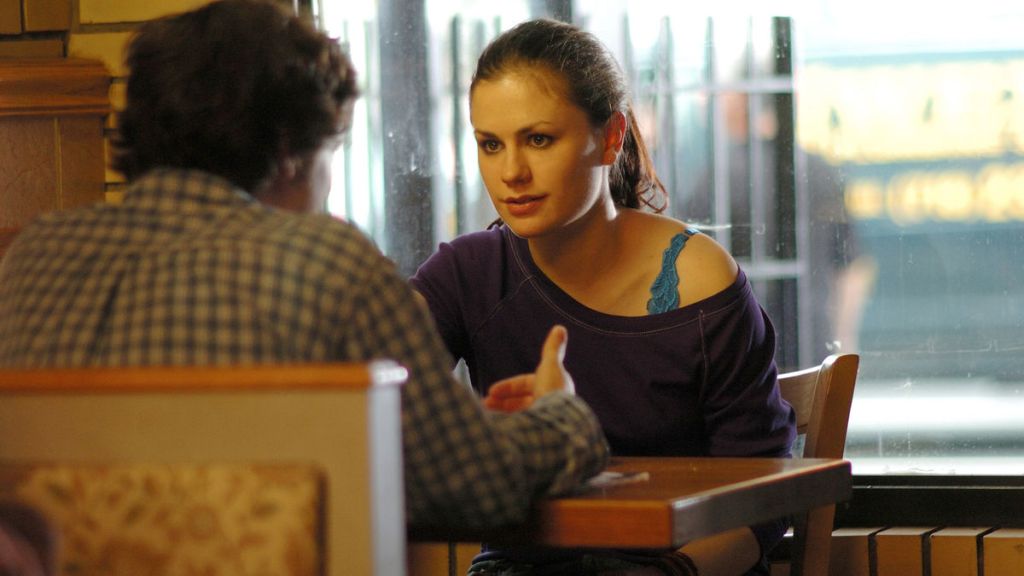
The film is centred around Lisa Cohen, played by Anna Paquin, a high school student who inadvertently plays a role in a tragic bus accident. The aftermath sees Lisa embroiled in guilt, anger, and moral ambiguity as she navigates through her relationships with family, friends, and herself. Paquin’s compelling performance is supported by a cast that includes Matt Damon and Mark Ruffalo, each delivering nuanced and touching portrayals of their respective characters.
What makes “Margaret” stand out is its intricate narrative and the complexity with which it approaches themes of guilt, morality, and the tumultuous journey of adolescence. Lonergan’s screenplay is both incisive and poetic, providing a canvas for characters who are deeply flawed yet inherently human. The film does not offer easy answers but invites viewers to grapple with its challenges and complexities along with its protagonist.
Despite its initial lack of commercial success, “Margaret” garnered a cult following and received critical acclaim for its unflinching look at the human condition and moral dilemma. The film is dense, sprawling, and occasionally chaotic, mirroring the tumultuous inner life of its central character and the bustling, indifferent city that forms its backdrop.
7. Killer Joe (2011)
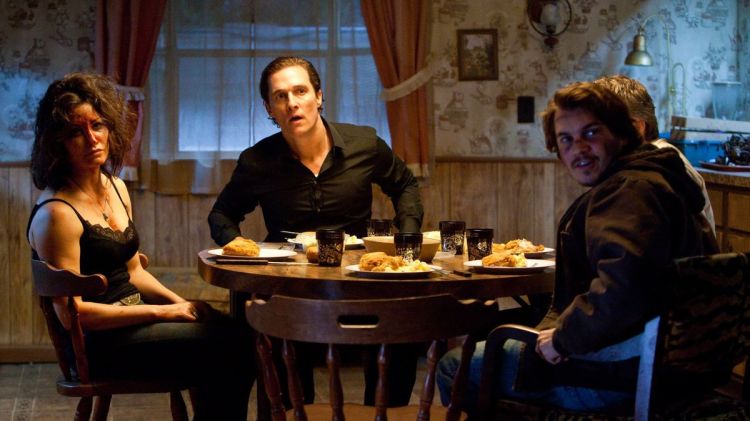
The recent passing of William Friedkin has led to some reappraisal of his works, although most attention is directed towards his hallowed 70s era. His groundbreaking horror classic “The Exorcist” and the action-packed “The French Connection” often overshadow his smaller, equally intriguing projects with his more popular works. One such film is “Killer Joe”, a 2011 black comedy crime film that is often overlooked, even by ardent cinephiles.
“Killer Joe” explores the dark, unsettling corners of human nature, revolving around a young man who finds himself in debt and decides to have his evil mother killed to claim the insurance money. He hires Joe Cooper, a corrupt, smooth-talking police detective and contract killer played masterfully by Matthew McConaughey. McConaughey’s chilling performance as the titular character showcases his ability to navigate through sinister and charming territories with ease, revealing a side of his acting rarely seen before.
The film is unapologetically violent and intense, with a script (penned by Tracy Letts, who also wrote the play upon which the film is based) that doesn’t shy away from the morbid humour and amorality of its characters. Friedkin directs with a controlled hand, crafting scenes that are both uncomfortable and darkly funny, keeping the audience on tenterhooks throughout.
“Killer Joe” received an NC-17 rating for its graphic content, which perhaps contributed to its limited release and reception. Despite its divisive nature, the film has garnered a cult following over the years, with many praising its fearless performances, sharp writing, and Friedkin’s uncompromising direction.
Within “Killer Joe”, Friedkin creates a claustrophobic, seedy world that’s repulsive yet fascinating, showcasing his adept handling of tension and atmosphere in various film genres. For audiences who can stomach its brutality and appreciate its dark humour, “Killer Joe” is an overlooked gem that offers a gritty, unrelenting portrayal of desperation and wickedness, reflecting the lesser-seen but undeniably captivating side of Friedkin’s directorial prowess.
8. Bringing Out the Dead (1999)

There are plenty of overlooked Martin Scorsese classics, “After Hours” or “Silence” could be good picks, but we’re highlighting “Bringing Out the Dead.” This overlooked gem offers audiences a glimpse into Scorsese’s perspective on redemption, torment, and the human soul amidst the chaos of New York City’s nocturnal landscape.
“Bringing Out the Dead” stars Nicolas Cage as Frank Pierce, a burnt-out paramedic haunted by the ghosts of those he couldn’t save. Throughout three tumultuous nights, the film dives deep into Frank’s psyche, portraying his struggle to maintain his sanity in a world filled with suffering and decay. Scorsese’s film is an intense, hypnotic journey through a man’s desperate search for salvation in a city that seems to have lost its soul.
The film is haunted by its frenetic, hallucinatory visual style, reflective of Frank’s unstable mental state. With Thelma Schoonmaker’s editing and Robert Richardson’s cinematography, the movie captures the feverish energy and desperate sadness of life and death in the urban jungle. The soundtrack, ranging from punk rock to ambient, intensifies the emotional roller-coaster that the characters—and the audience—experience.
Despite its heavy themes, “Bringing Out the Dead” is not devoid of hope. It is a meditative exploration of healing and the possibility of redemption amidst pain. The film’s unsung brilliance lies in its ability to balance darkness and light, cynicism and faith, in a narrative that is both harrowing and strangely uplifting. Scorsese’s deft direction and Cage’s committed performance make this film a powerful, if underrated, entry in both of their careers.
9. 25th Hour (2002)
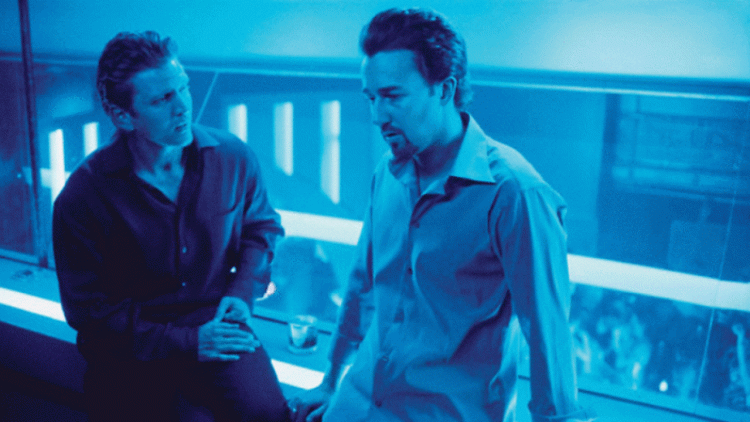
While director Spike Lee is universally celebrated for films such as “Do the Right Thing” and “Malcolm X”, one work which isn’t often mentioned as one of his standouts is “25th Hour.” It is an eloquent, contemplative film that digs deep into the human psyche, exploring themes of redemption, friendship, and the daunting reality of facing consequences.
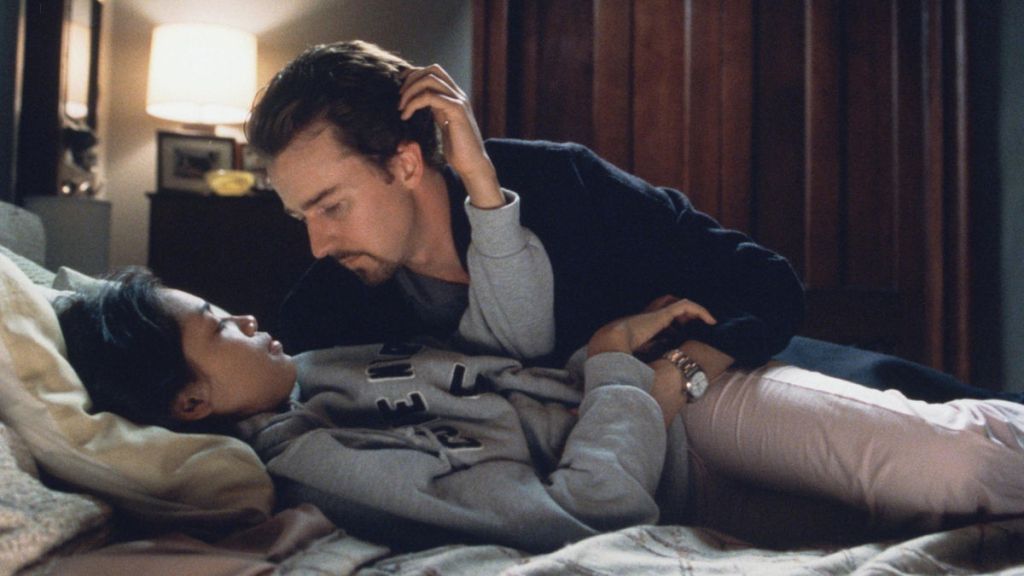
“25th Hour” stars Edward Norton as Monty Brogan, a man with just 24 hours of freedom left before he begins serving a seven-year prison sentence for drug dealing. The narrative unfolds within this constrained time frame, offering a glimpse into Monty’s introspective journey as he reflects on his life choices, bids farewell to his closest friends and his father, and contemplates the uncertainty of his future.
Lee’s direction in this film is notably subdued and introspective compared to his more confrontational works. The film, supported by a strong script by David Benioff, allows the characters to breathe, exposing their flaws and vulnerabilities in a way that feels genuine and relatable. The post-9/11 New York City setting also adds a layer of tension and melancholy to the film, subtly reflecting the characters’ internal turmoil.
The ensemble cast, including Philip Seymour Hoffman, Barry Pepper, and Rosario Dawson, delivers outstanding performances that heighten the emotional resonance of the narrative. Norton, in particular, is in top form, presenting a character that is complex, sympathetic, and deeply human.
10. The Hudsucker Proxy (1994)
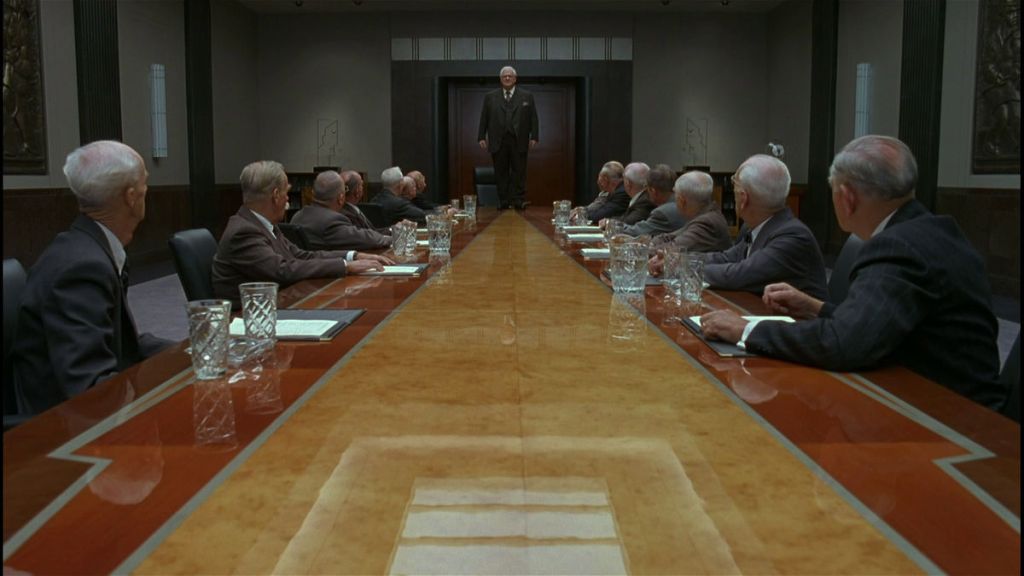
“The Hudsucker Proxy” is often eclipsed by other notable films in the Coen Brothers‘ extensive and acclaimed filmography, which includes classics like “Fargo,” “The Big Lebowski,” and “No Country for Old Men.” Directed by Joel Coen, this 1994 film is a hidden gem that is deserving of a second look for its whimsical style, sharp wit, and homage to the classic screwball comedies and Frank Capra films of the 1930s and 1940s.
Set in 1958, the narrative of “The Hudsucker Proxy” unfolds within the towering skyscraper of Hudsucker Industries. When the company’s founder leaps to his death, the board of directors, led by the villainous Sidney Mussburger (Paul Newman), devises a scheme to depress the company’s stock value to acquire it cheaply. They appoint the naïve and gullible Norville Barnes (Tim Robbins) as the president, anticipating his incompetence will tank the company. However, Barnes inadvertently turned the company’s fortunes around with the invention of the hula hoop.
Featuring breathtaking cinematography and elaborate set designs that evoke the period’s corporate grandiosity, “The Hudsucker Proxy” provides a visual feast. It marries the Coens’ trademark dark humour with a surprisingly optimistic and romantic storyline, with Jennifer Jason Leigh delivering a standout performance as the fast-talking reporter Amy Archer.
The film’s intricate narrative structure, rapid-fire dialogue, and larger-than-life characters echo the golden era of Hollywood filmmaking. At the same time, the Coens’ unique voice and modern sensibilities provide a fresh and subversive twist. Although it may not have garnered the same level of attention or acclaim as some of their other works upon its release, “The Hudsucker Proxy” has since found a devoted audience who appreciates its blend of humour, romance, and nostalgia for a bygone era of American cinema.
 Bronze Screen Dream