

The 1970s were the golden age of disaster movies, a film genre that offered thrills and excitement by portraying catastrophic situations, often of an epic scale. Whether it was an overturned ship, a skyscraper on fire, or the aftermath of a global biological war, these films gave viewers an adrenaline rush from the safety of their seats.
These films capitalised on advancements in special effects, generating a spectacle of terror and destruction that was simultaneously exciting and terrifying. While many of these movies might feel dated by today’s standards, given the evolution of special effects, they still offer a fun and nostalgic viewing experience.
Disaster movies were among the first true blockbusters and paved the way for spectacle-driven summer movies characterising modern cinema. As such, they offer not only a glimpse into the fears and anxieties of the time but also into the development of pop cinema.
Not every film on this list is technically great, but they all capture that special 70s disaster film feeling.

15. Flood!
Flood! is a 1976 disaster movie directed by Earl Bellamy. The plot centres around a rain-swollen dam threatening to destroy a town, creating a tense race against time to prevent the impending disaster. The film leverages practical effects to depict the massive flooding with a level of realism.
Unlike many films on this list, Flood doesn’t particularly hold up. Yes, it’s got a good suspenseful storyline, and Robert Culp and Martin Milner put in good performances, but it’s very predictable, very dated, and very melodramatic.
14. Tidal Wave
Tidal Wave, a South Korean-Japanese film from 1973 directed by Shiro Moritani, tells the story of a devastating tsunami threatening the coasts of Japan and Korea. The film stands out for its impressive special effects depicting the giant wave and the subsequent destruction.
The movie is relatively unique in this list, as it’s the only non-American film here. It’s not a particularly amazing film – It is poorly paced and overtly melodramatic. But there are some impressive disaster sequences here which make it worth a watch.
13. The Swarm
The Swarm, directed by Irwin Allen in 1978, revolves around the disastrous scenario of a massive swarm of killer bees attacking Texas. The film attempted to induce fear by using real bees in many scenes, providing a sense of authenticity to the otherwise fantastical scenario.
A key strength of The Swarm is its unique disaster concept, which strays from traditional natural calamities and taps into common fears about nature’s smallest creatures. However, as with many Irwin productions, its plot is implausible, and its actors are guilty of over-the-top acting. Despite this, it’s gained a cult following over the years, with viewers enjoying its campy approach to the disaster genre.

12. Rollercoaster
Rollercoaster, a 1977 film directed by James Goldstone, presents a unique disaster scenario where a terrorist targets amusement park rides. One of the interesting features of the film is the use of Sensurround, which was designed to provide physical sensations to the audience, mimicking the experience of riding a rollercoaster.
The movie’s strengths lie in its unconventional disaster scenario and its successful use of tension throughout. However, it suffers from some pacing issues and a lack of depth in its primary antagonist. Despite these issues, the film remains entertaining, particularly for its suspenseful scenes and use of Sensurround.
11. The Hindenburg
Directed by Robert Wise, The Hindenburg is a 1975 film that retells the tragic story of the LZ 129 Hindenburg airship disaster. The film creatively uses actual newsreel footage of the disaster, providing an eerie realism to the film’s climax.
One of the film’s major strengths is its historical backdrop and the solid performances of George C. Scott and Anne Bancroft. However, the fictional conspiracy plot surrounding the disaster veers the film from actual historical events, making it an odd watch. Despite the film’s somewhat dated special effects, The Hindenburg offers an intriguing blend of historical drama and disaster film that can be compelling for viewers interested in the period.
10. Two-Minute Warning
Two-Minute Warning, directed by Larry Peerce and released in 1976, presents a high-stakes disaster scenario set in a football game. A sniper positions himself in the stadium, and the authorities must neutralise the threat before tragedy strikes. The film is less reliant on technical feats than other disaster films and more interested in creating tension and suspense.
The film does some things well, like its pacing, pacing, sense of impending disaster and the performances of Charlton Heston and John Cassavetes. However, it’s another shallow film as far as character depth is concerned. It’s also rather simple, dated and doesn’t hold up today.
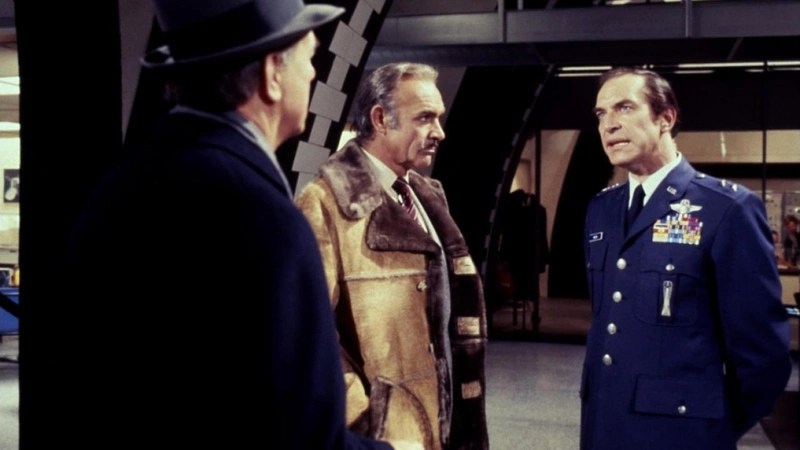
9. Meteor
Meteor, a 1979 film directed by Ronald Neame, who also made The Poseidon Adventure, depicts a giant meteor hurtling towards Earth, threatening to cause an extinction-level event. The movie is notable for its use of miniatures and practical effects to represent the space disaster, which was quite innovative at the time.
The movie shines in its depiction of international cooperation in the face of disaster, aided by strong performances from Sean Connery and Natalie Wood. However, it’s marred by a slow build-up and awkwardly inserted romantic subplots. While the movie doesn’t completely hold up due to outdated special effects and pacing issues, Meteor remains a good example of the 1970s fad.
8. The Omega Man
The Omega Man, directed by Boris Sagal and released in 1971, veers more towards the post-apocalyptic genre than a strict disaster film. Charlton Heston stars as the lone survivor of a global biological war, struggling against nocturnal mutants in a deserted Los Angeles. The film’s distinct dystopian visuals and the haunting depiction of an empty metropolis are among its unique technical features.
The film’s greatest asset is its engaging central performance from Heston and its chilling portrayal of post-apocalyptic isolation. However, it’s somewhat hampered by dated special effects and a sometimes preachy tone. Although it shares more in common with rare 70s post-apocalypse films, the movie perfectly fits as a disaster film due to its use of stars and ‘end of the world’ plot.
7. The Andromeda Strain
The Andromeda Strain, directed by Robert Wise in 1971, is based on the novel by Michael Crichton. It tells the story of a group of scientists racing against the clock to stop a lethal alien virus that threatens to wipe out life on Earth. The film stands out for its painstaking attention to scientific detail, reflecting Crichton’s medical background and lending credibility to the film’s plot.
The film’s strengths include its intriguing premise, attention to scientific detail, and suspenseful atmosphere. However, its pace is slower than most of the movies on this list, and the dialogue is filled with obtuse technical jargon, factors that might make the film harder to get into for many viewers. Despite this, The Andromeda Strain holds up well due to its realistic approach to the science fiction genre and its relevance regarding recent pandemics.

6. The Cassandra Crossing
The Cassandra Crossing is a 1976 disaster thriller directed by George P. Cosmatos. The movie’s plot revolves around a train from Geneva to Stockholm that gets sealed off and rerouted because a deadly disease has infected some passengers. The film’s tense, claustrophobic setting makes it a little more unique in the disaster genre.
The movie’s pros include its suspenseful, high-stakes storyline and strong performances from an ensemble cast that includes Sophia Loren, Richard Harris, and Martin Sheen. However, the dated film’s plot often verges on the implausible, and the character development is minimal.
5. Avalanche
Directed by Corey Allen, Avalanche is a 1978 disaster movie in which a colossal avalanche threatens a winter resort following an irresponsible businessman’s actions. While not as technically revolutionary as some contemporaries, the film features impressive practical effects in its avalanche sequences.
One of the film’s key strengths is the suspense that builds as the audience waits for the inevitable disaster to strike. The charismatic performances of Rock Hudson and Mia Farrow are also pretty impressive. However, the special effects used to portray the avalanche are very dated, and the characters aren’t very richly developed.
4. Airport
Airport is a 1970 disaster film directed by George Seaton. The film sets its drama at a major airport in the throes of a brutal snowstorm and a concurrent plot involving a suicidal bomber aboard an outbound flight. This movie is known for its meticulous depiction of airport operations and the aviation industry, providing a detailed backdrop for the unfolding disaster.
The film’s strength lies in its layered plot, gripping tension, and strong performances from an ensemble cast, including Burt Lancaster, Dean Martin, and Jacqueline Bisset. However, the movie’s melodramatic dialogue and unbelievable plot points make it a bit of a drag. Nevertheless, Airport still holds up for its sheer entertainment value. It was successful enough to spawn several sequels, establishing a franchise capitalising on its winning formula.

3. The Towering Inferno
The Towering Inferno is a 1974 disaster film directed by John Guillermin, with action scenes directed by Irwin Allen. It centres around a skyscraper that catches fire during its opening celebration, leaving its high-profile guests trapped on the top floor. A key aspect of the film’s production was the scale of its set design and pyrotechnics, with some of the most impressive fire sequences seen in cinema at the time.
The movie boasts an all-star cast, including Steve McQueen, Paul Newman, and Faye Dunaway, whose performances provide emotional weight amidst the action. However, the film’s nearly three-hour running time and several subplots detract from the main narrative, making it somewhat bloated. The Towering Inferno is a classic example of the disaster genre, delivering high-stakes suspense and grandiose action scenes that keep the audience on the edge of their seats, supported by a star-studded ensemble.
2. Earthquake
Directed by Classic Hollywood director Mark Robson, Earthquake is a 1974 disaster film portraying the catastrophic aftermath of a massive earthquake in Los Angeles. The movie became famous for its innovative use of Sensurround sound technology, which mimicked the physical effects of an earthquake in the cinema. This technique was quite ahead of its time, providing an immersive experience that made audiences feel like they were experiencing the tremors themselves.
The film is lauded for its suspenseful narrative and realistic portrayal of a natural disaster, supplemented by the groundbreaking use of Sensurround. Despite this, Earthquake suffers from a somewhat formulaic storyline and lacklustre character development, typical cons for many disaster films of the era. However, the immersive disaster scenes and the visceral experience provided by the Sensurround technology ensure the movie retains its appeal. Even decades later, it remains an interesting watch for its innovative approach to sound design and its depiction of one of nature’s most terrifying phenomena.

1. The Poseidon Adventure
The Poseidon Adventure is a disaster film directed by Ronald Neame and released in 1972. The movie tells the story of a group of passengers who struggle to survive after a massive tidal wave overturns their luxury ocean liner, forcing them to navigate the upside-down vessel and reach the bottom (now the top) for any chance of rescue. The film is especially known for its elaborate set designs that authentically recreate the disoriented, upside-down world of the capsized ship, a technical marvel in the ’70s.
Among the film’s pros are its engaging plot, high stakes, and solid performances from a star-studded cast, including Gene Hackman, Ernest Borgnine, and Shelley Winters. The high-tension action scenes and a palpable sense of danger hold the audience’s attention throughout. However, some characters are rather one-dimensional, and the plot can occasionally veer into melodrama. Despite these cons, The Poseidon Adventure still holds up well today, primarily due to its thrilling, survival-centric premise, strong emotional core, and memorable portrayal of the human struggle against overwhelming odds.
Final Thoughts
The disaster movies of the 1970s were more than just cinematic catastrophes; they were cultural phenomena that reflected society’s anxieties and fears while pushing the boundaries of film technology and special effects. With their high-stakes plots, star-studded casts, and unprecedented scale, these films were among the first blockbusters, creating a template that has continued to shape the film industry.
While they may seem antiquated compared to the CGI-laden spectacles of the 21st century, there’s an undeniable charm to these pioneering disaster films. Their grandeur, raw and palpable sense of danger, and human stories of survival resonate with viewers even today. These movies weren’t just about the disasters they depicted but also about the resilience and courage of the human spirit in the face of overwhelming adversity. In this sense, the 1970s disaster films can still captivate modern audiences, offering a window into an era when blockbuster cinema was just beginning to find its footing.
 Bronze Screen Dream