
Spike Lee is one of the most important filmmakers ever to emerge from the US independent scene when he’s not busy watching basketball or appearing in media interviews. When he first started to break through in the 1980s, few directors were even making indie films – Jim Jarmusch, John Sayles, etc. – That’s ignoring the fact that there simply wasn’t a major African-American director active. Yes, there was Charles Burnett, but he couldn’t get a project greenlit despite his talents.
Everything signalled that Lee would struggle in his career. He was an anticonformist. He could never kowtow to studio demands. Yet, Lee never cared about what anyone thought. Bash! – He didn’t walk into the room; he bashed the door down and forced the world to watch his films.
The best of them still feel as original as they did the day they were made – often depressingly ahead of their time.
Lee’s 66 now, and he is no longer the wild feverish talent he once was. He’s now an elder statesman with a deal with Netflix. During the 00s and 10s, Lee struggled to define himself, but in recent years, since BlackKklansman, he’s been on a role.
To celebrate the daring maverick, we’ve ranked every film he’s ever made, including TV films, stage plays and documentaries.

32. She Hate Me (2004)
She Hate Me is a classic example of what can happen when an ambitious filmmaker’s reach exceeds their grasp. The narrative’s sprawling ambition ultimately proves too cumbersome for the film to manage. It opens with a promising premise about corporate whistleblowing but quickly devolves into a haphazard critique of sexual politics. In a vacuum, these themes could offer rich material for a challenging and confrontational piece of cinema, but they’re mixed into an indigestible brew.
The central character, John Henry “Jack” Armstrong’s bizarre pivot from a dismissed corporate executive to a professional impregnator of lesbians feels like a misguided and unfocused attempt at satire. The fact that these women then caricature-icily change their sexual orientation after being with him adds a problematic and confusing tone to an already disjointed narrative. It’s a huge misstep, making the film feel particularly tone-deaf.
Despite featuring a committed performance from Anthony Mackie, the rest of the ensemble struggle under the weight of the disjointed script. Characters are woefully underdeveloped, and their motivations remain unclear throughout. They’re simply not given enough room to breathe or evolve meaningfully, resulting in a lack of connection between the audience and the characters.
From a technical perspective, the film exhibits Lee’s flair for dynamic and visually inventive storytelling. Yet, this alone cannot save the movie from its myriad of narrative issues. Indeed, it often feels as though the stylised aesthetic choices are there to distract from the story’s convoluted nature.
31. Oldboy (2013)
Spike Lee’s Oldboy, a remake of Park Chan-wook’s cult classic, stumbles and falls far from its origin. The original was a visceral, intricate exploration of revenge and the cyclical nature of violence. Yet, Lee’s rendition feels oddly hollow and sanitised, failing to tap into its predecessor’s bleak, stomach-churning despair.
The film’s protagonist, Joe Doucett, played by Josh Brolin, makes a valiant effort, but the neutered storytelling undermines it. Doucett’s journey, which should be a gut-wrenching spiral into the depths of personal hell, feels more like a generic thriller than a harrowing exploration of human monstrosity.
The decision to remake such an iconic film was daring – I guess – but the execution lacked boldness. The film’s violence is polished and lacks the raw, frenzied nature of the original. The infamous hammer scene is recreated here, but without the visceral, brutal urgency that made the original so unforgettable. It all feels a bit too stylised and choreographed, thereby lacking the gritty, grimy texture of the original.
It’s rushed and underdeveloped. The mystery of the original film is simplified, and plot developments feel less like shocking revelations and more like bullet points in a preordained list.
30. Da Sweet Blood of Jesus (2014)
Spike Lee’s Da Sweet Blood of Jesus is a film that tries to say a lot but ultimately ends up saying very little. As an exploration of race, religion, and addiction, it’s an ambitious project. However, the film falters in its execution, resulting in a disjointed and often confusing narrative.
At its heart, the film is a horror story centred on the character of Dr Hess Green, a wealthy anthropologist who becomes a vampire after encountering an ancient African artefact. The idea of juxtaposing the horror genre with themes of historical trauma and contemporary addiction is intriguing, but the potential is squandered.
The film’s biggest weakness is its uneven tone, oscillating between serious drama, awkward humour, and low-budget horror. This lack of tonal consistency undermines the film and makes it disorientating. It’s hard to understand what the film is trying to achieve and what reaction it wants to elicit from its audience.
Additionally, the performances in Da Sweet Blood of Jesus are inconsistent. While Stephen Tyrone Williams gives a commendable performance as Green, the rest of the cast delivers performances that range from stilted to over-the-top. This lack of uniformity further exacerbates the film’s tonal inconsistency.
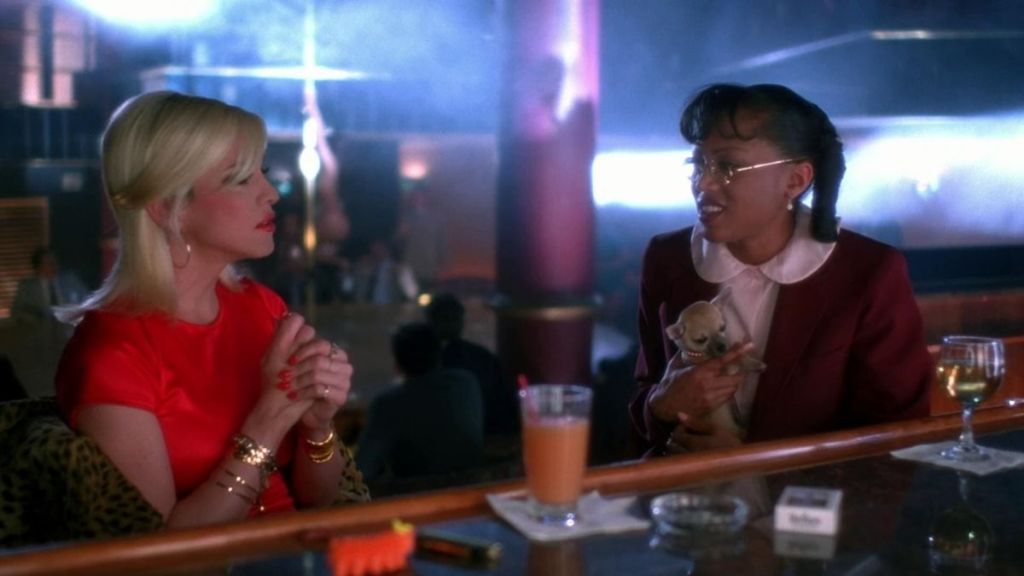
29. Girl 6 (1996)
Girl 6 is a film that theoretically could provide a deep and nuanced exploration of a woman’s journey in a society that commodifies her. The premise of a struggling actress turning to phone sex operating to make ends meet promises a provocative and incisive look at gender, sexuality, and the intersection of art and commerce. Unfortunately, the film’s execution falls short of its potential.
Theresa Randle’s performance as the titular ‘Girl 6’ stands out, delivering a potent mix of vulnerability and resilience. However, her strong performance isn’t enough to save the film from its major pitfalls. Most glaringly, the film’s narrative is uneven, struggling to find a cohesive throughline. It meanders from one subplot to another without fully developing any of them.
The film also fails to delve deep enough into its central themes. It hints at a commentary on the objectification of women, the nature of performance, and the commodification of intimacy, but these ideas are not thoroughly explored. Instead, the narrative surface-skims these themes, leaving audiences with a sense of unfulfilled promise.
Stylistically there are positives as Girl 6 exhibits Lee’s signature visual panache. It boasts a vibrant colour palette, a fantastic Prince-led soundtrack, and dynamic camera work. However, these technical flourishes often feel like an attempt to mask the film’s thematic and narrative deficiencies.
28. Red Hook Summer (2012)
In Red Hook Summer, Spike Lee attempts to present a multifaceted view of life in Brooklyn’s Red Hook housing projects. While it boasts the director’s authentic voice and distinctive aesthetic style, the film falters due to its uneven narrative and lack of tonal consistency.
The film follows Flik Royale, a middle-class boy from Atlanta who is sent to spend the summer with his preacher grandfather in Red Hook. It’s a tale of culture clash and coming-of-age with a backdrop of gentrification and religious zeal. But the narrative meanders, and the portrayal of Flik’s journey feels uneven and sporadic. It’s as if the film can’t quite decide what it wants to be – a hard-hitting social commentary or a more personal exploration of faith and identity.
Red Hook Summer also includes a third-act twist intended to be shocking and profound. Unfortunately, it comes across as a heavy-handed attempt at creating drama rather than meaning. On a positive note, the film visually captures the vibrancy and grit of its Brooklyn setting. From sun-soaked streets to intimate interiors, the cinematography is noteworthy. The performances, particularly from the younger cast members, offer an engaging authenticity that sometimes elevates the material they’re given.
27. Miracle at St. Anna (2008)
Miracle at St. Anna represents Spike Lee’s foray into war cinema, a genre where his signature storytelling style could potentially provide a fresh perspective. However, despite its ambitious scope and the inclusion of important, rarely-told stories about African-American soldiers in World War II, the film falls short of its epic intentions.
The plot revolves around four soldiers of the all-black 92nd Infantry Division soldiers, stranded behind enemy lines in Tuscany during WWII. Unfortunately, the film’s narrative becomes bloated, struggling to juggle its multiple threads effectively. Each character has a backstory, a current predicament, and a personal conflict, and these elements often compete for attention, resulting in a lack of narrative focus.
The performances in the film are generally commendable, with standout turns from Derek Luke and Laz Alonso. Yet, even these performances can’t overcome the story’s disjointedness. Furthermore, the film’s attempts to fuse elements of war cinema, mystery, and magical realism often clash. The magical realist elements, in particular, seem out of sync with the otherwise grim depiction of war.

26. Chi-Raq (2015)
Chi-Raq, a modern adaptation of Aristophanes’ ancient Greek play “Lysistrata,” sees Spike Lee at his most satirical. The film is a daring and provocative critique of gun violence in Chicago, but its unorthodox blend of comedy, tragedy, and social commentary doesn’t always gel together smoothly.
The film’s central premise—women withholding sex to stop gang violence—allows for humour and critique, but it’s a double-edged sword. On the one hand, it’s a bold and innovative narrative device. On the other, it risks oversimplifying a complex issue. The film sometimes leans too heavily into its satirical elements, undermining its capacity for serious commentary.
The film’s execution of its unique premise is also hit-or-miss. While some rhyming dialogue is clever and engaging, it generally comes across as forced. The performances in Chi-Raq are mainly strong, with standout turns from Teyonah Parris as Lysistrata and Angela Bassett as Miss Helen. However, even these performances can’t overcome the film’s tonal inconsistencies and narrative shortcomings.
25. Joe’s Bed-Stuy Barbershop: We Cut Heads (1983)
Joe’s Bed-Stuy Barbershop: We Cut Heads, Spike Lee’s student film, provides a fascinating glimpse into his early filmmaking style. While it lacks the polish of his later works, it displays his penchant for capturing community dynamics and his willingness to tackle socio-political themes.
The film centres around Zack, who inherits a barbershop and becomes embroiled in local mob affairs. The narrative is straightforward but stumbles with pacing. While the performances are commendable, especially Monty Ross’s portrayal of Zack, they can’t quite overcome the film’s slow pace. The characters are interesting but not given enough narrative urgency or depth to keep the viewers invested.
However, the film’s exploration of gentrification, entrepreneurship, and community dynamics is worth noting. It showcases Lee’s ability to embed larger socio-political themes within a localised narrative, something that would become a hallmark of his work.
Stylistically, Lee’s eye for detail and his distinct voice are evident even in this early work. The film uses its barbershop setting effectively, creating a sense of community and capturing the rhythm of everyday life. Joe’s Bed-Stuy Barbershop: We Cut Heads is an interesting starting point in Lee’s filmography. Despite its narrative and pacing flaws, it’s a promising debut that hints at the unique and influential filmmaker Spike Lee would become.
24. School Daze (1988)
School Daze is a satirical exploration of colourism and political activism within the African-American community. Set in a historically black college, the film shows promise but is hampered by its uneven tone and narrative structure.
The central conflict between the light-skinned, wealthy “Wannabees” and the dark-skinned “Jigaboos” sets the stage for a rich exploration of intra-racial tension. However, the execution often leans into caricature, and the characters aren’t developed enough to give the theme the nuanced treatment it deserves.
The narrative structure is episodic, which allows for a broad snapshot of college life, but this comes at the cost of a strong central storyline. The film tries to tackle too many issues – hazing, colourism, political activism, identity – without giving them enough depth.
On a positive note, Lee’s talent for capturing vibrant, kinetic dance sequences is on full display in School Daze, and these scenes are a highlight of the film. The “Good and Bad Hair” musical number, in particular, stands out for its energetic choreography and satirical commentary.
In terms of performances, Laurence Fishburne delivers a standout turn as “Dap” Dunlap, a politically conscious student. Fishburne brings depth and sincerity to his role, providing the film with some of its most compelling moments.
23. Pass Over (2018)
Pass Over, an adaptation of Antoinette Nwandu’s stage play, showcases Spike Lee’s ability to transition between different mediums. Although the film suffers from some of the common pitfalls of stage-to-screen adaptations, it demonstrates Lee’s knack for visual storytelling and his commitment to amplifying provocative social commentary.
The plot, a surreal reimagining of Waiting for Godot set on a city street corner, creates an opportunity for rich thematic exploration. The film effectively highlights themes of racial tension, police brutality, and the cyclical nature of oppression. However, it sometimes struggles to break free from its theatrical origins. The static setting and long dialogues can make the film feel stagnant at times.
The performances by Jon Michael Hill and Julian Parker, who play Moses and Kitch, are powerful. Their chemistry and the nuanced portrayals of their characters provide the film with much-needed energy and emotional resonance.
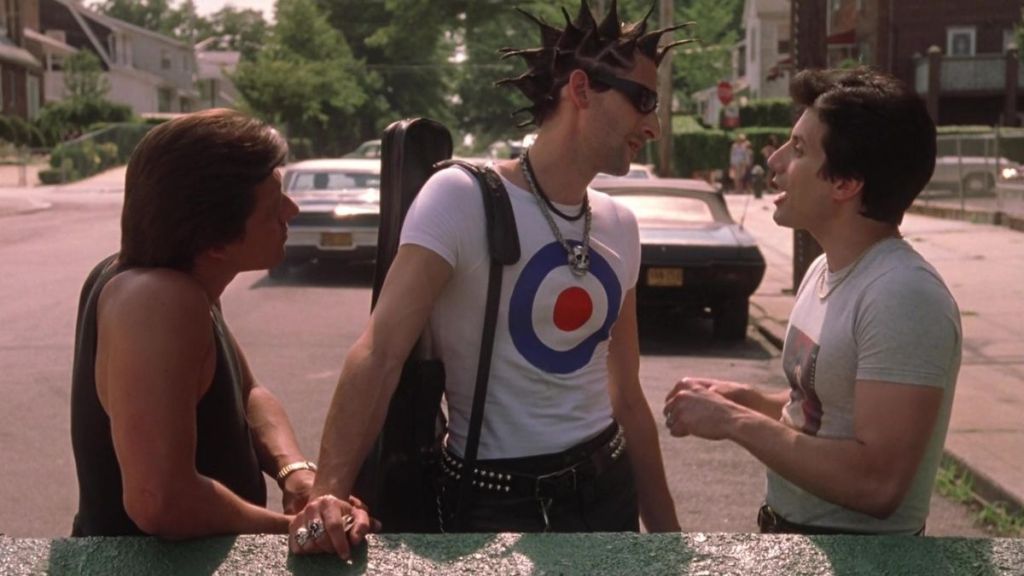
22. Summer of Sam (1999)
Summer of Sam departs from Spike Lee’s usual focus on African-American communities, instead exploring an Italian-American neighbourhood during the infamous 1977 “Summer of Sam.” The film’s ambition is commendable, but its execution leaves something to be desired.
The film seeks to capture the paranoia and fear that gripped New York during the Son of Sam killings, using this backdrop to explore themes of mob mentality and societal hysteria. However, its sprawling narrative and large ensemble cast lead to a lack of focus. The film juggles too many subplots, making it hard to become invested in any particular story thread.
The performances are generally strong, particularly John Leguizamo as Vinny and Adrien Brody as Ritchie. They bring depth and intensity to their roles. However, the characterisation is inconsistent, and the lack of a central protagonist makes the film feel even more disjointed.
On a positive note, the film’s recreation of 1977 New York is impressive. The cinematography, costume design, and soundtrack create a compelling sense of time and place. Lee’s direction is dynamic and engaging, with several visually striking sequences.
21. Sucker Free City (2004)
Sucker Free City, a made-for-TV movie originally intended as a pilot for a series, is an attempt by Spike Lee to dissect the racial and socio-economic tensions of San Francisco.
The film follows three young men – a white man caught up in corporate crime, a black man trying to escape gang life, and a Chinese man involved in organised crime. This triptych narrative structure is promising, but without the space of a series to fully develop, the characters and their storylines feel rushed and underdeveloped.
Performance-wise, the cast delivers. Anthony Mackie as Nick, Ken Leung as Lincoln, and Ben Crowley as Keith all provide nuanced performances, bringing their characters to life. However, lacking a central character or narrative throughline makes the film feel disjointed.
Sucker Free City excels in depicting San Francisco as a city of contrasts – a place of immense wealth and crushing poverty, progressive ideals and systemic racism. The film’s exploration of gentrification and the intersection of race and class is thought-provoking and insightful.
20. Kobe Doin’ Work (2009)
Kobe Doin’ Work is Spike Lee’s love letter to basketball, a sport he’s passionately followed for years. The documentary features a single NBA game from Kobe Bryant’s perspective and offers an intimate look at the late basketball icon.
The concept is compelling: capturing an entire game through the lens of one of basketball’s greatest players. However, the execution can be underwhelming. The continuous basketball footage and Kobe’s commentary can become monotonous and don’t make for the most dynamic viewing experience.
Yet, for basketball enthusiasts and fans of Bryant, the film is a treasure trove of insights. Kobe’s commentary provides a fascinating window into his strategic thinking and relentless pursuit of excellence.
The film is competent but unremarkable. The camera work is functional, capturing the game’s action without significant flair. The editing works well with Kobe’s commentary but doesn’t offer much beyond that.
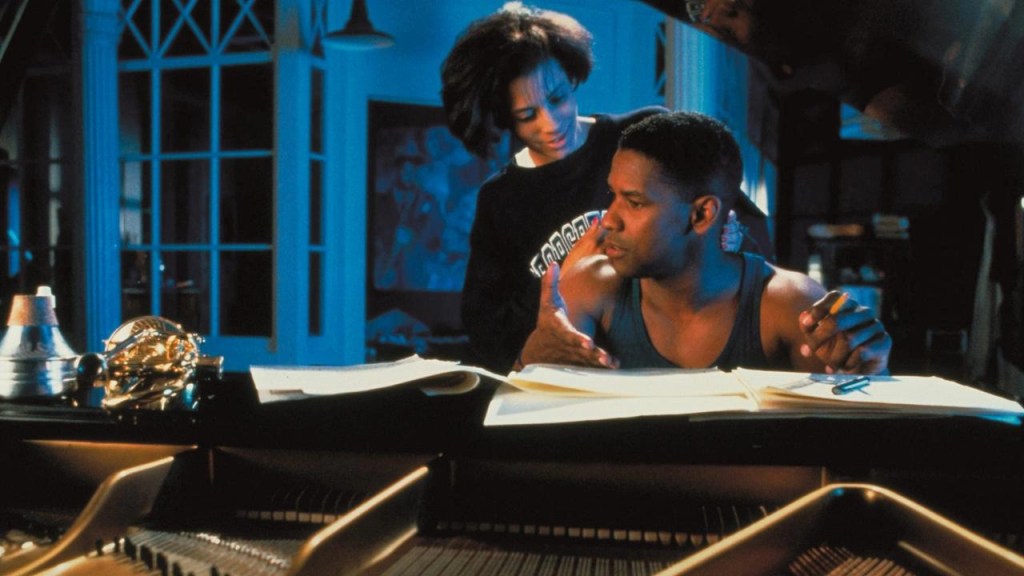
19. Mo’ Better Blues (1990)
Mo’ Better Blues is a compelling exploration of the music world, showcasing Spike Lee’s affinity for jazz and his stylistic sensibilities. While the film occasionally loses its rhythm with a somewhat meandering narrative, its auditory and visual strengths help to elevate it above these flaws.
The story, revolving around jazz trumpeter Bleek Gilliam, allows for an immersive dive into the jazz scene. Denzel Washington’s portrayal of Bleek is outstanding, infusing the character with charm and vulnerability. Yet, the film’s narrative tends to drift, with side plots diluting the central storyline.
Visually, Mo’ Better Blues is an undeniable treat. Lee’s knack for colour and composition is on full display, with some truly breathtaking sequences. The club performances, particularly, are filmed with palpable energy and rhythm that sync with the music, creating an engaging spectacle.
The soundtrack, laden with original jazz compositions, is another high point of the film. Branford Marsalis’ music and Terence Blanchard’s trumpet playing help to create an authentic and immersive sonic atmosphere. However, while the film’s musical elements are strong, the narrative struggle to keep up, resulting in an experience that’s pleasing to the senses but occasionally unsatisfying.
18. Jungle Fever (1991)
Jungle Fever, Spike Lee’s examination of interracial relationships and drug addiction, contains moments of striking social commentary and emotionally resonant performances.
The film, which tackles the romance between a black architect and his white secretary, dives into controversial territory for its time. The film’s exploration of race, love, and societal prejudice offers many thought-provoking moments. However, the secondary plot concerning the crack-cocaine epidemic feels somewhat shoehorned into the narrative, detracting from the main storyline and making the film feel unfocused.
In terms of performances, Wesley Snipes and Annabella Sciorra are remarkable as the central couple, and Samuel L. Jackson delivers a particularly impactful performance as a crack-addicted brother. Their performances add depth and complexity to the narrative, even when the script falters. Jungle Fever is a showcase of Lee’s stylistic flourishes. The film’s rich colour palette, dynamic camera work, and use of music help to enhance the storytelling.
17. Get on the Bus (1996)
Get on the Bus is a powerful, politically charged road movie that showcases Spike Lee’s ability to provoke conversation around racial issues. However, while initially refreshing, the film’s confined setting and minimalistic approach can sometimes limit its dramatic potential.
Following a diverse group of African-American men travelling to the Million Man March, the film’s premise provides a compelling framework for exploring race, masculinity, and unity. The cast, including Charles S. Dutton, Ossie Davis, and Andre Braugher, deliver nuanced performances, bringing their multifaceted characters to life.
However, the constrained setting on the bus sometimes limits the film’s narrative scope and visual variety. While the dialogue is rich with insight and emotion, the lack of action or visual dynamism can make the movie feel a bit stagnant.
On the other hand, the confined setting also creates a sense of intimacy and allows the character interactions and conversations to take centre stage. These discussions, ranging from humorous to deeply emotional, form the film’s heart and provide a nuanced portrait of African-American experiences.
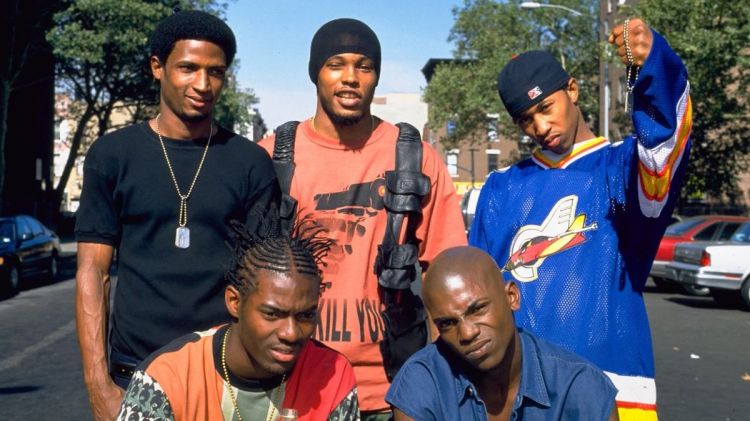
16. Clockers (1995)
Clockers is a gritty and unflinching look at urban crime, effectively utilising Spike Lee’s storytelling techniques to paint a complex portrait of its characters and setting. Despite its lengthy runtime and occasionally slow pacing, the film’s rich characterisation and striking visuals make it a memorable entry in Lee’s body of work.
Based on Richard Price’s novel, the film delves into the life of a low-level drug dealer while also exploring a murder investigation. These parallel narratives provide a multi-faceted exploration of crime and its impacts, although the film’s pace can be uneven, with some scenes feeling drawn out.
Mekhi Phifer delivers a powerful performance as Strike, a young man trapped in a life of crime. Harvey Keitel, as the detective investigating a murder, also provides a strong performance. These performances anchor the film and infuse it with emotional resonance.
From a visual standpoint, Clockers is one of Lee’s more striking films. Using saturated colours and stylised lighting creates a unique aesthetic juxtaposing the harsh realities of the characters’ lives with a visually compelling backdrop. While Clockers may test the viewer’s patience with its pacing, it’s a worthy examination of urban crime and its impact on the people caught in its web.

15. Bamboozled (2000)
Bamboozled, an incendiary satire on American television and racial representation, radiates the boldness typical of Spike Lee’s filmography. Though the film’s execution can be uneven, and its approach heavy-handed at times, its critical social commentary remains impactful.
Centring around a TV executive who creates a blackface minstrel show that becomes a surprise hit, the film lays bare the systemic racism in media industries. Damon Wayans, Savion Glover, and Jada Pinkett Smith deliver thought-provoking performances, effectively illustrating the emotionally charged dynamics of race and representation.
Bamboozled‘s narrative can occasionally feel scattershot, lacking the precision necessary to fully explore its potent themes. Some may find the use of actual blackface off-putting and the satire too acerbic, leading to a sense of discomfort which almost functions as a meta-element of the film.
From a technical perspective, the decision to shoot most of the film on digital video gives it an almost documentary-like feel. This choice effectively portrays the raw and gritty reality of the television industry, enhancing the film’s satirical bite.
14. He Got Game (1998)
He Got Game, a sports drama at its core, combines Spike Lee’s flair for social commentary with a compelling father-son narrative. Despite some narrative inconsistencies, the film boasts strong performances and a memorable score that together create a unique cinematic experience.
The film revolves around a convict father attempting to convince his son, a top-ranked basketball prospect, to play for the governor’s alma mater. Denzel Washington and Ray Allen, in his acting debut, successfully carry this narrative, delivering emotionally charged performances.
Nevertheless, He Got Game does stumble in its narrative focus. The subplots involving secondary characters can detract from the main storyline, sometimes making the film feel somewhat disjointed. Furthermore, the climactic basketball match, while dramatically effective, stretches believability.
On a more positive note, the film features an exceptional score by Aaron Copland, further enhanced by Public Enemy’s contributions. This blend of classical and hip-hop elements provides a unique musical backdrop that greatly enhances the film’s atmosphere.
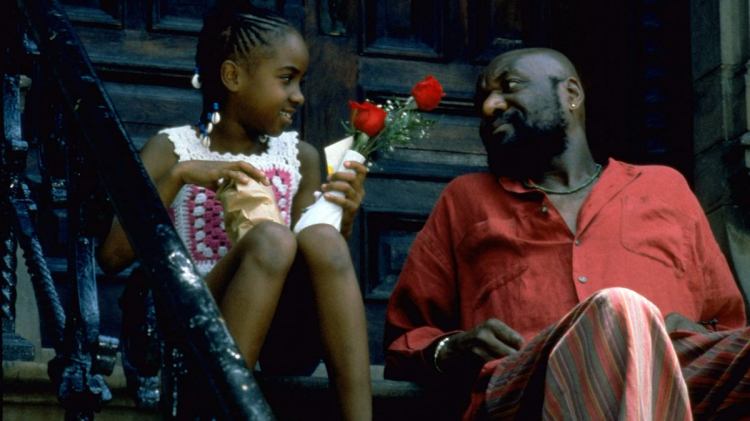
13. Crooklyn (1994)
Crooklyn, a deeply personal film for Spike Lee, effectively uses its semi-autobiographical narrative to depict the realities of growing up in 1970s Brooklyn. While it may lack the overt social commentary found in many of Lee’s other films, its nuanced character studies and evocative setting create a memorable slice-of-life portrait.
The film’s story, told primarily through the eyes of a young girl, Troy, offers a heartfelt and nostalgic look at a specific time and place. The ensemble cast, including Alfre Woodard and Delroy Lindo, brings to life the everyday dramas and joys of family life, anchored by Zelda Harris’s endearing performance as Troy.
While the film’s narrative lacks a clear, overarching plot, this isn’t a significant detraction. Instead, it allows for a more episodic exploration of characters and their experiences. However, the shift in perspective when Troy leaves for a summer in the South feels jarring and disjointed.
The film’s use of music and period detail helps to evoke the 1970s setting effectively. The unusual cinematographic choices, such as the distorted wide-angle shots, provide a childlike perspective but may not be to everyone’s liking. Crooklyn is a tender and authentic portrayal of family and community, offering a softer, more personal side to Spike Lee’s storytelling.
12. Freak (1998)
Freak, a unique addition to Spike Lee’s repertoire, marks his foray into the world of monologue films. Although not conventional in its cinematic approach, the film stands out for its vibrant dialogue and dynamic performance from John Leguizamo. While it may lack the multi-layered narrative structure found in traditional cinema, its energy and humour are undeniable.
The entire film is essentially a monologue by Leguizamo, a filmed version of his one-man Broadway show. He delivers a riveting performance, juggling multiple characters and imbuing each with distinct life and personality. Thematically, Freak takes a sharp and humorous look at Latino identity and family dynamics in the United States.
From a directorial perspective, Lee does an excellent job of bringing a stage performance to the screen, using tight close-ups and dynamic editing to keep the visual experience engaging. Still, the format could be less appealing to those seeking a more traditional narrative structure and cinematic scope.
11. Da 5 Bloods (2020)
Da 5 Bloods, a powerful exploration of African-American veterans returning to Vietnam, is a testament to Spike Lee’s storytelling prowess. The film’s narrative occasionally feels overstuffed, yet its emotionally resonant themes and strong performances create an impactful viewing experience.
The film revolves around four African-American veterans who return to Vietnam to recover the remains of their fallen squad leader and a hidden treasure. The cast, led by Delroy Lindo, Clarke Peters, Isiah Whitlock Jr., and Norm Lewis, delivers a powerful ensemble performance, adding depth and emotion to the narrative.
However, the film can sometimes feel uneven, with numerous themes and narrative threads woven into the plot. The juxtaposition of personal trauma, historical critique, and action-adventure tropes sometimes clash, resulting in a narrative that doesn’t always cohere as smoothly as it might.
Visually, the film is quite striking, with Lee utilising different aspect ratios to distinguish between timelines. The cinematography wonderfully captures Vietnam’s lush and treacherous landscapes, further immersing the viewer.
10. A Huey P. Newton Story (2001)
A Huey P. Newton Story is a distinct and insightful examination of the co-founder of the Black Panther Party. The film, an adaptation of Roger Guenveur Smith’s one-man stage performance, might lack the narrative dynamism of Lee’s more traditional movies. Still, its impactful dialogue and Smith’s mesmerising performance provide a deep dive into the revolutionary figure’s life.
Smith’s performance is the heartbeat of the film. His portrayal of Newton is powerful and intimate, successfully bringing to life the activist’s charisma, intelligence, and internal conflicts. The monologue structure, though unconventional, allows Smith’s performance to shine.
While its format may not appeal to all viewers, the strength of Smith’s performance and the insightful exploration of Newton’s life make it a compelling watch.

9. Inside Man (2006)
Occupying the ninth spot, Inside Man sees Spike Lee successfully exploring the heist thriller genre. Despite minor plot contrivances, the film delivers a suspenseful narrative filled with compelling performances and a clever script. This standout bank robbery story unfolds with all the classic Spike Lee touchpoints — sharp dialogue, racial undertones, and unexpected humour.
Centred around a meticulous bank robbery, Inside Man brings together a talented ensemble, including Denzel Washington, Clive Owen, and Jodie Foster. Their charismatic performances keep the viewer engaged throughout the unfolding narrative, each actor contributing to the film’s tense atmosphere and moments of unexpected levity.
Some plot twists can feel convenient, threatening to stretch the viewer’s suspension of disbelief. Yet these are minor issues in an otherwise well-executed narrative. The film masterfully sustains tension and intrigue, steadily revealing layers of the plot in a calculated and satisfying manner.
Cinematically, Inside Man demonstrates Lee’s adaptability across genres. The film’s visual style underpins the narrative’s intensity. Taut editing, meticulous framing, and a moody score contribute to the film’s potent atmosphere.
Inside Man represents a high point in Spike Lee’s journey into genre filmmaking. A smartly scripted, excellently acted, and tensely directed film. It delivers a memorable cinematic experience that ranks among Lee’s best work.
8. She’s Gotta Have It (1986)
She’s Gotta Have It, Spike Lee’s debut feature, marks an impactful start to the director’s distinguished career. While the film does show signs of Lee’s early directorial style, its strong exploration of female sexuality and identity, blended with a unique narrative approach, elevates it to a memorable status.
The story revolves around Nola Darling, a young woman balancing relationships with three different men. Through this central character, Lee explores themes of sexuality, independence, and womanhood, offering a nuanced and refreshing female perspective. Tracy Camilla Johns delivers a captivating performance as Nola, embodying the character’s autonomy and complexity.
Although the film is less polished than Lee’s later works, its rough edges contribute to its authenticity. The black-and-white cinematography gives it a timeless quality, and the narrative, interspersed with direct-to-camera monologues, offers an intimate exploration of the characters.
While the film’s conclusion feels somewhat abrupt and inconsistent with the character’s previously established independence, it doesn’t significantly detract from the overall narrative.
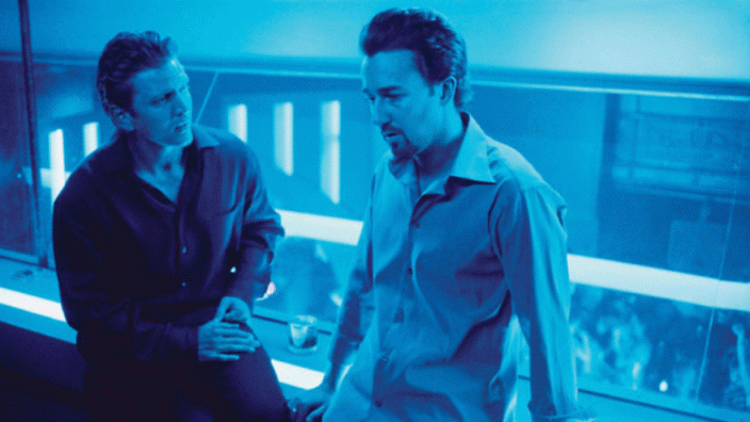
7. 25th Hour (2002)
Spike Lee’s 25th Hour is a thought-provoking exploration of regret, redemption, and the consequences of choices. The film’s rich characterisations and narrative depth are somewhat marred by its overlong runtime, yet it remains a powerful piece of cinema.
The story centred around a man’s last day of freedom before beginning a seven-year prison sentence is a sombre reflection on life and mistakes. Edward Norton’s powerful performance as Monty adds depth to the character’s emotional journey, effectively anchoring the film.
The film’s introspective nature and slow-burn approach may test the patience of some viewers. Still, the film’s thematic richness and the emotional resonance of Monty’s story remain compelling. Visually, Lee utilises a subdued colour palette and moody lighting to underscore the film’s melancholic tone. The sequences of post-9/11 New York add a layer of social context, tying Monty’s crisis to a broader sense of loss and uncertainty.
25th Hour is a contemplative and poignant film showcasing Lee’s character-driven storytelling talent. Its rich thematic exploration and Norton’s strong performance make it a worthy addition to Spike Lee’s filmography.
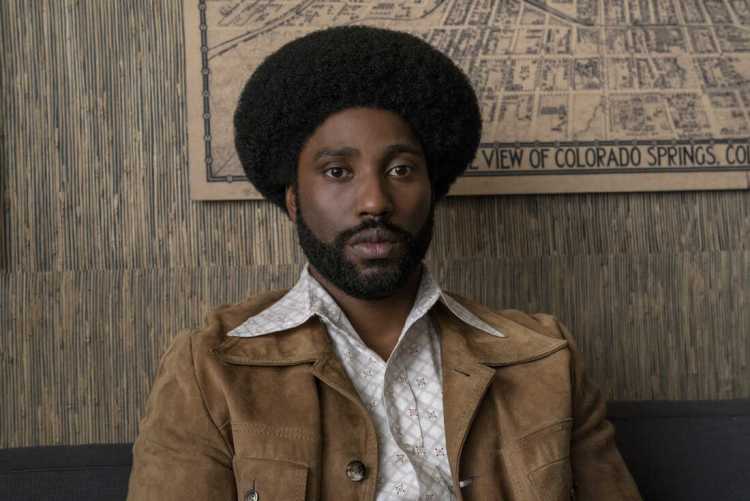
6. BlacKkKlansman (2018)
Positioned at number six, BlacKkKlansman is an exceptional addition to Spike Lee’s portfolio, seamlessly blending biting social commentary with entertaining storytelling. While the film occasionally veers into caricature, its exploration of racism and white supremacy in America is undeniably powerful.
Based on the incredible true story of an African-American detective who infiltrated the Ku Klux Klan, BlacKkKlansman balances its humorous undertones with its serious subject matter. John David Washington’s solid performance as the lead and Adam Driver’s nuanced supporting role form the backbone of the narrative. The comedy, often dark and biting, works effectively to underscore the absurdity of the bigotry on display.
Visually, the film showcases Lee’s ability to infuse his work with a distinctive style without undermining the narrative. The 1970s setting is authentically recreated, and the cinematography adds to the period feel, making the film as engaging visually as it is thematically.

5. Malcolm X (1992)
Reaching the top five, Malcolm X is perhaps one of Spike Lee’s most ambitious and important works. It is a comprehensive, engrossing biopic that expertly explores the life of one of America’s most influential Black leaders. While its runtime may be daunting for some, its relevance and powerful performances make it a must-watch.
The film’s narrative spans the entire life of Malcolm X, from his early days to his conversion to Islam and, finally, his assassination. Denzel Washington’s portrayal of the titular character is breathtakingly powerful, capturing the charisma, intellect, and fervour of Malcolm X in a career-defining performance.
At over three hours long, the film does require commitment from the viewer. Yet, Lee justifies the length by meticulously chronicling the transformation of Malcolm X, providing a rich and comprehensive exploration of his life and ideologies. Visually, the film is striking. Lee employs an expansive visual palette that mirrors the narrative’s extensive scope. The cinematography, costume design, and production design all authentically bring the different periods of Malcolm X’s life to the screen.
Malcolm X stands as a pinnacle of biographical filmmaking. Despite its length, the film’s comprehensive narrative, coupled with Washington’s exceptional performance, cement it as a crucial piece in understanding America’s racial history and Spike Lee’s storytelling prowess.

4. 4 Little Girls (1997)
4 Little Girls, a heartfelt documentary by Spike Lee, rightfully secures a spot in the top four. While the film’s style is straightforward, its emotional impact is profound. Lee masterfully brings a tragic piece of American history to life, exploring racial hatred and its devastating consequences.
The documentary focuses on the 1963 bombing of the 16th Street Baptist Church in Birmingham, Alabama, which claimed the lives of four young girls. Through interviews with the victims’ families and friends, archival footage, and photographs, Lee paints a haunting picture of the senseless violence spurred by racial hatred.
While the documentary’s style might not be innovative, its impact lies in its storytelling. Lee’s personal interviews offer an intimate exploration of the victims, their families, and the broader community affected by the tragedy.
However, the film’s strength lies in its ability to humanise the victims and contextualise their untimely deaths within the broader Civil Rights Movement. The chilling event serves as a poignant reminder of the violent resistance those pushing for racial equality face.
4 Little Girls is a powerful and touching documentary. Its straightforward style matches an emotionally charged narrative, making it an essential watch in understanding America’s struggle with racial inequality.
3. American Utopia (2020)
American Utopia, capturing third place in our ranking, is a unique and exhilarating concert film that perfectly exhibits Spike Lee’s directorial prowess. Encapsulating David Byrne’s Broadway show, the film is a joyous celebration of music, humanity, and the possibility of connection. There’s little to criticise here, with the film delivering a near-flawless cinematic experience.
The film serves as a wonderful marriage of music and message, with Byrne’s Talking Heads hits and his newer songs blending seamlessly with thematic interludes. Through these elements, Byrne and Lee examine societal issues, but the film never feels preachy. Instead, it strikes a balance, invoking reflection while maintaining its uplifting spirit.
What stands out in American Utopia is how the concert experience is translated onto the screen. Through dynamic camerawork, skilful editing, and artful direction, Lee encapsulates the energy, enthusiasm, and connection of a live performance.
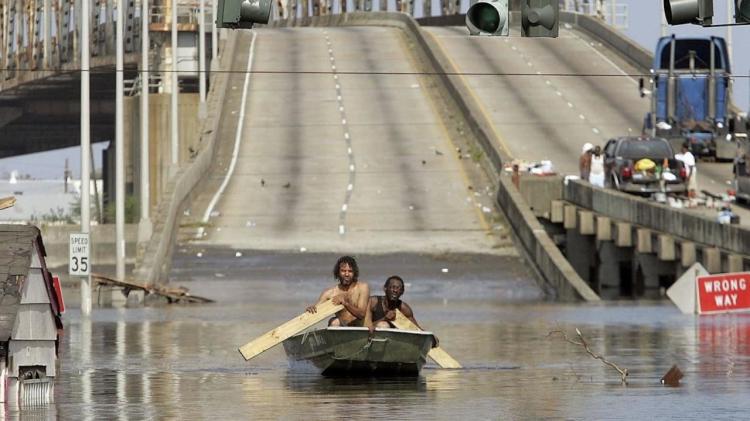
2. When The Levees Broke (2006)
Securing the second spot is When The Levees Broke, a powerful and heart-wrenching documentary that captures the devastating aftermath of Hurricane Katrina. Spike Lee’s exploration of this tragic event is one of his most impactful works, effectively conveying the systemic failures that exacerbated the disaster’s effects.
Throughout four acts, Lee presents a comprehensive account of Hurricane Katrina and its aftermath, weaving together personal testimonies, news footage, and expert commentary. The breadth and depth of these perspectives underscore the disaster’s complexity and the profound human cost of governmental neglect.
Lee’s poignant and intimate interviews with residents offer a deeply human perspective on the disaster. The stories of loss, resilience, and the struggle for justice conveyed through these testimonies are heartrending and unforgettable.
While the documentary’s runtime might seem extensive, the breadth of the issues it explores — from the immediate disaster response to the long-term impact on the community — justifies its length. Each act deepens the viewer’s understanding of the systemic failures that amplified the disaster’s effects.

1. Do The Right Thing (1989)
Claiming the top spot in our ranking is Do The Right Thing, widely recognised as Spike Lee’s masterpiece. This groundbreaking film delves into race relations and violence, presenting a complex narrative that feels as pertinent today as when it was first released. It’s a near-perfect cinematic work, showcasing Lee at his most provocative and insightful.
The film’s multiracial cast of characters creates a rich tapestry of personalities and perspectives, mirroring the diversity and tension of urban America. From Mookie, portrayed by Lee himself, to the irascible Sal, each character is vividly drawn, contributing to the film’s intricate narrative and exploration of racial tension.
Lee’s distinctive directorial style shines in Do The Right Thing. The vivid colour palette and intense summer heat provide a potent backdrop for the escalating racial tensions, while the bold camera work adds an engaging dynamism to the film.
The film doesn’t shy away from posing difficult questions about race, violence, and justice. Its powerful ending, leaving audiences with an ambivalent mixture of anger and sorrow, underscores the complexity of these issues and resists easy answers.
Its potent exploration of race, compelling characters, and distinctive style make it not just the best of Lee’s works but a classic film that continues to be ahead of its time despite the decades passed.
 Bronze Screen Dream