

Rob Reiner is kind of a weird director. You can’t argue that he never made great films – his filmography reads like a must-watch list of the 1980s – yet you’ll struggle to find people who say he’s their favourite director.
His films vary a lot going from genre to genre. He doesn’t have those standard auteur markings which other great directors leave behind. While Reiner is still active, it feels like his heyday was long ago, but while most people talk about his career from 1984 – 1992, it’s important to note that he did have great successes after the unparalleled disaster of North.
Rob Reiner’s directing career began in the early 1980s, and he soon made a mark with his uncanny ability to weave together humour and drama. His films, whether light-hearted rom-coms or intense courtroom dramas, often resonate with audiences due to their authentic characters and emotionally engaging narratives.
This ranking of Rob Reiner’s films from best to worst provides a comprehensive look at his cinematic journey. From the swashbuckling fantasy of The Princess Bride to the bitter disillusionment of North, the ranking highlights the director’s range and versatility.

1. The Princess Bride
Undeniably, The Princess Bride was a stroke of genius no one saw coming. As a seemingly incongruous blend of romantic fairy tales, whimsical adventure, and sharp-witted comedy, it was an enchanting surprise that slipped through the cracks of established genre boundaries in 1987. Therein lay its charm, and herein we find its genius: the story managed to be genuine and heartwarming without ever taking itself too seriously, a balance that many films attempt but very few achieve.
The film is marked by ingenious performances, memorable one-liners, and a storytelling style that was a breath of fresh air in its time. However, it’s not without its critics. The archaic damsel-in-distress trope is a significant element of the narrative that today’s more critical audiences may find unpalatable. This film signalled a highlight in Reiner’s directorial career. It demonstrated his ability to break typical conventions and imbue his work with a unique brand of whimsical humour and heart. Even three decades after its release, its enduring popularity proves its timeless appeal and pivotal place in cinematic history.

2. Stand By Me
Stand By Me is a masterful depiction of boyhood friendships and the intimate cruelties of growing up. The movie, released in 1986, is an evocative period piece that transcends its nostalgic setting thanks to its universal themes and deeply relatable characters. The journey of four boys in search of a dead body in the woods is replete with rich symbolism and poignant moments that capture the fleeting innocence of childhood and the quiet desperation of coming of age.
As touching as it is, Stand By Me is sometimes hampered by its sentimental overtones. This nostalgic veneer can come off as a little too saccharine, obscuring the narrative’s grittier, darker moments. However, it doesn’t detract from the emotional punch that the film packs. It’s another gem in Reiner’s impressive repertoire, solidifying his ability to craft heartfelt stories that linger long after the credits roll. Its resonance with audiences and enduring presence in pop culture — particularly the classic line, “You guys wanna go see a dead body?” — affirms its significance in Reiner’s career and cinema.
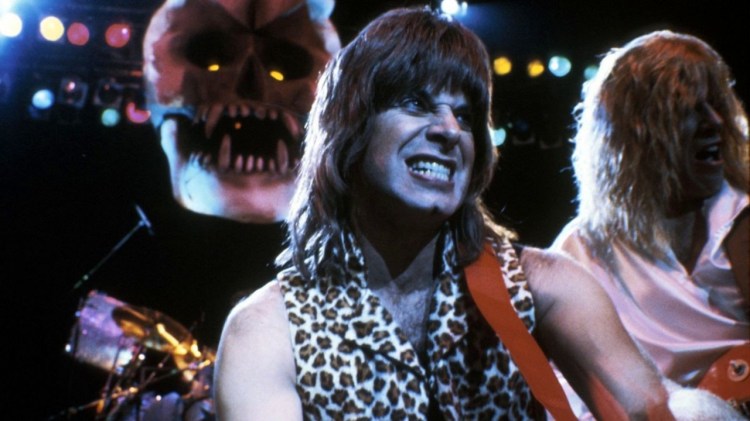
3. This Is Spinal Tap
Heralded as one of the progenitors of the mockumentary genre, This Is Spinal Tap is a witty, incisive, and relentlessly funny exploration of rock band culture and the absurdity of fame. Reiner’s 1984 directorial debut — with its invented band, faux interviews, and hilariously exaggerated concert scenes — showcased his knack for comedy and an understanding of the music scene that was keen, if not outright intrusive.
Its mockumentary style was a radical departure from traditional cinematic norms, and it was a significant step in Reiner’s career, demonstrating his daring approach to filmmaking and setting the tone for his subsequent genre-blending endeavours. If you’re a fan of Spinal Tap

4. When Harry Met Sally
Romance found its perfect mate in comedy in Reiner’s 1989 classic When Harry Met Sally. A film that beautifully encapsulates the quirks, confusions, and contradictions of modern relationships, it was marked by engaging performances, snappy dialogues, and a remarkably mature treatment of love and friendship. The film’s central premise, asking if men and women can be friends without love getting in the way, sparked debates and continues to be a cultural talking point.
One could argue, however, that the film leans heavily into certain clichés, particularly in its resolution. Yet, this predictability does not diminish the film’s charm. Following his earlier successes, the film helped establish Reiner as a skilled director of romantic comedies and underscored his ability to infuse depth into seemingly light-hearted narratives. The film’s iconic Katz’s Deli scene remains an enduring symbol of the romantic comedy genre.
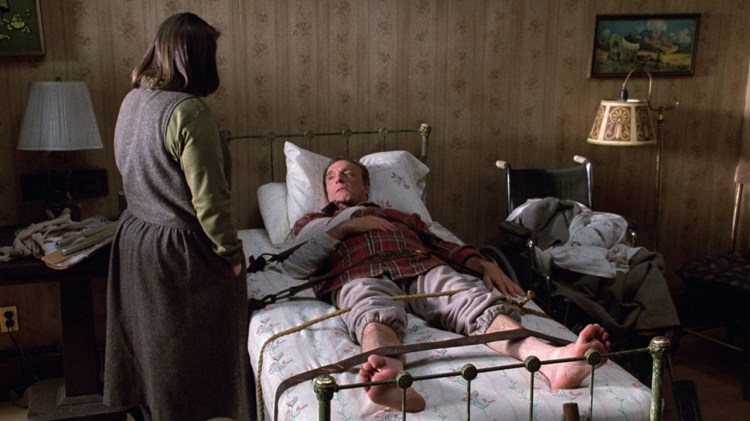
5. Misery
Misery, the 1990 adaptation of Stephen King’s novel, was Reiner’s triumphant foray into the psychological thriller genre. The story of a successful novelist held captive by his deranged “number one fan” was marked by exceptional performances and a mounting tension that effectively gripped audiences. This film, punctuated by the brilliant but terrifying portrayal of Annie Wilkes by Kathy Bates, showcased Reiner’s ability to venture into darker themes and narratives.
Misery remains a powerful piece in Reiner’s catalogue, marking his successful transition into a genre distinct from his previous ventures. Its intense, claustrophobic ambience, marked by Bates’ Oscar-winning performance, was a real success for Reiner, showing his limitless versatility.

6. A Few Good Men
Delving into the world of military justice, A Few Good Men is a gripping courtroom drama that stood out in 1992 for its powerful performances and taut storytelling. With a stellar ensemble cast led by Tom Cruise, Jack Nicholson, and Demi Moore, the film delivered riveting exchanges and showcased Reiner’s deft handling of dramatic tension. The iconic “You can’t handle the truth!” scene has since become synonymous with the film, highlighting its cultural impact.
However, the film is often criticised for its somewhat formulaic plot and over-reliance on the powerhouse performances of its leads. Despite these drawbacks, A Few Good Men is a good strong film which has aged well.
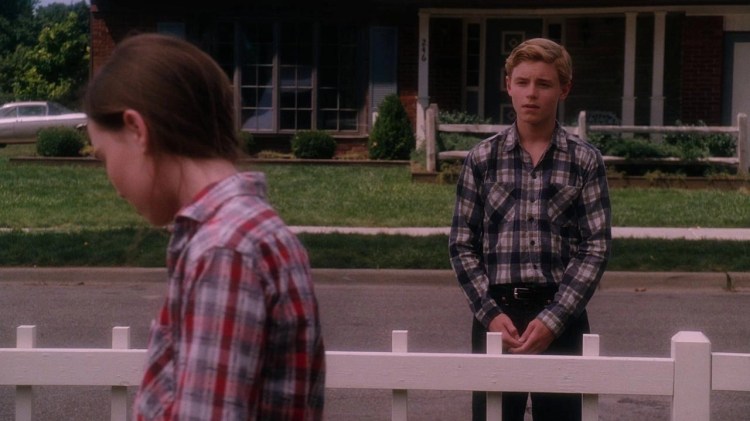
7. Flipped
Reiner returned to the realm of adolescent romance and heartbreak with Flipped in 2010. The film’s sweet and poignant exploration of first love from two perspectives demonstrated Reiner’s continued knack for capturing the complexities of youth and innocence. Its double-sided narrative, an unusual device, added a layer of depth and intrigue to the story.
Despite its charm, Flipped has been criticised for being overly simplistic and slightly derivative, particularly compared to Reiner’s earlier works. Still, it is a testament to Reiner’s enduring ability to tell heartfelt stories that resonate with audiences. The film also marked Reiner’s return to a softer, more family-oriented narrative following a series of politically charged dramas. Its warmth and honesty have earned it a special place among Reiner’s more introspective works.
8. The Sure Thing
Released in 1985, “The Sure Thing” is a road-trip rom-com that showcases Reiner’s ability to craft charming love stories. The narrative, marked by misadventures and witty banter between the leads, successfully blends humour and romance, which became a hallmark of Reiner’s style. The film is noted for its believable performances, particularly by a young John Cusack.
However, its plot is predictable, and it isn’t a particularly challenging watch. Despite these shortcomings, The Sure Thing was key to Reiner’s early career, highlighting his potential to create engaging romantic narratives. While It’s not aged as well as Reiner’s other 80s efforts, it’s still a fun, endearing 80s rom-com.
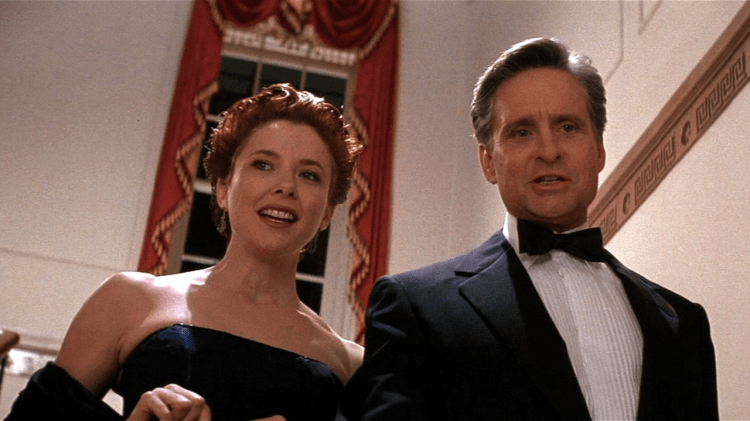
9. The American President
The American President, released in 1995, is a political romance that stands out in Reiner’s filmography for blending governmental affairs with personal struggles. The narrative, focusing on the romantic endeavours of a widowed president, showcased Reiner’s ability to mix politics, drama, and romance into a captivating story.
Its biggest drawback is its idealistic portrayal of politics, which can come off as naive or overly simplified. Despite this, The American President marked another successful experiment in genre fusion for Reiner. It’s certainly a step down from his previous efforts, but it was a good rebound hit after the disaster of North.
10. The Magic of Belle Isle
The Magic of Belle Isle, a 2012 drama, showcases Reiner’s continued dedication to character-driven stories. Centring around a wheelchair-bound author who rediscovers his passion for writing in an idyllic town, the film excels in its heartfelt portrayal of rejuvenation and healing.
It’s a bit saccharine, sentimental and predictable, but it’s still a sweet, emotive film. Its moderate success at the box office and mixed reviews proved that, though it did not quite capture the magic of Reiner’s earlier hits, The Magic of Belle Isle is still a charming film.
11. Ghosts of Mississippi
In 1996, off the back of his relative comeback, The American President, Reiner delivered Ghosts of Mississippi, another courtroom drama. This one revolved around the assassination of civil rights activist Medgar Evers.
The film received praise for its compelling depiction of the pursuit of justice in a racially charged environment, and its exploration of historical injustice is powerful. However, it was also criticised for its idealised portrayal of the Deep South and for oversimplifying complex racial dynamics.
12. The Bucket List
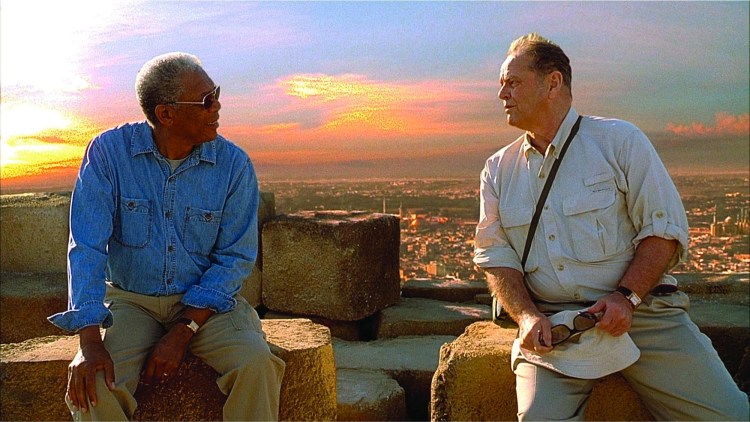
In 2007, Reiner brought together Hollywood legends Jack Nicholson and Morgan Freeman for The Bucket List, a dramedy about two terminally ill men fulfilling their wish list before they die. The film’s heartwarming premise and the chemistry between its lead actors make it a fun, calm, and easy watch. Yet, like many of Reiner’s latter efforts, it is overloaded with sentimentality and a cliched plot. It’s still nice to watch Nicholson and Freeman throughout this film, but it’s not an essential watch.
13. LBJ
LBJ, the 2016 biopic on the 36th U.S. President Lyndon B. Johnson, marked Reiner’s venture into historical dramas. The film is noteworthy for its in-depth portrayal of the political landscape of the 1960s and Woody Harrelson’s transformative performance as the titular character. However, its scope is rather narrow, and it’s not a probing film, lacking any serious exploration of Johnson’s controversial decisions during his presidency.
14. Being Charlie
Being Charlie, a 2015 drama, marked a highly personal project for Reiner, loosely based on his son’s struggle with drug addiction. The film’s earnest portrayal of addiction and its impact on a family was both moving and thought-provoking. Despite some good performances, the film’s predictability and inconsistent tone make it a rather dragging watch.
15. Shock and Awe
Reiner’s post-90s career hasn’t been too impressive. It can generally be separated into light-hearted sentinel films and wanna-be heavy-political films. Shock and Awe, a 2017 political drama, is the latter.
It centres around the 2003 Iraq invasion and critiques the Bush administration’s handling of the war. The film is tepid and overly didactic, lacking any serious narrative complexity. It’s interesting to see Reiner give us his thoughts on the Bush era, but it doesn’t do anything interesting.

16. And So It Goes
Another rom-com offering made by Rob Reiner was, And So It Goes, a 2014 rom-com pairing Michael Douglas and Diane Keaton on a mature take on late-in-life romance. Considering Reiner’s expertise in the genre, one might hope this would be easy for him to make. After all, this was the man behind When Harry Met Sally, yet, it’s a boringly predictable film, lacking any interesting cutting edge. It makes Nancy Meyer’s films feel like Godard Dziga-Vertov’s group efforts. It’s lame, but it does have those odd heartwarming moments. However, those don’t make up for the lost hours.
17. The Story of Us
Perhaps the real start of Reiner’s downfall was The Story of Us, a 1999 romantic drama, meditating on marriage and the trials and tribulations that come with it. It isn’t the worst film ever, but with one-or-two one-off successes, Reiner’s career really started hitting its downward trajectory. It’s heavy-handed, and there is a distinct lack of chemistry between its leads, Bruce Willis and Michelle Pfeiffer. It’s hard to hate a Reiner film; at their worst, they tend to be affably dull, but it’s also hard to love a movie like this.
18. Rumor Has It
Any director could have directed Rumor Has It, a 2005 romantic comedy-drama with an intriguing concept on paper but fell short in execution. The film’s premise, revolving around a woman who discovers her family was the inspiration for The Graduate, promised much but failed to deliver. It fails to deliver on its star-studded cast, has a lacklustre narrative and boringly treads over romantic and familial relationships, which Reiner has already covered. Reiner’s invisibility might be his greatest strength regarding his versatility, but here it’s his weakness.
19. Alex and Emma
Fortunately, the last rom-com on this list is Alex and Emma, a 2003 film, which was Reiner’s attempt to delve into the world of a writer. Despite the charming performances of Luke Wilson and Kate Hudson, the film struggled to find its footing. It’s tired, shallow and overly cliched. In general, it was just contrived and bland. There weren’t any standout moments, and it lacked any originality.
20. North
The only infamously bad movie Reiner ever made is North. An absolute atrocity of a film, although it didn’t have to be that way. The 1994 adventure comedy has a good premise and a large ensemble cast, yet it was tonally inconsistent and lacked any compelling narrative was generally a very boring watch. Its reliance on stereotypes, overuse of narration and lack of a clear direction make this a very bland film. It’s not necessarily worthy of the ‘Worst Film Ever’ title it is often given, but it’s also not interesting. Considering the run Reiner had made before this film, it’s fair to say it didn’t live up to expectations.
 Bronze Screen Dream