

Few filmmakers in the history of cinema have left an imprint as notable as Kaneto Shindo on the landscape of Japanese cinema. Renowned for his powerful explorations of human nature and society, Shindo’s filmography stands as a testament to his unique vision and uncompromising storytelling. His critically acclaimed films such as Onibaba, The Naked Island, and Children of Hiroshima are universally recognised as benchmarks in cinematic storytelling.
Shindo’s style is characterised by a keen sense of social realism, an empathetic approach towards the human condition, a profound connection with nature, and a masterful use of symbolism and metaphor.
Shindo occupies a crucial position in Japanese cinema, acting as a bridge between the traditionalist and New Wave movements. His films embody the essence of both styles, paying homage to Japan’s rich cultural traditions and fearlessly embracing innovative storytelling techniques. This unique blend has solidified his status as one of the most influential directors in Japanese cinema.

Social Realism
The raw, powerful undercurrent of social realism forms the bedrock of many of Kaneto Shindo’s directorial endeavours. His ability to portray life’s stark and often brutal realities resonates throughout his filmography, consistently focusing on the lives of the lower classes in Japanese society.
In Children of Hiroshima, he masterfully illuminates the stark aftermath of the atomic bombing. Shindo doesn’t hold back, highlighting the horrific impacts and the struggles faced by the survivors. The film brings to the fore the devastating consequences of war on ordinary people, ultimately humanising the face of nuclear warfare. Shindo’s stark, unflinching portrayal of the bombing’s aftermath serves as a searing critique of the cost of war.
The Naked Island further highlights his exploration of life and its inherent struggles. The film centres on a family’s arduous life on a remote island, emphasising their daily struggle for survival. The harsh, unforgiving landscape and the relentless pursuit of sustenance underline the socio-economic hardships faced by the rural poor in Japan, painting a stark image of rural poverty.
Similarly, the poverty-stricken life of the protagonist in Human is a compelling manifestation of the struggle of marginalised individuals in a stratified society. The character’s struggle to retain their humanity in a harsh and degrading environment lays bare the injustices prevalent in society.
In Onibaba, he tackles the themes of poverty and survival in a war-torn medieval Japan. The narrative revolves around two women who resort to killing samurais to survive, highlighting how desperate circumstances can drive individuals to extreme measures. The stark contrast between their actions and their surroundings is a testament to Shindo’s deft handling of the social realism genre.
Shindo’s unwavering commitment to addressing social issues extends to Mother as well. This film unravels the challenges and agonies of a single mother who endures countless hardships to support her family. The realistic depiction of the mother’s plight serves as a poignant social commentary on the struggles faced by single mothers in society.
Tree Without Leaves deals with the societal stigma associated with mental illness and the impact it has on both the individual and their family. This film underscores Shindo’s commitment to shedding light on issues often overlooked or misunderstood in society, bringing the conversation about mental health to the forefront.
As we can see, Shindo’s adherence to social realism has served to underscore the underlying disparities within Japanese society. His keen directorial eye never shies away from confronting the hard-hitting truths of life, often highlighting the resilience and determination of the human spirit in the face of adversity.
Humanism and Empathy
Delving into the emotional strata of his characters, Shindo infuses his films with a deep sense of humanism and empathy. He places the complexities of the human condition at the heart of his storytelling, emphasising the emotional and psychological depth of his protagonists.
The plight of the bomb survivors in Children of Hiroshima is not just a depiction of physical suffering but an exploration of their emotional and psychological torment. Shindo treats his characters with profound empathy, allowing the audience to engage with their internal struggles.
In Mother, the story revolves around the self-sacrificial love of a single mother, highlighting her emotional strength and resilience. Shindo’s empathetic portrayal of the protagonist invites the audience to share her trials and triumphs, reflecting the universal human experience of love, sacrifice, and resilience.

Connection with Nature
Shindo’s films are also distinguished by his profound connection with nature. He uses the Japanese countryside and its landscapes not just as settings but as dynamic participants in his narratives.
In The Naked Island, Shindo explores the fundamental link between humans and their environment. The island’s harsh, barren landscape reflects the family’s strenuous life. In this context, nature serves as a silent character, reflecting the inhabitants’ lives and their continuous struggle against it for survival.
Onibaba is another testament to Shindo’s ability to draw connections between humans and their natural environment. Set in a sea of tall reeds, the setting almost becomes a character itself, shaping the narrative and influencing the characters’ actions.
In Tree Without Leaves, the shifting seasons mirror the protagonist’s journey through life and mental illness. Shindo effectively uses natural symbolism to augment the narrative, reflecting the protagonist’s mental state.
Likewise, in Human, the harsh winter landscape serves as a poignant backdrop for the characters’ struggles, reinforcing the harshness of their situation. Shindo masterfully uses these natural elements to reinforce the narrative and emotional tone of the film, thereby enhancing the overall cinematic experience.

Symbolism and Metaphor
A notable aspect of Shindo’s directorial style is his adroit usage of symbolism and metaphor to add depth to his storytelling. He frequently weaves in symbolic elements to reveal deeper layers of meaning, often inspired by Japanese folklore and mythology.
Onibaba, one of Shindo’s most renowned works, brims with symbolic elements. The mask one of the characters wears morphs into a sinister symbol of greed and deception, tying into Japanese Noh theatre traditions. Similarly, the endless sea of reeds serves as a metaphor for their trapped existence, symbolising the characters’ moral decay and suffocating despair.
In Kuroneko, Shindo uses elements of Japanese folklore to convey a metaphoric tale of vengeance. The wronged women’s transformation into vengeful spirits is a potent symbol of the destructive cycle of violence and revenge.

Atmospheric Storytelling
Shindo was also a master of atmosphere, meticulously designing sets, using innovative lighting techniques and precise camera work to create a visually striking aesthetic.
His seminal work, The Naked Island, offers a masterclass in atmospheric storytelling. The barren landscape, the characters’ stoic faces, and the endless repetition of their daily chores paint a stunning yet haunting cinematic tableau. The lack of dialogue further heightens the visual experience, making every frame an evocative piece of visual artistry.
In A Last Note, Shindo creates a tranquil, contemplative atmosphere to mirror the retired actresses’ reflections on their past. The soft lighting and slow pacing contribute to a dreamy aesthetic that contrasts with the harsh realities of their memories, showcasing Shindo’s mastery over cinematic aesthetics.

Experimental Narrative Structures
Shindo was not one to shy away from experimental narrative structures, often incorporating non-linear timelines, flashbacks, and dream sequences into his films to add depth and complexity.
In A Last Note, Shindo opts for a non-linear narrative style that parallels the fragmented memories of the retired actresses. He interweaves past and present, reality and dream, to create a poignant narrative about the ephemeral nature of life and fame.
Human also showcases Shindo’s ability to play with narrative structure. The film’s narrative oscillates between past and present, uncovering the protagonist’s struggle in fragments, reinforcing the thematic exploration of memory, identity, and human dignity.
The surreal dream sequences in Kuroneko heightens the otherworldly atmosphere and underscore the narrative’s supernatural elements, showcasing Shindo’s talent for integrating non-traditional narrative techniques into his storytelling.

Collaboration with Actors
Shindo’s approach to directing was heavily characterised by his collaborative work with actors. He valued their input and trusted them to bring depth to their roles, fostering an environment of creative freedom.
The powerful performances in Onibaba attest to this collaborative approach. The lead actors’ raw and primal performances mirror the film’s raw exploration of human nature, accentuating the tension and desperation pervasive in the narrative.
Similarly, in Children of Hiroshima, the performances of the actors, particularly those portraying the bomb survivors, are hauntingly realistic, attesting to Shindo’s ability to guide his actors in extracting deeply emotional performances.
Shindo’s unique directorial approach in Mother involves eliciting authentic performances to portray the hardships of single motherhood. The protagonist’s portrayal conveys a genuine sense of struggle and resilience, emphasising Shindo’s commitment to authenticity and emotional truth.
By allowing his actors the freedom to embody their roles, Shindo ensured that their performances added an extra layer of realism to his films, enhancing their impact and resonance with the audience.
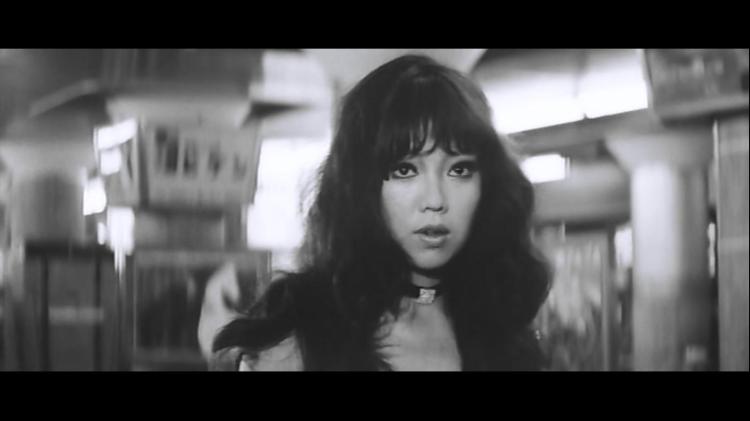
Kaneto Shindo’s Films
Shindo’s contribution to the world of cinema extends beyond his personal filmography. His influence can be seen in the works of many contemporary filmmakers, both within and outside of Japan. Directors such as Naomi Kawase and Hirokazu Kore-eda have cited Shindo’s social realism and deeply humanistic narratives as major influences on their own storytelling.
His groundbreaking films, such as Mother and Kuroneko, have inspired countless other films, echoing their themes of resilience in the face of adversity and the exploration of supernatural folklore. Internationally, his work has been influential in the evolution of cinematic narrative, notably seen in the films of acclaimed directors like Alejandro González Iñárritu and Bong Joon Ho.
Through his tireless experimentation and dedication to authenticity, Shindo forever changed the landscape of Japanese filmmaking. He introduced a new depth and complexity to cinematic storytelling, seamlessly combining traditional elements with innovative techniques. His films have consistently challenged societal norms and expectations, encouraging viewers to contemplate and question their understanding of human nature and society.
As we reflect on his legacy, it is evident that Shindo’s work has transcended time and cultural boundaries. He was not just a filmmaker but a visionary who used the medium of cinema to mirror society and explore the human condition.
 Bronze Screen Dream