
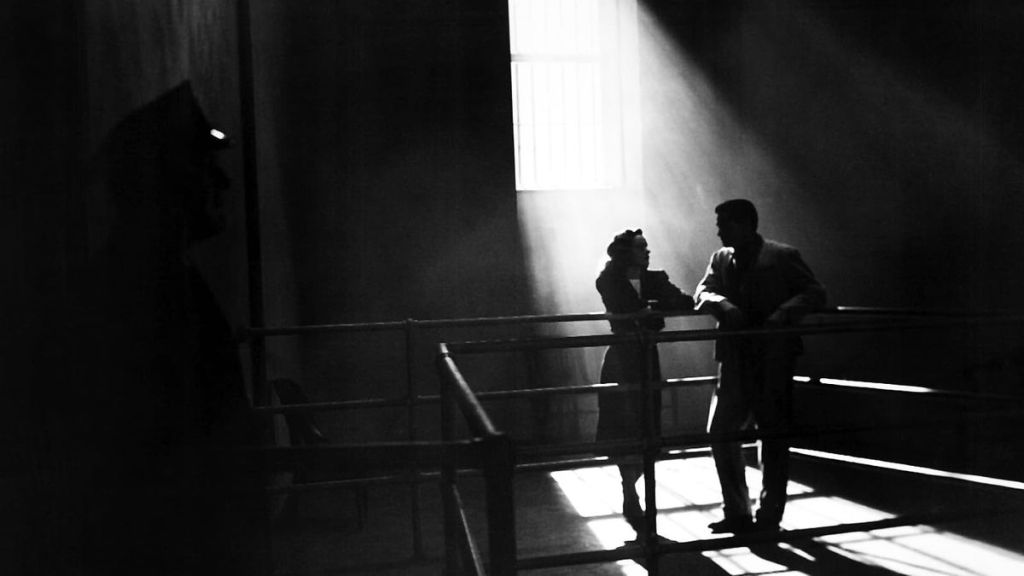
Few directors have demonstrated as profound an understanding of the film noir genre as Robert Siodmak. His innovative approach to storytelling, his exploration of psychological complexities, and his striking visual style, heavily influenced by German expressionism, make him a standout figure whose brush strokes can be seen throughout film history.
Whether you’re a film enthusiast eager to delve into the rich history of film noir, a budding filmmaker seeking inspiration, or simply someone who appreciates masterful storytelling, understanding Robert Siodmak’s work provides a fascinating insight into the power and potential of cinema.
Expressionistic Visual Style
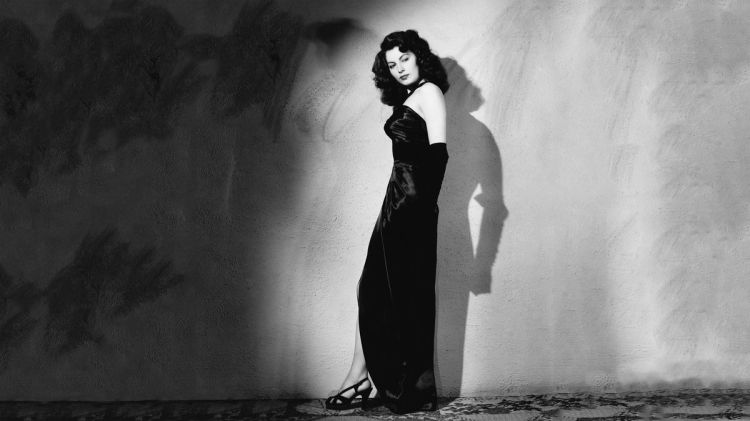
When Robert Siodmak set out to create a film, it was clear that he didn’t see his medium simply as a way of telling a story; he viewed it as an opportunity to paint a picture, mould a mood, and create a world. Borrowing from German Expressionism’s raw, emotive aesthetics, Siodmak wasn’t merely interested in presenting a sequence of events. He sought to immerse audiences in an environment carefully sculpted and vividly realised through the artistic manipulation of light and shadow.
In Siodmak’s noir, darkness and light were not merely technical aspects of the filming process. They were dynamic characters in their own right, integral to the film’s narrative, themes, and overall atmosphere. His preference for low-key lighting and high-contrast compositions resulted in a unique aesthetic style, transforming otherwise mundane settings into evocative landscapes of suspense and intrigue.
For instance, take the world Siodmak creates in The Killers. The interplay of light and shadow is not just a feature of the film’s visual style; it’s a narrative thread that weaves its way through the film. The opening sequence, which sees two hitmen step out of the shadowy exterior into a dimly lit diner, uses darkness as an active, menacing presence that sets the tone for the events to follow. Here, darkness is more than a simple backdrop; it’s a foreboding harbinger of doom.
On the other hand, in Criss Cross, Siodmak wields the power of light to cast a spotlight on the tangled web of emotions and conflict at the core of the narrative. The stark contrast of light and shadow in the climactic heist scene echoes the volatile interplay of love and betrayal that permeates the film.
Siodmak’s iconic use of expressionistic elements reaches a haunting climax in Phantom Lady. The unforgettable drumming scene, where an intense spotlight transforms a jazz club into an arena of tension and suspense, exhibits Siodmak’s ability to utilise lighting as an emotional amplifier, plunging the audience directly into the feverish psyche of the characters.
Yet, Siodmak’s visual style is not merely confined to the world of noir. Even in the more light-hearted The Crimson Pirate, the shadows are omnipresent, accentuating the escapades of the mischievous pirates and adding an edge to the film’s adventurous spirit.
Robert Siodmak’s expressionistic visual style was not an affectation but a central component of his directorial approach. His manipulation of lighting and shadows transcended pure aesthetics to serve a narrative purpose, helping him create atmospheric, moody films that have left an indelible mark on the cinematic world. Siodmak was a painter of shadows, an architect of light, and a master of film noir.
Psychological Depth
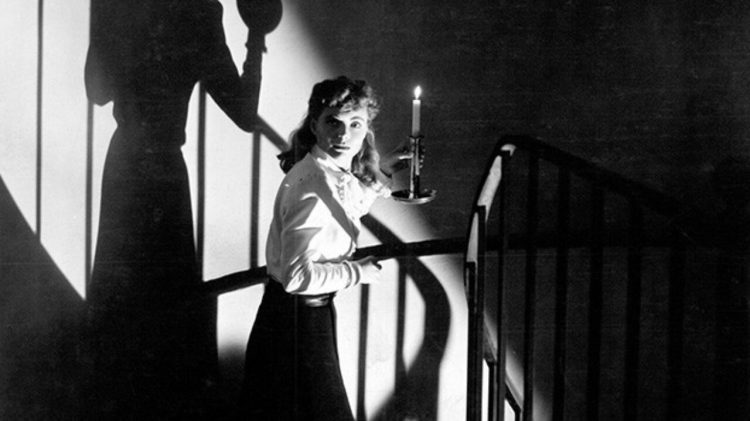
Robert Siodmak’s films often exposed the intricate layers of his characters’ motivations and inner turmoil. He managed to delve into themes of guilt, obsession, and the after-effects of traumatic experiences, giving his narratives a depth that was unusual for the time. He took the conventions of film noir and elevated them by intertwining profound psychological elements.
For instance, in The Strange Affair of Uncle Harry, Siodmak presents the character of Uncle Harry, whose seemingly simplistic exterior unravels to reveal a man torn by guilt and longing. The director’s sensitive portrayal of Uncle Harry’s psychological torment enhances the suspense, turning the film into a profound exploration of repressed desire and emotional entrapment.
Similarly, in The Dark Mirror, Siodmak uses the story of twin sisters — one good, one evil — as a vehicle for exploring the duality of human nature. By doing so, he touches on deep-seated anxieties about identity and selfhood, demonstrating his knack for pushing the boundaries of film noir to include introspective psychological themes.

Intricate Narratives
Another facet of Siodmak’s directorial style that distinguished him from his contemporaries was his fondness for intricate, often non-linear narratives. He demonstrated a knack for crafting complex, suspenseful stories, and his films were seldom straightforward or predictable.
In The Killers, the story unfolds through flashbacks, presenting a jigsaw puzzle that the audience must piece together. The plot isn’t laid out for the viewers but rather revealed bit by bit, maintaining high suspense throughout the film.
Siodmak further played with narrative structure in Criss Cross, employing a non-linear storytelling technique that keeps audiences on their toes. The intricate narrative weaves a web of deception and betrayal as the viewers are guided through a twisted tale that folds back onto itself, culminating in an unexpected finale.
Similarly, The File on Thelma Jordan unfolds unconventionally, adding complexity to the suspense and intrigue. This trend of non-linear storytelling is a testament to Siodmak’s innovative approach to narrative structure, which engages viewers in an active process of discovery and interpretation.
Strong Female Characters
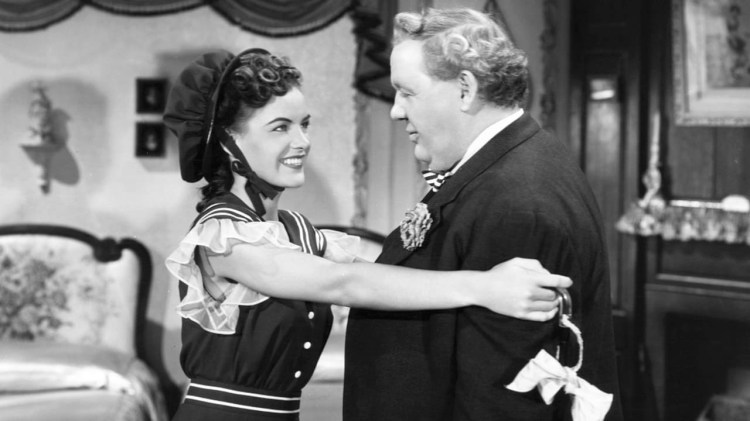
In contrast to many films of his era, Robert Siodmak’s work often showcased strong and independent female characters, offering nuanced portrayals that challenged traditional gender roles. His women were not merely damsels in distress or objects of desire; they were complex characters with their own goals, conflicts, and moral quandaries.
In Cry of the City, Siodmak challenges the traditional gender expectations of the film noir genre, introducing Brenda, who stands out as an independent, resilient character. Notwithstanding the male-dominated world of crime and corruption surrounding her, Brenda navigates her way through danger, asserting her strength and resilience.
His film, Phantom Lady, is another remarkable instance of a female-centric narrative. The heroine, Carol, doesn’t conform to the typical role of a passive victim. Instead, she drives the narrative, becoming an active seeker of truth and justice.
Similarly, The File on Thelma Jordan presents the eponymous character, Thelma, not as a simple femme fatale but as a complicated figure navigating a complex moral terrain. These characters exemplify Siodmak’s innovative approach to representing women in his films, painting them as central figures instead of mere accessories in a man’s world.

Dynamic Camera Movements
The expressionistic aesthetics of Siodmak’s work weren’t confined to his use of lighting and shadow; they extended to his dynamic camera movements as well. His stylistic toolkit included innovative tracking shots, crane shots, and other techniques that contributed to the sense of movement and energy within his films.
In Spiral Staircase, Siodmak utilises dynamic camera movements to heighten the tension and dramatic effect of the film. His innovative use of camera movement during the climactic scenes on the staircase amplifies the suspense, emphasising the heroine’s frantic desperation.
In The Devil Strikes at Night, the camera isn’t merely a passive observer; it moves dynamically, immersing the audience in the action and intensifying the emotional impact of crucial scenes.

Attention to Detail
Siodmak was known for his meticulous attention to detail, enhancing his films’ realism and emotional resonance. His knack for detail extended to every facet of his work, from the intricately designed sets to the nuanced performances he elicited from his actors.
For instance, in Christmas Holiday, Siodmak’s attention to detail is visible in the precisely crafted atmosphere that reflects the film’s underlying sense of despair. The melancholic settings, subtle performances, and carefully chosen music testify to Siodmak’s meticulousness.
Similarly, The Whistle at Eaton Falls is a testament to Siodmak’s commitment to realism. His portrayal of the struggles of factory workers and management displays a keen eye for detail, capturing the nuances of everyday life and societal issues.
In Die Ratten, Siodmak’s attention to detail manifests in the complex characterisation and authentic depiction of post-war Berlin. His precision creates a convincing narrative that delves into the socio-economic issues of the time.

Collaboration with Cinematographers
Behind the lens of Robert Siodmak’s arresting cinematic visions, there was often a fruitful collaboration with talented cinematographers. These partnerships were the lifeblood of his directorial process, nurturing his ideas and amplifying them with expert technical skills and shared aesthetic vision.
Siodmak’s synergy with his cinematographers was more than just a professional association; it was a creative communion that consistently pushed the envelope, turning technical obstacles into opportunities for innovation. One such alliance that stands out was with the accomplished cinematographer Eugen Schüfftan.
Their collaborative effort came to fruition in the unforgettable classic, The Spiral Staircase. In this film, they employed the “Schüfftan process,” a groundbreaking technique that Schüfftan had earlier perfected. This technique ingeniously combined live-action footage with miniature models, allowing for unique visual effects that brought an ethereal quality to Siodmak’s films, augmenting the tension and mystery innate to his narratives.
This was a particularly effective tool in the haunting sequences in the gothic mansion setting of The Spiral Staircase. The scenes were crafted with such precision that they managed to create a seamless illusion of reality, demonstrating how innovative technical solutions could serve and enhance the narrative.
But beyond its immediate use, the implementation of the Schüfftan process was emblematic of Siodmak’s filmmaking philosophy. It underscored his willingness to experiment and innovate, to seek new ways of advancing the visual storytelling medium. It highlighted his understanding that close collaboration with his cinematographic team was critical to achieving this.

Robert Siodmak – Film Noir Master
Robert Siodmak’s directorial style, marked by a powerful blend of German expressionism, psychological depth, intricate narratives, and strong female characters, has left an indelible mark on cinema.
Filmmakers like David Lynch have drawn inspiration from Siodmak’s haunting noir films, with movies like Mulholland Drive exhibiting the influence of Siodmak’s moody atmospheres and psychological depth. Additionally, Martin Scorsese‘s exploration of morally complex characters and non-linear narratives in Goodfellas echoes Siodmak’s innovative storytelling techniques.
 Bronze Screen Dream