Luis Alcoriza
(1918 – 1992) | Canon place: 5/10 | 🇲🇽
Try Alcoriza | if you like the socially conscious and satirical films of Luis Buñuel, Arturo Ripstein, and Alfonso Arau.
Career Overview and Notable Films
Born in Spain, Luis Alcoriza was a prolific Mexican scriptwriter, director, and actor whose career spanned over five decades. Alcoriza is renowned for his collaborations with the surreal master Luis Buñuel. They collaborated on several iconic films, including Los Olvidados, The Criminal Life of Archibaldo de la Cruz, and Nazarin. Alcoriza’s own directorial ventures, such as Tlayucan (1962) and Mecánica Nacional (1972), are held in high esteem within the Mexican cinematic landscape.
His films are well-known for their biting social commentary and exploration of morality and human nature. His directorial debut, Tlayucan, a tragicomedy set in a rural Mexican village, was nominated for Best Foreign Language Film at the Academy Awards.
Distinctive Features
Alcoriza’s films are celebrated for their profound exploration of Mexican society, human nature, and morality. He had a distinctive ability to blend humour and tragedy, often portraying ordinary characters in extraordinary situations. He also skillfully depicted the clash between tradition and modernity, a recurring theme in his films.
His narratives were marked by their strong social commentary, often disguised under a layer of black comedy. Alcoriza had a knack for creating complex characters who embodied the contradictions of the Mexican society he portrayed. His scripts, known for their biting wit and intricate storylines, brought these characters to life, humanising them in all their flaws and virtues.
Influence and Importance
Alcoriza’s significant contribution to the Golden Age of Mexican Cinema solidified his place as one of its leading figures. His prolific scriptwriting for Luis Buñuel, and his own directorial ventures, have had a profound impact on Mexican cinema. His films, marked by their deep social critique and exploration of the human condition, paved the way for subsequent generations of filmmakers in Mexico.
Alan Alda
(1936 – -) | Canon place: 3/10 | 🇺🇸
Try Alda | if you like the humorous and heartfelt films of Rob Reiner, James L. Brooks, and Mike Nichols.
Career Overview and Notable Films
Born in 1936, Alan Alda is an American actor, director, screenwriter, and comedian. He is best known for his role in the television series M*A*S*H*, where he served as both an actor and occasional director. Alda’s directing career includes films like The Four Seasons (1981), a comedy-drama exploring friendship dynamics and middle-aged life.
Distinctive Features
Alda’s films are known for their emotional depth and humour. As a director, he has a knack for bringing out strong, heartfelt performances from his actors, creating relatable characters that resonate with viewers. His narratives often delve into the intricacies of personal relationships, explored with sensitivity and nuance.
His directorial style is straightforward and unpretentious, focusing on the narrative and the performances rather than flashy cinematic techniques. His stories often carry a warm, compassionate undertone, presenting an optimistic view of human nature.
Influence and Importance
While Alan Alda might not be as widely recognised for his directorial efforts as his acting career, he silently crafted a respectable filmography. His work behind the camera is noted for its emotional sincerity, humanistic perspective, and exploration of personal relationships.
Robert Aldrich

(1918 – 1983) | Canon place: 8/10 | 🇺🇸
Try Aldrich | if you like the gritty and action-packed films of Sam Peckinpah, John Huston, and Samuel Fuller.
Career Overview and Notable Films
Robert Aldrich was an influential American film director, producer, and screenwriter known for his gripping thrillers and action films. Aldrich began his career in the 1950s and left an indelible mark on Hollywood with films like Kiss Me Deadly (1955), What Ever Happened to Baby Jane? (1962), and The Dirty Dozen (1967).
His films were known for their cynical outlook, explosive action sequences, and complex characters. The Dirty Dozen, a war film about a group of convicts on a mission during World War II, was a box office success and remains one of Aldrich’s most famous works.
Distinctive Features
Aldrich’s films are marked by their intense, raw energy, coupled with a cynical view of society and human nature. He often explored themes of corruption, betrayal, and survival in an unjust world. His films are noted for their stark, often brutal depiction of violence, serving as a critique of societal norms and institutions.
His visual style was impactful, using stark contrasts, unusual camera angles, and innovative editing techniques to heighten the dramatic tension. His films often feature complex, flawed characters who must navigate a world riddled with corruption and moral ambiguity.
Influence and Importance
Robert Aldrich’s gritty style and willingness to push boundaries significantly impacted Hollywood cinema. His influence can be seen in the work of many subsequent directors who embraced his frank, unsentimental approach to violence and corruption.
Aldrich’s Kiss Me Deadly is considered a cornerstone of film noir, while What Ever Happened to Baby Jane? has left a lasting impact on the psychological thriller genre. Despite the controversy his films often generated, Aldrich’s fearless exploration of societal taboos and his innovative filmmaking techniques have cemented his legacy as a bold and influential figure in Hollywood cinema.
Tomas Gutierrez Alea
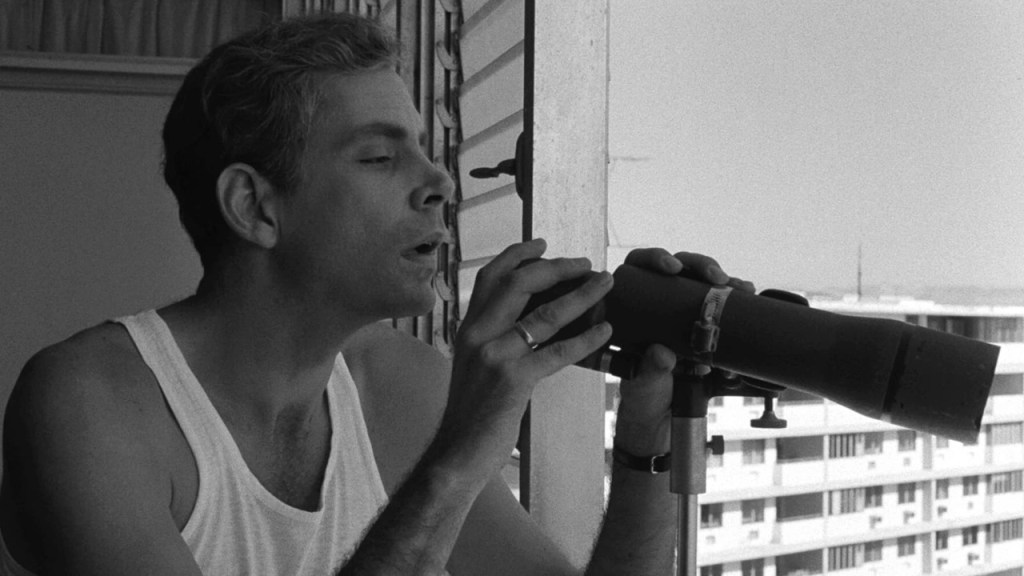
Try Alea if you like the revolutionary films of Ken Loach, Sergei Eisenstein, and Gillo Pontecorvo.
(1928 – 1996) | Canon Place: 7/10 | 🇨🇺
Career Overview and Notable Films
Tomas Gutierrez Alea was a Cuban film director and screenwriter, one of the most influential figures in post-revolutionary Cuban cinema. Born in 1928, Alea’s life and career were significantly shaped by the political climate of his time, especially the Cuban Revolution. Alea studied at Centro Sperimentale di Cinematografia in Rome, where he was influenced by Italian Neorealism.
Alea’s films are known for their satirical commentary and social critique, depicting the harsh realities of Cuban life. Notable among his works are Memories of Underdevelopment and Strawberry and Chocolate. Memories of Underdevelopment is considered one of the finest films in Latin American cinema, addressing themes of alienation and moral crisis amidst the Cuban Revolution. Strawberry and Chocolate, which Alea co-directed with Juan Carlos Tabío, earned international acclaim, becoming the first Cuban film nominated for an Oscar in the Best Foreign Film category. Alea’s collaborations with Nelson Rodríguez, a celebrated film editor, were pivotal in shaping his unique narrative style.
Distinctive Features
Alea’s films are marked by their sharp political commentary and incisive social critique, always deeply intertwined with Cuban identity and history. His narratives often depict the struggles and contradictions of post-revolutionary Cuban society, exploring themes such as political disillusionment, economic hardship, and the search for personal freedom within a socialist regime.
His storytelling techniques borrowed from multiple styles and genres, infusing the neorealistic approach with elements of comedy, drama, and satire. He had a penchant for breaking the fourth wall, directly addressing the audience, and creating a dialogue between the viewer and the narrative. This direct engagement invited viewers to question and challenge the realities presented on screen.
Alea’s use of irony and humour allowed him to critique his society while avoiding direct confrontation with censorship. His films were visually engaging, often using montage sequences to juxtapose different perspectives or realities. The soundtrack of his films was also a vital component, often incorporating traditional Cuban music to evoke a sense of place and culture.
Influence and Importance
Tomas Gutierrez Alea was a significant figure in the New Latin American Cinema. This movement sought to break away from traditional Hollywood conventions and articulate a unique Latin American identity and perspective. He used cinema as a tool for political and social commentary, highlighting the complexities and contradictions of Cuban society.
His influence extends beyond Cuba, as his films have been celebrated for their thought-provoking narratives and innovative techniques. Memories of Underdevelopment is a testament to his artistic vision, offering a unique perspective on the aftermath of the revolution, capturing a time of transition and turmoil in Cuba. This film has been acclaimed globally, influencing many filmmakers with its complex narrative and socio-political critique.
Despite his passing in 1996, Alea’s films continue to resonate, contributing significantly to the discourse on the intersection of cinema, politics, and society. His work serves as a crucial reference point in the study of Latin American cinema, reflecting the struggles and aspirations of a people navigating the realities of a post-revolutionary society.
Grigori Aleksandrov
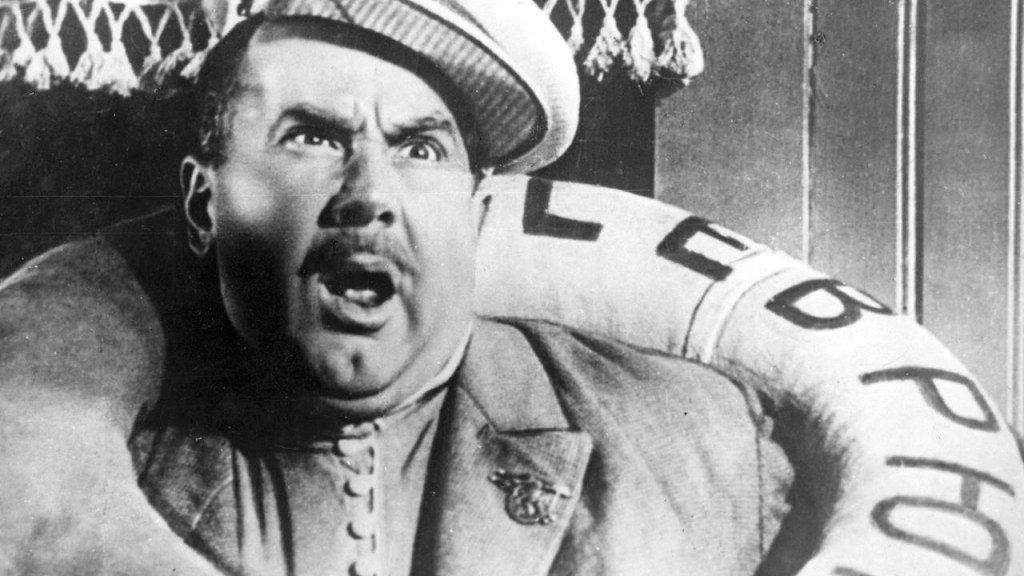
(1903 – 1983) | Canon place: 7/10 | 🇷🇺
Try Aleksandrov | if you like the politically charged and visually striking films of Sergei Eisenstein, Dziga Vertov, and Vsevolod Pudovkin.
Career Overview and Notable Films
Grigori Aleksandrov was a prominent Soviet film director noted for his collaboration with Sergei Eisenstein, especially on landmark films like Battleship Potemkin. However, Aleksandrov also had a successful independent directorial career, best known for his musical comedies such as Volga-Volga, which showcased the triumphs of Soviet life.
Distinctive Features
Aleksandrov’s films were known for their dynamic compositions and montage editing, a technique he honed during his collaboration with Eisenstein. However, in contrast to the often sombre tones of Eisenstein’s films, Aleksandrov’s own directorial ventures were characterised by their vibrancy, humour, and celebratory portrayal of Soviet life.
His musical comedies are particularly noteworthy for their imaginative choreography, catchy music, and optimistic depiction of Soviet society. These films often used humour and music to deliver subtly crafted ideological messages.
Influence and Importance
Grigori Aleksandrov’s contribution to Soviet cinema was significant. His musical comedies, with their unique blend of entertainment and ideology, played a key role in shaping the Soviet film industry and remain popular to this day. His films, especially Volga-Volga, are considered classics of Soviet cinema.
Goffredo Alessandrini
(1904 – 1978) | Canon place: 5/10 | 🇮🇹
Try Alessandrini | if you like the romantic and socio-political films of Roberto Rossellini, Vittorio De Sica, and Luchino Visconti.
Career Overview and Notable Films
Goffredo Alessandrini was an Italian film director known for his contributions to Italian cinema during the 1930s and 40s. Alessandrini’s Noi Vivi and Addio Kira!, both based on Ayn Rand’s novel “We the Living,” are considered among his most significant works.
Distinctive Features
Alessandrini’s films often explored social and political themes, presenting nuanced portrayals of Italian life. His narratives were marked by their dramatic intensity, insightful characterisations, and evocative imagery.
His films were often rooted in realism, presenting an unvarnished look at societal norms and institutions. His emphasis on strong, psychologically complex characters was a defining feature of his cinematic style.
Influence and Importance
While Goffredo Alessandrini may not be as well-known as some of his contemporaries, his work shaped Italian cinema. His films, particularly Noi Vivi and Addio Kira!, are noted for their complex characterisations and political commentary, marking a significant contribution to the Italian cinema of the period.
Lexi Alexander
(1974 – -) | Canon place: 4/10 | 🇩🇪
Try Alexander | if you like the action-packed and socially conscious films of Kathryn Bigelow, Patty Jenkins, and Neill Blomkamp.
Career Overview and Notable Films
Lexi Alexander is a German-American filmmaker and former World Kickboxing Champion known for directing action-packed films such as Green Street Hooligans and Punisher: War Zone. Her film Johnny Flynton was nominated for an Academy Award for Best Live-Action Short Film.
Distinctive Features
Alexander’s films often revolve around intense, high-stakes action sequences, a reflection of her background in martial arts. She brings an unflinching realism to her depiction of violence, setting her apart from many of her contemporaries.
Her narratives often feature characters from the margins of society, exploring themes of identity, belonging, and the brutal realities of their lives. Her background as a woman in a male-dominated industry and her passion for social justice also influence the themes and perspectives in her films.
Influence and Importance
Lexi Alexander’s impact on cinema extends beyond her filmography. As one of the few women directors in the action genre, she has been a vocal advocate for diversity and equality in Hollywood. Her candid commentary on the industry’s biases and her advocacy for underrepresented voices have made her a significant figure in contemporary cinema.
Ra’anan Alexandrowicz
(1969 – -) | Canon place: 5/10 | 🇮🇱
Try Alexandrowicz | if you like the politically engaged and thought-provoking films of Joshua Oppenheimer, Laura Poitras, and Avi Mograbi.
Career Overview and Notable Films
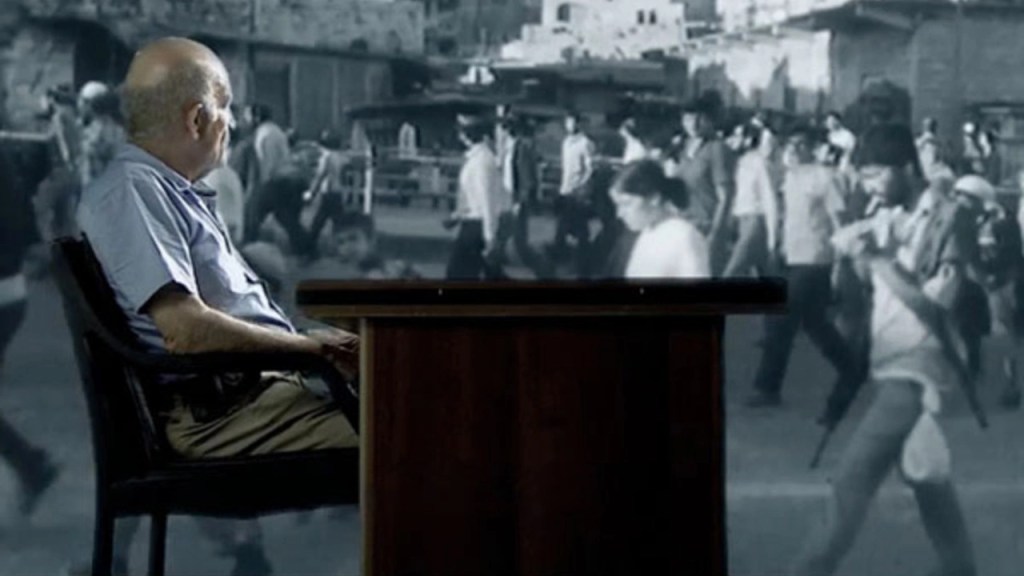
Ra’anan Alexandrowicz is an Israeli filmmaker known for his critical and thought-provoking documentaries. His works, such as The Inner Tour and The Law in These Parts, delve into the complexities of the Israeli-Palestinian conflict.
Distinctive Features
Alexandrowicz’s films are characterised by their in-depth examination of difficult subjects, particularly the political and societal implications of the Israeli-Palestinian conflict. His approach to documentary filmmaking often involves confronting viewers with uncomfortable truths, questioning preconceptions, and challenging societal norms.
His films are noted for their innovative narrative structures, blending personal testimonies with archival footage to create powerful and often unsettling narratives.
Influence and Importance
Ra’anan Alexandrowicz’s films have made significant contributions to the dialogue on the Israeli-Palestinian conflict. His unflinching look at the complexities of this issue and his innovative narrative approach has made him an important figure in contemporary documentary filmmaking.
Hans Alfredson
(1931 – 2017) | Canon place: 5/10 | 🇸🇪
Try Alfredson | if you like the darkly comedic films of Ingmar Bergman, Roy Andersson, and Aki Kaurismäki.
Career Overview and Notable Films
Hans Alfredson was a Swedish comedian, writer, and director noted for his humorous and satirical style. He was known for his collaboration with Tage Danielsson, with whom he founded the Swedish entertainment company AB Svenska Ord. Alfredson’s directorial works, such as The Softening of the Egg and The Simple-Minded Murderer, showcased his unique comedic style.
Distinctive Features
Alfredson’s films are characterised by their absurdist humour, satirical commentary, and unique narrative structures. His comedy was often layered with social and political commentary, satirising societal norms and institutions.
His distinctive visual style combined elements of surrealism with comedic absurdity, creating a uniquely Alfredsonian cinematic universe. His films often featured quirky, eccentric characters navigating a world where the ridiculous and the profound coexist.
Influence and Importance
Hans Alfredson made a significant contribution to Swedish cinema, both as a director and as a writer. His unique blend of comedy and satire substantially influenced Swedish filmmaking, inspiring a new generation of filmmakers to embrace humour as a tool for social commentary.
Tomas Alfredson

(1965 – -) | Canon place: 7/10 | 🇸🇪
Try Alfredson | if you like the atmospheric and visually striking films of David Fincher, Denis Villeneuve, and Christopher Nolan.
Career Overview and Notable Films
Thomas Alfredson is a Swedish film director known for his atmospheric and chilling films. He gained international recognition for his vampire horror film Let the Right One In and his espionage thriller Tinker Tailor Soldier Spy.
Distinctive Features
Alfredson’s films are known for their atmospheric quality, achieved through meticulous production design and a highly controlled visual palette. His narrative style often embraces slow pacing, allowing the tension to build gradually to a haunting climax.
His narratives focus on character development, portraying complex, flawed characters in emotionally challenging circumstances. Alfredson’s direction emphasises the psychological aspects of the narrative, underscoring the underlying tension and fear.
Influence and Importance
Thomas Alfredson has significantly impacted modern cinema, particularly in the horror and thriller genres. Let the Right One In is widely recognised as one of the best vampire films of all time, while Tinker Tailor Soldier Spy has been hailed as one of the finest spy films of its era. Alfredson’s films have set new standards in their respective genres and influenced a generation of filmmakers.
 Bronze Screen Dream