
Masao Adachi
Try Adachi | if you like the radical and experimental films of Nagisa Oshima, Kōji Wakamatsu, and Shūji Terayama.
1939 – – | Canon place: 4/10 | 🇯🇵
Career Overview and Notable Films
Masao Adachi is a Japanese film director and screenwriter known for his contributions to the Japanese New Wave and his politically charged films. His works include A.K.A. Serial Killer and Prisoner/Terrorist, films that reflect his radical political views.
Distinctive Features
Adachi’s films are characterised by their avant-garde narrative structures, radical political themes, and innovative use of the cinematic medium. He is known for developing the concept of “landscape theory” or “fukeiron”, which proposes that the surrounding landscape subtly conditions those living within it.
Influence and Importance
Adachi is influential in Japanese cinema, particularly in political and experimental filmmaking. His radical approach to filmmaking and theory has influenced a new generation of filmmakers and film theorists.
Maren Ade

(1976 – -) | Canon place: 7/10 | 🇩🇪
Try Ade | if you like the emotionally intricate and subtly humorous films of Mike Leigh, Noah Baumbach, and Joanna Hogg.
Career Overview and Notable Films
Maren Ade is a German film director, screenwriter, and producer known for her critically acclaimed films The Forest for the Trees, Everyone Else, and Toni Erdmann, the latter being nominated for the Best Foreign Language Film at the Academy Awards.
Distinctive Features
Ade’s films are characterised by their intimate storytelling and nuanced character studies. Her movies often focus on individuals in emotionally charged situations, exploring identity, isolation, and human connection themes. Her films are marked by their naturalistic performances and focus on character development over plot.
Ade’s visual style is understated yet powerful. She often uses close-ups and handheld camera work to create a sense of intimacy and immediacy.
Influence and Importance
Maren Ade has emerged as a leading figure in contemporary German cinema. Her films have received widespread critical acclaim and have played at prestigious film festivals worldwide, reinforcing the global reputation of German cinema.
Lou Adler
(1933 – -) | Canon place: 4/10 | 🇺🇸
Try Adler | if you like the eccentric and cultural films of John Landis, Ivan Reitman, and Allan Moyle.
Career Overview and Notable Films
Lou Adler is an American record producer, manager, and director, best known for directing Up in Smoke and Ladies and Gentlemen, The Fabulous Stains.
Distinctive Features
Adler’s films are characterised by their countercultural themes and distinct humour. They often portray eccentric characters and capture the spirit of the times with unique plots centred around music and youth culture.
Influence and Importance
Though Adler’s directorial output is limited, his work, particularly “Up in Smoke”, significantly impacted countercultural cinema. The film has remained a cult favourite and is considered a cornerstone of stoner comedy, influencing numerous filmmakers in this genre.
Franklin Adreon
(1902 – 1979) | Canon place: 2/10 | 🇺🇸
Try Adreon | if you like the classic and fast-paced films of William Witney, John English, and Spencer Gordon Bennet.
Career Overview and Notable Films
Franklin Adreon was an American film and television director known for his work in serials and action films during the 1940s and 1950s. His notable works include Panther Girl of the Kongo and The Invisible Monster.
Distinctive Features
Adreon’s films are known for their action-packed narratives, filled with cliffhangers and adventure. They often feature strong, heroic characters and clear moral dichotomies, common traits in the serial and Western genres.
Influence and Importance
While Adreon’s work may not be widely recognised today, he was a prolific figure in serials and Westerns during his active years. His films offer an insight into the cinematic norms and narrative structures of these popular mid-20th-century genres.
Ben Affleck

(1972 – -) | Canon place: 6/10 | 🇺🇸
Try Affleck | if you like the tense and character-driven films of David Fincher, Clint Eastwood, and Kathryn Bigelow.
Career Overview and Notable Films
Ben Affleck is an American actor and filmmaker known for directing films such as Gone Baby Gone, The Town, and Argo, which won the Academy Award for Best Picture. Affleck’s works are often character-driven narratives set against a backdrop of crime or political intrigue.
Distinctive Features
Affleck’s films are characterised by their intricate plots, tense atmosphere, and strong character development. His work often explores themes of guilt, redemption, and moral ambiguity. His skill in creating suspense and building complex characters contributes to the intensity and emotional depth of his films.
Influence and Importance
As an actor-turned-director, Affleck has successfully transitioned from being in front of the camera to behind it. His critically acclaimed films have solidified his status as a skilled director in contemporary American cinema. Affleck’s success demonstrates the potential for actors to bring their unique insights to the directorial role.
Alejandro Agresti
(1961 – -) | Canon place: 5/10 | 🇦🇷
Try Agresti | if you like the intimate and reflective films of Pablo Trapero, Lucrecia Martel, and Juan José Campanella.
Career Overview and Notable Films
Alejandro Agresti is an Argentine film director and screenwriter. He is best known for his film “Valentín” (2002), a semi-autobiographical story of a young boy growing up in Buenos Aires. His English-language film “The Lake House” (2006) starred Keanu Reeves and Sandra Bullock.
Distinctive Features
Agresti’s films are often marked by their introspective and personal narratives. His work explores themes of family, memory, and identity. He has a distinctive ability to infuse everyday life with deeper existential questions.
Influence and Importance
As a filmmaker who has worked in both Argentine and American cinema, Agresti has been a cultural bridge between the two industries. His films offer a distinctively Latin American perspective on universal themes, contributing to the global recognition of Argentine cinema.
Ignacio Agüero
(1952 – -) | Canon place: 4/10 | 🇨🇱
Try Agüero | if you like the observational and introspective films of Patricio Guzmán, Victor Erice, and Raúl Ruiz.
Career Overview and Notable Films
Ignacio Agüero is a Chilean director known primarily for his documentary films that capture the socio-political landscape of Chile. His works, including This Is Not a Pipeline and The Other Day, often present a critical and nuanced view of Chilean society and history.
Distinctive Features
Agüero’s work is characterised by its observational style, personal narratives, and political engagement. He often employs a poetic and reflective approach to documentary filmmaking, blending personal and political elements to tell deeply human stories.
Influence and Importance
Agüero has been a significant figure in Chilean documentary filmmaking, contributing to the rise of documentary cinema in post-dictatorship Chile. His thoughtful and introspective approach to capturing Chilean reality offers a unique perspective on the country’s complex history and contemporary society.
Khwaja Ahmad Abbas
(1914 – 1987) | Canon place: 4/10 | 🇮🇳
Try Abbas | if you like the socially conscious and humanistic films of Satyajit Ray, Ritwik Ghatak, and Bimal Roy.
Career Overview and Notable Films
Khwaja Ahmad Abbas was an Indian film director, screenwriter, and journalist known for his socially relevant cinema. His notable works include Dharti Ke Lal, Pardesi, and Saat Hindustani, the latter marking the debut of legendary Indian actor Amitabh Bachchan.
Distinctive Features
Abbas’s films are characterised by their strong social commentary, humanistic approach, and depiction of ordinary people’s struggles. He was known for his commitment to realism and deep empathy for the common man.
Influence and Importance
Abbas has been a significant figure in Indian cinema, particularly in the parallel cinema movement that aimed to counter mainstream Bollywood escapist tendencies with more realistic and socially engaged films. His legacy is remembered for the depth of his social commitment and the lasting influence of his humanistic cinema.
Peggy Ahwesh
(1954 – -) | Canon place: 3/10 | 🇺🇸
Try Ahwesh | if you like the experimental and boundary-pushing films of Su Friedrich, Chick Strand, and Carolee Schneemann.
Career Overview and Notable Films
Peggy Ahwesh is an American experimental filmmaker and video artist. Known for pushing the boundaries of the medium, her most notable works include The Deadman, Martina’s Playhouse, and The Star Eaters. Her films often challenge conventions of gender, sexuality, and identity.
Distinctive Features
Ahwesh’s films are characterised by their experimental aesthetics, use of unconventional narrative structures, and exploration of controversial themes. She often blurs the lines between documentary and fiction, employing a variety of formats from Super-8 film to digital video.
Influence and Importance
As a part of the American experimental film scene, Ahwesh’s work has been influential in pushing the boundaries of cinematic expression. Her feminist perspective and unique cinematic approach continue to inspire a new generation of filmmakers.
Karim Aïnouz

(1966 – -) | Canon place: 6/10 | 🇧🇷
Try Aïnouz | if you like the vibrant and socially engaged films of Walter Salles, Fernando Meirelles, and Glauber Rocha.
Career Overview and Notable Films
Karim Aïnouz is a Brazilian film director known for his bold and vibrant films. His works include Madame Satã, a biopic about a famous drag queen, and The Invisible Life of Eurídice Gusmão, which won the Un Certain Regard prize at the Cannes Film Festival.
Distinctive Features
Aïnouz’s films are characterised by their vibrant visual style, intense emotional depth, and exploration of marginalised identities. His works often delve into themes of sexuality, identity, and the socio-political realities of contemporary Brazil.
Influence and Importance
Aïnouz is a prominent figure in contemporary Brazilian cinema; his films are a testament to the country’s dynamic and diverse storytelling tradition. By focusing on marginalised characters and challenging traditional narrative structures, Aïnouz contributes to the ongoing evolution of Brazilian cinema.
Alexandre Aja
(1978 – -) | Canon place: 4/10 | 🇫🇷
Try Aja | if you like the tense and visceral films of Sam Raimi, Wes Craven, and John Carpenter.
Career Overview and Notable Films
Alexandre Aja is a French film director known for his work in the horror genre. He achieved international recognition with High Tension, a visceral horror-thriller that cemented his place in the New French Extremity movement. He then transitioned to Hollywood, directing films like The Hills Have Eyes and Crawl.
Distinctive Features
Aja’s films are characterised by their intense violence, psychological depth, and atmospheric tension. His works often combine elements of slasher films, creature features, and psychological horror to create visceral and suspenseful viewing experiences.
Influence and Importance
Aja is a significant figure in contemporary horror cinema, particularly known for pushing boundaries regarding on-screen violence and terror. His contribution to the New French Extremity movement has helped redefine the possibilities of horror cinema, both in France and internationally.
Lütfi Akad
(1919 – 2011) | Canon place: 5/10 | 🇹🇷
Try Akad | if you like the realistic and socially conscious films of Yılmaz Güney, Metin Erksan, and Nuri Bilge Ceylan.
Career Overview and Notable Films
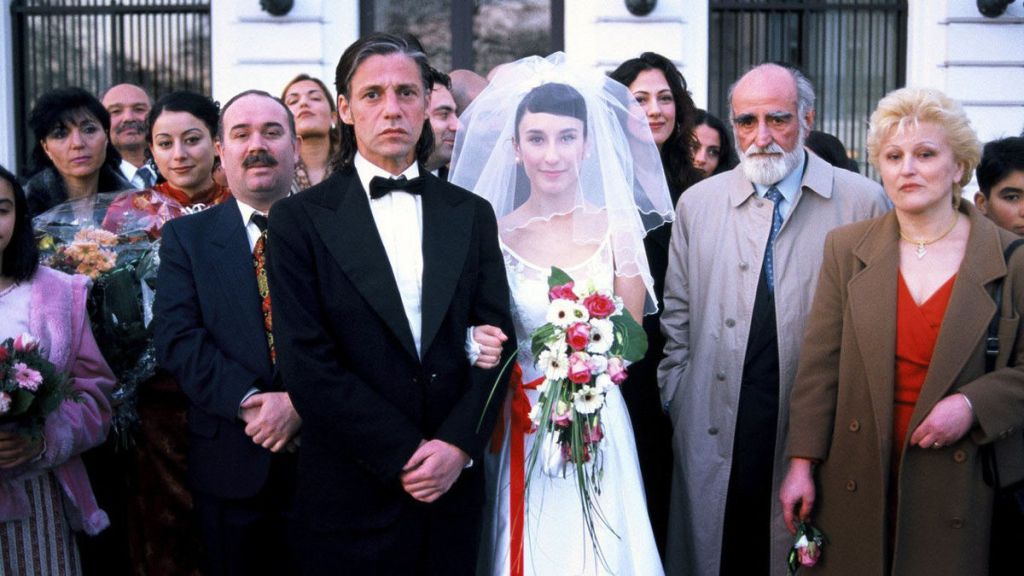
Lütfi Ö. Akad was a Turkish film director and screenwriter known for his films dealing with social issues in Turkey. His most notable works include The Broken Pot, The Bride, and The Canal.
Distinctive Features
Akad’s films are characterised by their realistic portrayal of Turkish society, exploration of social issues, and complex character studies. He often used cinema as a tool for social critique, focusing on themes of poverty, inequality, and the rural-urban divide in Turkey.
Influence and Importance
Akad is considered a key figure in Turkish cinema, having significantly contributed to developing a more realistic and socially conscious film language in the country. His work has influenced many filmmakers in Turkey and continues to be relevant in discussions of Turkish cinematic history.
Chantal Akerman
(1950 – 2015) | Canon place: 9/10 | 🇧🇪
Try Akerman | if you like the contemplative and boundary-pushing films of Yasujirō Ozu, Michelangelo Antonioni, and Marguerite Duras.
Career Overview and Notable Films
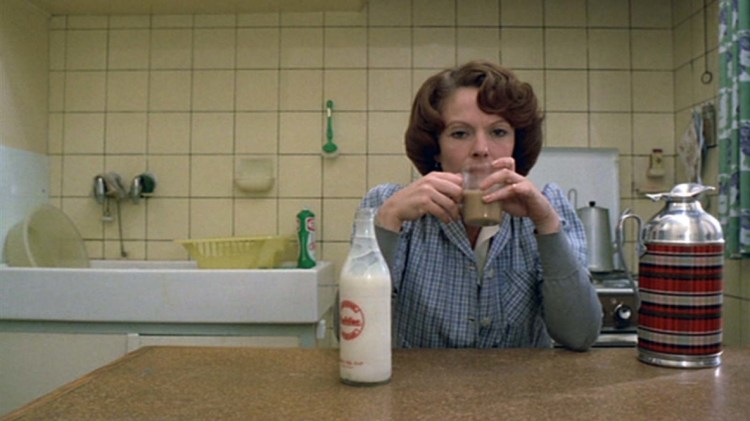
Chantal Akerman was a Belgian film director, artist, and film professor. She was one of her generation’s most important European directors, best known for her film Jeanne Dielman, 23 Quai du Commerce, 1080 Bruxelles, a groundbreaking work of feminist cinema, which came first in the 2023 Sight and Sound poll.
Distinctive Features
Akerman’s work is marked by a minimalist aesthetic, which includes static shots, long takes, and real-time sequences. This style emphasises the passing of time and accentuates the tedium and the austerity of her characters’ lives. It’s this ability to make viewers acutely aware of the act of viewing that sets her work apart. Her usage of time, or rather, the ‘real time’ in her films, is a radical departure from traditional film narratives that often compress time for the sake of storytelling.
In her films, she frequently explores themes of identity, gender, and domesticity from a distinctly feminist perspective. Notably, Akerman doesn’t just portray these themes but uses her minimalist style to underscore the constraints and expectations imposed upon women. Her attention to detail, be it the humdrum activities of a housewife in Jeanne Dielman or the geographic displacement of a filmmaker in News from Home, reflects her keen observations on the human condition.
Influence and Importance
Akerman’s influence on cinema is profound, particularly within feminist and avant-garde filmmaking circles. Her meticulous approach to time, space, and everyday life has influenced many filmmakers and artists. Her film Jeanne Dielman is considered a landmark in feminist cinema.
Desiree Akhavan
(1984 – -) | Canon place: 4/10 | 🇺🇸
Try Akhavan | if you like the intimate and LGBTQ+-focused films of Lisa Cholodenko, Dee Rees, and Céline Sciamma.
Career Overview and Notable Films
Desiree Akhavan is an American-Iranian filmmaker and actress. She gained recognition for her debut feature film Appropriate Behavior and her Sundance Grand Jury Prize-winning film The Miseducation of Cameron Post (2018), both of which explore LGBTQ+ themes and experiences.
Distinctive Features
Akhavan’s films are characterised by their candid humour, personal narratives, and exploration of LGBTQ+ identities. She often blends comedy with more serious issues, creating entertaining and thought-provoking films.
Influence and Importance
Akhavan is an important voice in contemporary LGBTQ+ cinema. Her films have contributed to the increased representation of LGBTQ+ characters and narratives in film, providing a fresh and authentic perspective on LGBTQ+ experiences.
Fatih Akin
(1973 – -) | Canon place: 7/10 | 🇩🇪
Try Akin | if you like the socially conscious and emotionally intense films of Ken Loach, Aki Kaurismäki, and Michael Haneke.
Career Overview and Notable Films
Fatih Akin is a German film director, screenwriter, and producer of Turkish descent. His body of work often centres around the experiences of Turkish immigrants in Germany, exploring themes of cultural identity, integration, and societal conflict. His most notable films include Head-On, which won the Golden Bear at the Berlin International Film Festival, and The Edge of Heaven, which won the Best Screenplay Award at the Cannes Film Festival.
Distinctive Features
Akin’s films are characterised by their exploration of cultural hybridity, complex character studies, and raw emotional intensity. His works often delve into themes of love, loss, and cultural dislocation while engaging with socio-political issues prevalent in contemporary Europe.
Influence and Importance
Akin is a significant figure in contemporary German cinema, known for his nuanced portrayals of cultural and societal conflict. His films provide a distinct perspective on issues of migration, identity, and integration, thus contributing to the evolving discourse on these topics in global cinema.
Moustapha Akkad
(1930 – 2005) | Canon place: 4/10 | 🇸🇾
Try Akkad | if you like the epic and dramatic films of David Lean, William Wyler, and Anthony Mann.
Career Overview and Notable Films
Moustapha Akkad was a Syrian-American film producer and director best known for producing the Halloween horror franchise and directing the epic historical films The Message and Lion of the Desert.
Distinctive Features
Akkad’s directorial works are characterised by their grand scale, historical themes, and exploration of Islamic history. As a producer, his influence is seen in the success and longevity of the Halloween franchise, which has become a staple of American horror cinema.
Influence and Importance
Akkad holds a unique place in film history for his contributions to American horror cinema and his ambitious directorial works that aimed to bridge cultural and religious divides.
John Akomfrah
(1957 – -) | Canon place: 6/10 | 🇬🇧🇬🇭
Try Akomfrah | if you like the experimental and socio-politically engaged films of Steve McQueen, Isaac Julien, and Derek Jarman.
Career Overview and Notable Films
John Akomfrah is a British artist, film director, and writer. Known for his innovative and multi-layered films, Akomfrah explores themes of memory, post-colonialism, and the experiences of migrant communities in the UK. His most notable works include Handsworth Songs and The Nine Muses.
Distinctive Features
Akomfrah’s films are characterised by their experimental approach to storytelling, blending archival footage, interviews, and fictional elements. His works often engage with complex themes of race, migration, and identity, providing a profound commentary on contemporary society.
Influence and Importance
As a co-founder of the Black Audio Film Collective, Akomfrah has been a crucial figure in contemporary British cinema. His innovative approach to filmmaking and his exploration of important social and political themes have significantly impacted the landscape of independent cinema.
 Bronze Screen Dream