
Carlos Saura, a titan of Spanish cinema, passed away in February this year, leaving behind a rich legacy of films that have shaped and defined Spanish cinema. This week, the Cannes Film Festival pays tribute to Saura by showcasing his acclaimed film Carmen. As we remember Saura, it is not with mourning but with a celebration of his life and his immense contribution to the world of cinema.
Saura was known for his unique blend of socio-political commentary and deeply personal narratives. His films, such as The Hunt, Cria Cuervos, Blood Wedding, and Carmen, are renowned for their exploration of Spanish history, culture, and identity. Saura often used recurring motifs of dance and music, particularly flamenco, to express complex emotions and ideas. His visual style was distinctive, characterised by stark cinematography and a keen eye for detail, capturing the raw energy and emotion of his subjects.
Saura’s importance as a filmmaker cannot be overstated. His films have profoundly impacted film history, influencing a generation of filmmakers and reshaping the landscape of Spanish cinema. His ability to weave socio-political commentary into compelling narratives, combined with his love for dance and its expressive potential, has made him a unique and influential figure.
In celebration of Saura’s life and work, we are writing this article to highlight four of his films that every serious movie fan should watch. These films not only showcase Saura’s unique vision and storytelling prowess but also offer a glimpse into the rich tapestry of Spanish history and culture.
Carlos Saura, a titan of Spanish cinema, passed away in February this year, leaving behind a rich legacy of films that have shaped and defined Spanish cinema. This week, the Cannes Film Festival pays tribute to Saura by showcasing his acclaimed film Carmen. As we remember Saura, it is not with mourning but with a celebration of his life and his immense contribution to the world of cinema.
Saura was known for his unique blend of socio-political commentary and deeply personal narratives. His films, such as The Hunt, Cria Cuervos, Blood Wedding, and Carmen, are renowned for their exploration of Spanish history, culture, and identity. Saura often used recurring motifs of dance and music, particularly flamenco, to express complex emotions and ideas. His visual style was distinctive, characterised by stark cinematography and a keen eye for detail, capturing the raw energy and emotion of his subjects.
Saura’s importance as a filmmaker cannot be overstated. His films have had a profound impact on film history, influencing a generation of filmmakers and reshaping the landscape of Spanish cinema. His ability to weave socio-political commentary into compelling narratives, combined with his love for dance and its expressive potential, has made him a unique and influential figure.
In celebration of Saura’s life and work, we are writing this article to highlight four of his films that every serious movie fan should watch. These films not only showcase Saura’s unique vision and storytelling prowess but also offer a glimpse into the rich tapestry of Spanish history and culture.
The Hunt (1966)
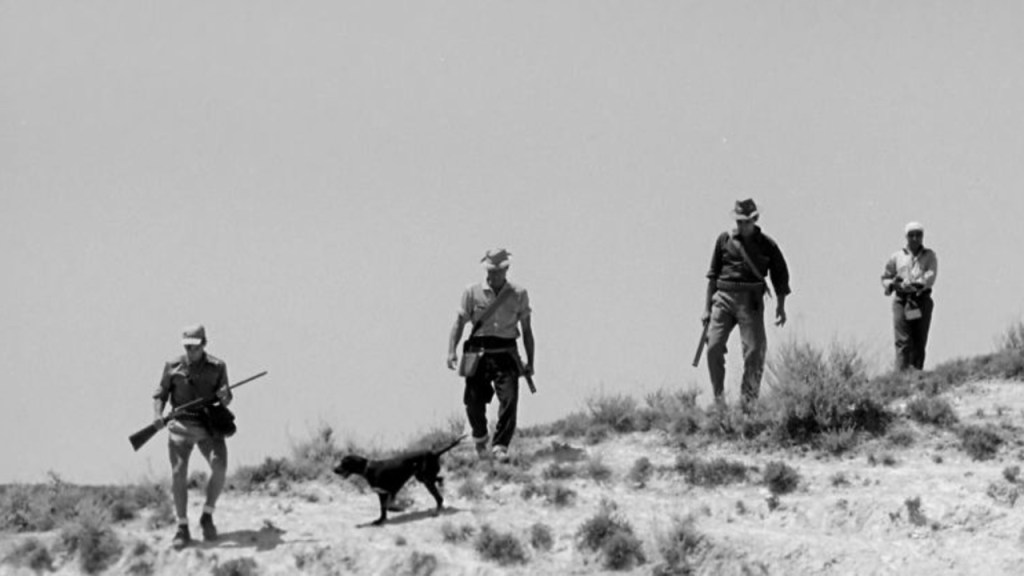
The Hunt is a gripping drama that explores the human psyche under the strain of societal pressures. The film is set against the backdrop of a rabbit hunting expedition that takes a dark turn. The plot revolves around three middle-aged men and a young relative who embark on a hunting trip that becomes a metaphor for the brutalities of the Franco regime. The film stars Ismael Merlo, Alfredo Mayo, José María Prada, and Fernando Sánchez Polack and is a poignant exploration of the human condition under a repressive regime.
The Hunt is a masterclass in allegorical storytelling. Saura’s adeptness at weaving socio-political commentary into a seemingly simple plot is commendable. The film’s stark portrayal of the human capacity for violence and the underlying tension throughout the narrative make it a compelling watch. The cinematography is stark and unflinching, capturing the harsh realities of the characters’ lives and the brutal landscape that mirrors their internal turmoil.
The film received critical acclaim for its bold narrative and powerful performances. It was lauded for its allegorical representation of the Franco regime’s brutality and the societal tensions in Spain during that period. The film’s influence can be seen in the works of other filmmakers, such as Sam Peckinpah, who acknowledged its impact on his depiction of male relationships and violence.
Cria Cuervos (1976)
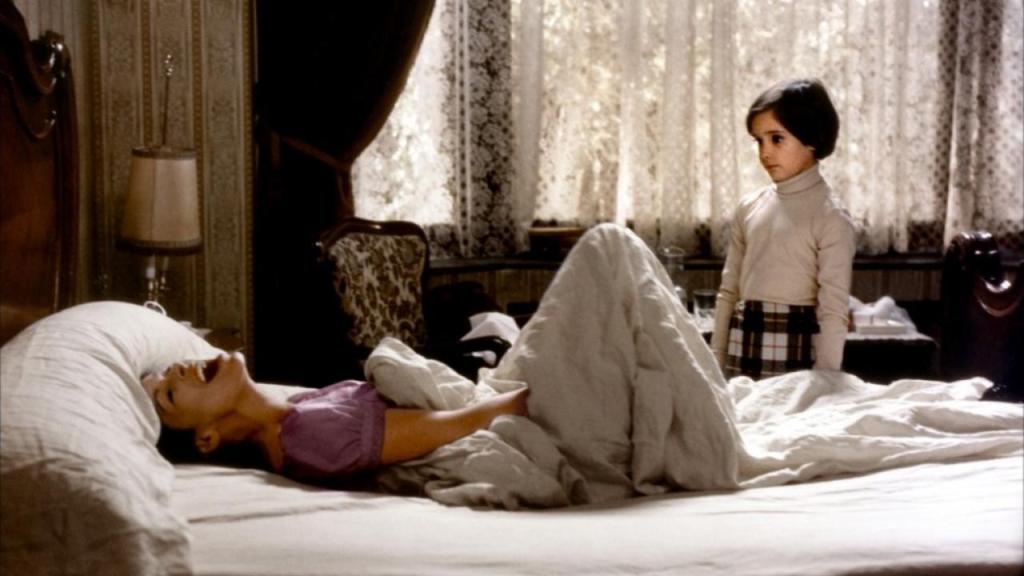
Cria Cuervos is a haunting exploration of childhood trauma and memory. The film stars Ana Torrent as a young girl dealing with the death of her parents, with Geraldine Chaplin playing her mother and her adult self. The film is a poignant exploration of the lingering effects of Spain’s Civil War and the Franco regime on the psyche of its people.
Cria Cuervos is a deeply affecting film that delves into the complexities of childhood trauma and the lasting impact of political turmoil on individual lives. Saura’s nuanced storytelling, combined with the powerful performances of Torrent and Chaplin, creates a film that is both emotionally resonant and politically charged. The film’s exploration of memory and trauma is both intimate and universal, making it a must-watch for any film enthusiast.
The film received widespread acclaim upon its release, winning the Special Jury Prize at the Cannes Film Festival. It was also praised for its insightful portrayal of the lingering effects of political turmoil on the psyche of a nation. The film’s exploration of childhood trauma and memory has been compared to the works of other filmmakers, such as Ingmar Bergman, in its depth and complexity.
Blood Wedding (1981)

Blood Wedding is a vibrant exploration of Spanish culture and identity through the lens of flamenco. It is a cinematic adaptation of Federico Garcia Lorca’s play of the same name. The film stars Antonio Gades and Cristina Hoyos, two of Spain’s most renowned flamenco dancers, and is a celebration of Spanish culture and tradition.
Blood Wedding is a visual feast that captures the passion and intensity of flamenco. Saura’s direction brings the dance to life on screen, creating a film that is as much a dance performance as it is a narrative. The film’s exploration of love, betrayal, and tradition through the medium of dance makes it a unique cinematic experience.
The film was highly praised for its innovative approach to storytelling and its stunning visual aesthetic. It won the Silver Bear for Best Director at the Berlin International Film Festival and was nominated for the Golden Bear. The film’s unique blend of narrative and performance has been compared to the works of other filmmakers, such as Bob Fosse.
Carmen (1983)

Carmen is a film that beautifully intertwines the worlds of dance and cinema. This film is a reimagining of the classic opera by Georges Bizet, set in the world of flamenco. The film stars Antonio Gades and Laura del Sol, who deliver captivating performances as the ill-fated lovers Carmen and Don José. The film is a testament to Saura’s love for dance and his ability to weave it seamlessly into his narratives.
Carmen is a film that celebrates the passion and intensity of flamenco. Saura’s direction captures the raw energy and emotion of the dance, creating a film that is as much a dance performance as it is a narrative. The film’s exploration of love, obsession, and betrayal through the medium of dance makes it a unique cinematic experience. The film’s vibrant cinematography and the powerful performances of its lead actors make it a compelling watch.
Carmen received widespread acclaim upon its release. It won the Jury Prize at the Cannes Film Festival and was nominated for the Palme d’Or. The film’s innovative blend of narrative and performance has been compared to the works of other filmmakers, such as Federico Fellini, in its ability to blur the lines between reality and performance. The film’s influence can be seen in the works of other filmmakers who have explored the world of dance, such as Darren Aronofsky‘s Black Swan.
Carlos Saura’s Best Films
These four films by Carlos Saura are not just films but a journey through Spanish history, culture, and identity. They are a testament to Saura’s ability to weave socio-political commentary into compelling narratives and his love for dance and its ability to express complex emotions and ideas. These films stand as a testament to Carlos Saura’s unique vision and his significant contribution to Spanish cinema.
 Bronze Screen Dream