

Kenneth Anger, a pioneering figure in experimental cinema, has passed away at 96. His groundbreaking work, which began in the 1940s, brought homoeroticism to the screen and introduced a new visual lexicon that would influence generations of filmmakers, including Martin Scorsese and David Lynch.
Anger’s films, such as Fireworks, Inauguration of the Pleasure Dome, Rabbit’s Moon, Scorpio Rising, and Lucifer Rising, were celebrated for their innovative style, including jump cuts, glaring colours, and demonic imagery. His work was characterised by a mystical-symbolic visual language and phantasmagorical-sensual opulence that underscored the medium’s transgressive potential. These films were often credited with deeply impacting the aesthetics of 1960s and 1970s subcultures, particularly queer iconography.
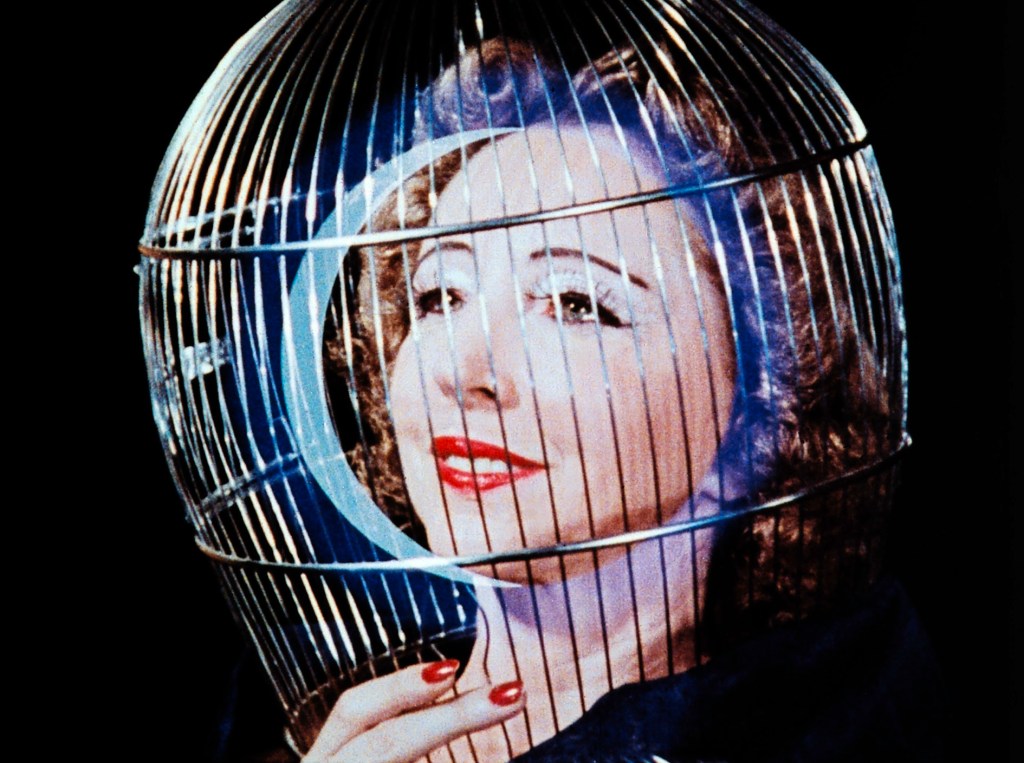
Fireworks was a surreal, experimental short that combined homoerotic imagery with a distinct visual language. Inauguration of the Pleasure Dome delved deeper into spiritual philosophy, featuring surreal Technicolor imagery to convey a sexually charged, orgiastic mixture of myth and ecstasy.
Rabbit’s Moon was a lyrical, dreamlike short film showcasing Anger’s unique storytelling approach. Scorpio Rising was a surreal exploration of American leather biker culture, set to a soundtrack of popular songs of the day. It was a film that pushed boundaries and challenged societal norms. Lucifer Rising was an occult-infused work that continued Anger’s exploration of satanic imagery and themes.
In addition to his filmmaking, Anger gained notoriety for his book “Hollywood Babylon,” first published in France in 1959. The book, filled with gossipy descriptions of the sex lives and gruesome deaths of celebrities, became popular for its scandalous content and remained a cult classic.

Despite his significant influence on film and popular culture, Anger often struggled financially and remained a Hollywood outcast throughout his life. He was a self-described pagan with the name Lucifer tattooed on his chest, and his films challenged obscenity laws and incorporated satanic imagery, reflecting his personal interest in the occult. These elements of his personal and professional life often led to controversy and legal battles, further complicating his career.
However, Anger’s cinematic genius and influence will continue to transform all those who encounter his films, words, and vision. His life and work are a testament to the power of creativity and the importance of pushing boundaries in art. His unique vision and daring approach to filmmaking have left an indelible mark on the industry, and his influence will continue to be felt for generations to come.
His work serves as a reminder of the transformative power of cinema and the enduring impact of a truly original voice.
 Bronze Screen Dream