
Stanley Kubrick‘s final film, Eyes Wide Shut, masterfully weaves a narrative that dances on the blurred line between reality and fantasy, seducing viewers into a world of opulence, mystery, and human desire. It’s a labyrinth of psychosexual intrigue that takes its protagonist, and the audience, on a journey through the underbelly of New York society.
Kubrick’s meticulous attention to detail, combined with his unique approach to narrative structure, gives Eyes Wide Shut a timeless quality that continues to inspire and captivate. Its central themes of identity, obsession, and the complexities of human relationships are universal, making the film a poignant exploration of the human condition.
The film’s blend of mystery, eroticism, and psychological drama is engaging and thought-provoking, providing a cinematic experience that stays with the viewer long after the end credits roll.
Eyes Wide Shut is a truly unique film, making finding similar movies tricky. Some love its dreamlike ambiguity, exploration of darker human desires, or intricate narrative structure. There are no films identical to Eyes Wide Shut, but some films share qualities with it, which makes them must-watches for Eyes Wide Shut fans.
Last Year at Marienbad (1962)

Alain Resnais‘ Last Year at Marienbad revolves around a man and a woman who may or may not have met the previous year at Marienbad. The film’s narrative is purposely ambiguous, leaving it up to the viewer to interpret the relationships between the characters.
Like Eyes Wide Shut, Last Year at Marienbad also plays with the idea of memory and reality. Both films use their environments to create a dreamlike atmosphere, leaving viewers questioning the reality of the events depicted. They are characterised by their slow, deliberate pacing and strong visual composition.
However, Last Year at Marienbad is even more abstract than Eyes Wide Shut, with a narrative that is left entirely up to interpretation. If you enjoyed Eyes Wide Shut’s ambiguity and psychological exploration, you might find Last Year at Marienbad an intriguing watch.
Blow-Up (1966)

Michelangelo Antonioni‘s Blow-Up follows a fashion photographer in London who believes he has unwittingly captured a murder on film. As he delves deeper into the mystery, the line between reality and fantasy begins to blur.
Blow-Up, like Eyes Wide Shut, is a psychological mystery that explores themes of perception and reality. Both films feature protagonists who descend into obsession as they attempt to uncover a truth that always seems just out of reach. However, Blow-Up is more of a slow-burn mystery and is less explicit in its psychological and sexual themes compared to Eyes Wide Shut.
That Obscure Object of Desire (1977)
Luis Buñuel‘s That Obscure Object of Desire is about a wealthy Frenchman who falls in love with a young woman who repeatedly frustrates his romantic and sexual desires.
Like Eyes Wide Shut, That Obscure Object of Desire explores themes of desire, obsession, and the complexities of romantic relationships. Both films present a narrative that is at once grounded in reality and imbued with surreal elements.
However, That Obscure Object of Desire uses more humour and satire in its approach, creating a blend of comedy and drama that distinguishes it from the more serious tone of Eyes Wide Shut. If you appreciated the exploration of desire and the surreal elements of Eyes Wide Shut, you might enjoy That Obscure Object of Desire.
Bitter Moon (1992)
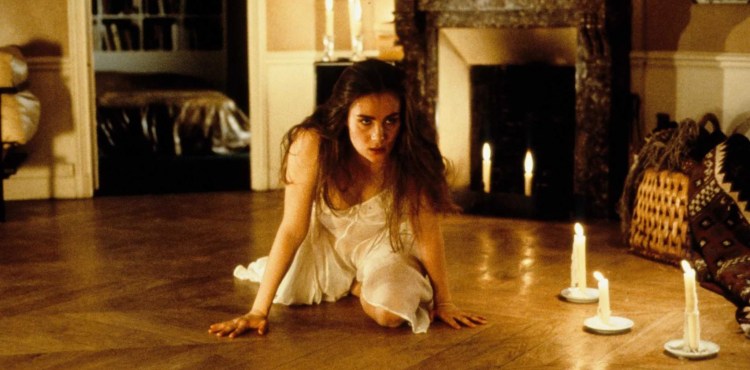
Roman Polanski‘s Bitter Moon tells the story of a British couple who meet a mysterious Frenchman and his paraplegic wife while on a cruise. As the Frenchman tells the story of his intense relationship with his wife, the British couple’s own relationship begins to change.
Both Bitter Moon and Eyes Wide Shut delve into the darker side of human relationships and sexuality. They both explore obsession, desire, and the complexities of married life.
However, Bitter Moon is more overt in exploring these themes, and its narrative is more linear than Eyes Wide Shut’s dreamlike structure. If you enjoyed the exploration of relationships in Eyes Wide Shut, you may find the themes in Bitter Moon similarly compelling.
Lost Highway (1997)
David Lynch‘s Lost Highway presents a complex narrative about a man convicted of murdering his wife, who mysteriously transforms into a young mechanic leading a different life. The film is characterised by its nonlinear narrative and surrealistic elements.
Like Eyes Wide Shut, Lost Highway delves into themes of identity, reality, and fantasy. Both films utilise dreamlike sequences and a sense of unease to drive their narratives.
On the other hand, Lost Highway is more fragmented and surreal than Eyes Wide Shut, with a decidedly non-linear narrative. If you appreciated the blending of reality and fantasy in Eyes Wide Shut, you might enjoy the even more intricate narrative puzzle presented by Lost Highway.
Mulholland Drive (2001)

David Lynch’s Mulholland Drive presents a surreal tale of an aspiring actress named Betty Elms, newly arrived in Los Angeles, who meets and befriends an amnesiac woman hiding in an apartment which Betty is renting. As they search for clues to the woman’s identity, their journey takes a darker and more surreal turn.
Much like Eyes Wide Shut, Mulholland Drive also explores themes of identity, dreams, and the blurred lines between reality and illusion. Both films use their respective cities (New York and Los Angeles) as a backdrop to the characters’ increasingly strange and dreamlike experiences. These films create atmospheres of mystery and uncertainty, leading the audience down a psychological rabbit hole.
However, where Eyes Wide Shut maintains a more grounded approach, Mulholland Drive leans into its dreamlike logic and surrealist tendencies. As a result, it may be more enigmatic and less linear than Eyes Wide Shut. If you enjoyed the psychological intrigue of Eyes Wide Shut, you might appreciate the similar yet more abstract approach of Mulholland Drive.
Donnie Darko (2001)
Richard Kelly’s Donnie Darko is about a troubled teenager who, after surviving a freak accident, starts having visions of a man in a rabbit suit who manipulates him to commit a series of crimes.
Similar to Eyes Wide Shut, Donnie Darko is a psychological journey that balances reality and fantasy. The film explores themes of time, fate, and identity, wrapped in a mystery that keeps you guessing until the end.
However, Donnie Darko leans more towards science fiction and has a darker tone than Eyes Wide Shut. Despite these differences, if you enjoyed Eyes Wide Shut’s psychological depth and dreamlike quality, you might find Donnie Darko an engaging watch.
The Prestige (2006)

Christopher Nolan‘s The Prestige is a tale of two 19th-century magicians locked in a bitter rivalry, each striving to outdo the other with the ultimate magic trick. As their competition escalates, their obsession leads them down a dark path with devastating consequences.
The Prestige, like Eyes Wide Shut, involves themes of obsession, deception, and the blurred line between reality and illusion. Both films are characterised by their intricate narratives and a sense of mystery and intrigue that lasts until the final reveal. However, The Prestige is more of a period drama and includes elements of science fiction.
Black Swan (2010)
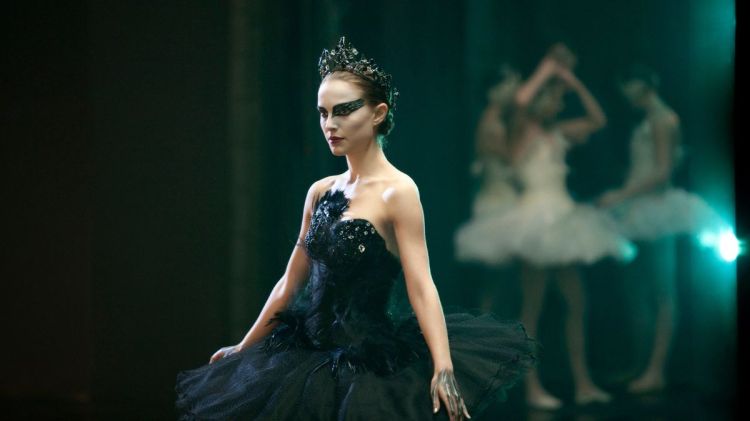
Darren Aronofsky‘s Black Swan is a psychological thriller about a ballet dancer who gets the chance to play the lead in Swan Lake. However, her desire for perfection leads her down a dark path, blurring the lines between reality and fantasy.
Like Eyes Wide Shut, Black Swan uses a psychological approach to explore its protagonist’s descent into madness. Both films blur the lines between reality and fantasy, creating a dreamlike and sometimes unsettling atmosphere.
Despite the difference in setting and subject matter, the films share a commitment to visual storytelling and a similar psychological approach. One crucial difference is that Black Swan focuses more on the individual’s psyche and less on societal themes.
Enemy (2013)
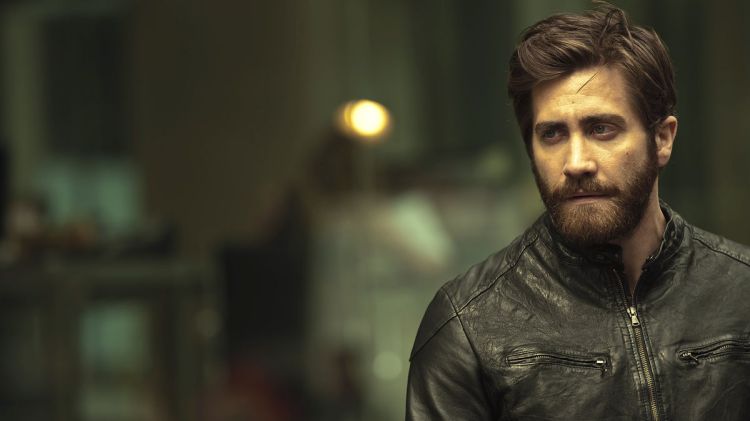
Denis Villeneuve‘s Enemy tells the story of a history professor who discovers an actor who looks exactly like him and becomes obsessed with meeting him, leading to a complex web of intrigue and identity crisis.
Like Eyes Wide Shut, Enemy is a psychological thriller with themes of identity, obsession, and the blurring of reality and fantasy. Both films present a narrative that is grounded in reality but also teeters on the edge of the surreal.
However, Enemy is more focused on the theme of duality and the internal struggle of its protagonist. If you enjoyed the psychological depth and exploration of identity in Eyes Wide Shut, you might find Enemy equally fascinating.
 Bronze Screen Dream