

Lasse Hallstrom

Try Hallstrom | If you like the heartfelt narratives of Frank Capra, James L. Brooks, and Cameron Crowe.
Lasse Hallstrom is a versatile Swedish director who has succeeded both in his home country and Hollywood. His career spans over four decades, with notable films including My Life as a Dog, The Cider House Rules, and Chocolat. Hallstrom’s films often explore themes of love, family, and the search for belonging.
Hallstrom’s films are known for their heartfelt storytelling, memorable characters, and beautiful cinematography. His ability to evoke emotion and create relatable characters sets his films apart. Hallstrom’s style is marked by its warmth, humour, and ability to find beauty in the ordinary.
Hallstrom’s influence on cinema is marked by his ability to create films that resonate with worldwide audiences. His films have been recognised for their storytelling and performances, earning multiple Academy Award nominations.
| Hallstrom’s Filmography Graded (Grading System Reference) | ||
| Shall We Go to My Place or Your Place or Each Go Home Alone? | 1973 | C |
| En kille och en tjej | 1975 | S |
| ABBA: The Movie | 1977 | C |
| Tuppen | 1981 | S |
| Happy We | 1983 | S |
| My Life as a Dog | 1985 | E |
| The Children of Noisy Village | 1986 | R |
| More about the Children of Noisy Village | 1987 | S |
| Once Around | 1991 | S |
| What’s Eating Gilbert Grape | 1993 | E |
| Something to Talk About | 1995 | M |
| The Cider House Rules | 1999 | R |
| Chocolat | 2000 | R |
| The Shipping News | 2001 | S |
| Casanova | 2005 | S |
| An Unfinished Life | 2005 | C |
| The Hoax | 2007 | C |
| Hachiko: A Dog’s Story | 2009 | HR |
| Dear John | 2010 | M |
| Hypnotisoren | 2012 | M |
| Salmon Fishing in the Yemen | 2012 | C |
| Safe Haven | 2013 | M |
| The Hundred-Foot Journey | 2014 | R |
| A Dog’s Purpose | 2017 | S |
| The Nutcracker and the Four Realms | 2018 | M |
| Hilma | 2022 | S |
Roy Andersson

Try Andersson | If you appreciate the absurdist films of Luis Buñuel, Yorgos Lanthimos, and Terry Gilliam.
Roy Andersson is a Swedish director known for his distinct cinematic style that blends absurdist humour with profound existential themes. His most notable works include Songs from the Second Floor, You, the Living, and A Pigeon Sat on a Branch Reflecting on Existence. Andersson’s films often explore the absurdity of human existence, presenting a unique and often surreal perspective on life.
Andersson’s films are characterised by static camera shots, minimalist sets, and pale, almost ghostly characters. His unique blend of humour and melancholy sets his films apart and gives them a distinctive tone. Andersson’s style is marked by its originality and ability to provoke thought and emotion equally.
Andersson’s influence on cinema is evident in his ability to create a unique cinematic language that challenges conventional storytelling. His films have been recognised for their originality and their ability to explore profound themes through humour and absurdity. Andersson’s work has earned him a place among the most innovative directors in contemporary cinema.
| Andersson’s Filmography Graded (Grading System Reference) | ||
| The White Game | 1968 | S |
| Saturday, October 5 | 1969 | S |
| A Swedish Love Story | 1970 | HR |
| Giliap | 1975 | S |
| Songs from the Second Floor | 2000 | E |
| You, the Living | 2007 | HR |
| A Pigeon Sat on a Branch Reflecting on Existence | 2014 | HR |
| About Endlessness | 2019 | HR |
Lukas Moodysson

Try Moodysson | If you enjoy the gritty realism of Andrea Arnold, Mike Leigh, and Sean Baker.
Lukas Moodysson is a contemporary Swedish director known for his emotionally charged films that often explore social issues. His notable works include Show Me Love, Together, and Lilya 4-ever. Moodysson’s films often focus on marginalised characters, exploring themes of love, alienation, and the struggle for acceptance.
Moodysson’s films are characterised by their raw emotion, naturalistic performances, and intimate storytelling. His ability to create complex, relatable characters and tackle difficult social issues sets his films apart. Moodysson’s style is marked by its empathy and ability to find hope amid adversity.
Moodysson’s influence on cinema is marked by his ability to create films that resonate with audiences and provoke discussion. His films have been recognised for their emotional depth and social relevance, earning him critical acclaim in Sweden and internationally.
| Moodysson’s Filmography Graded (Grading System Reference) | ||
| Show Me Love | 1998 | E |
| Together | 2000 | E |
| Lilya 4-Ever | 2002 | E |
| Terrorists: The Kids They Sentenced | 2003 | S |
| A Hole in My Heart | 2004 | M |
| Container | 2006 | M |
| Mammoth | 2009 | C |
| We Are the Best! | 2014 | E |
Ruben Ostlund

Try Ostlund | If you like the observant and provocative films of Lars von Trier, Todd Solondz, and Yorgos Lanthimos.
Ruben Ostlund is a contemporary Swedish director known for his incisive social satires. His most notable works include Force Majeure and The Square, which won the Palme d’Or at Cannes. Ostlund’s films often explore themes of social discomfort, masculinity, and the human capacity for self-deception.
Ostlund’s films are characterised by their long takes, static camera shots, and awkward humour. His ability to create tension and discomfort, often through everyday situations, sets his films apart. Ostlund’s style is marked by its observational comedy and ability to provoke thought and discussion.
Ostlund’s influence on cinema is marked by his ability to create films that challenge social norms and provoke discussion. His films have been recognised for their social relevance and unique blend of humour and discomfort. Ostlund’s work has earned him a place among the most innovative directors in contemporary cinema.
| Ostlund’s Filmography Graded (Grading System Reference) | ||
| The Guitar Mongoloid | 2004 | S |
| Involuntary | 2008 | R |
| Play | 2011 | HR |
| Force Majeure | 2014 | HR |
| The Square | 2017 | HR |
| Triangle of Sadness | 2022 | HR |
Bo Widerberg
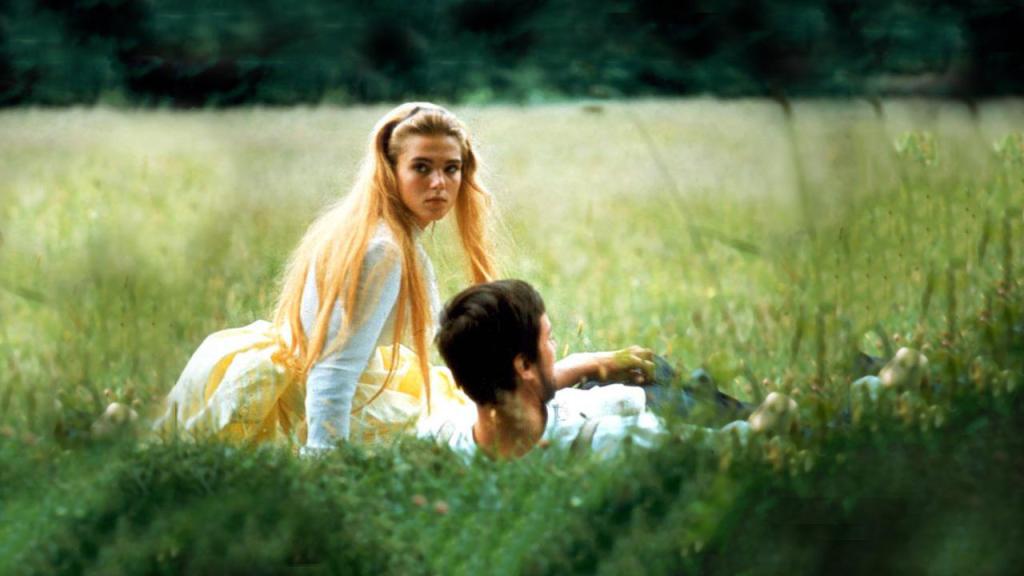
Try Widerberg | If you enjoy the socially conscious films of Jean-Luc Godard, Gillo Pontecorvo and Ken Loach.
Bo Widerberg was a Swedish director known for his socially conscious films that often critiqued the Swedish welfare state. His most notable works include Elvira Madigan, Adalen 31, and Joe Hill. Widerberg’s films often explore themes of social inequality and the struggle for justice.
Widerberg’s films are characterised by their social realism, strong performances, and emotional depth. His ability to create complex, socially relevant narratives sets his films apart. Widerberg’s style is marked by its political engagement and ability to provoke thought and discussion.
Widerberg’s influence on cinema is marked by his ability to create films that challenge social norms and provoke discussion. His films have been recognised for their social relevance and contribution to the tradition of social realism in cinema.
| Widerberg’s Filmography Graded (Grading System Reference) | ||
| Pram | 1963 | C |
| Raven’s End | 1963 | HR |
| Love 65 | 1965 | S |
| Heja Roland! | 1966 | S |
| Elvira Madigan | 1967 | R |
| The White Game | 1968 | S |
| Adalen 31 | 1969 | HR |
| Joe Hill | 1971 | HR |
| Fimpen | 1974 | S |
| Man on the Roof | 1976 | HR |
| Victoria | 1979 | S |
| The Man from Majorca | 1984 | R |
| The Serpent’s Way | 1986 | C |
| All Things Fair | 1995 | R |
Mauritz Stiller
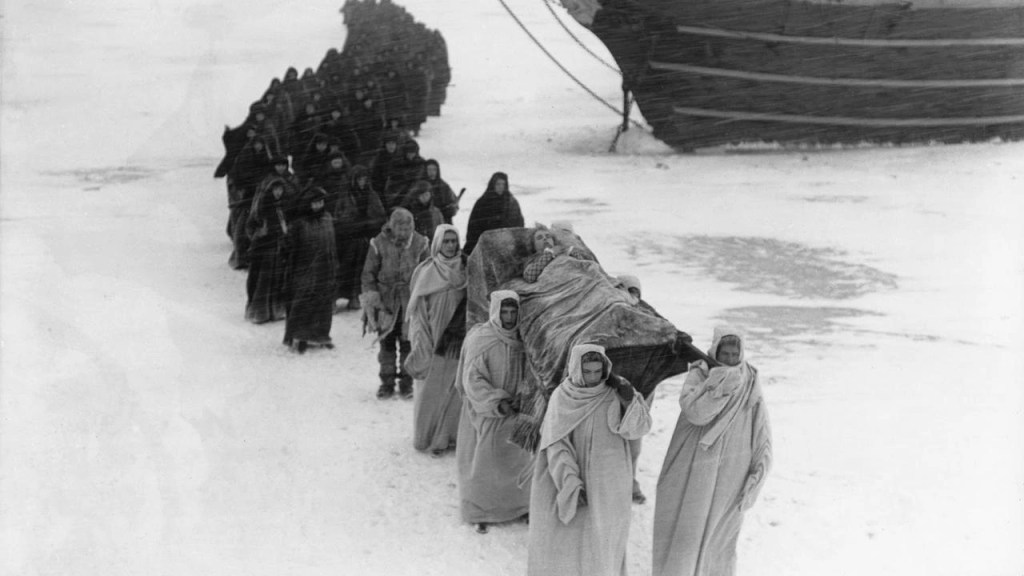
Try Stiller | If you appreciate the early silent films of Fritz Lang, Carl Theodor Dreyer, and Robert Wiene.
Mauritz Stiller, a contemporary of Victor Sjostrom, was a key figure in the golden age of Swedish silent cinema. Known for films like Sir Arne’s Treasure and The Saga of Gosta Berling, Stiller’s work often incorporated elements of Swedish folklore and history. Their visual beauty and narrative complexity mark his films.
Stiller’s films are characterised by rich visual storytelling and innovative landscape use. His ability to create atmospheric, visually stunning films set him apart during the silent era. Stiller’s style is marked by its poetic imagery and ability to evoke emotion through visual composition.
Stiller’s influence on cinema extends beyond his filmography. He is perhaps best known for discovering Greta Garbo and guiding her early career. His films have been recognised for their contribution to the development of cinematic language during the silent era.
| Stiller’s Filmography Graded (Grading System Reference) | ||
| Brother Against Brother | 1913 | S |
| The WIngs | 1916 | S |
| Thomas Graals basta film | 1917 | S |
| Thomas Graals basta barn | 1918 | S |
| Song of the Scarlet Flower | 1919 | R |
| Sir Arne’s Treasure | 1919 | R |
| Erotikon | 1920 | S |
| Johan | 1921 | R |
| Gunnar Hedes saga | 1923 | R |
| The Saga of Gosta Berling | 1924 | R |
| Hotel Imperial | 1927 | R |
 Bronze Screen Dream