Introduction
Documentaries have long been regarded as a powerful tool to illuminate the truth, educate the public, and inspire action. The unique strength of the documentary genre lies in its ability to present real-life situations and issues, making them accessible to a broad audience.
However, controversies can arise when these real-life situations touch upon sensitive subjects or challenge entrenched beliefs. The films discussed in this article are prime examples of documentaries that have stirred debate, elicited strong reactions, and in some cases, altered the course of history.
Documentaries have become controversial for various reasons. Some are accused of bias or distortion, presenting a one-sided view of events. Others may be seen as invading privacy or revealing too much about sensitive subjects.
Then there are those that challenge the status quo, bringing to light uncomfortable truths that some would rather remain hidden. Regardless of the reasons, these 10 controversial documentaries invite us to question our assumptions and broaden our perspectives.
Nanook of the North (1922)
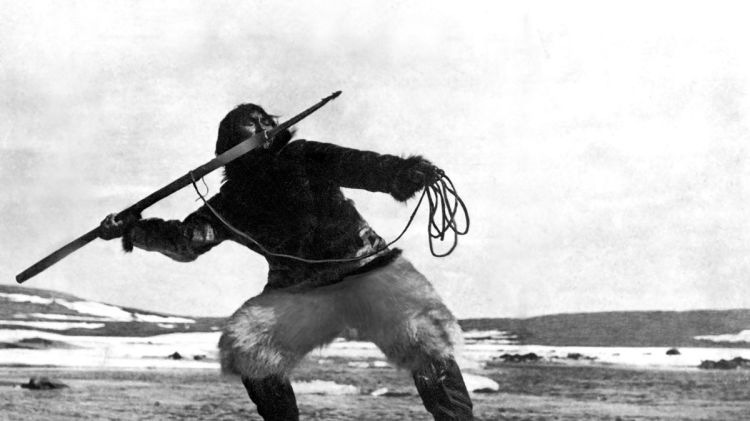
Robert J. Flaherty‘s Nanook of the North is often credited as the first full-length documentary. The film portrays the life of Nanook, an Inuit man, and his family as they navigate the harsh conditions of the Canadian Arctic. The film is a masterful depiction of human resilience and the unforgiving power of nature.
However, Nanook of the North has been criticised for staging several scenes and perpetuating romanticised stereotypes about Inuit culture. It was revealed that “Nanook” was not the subject’s real name, and the family shown was not his real family. Furthermore, some of the “traditional” Inuit hunting methods shown were outdated even at the time of filming.
Despite the controversy, Nanook of the North is still considered a milestone in the history of documentary filmmaking. The film’s success helped shape the documentary genre and paved the way for the career of Flaherty, now regarded as one of the pioneers of documentary filmmaking. The film’s controversy sparked debates about authenticity and ethics in documentaries, which remain relevant today.
Les Maitres Fous (1955)
Les Maitres Fous is an ethnographic documentary directed by Jean Rouch, a pioneer of cinema verite in France. The film follows a religious sect called the Hauka in Ghana, who perform rituals involving possession by the spirits of colonial administrators. The film is known for its raw and immersive depiction of the Hauka rituals, with Rouch participating in them.
The film was controversial due to its depiction of the Hauka rituals, which were seen as degrading and exoticising. It was banned in British colonies for its perceived criticism of colonial rule, and many African viewers felt it portrayed them in a derogatory light.
Despite the initial backlash, Les Maitres Fous is now considered a significant work in ethnographic cinema. The film’s controversy sparked a discussion on the representation of indigenous cultures in media and the role of the filmmaker in such depictions. The controversy did not significantly impact Rouch’s career. He continued to make films and is remembered as a significant figure in ethnographic filmmaking and the cinema verite movement.
Night and Fog (1955)
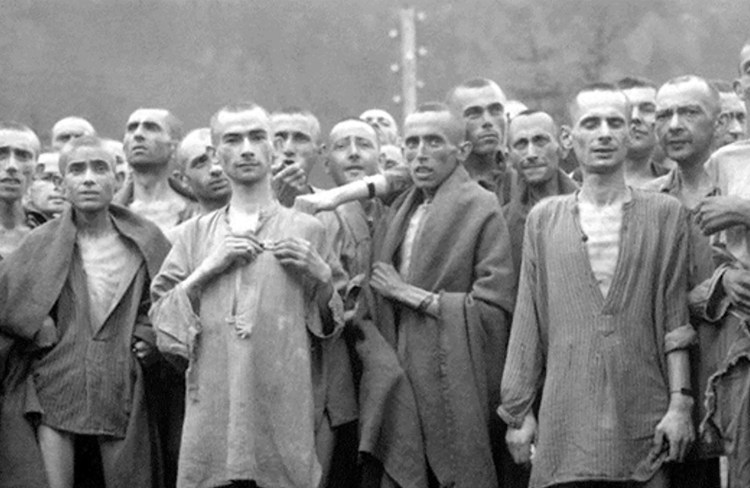
Night and Fog is a French documentary directed by Alain Resnais. The film contrasts the peaceful life in Auschwitz and Majdanek concentration camps in the present (the 1950s) with the horrific conditions during the Holocaust. Resnais uses disturbing archival footage interspersed with colour shots of the abandoned grounds to create a haunting depiction of the atrocities committed.
The film was controversial for its explicit images of the Holocaust’s atrocities, which were unprecedented at the time. Several countries, including Germany, were initially reluctant to screen the film, and it faced censorship issues due to its graphic content. The film also criticised the concept of collective memory and the world’s complacency towards such horrific events.
Despite the initial controversy, Night and Fog is recognised as a seminal work in Holocaust cinema. It has had a significant impact on subsequent Holocaust documentaries and has influenced many filmmakers. As for Resnais, he went on to have a prolific career, directing several critically acclaimed films.
Africa Addio (1966)
Africa Addio is a controversial Italian documentary directed by Gualtiero Jacopetti and Franco Prosperi. The film presents a graphic portrayal of the violence and chaos that followed the end of colonial rule in various African nations.
The film generated controversy due to its graphic violence, perceived racial biases, and questionable journalistic ethics. Critics accused the filmmakers of capitalising on the suffering of Africans and promoting a Eurocentric viewpoint that depicted Africans as savages.
Africa Addio significantly impacted the documentary genre. It sparked debate about the ethical responsibilities of documentarians and the representation of post-colonial societies in media. The film’s controversy overshadowed the careers of Jacopetti and Prosperi, who continued to face criticism for their sensationalist style and controversial subject matter.

Titticut Follies (1967)
Titticut Follies is a chilling documentary by Frederick Wiseman that dives deep into the conditions of the Bridgewater State Hospital for the criminally insane in Massachusetts, USA. The film provides an unfiltered look into the patients’ lives, their interactions with the staff, and the stark realities of the mental health care system in the 1960s.
The film stirred controversy due to its raw depiction of patient abuse and neglect, which many viewers found disturbing and shocking. It was also criticised for violating the patients’ privacy, leading to its ban by the Massachusetts Supreme Judicial Court. The ban was only lifted in 1991, making it the first film in U.S. history to be banned for reasons other than obscenity or national security.
Despite the controversy, Titticut Follies is widely recognised as a groundbreaking work in documentary film. The controversy it generated led to significant changes in the laws around patient privacy and the treatment of the mentally ill. As for Wiseman, he went on to have a long and fruitful career, producing numerous documentaries that continued to push boundaries and challenge societal norms.
Royal Family (1969)
Royal Family is a British documentary that offers a unique glimpse into the personal life of Queen Elizabeth II and her family. Directed by Richard Cawston, the film was initially broadcast on BBC and ITV, drawing an audience of millions.
The documentary was controversial due to its portrayal of the royal family in their private moments, which was seen as a breach of the traditional privacy and decorum associated with the British monarchy. The film was also criticised for attempting to “humanise” the royal family and diminish the mystique surrounding them.
Despite the controversy, Royal Family has had a lasting impact on how the British monarchy is perceived. It marked a turning point in the representation of the royal family in the media, ushering in an era of increased public scrutiny and media attention. The film’s controversy also sparked a debate about the monarchy’s role in modern Britain and the balance between their public duties and private lives.
Greece: The Hidden War (1986)
Greece: The Hidden War is a British BBC documentary directed by Jill Craigie. The film focuses on the Greek Civil War from 1946 to 1949, following World War II’s end. The documentary includes interviews with key figures and survivors, comprehensively analysing the events that led to the civil war and its aftermath.
The film was highly controversial due to its coverage of sensitive political topics, such as the involvement of the British government in Greece’s political affairs during and after WWII. As a result, the documentary was shown just once and then banned, indicating the degree of sensitivity and controversy associated with the subject matter.

Brother’s Keeper (1992)
Brother’s Keeper is an American documentary directed by Joe Berlinger and Bruce Sinofsky. The film chronicles the trial of Delbert Ward, a farmer in rural New York accused of murdering his brother. The film explores the complexities of the case and raises questions about the criminal justice system and rural poverty in America.
The film was controversial due to its sympathetic portrayal of Delbert Ward, who many believed was guilty of the crime. Critics also questioned the filmmakers’ decision to raise funds for Ward’s defence, which they argued compromised their objectivity.
Despite the controversy, Brother’s Keeper is widely recognised as a powerful piece of investigative journalism. It raised important questions about the criminal justice system and rural poverty, garnering significant attention on the film festival and art house circuit. Directors Joe Berlinger and Bruce Sinofsky went on to direct the highly influential Paradise Lost series, cementing their reputations as important voices in documentary filmmaking.
Fahrenheit 9/11 (2004)
Michael Moore’s Fahrenheit 9/11 is an incendiary critique of the George W. Bush administration’s handling of the 9/11 terrorist attacks. The film alleges connections between the Bush family and powerful Saudi interests and critiques the invasions of Afghanistan and Iraq.
The controversy surrounding Fahrenheit 9/11 was immense. Moore was accused of factual inaccuracies, manipulative editing, and propagandising. The film was labelled as polarising, and the conservative media denounced it. The Disney Company, which owned Miramax, the film’s initial distributor, refused to distribute the film, citing its political nature as the reason.
Today, despite its controversy, Fahrenheit 9/11 is seen as a high point in the genre of political documentaries. The film won the Palme d’Or at the Cannes Film Festival and remains the highest-grossing documentary ever. The controversy didn’t dampen Moore’s career but fueled his reputation as a provocative filmmaker. Moore’s later works like Sicko and Capitalism: A Love Story have also courted controversy, reinforcing his image as a polemic documentarian.
The Act of Killing (2012)
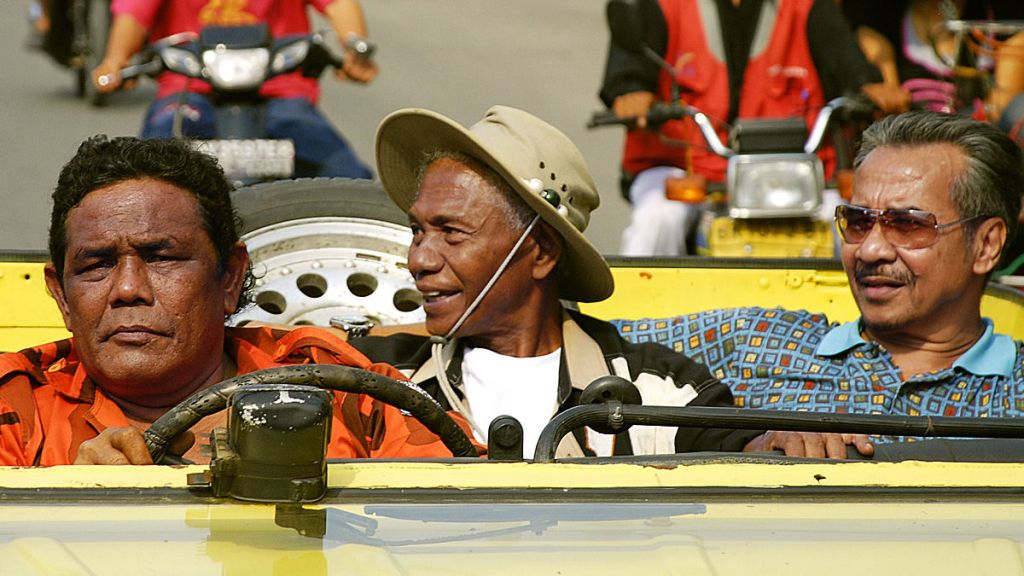
The Act of Killing is a haunting documentary by Joshua Oppenheimer. The film follows Anwar Congo, a former death squad leader, as he and others reenact their violent acts from the anti-communist purges in Indonesia that led to an estimated 1 million deaths1.
The film was controversial because of its unflinching depiction of mass murderers not only going unpunished but also being celebrated as heroes in their country. Some in Indonesia were fearful of the impact the film might have, inciting the younger generation to seek retribution or spark renewed violence2.
Today, The Act of Killing is seen as a groundbreaking film that has significantly impacted Indonesia’s perception of its past. The film took seven years to make and involved many local crew members. Its impact was so profound that younger Indonesians started to question the complicity of many people with the military dictatorship3. Following this, Oppenheimer directed a follow-up, The Look of Silence, further cementing his reputation as a daring and impactful filmmaker.
 Bronze Screen Dream