
After more than a year of dedicated research and careful consideration, I am thrilled to present my Top 250 Directors list. I embarked on this ambitious project to compile a comprehensive ranking of influential directors worldwide; I acknowledge that no list can ever be perfect or fully capture the ever-evolving landscape of cinema. I have endeavoured to create a selection that represents current views (including looking at popular rankings like IMDB and more art-house alternatives) on the most significant voices in film direction.
I recognise that there may be differing opinions and preferences, and I invite constructive feedback to improve and refine the list. In the spirit of staying current, I plan to update the list at the beginning of 2024 to incorporate notable directors and films from 2023. With this list, I aim to celebrate the artistry and impact of these directors and provide a resource for film enthusiasts to explore the diverse and remarkable world of cinema.
















































































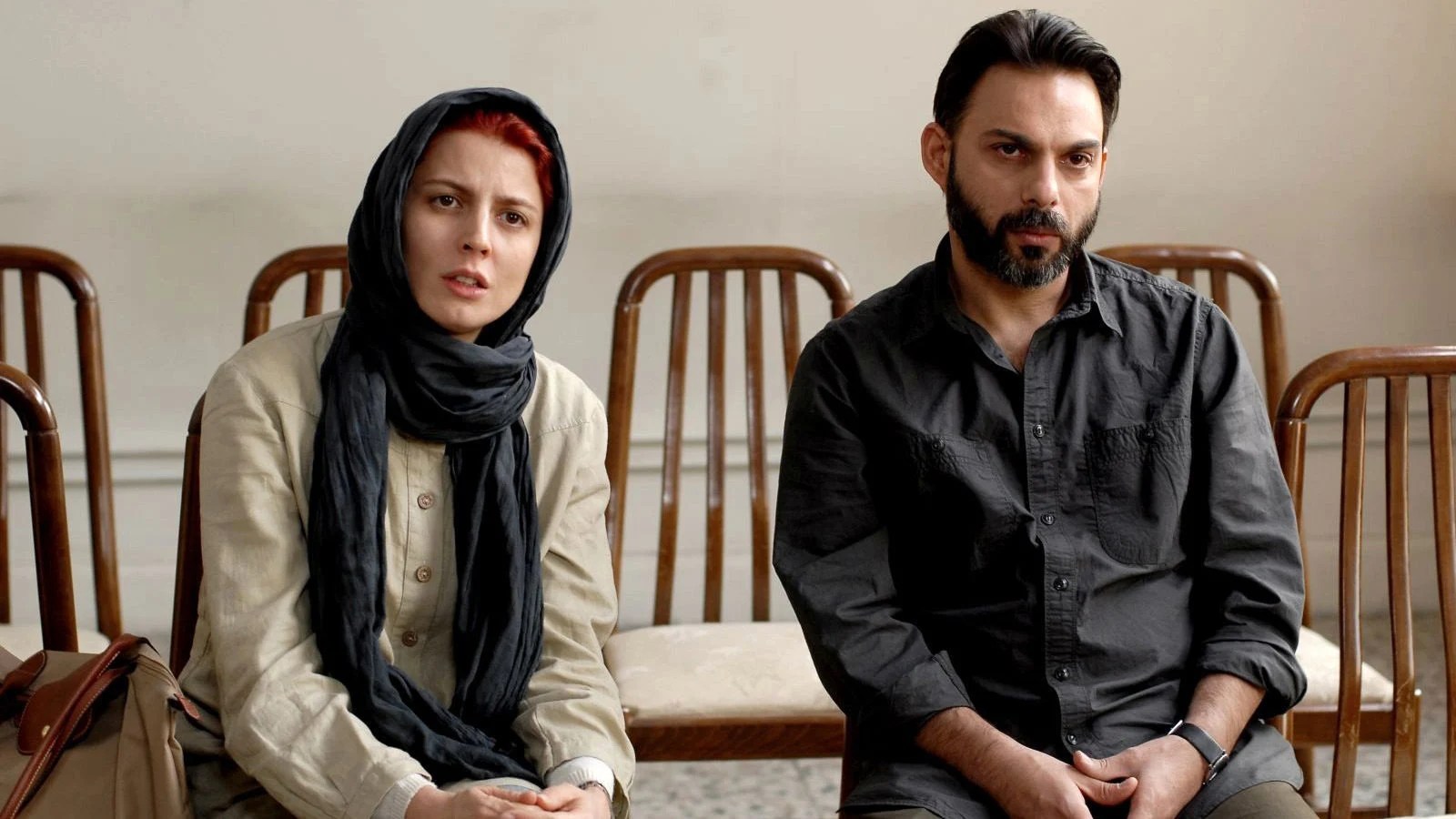





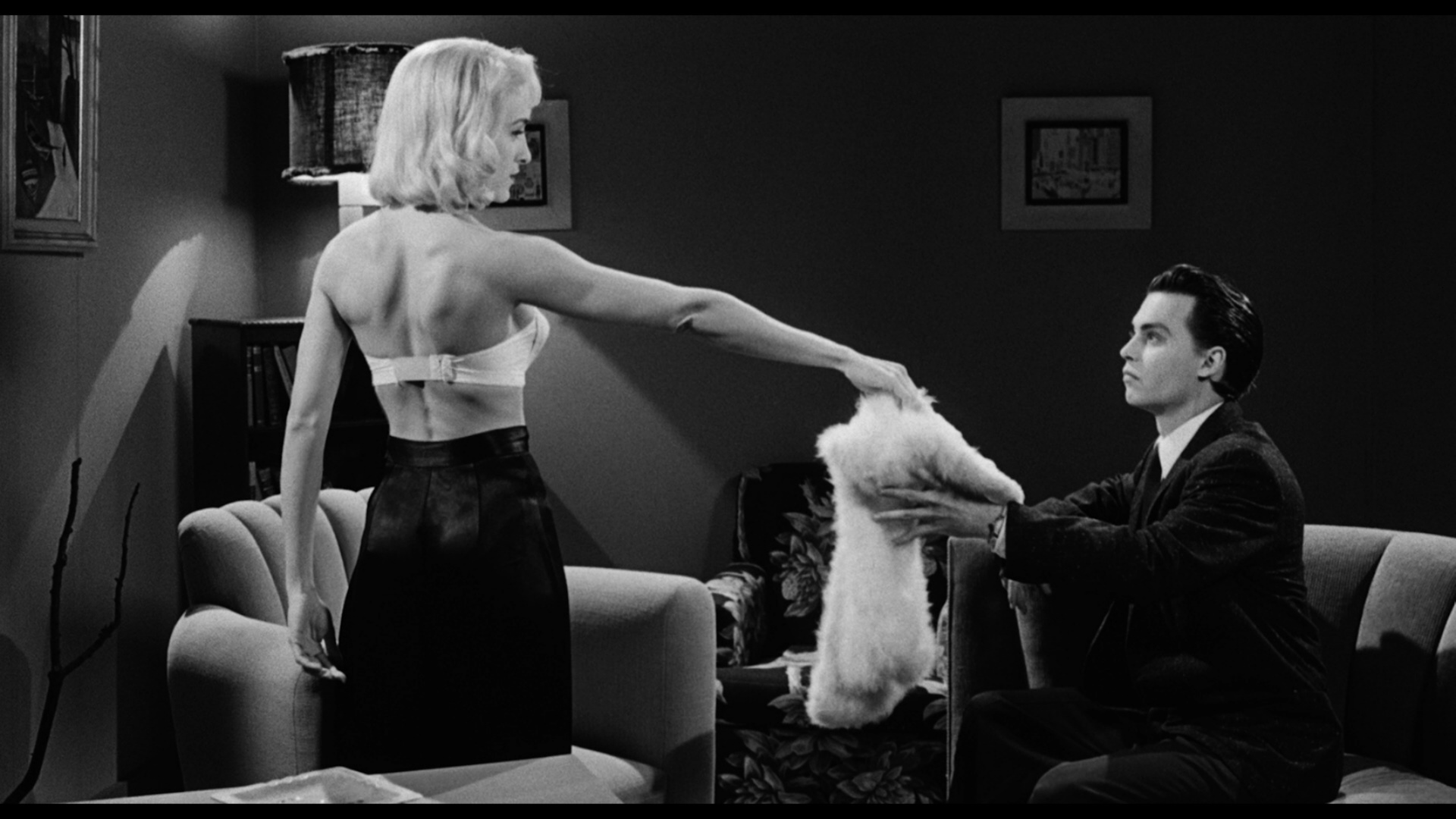

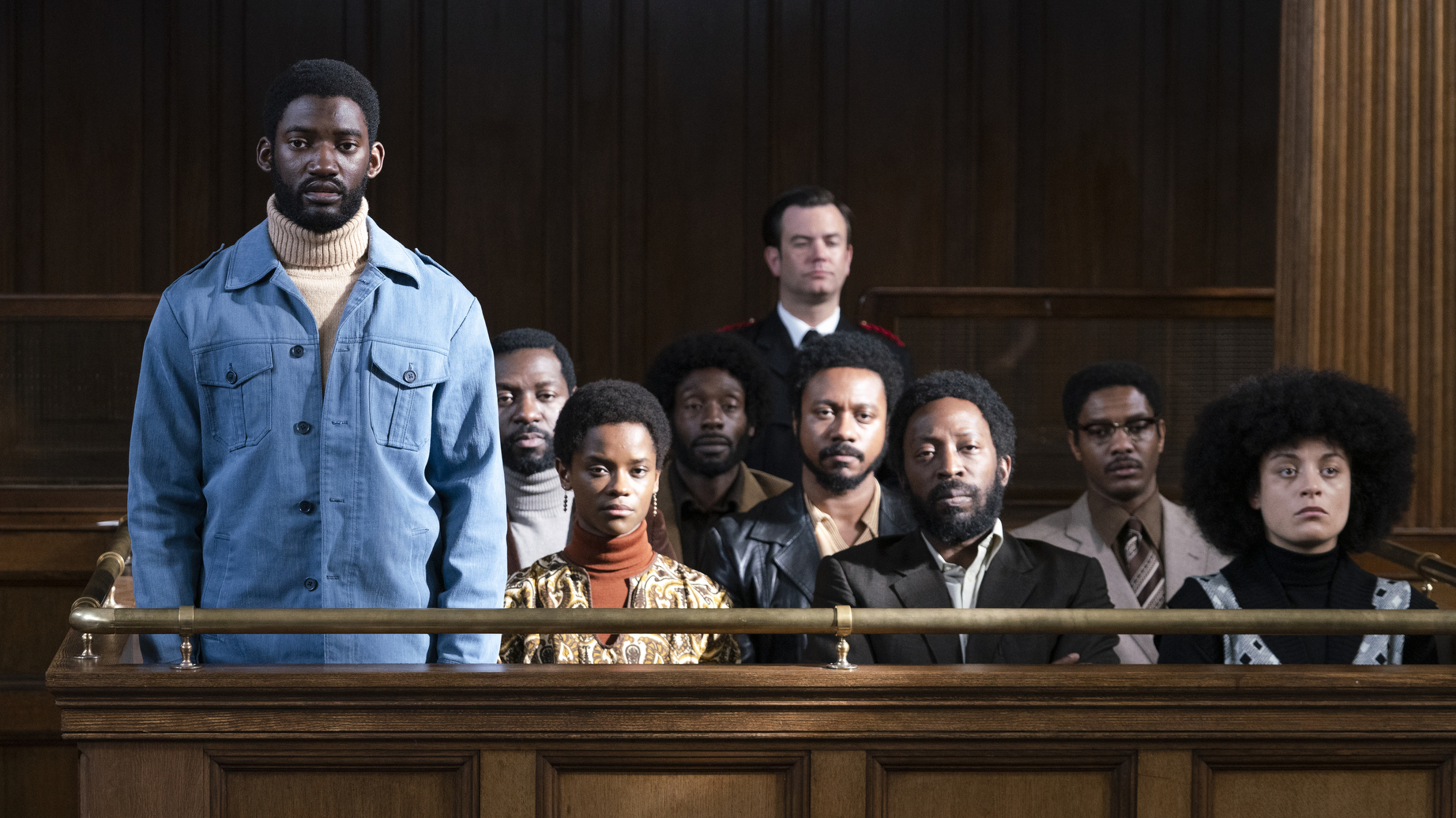



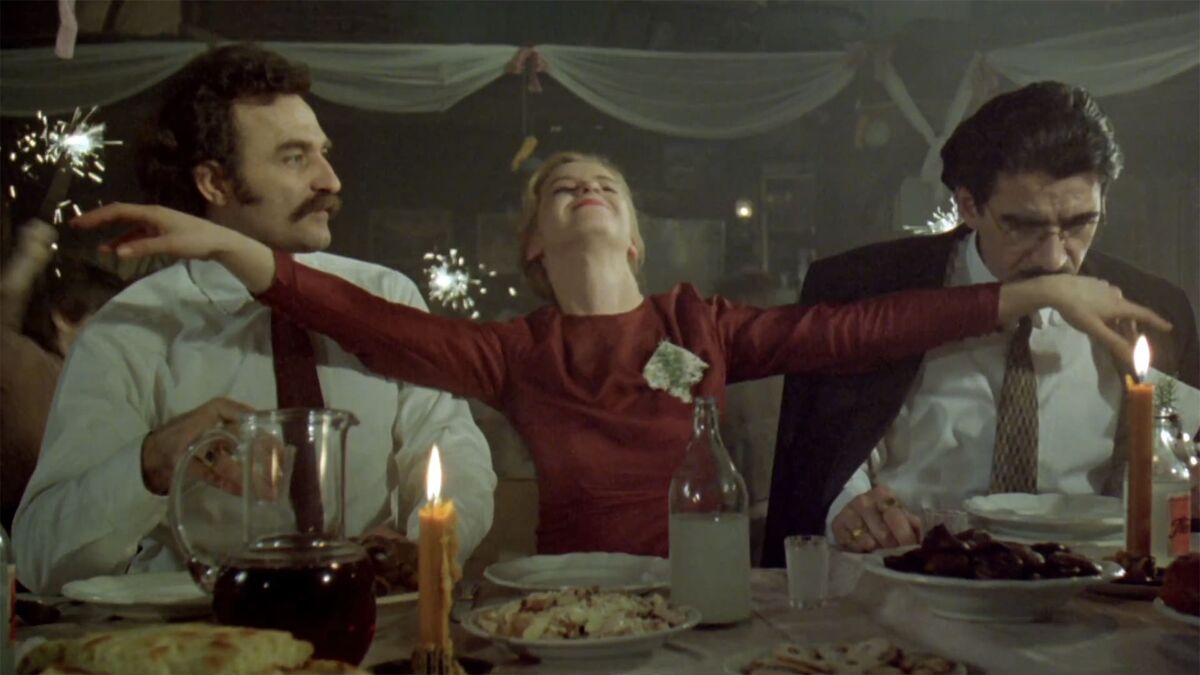


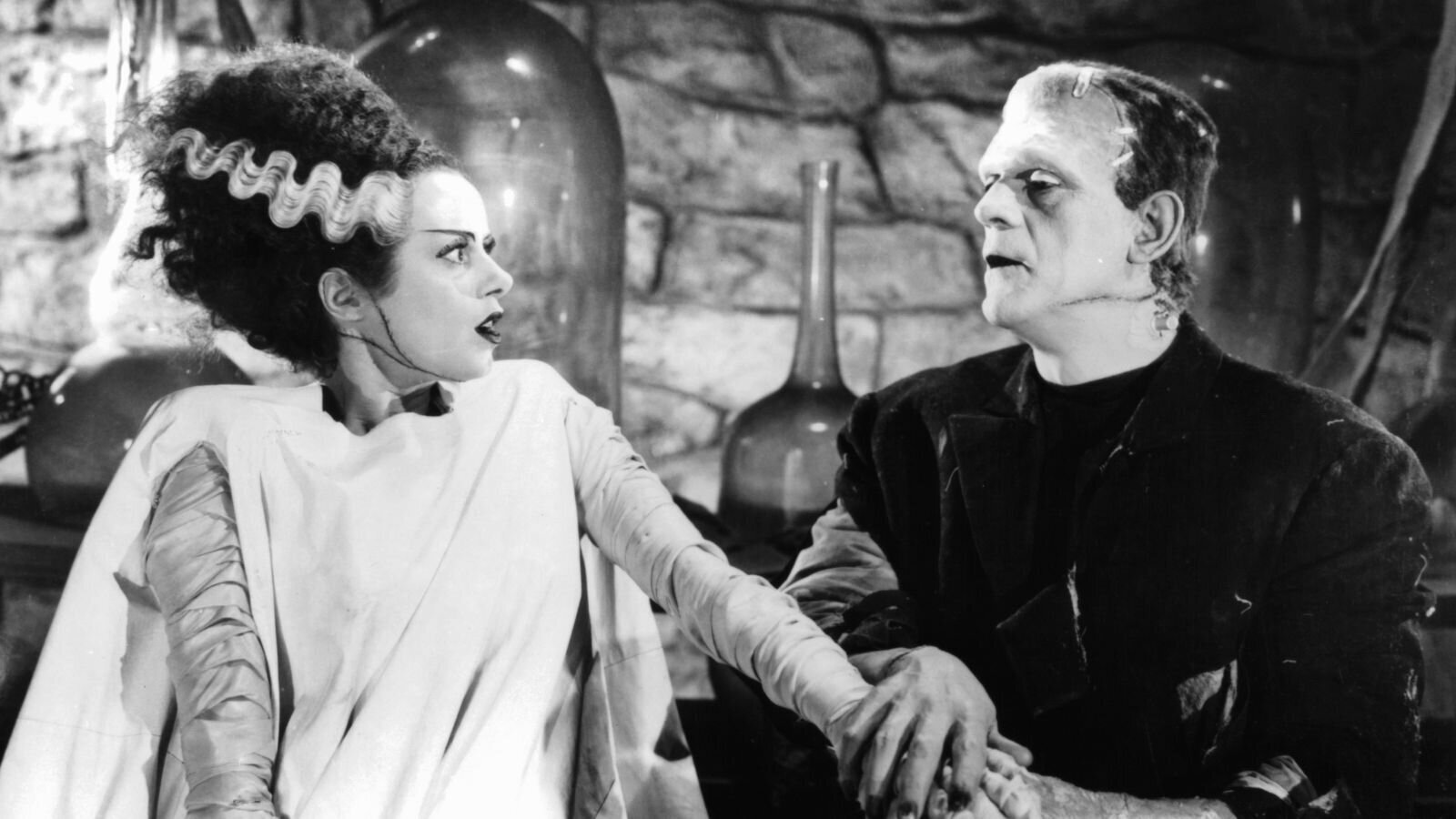


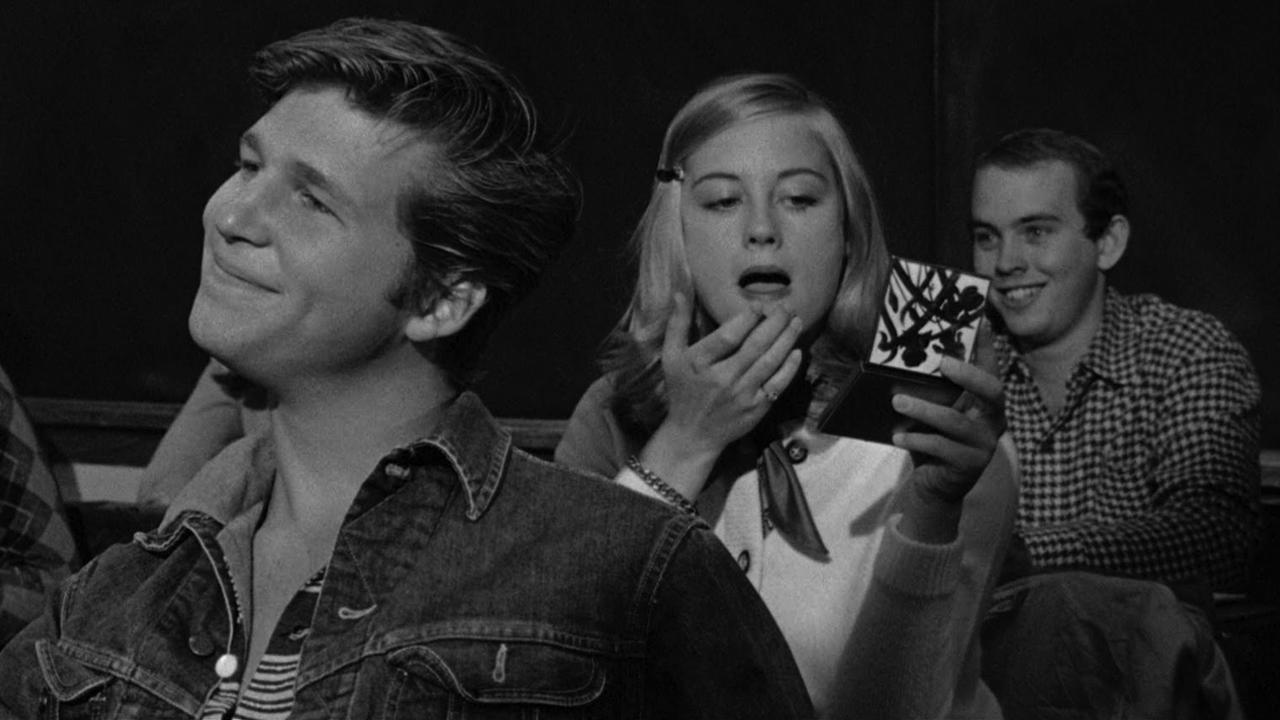





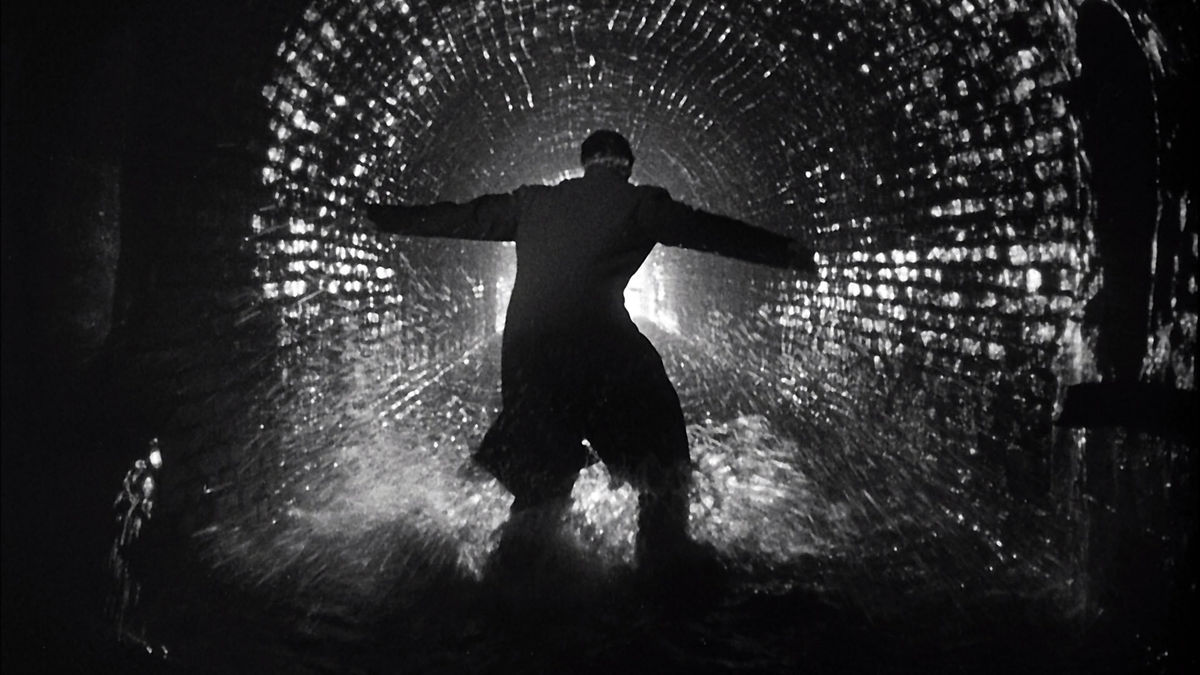






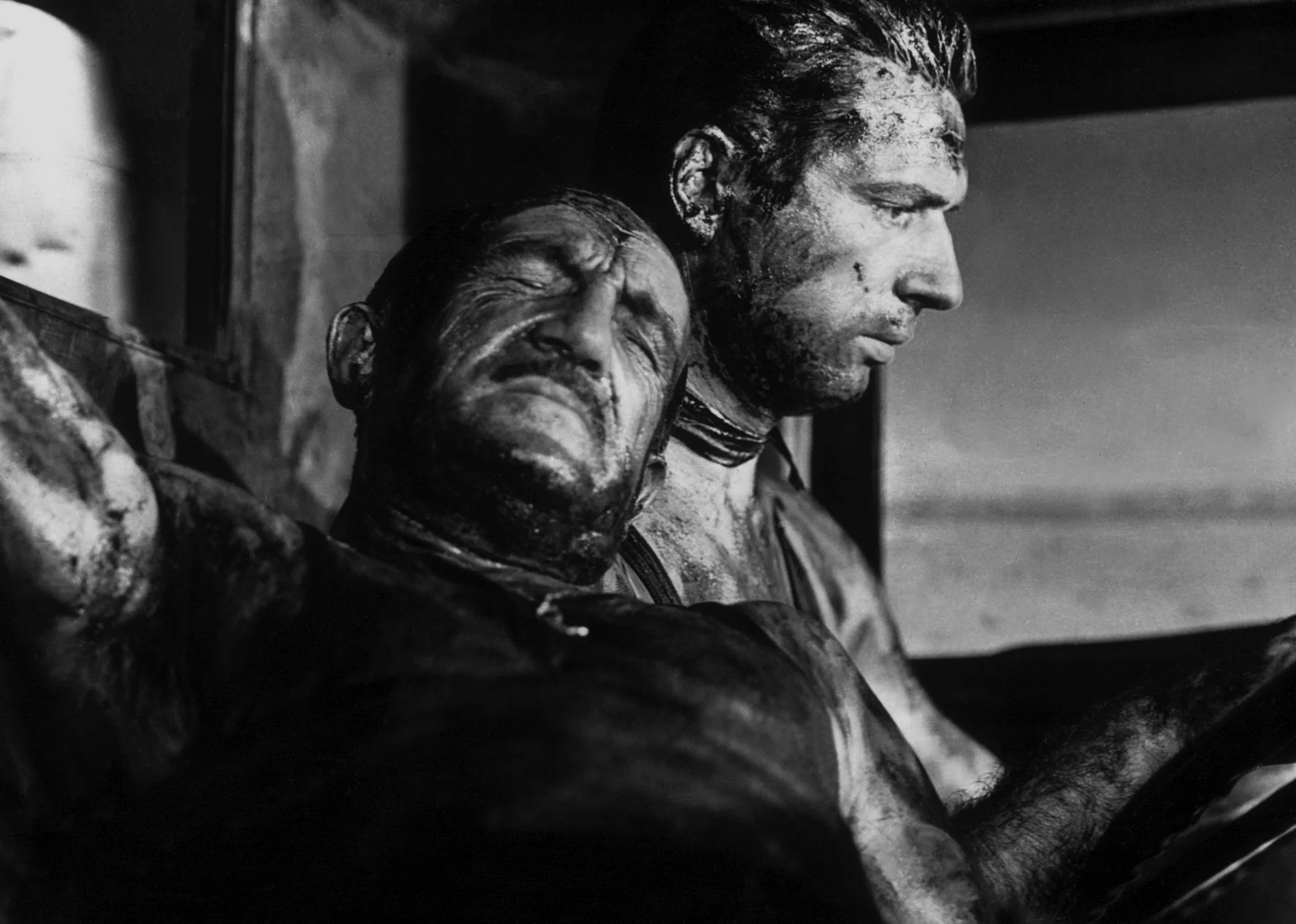













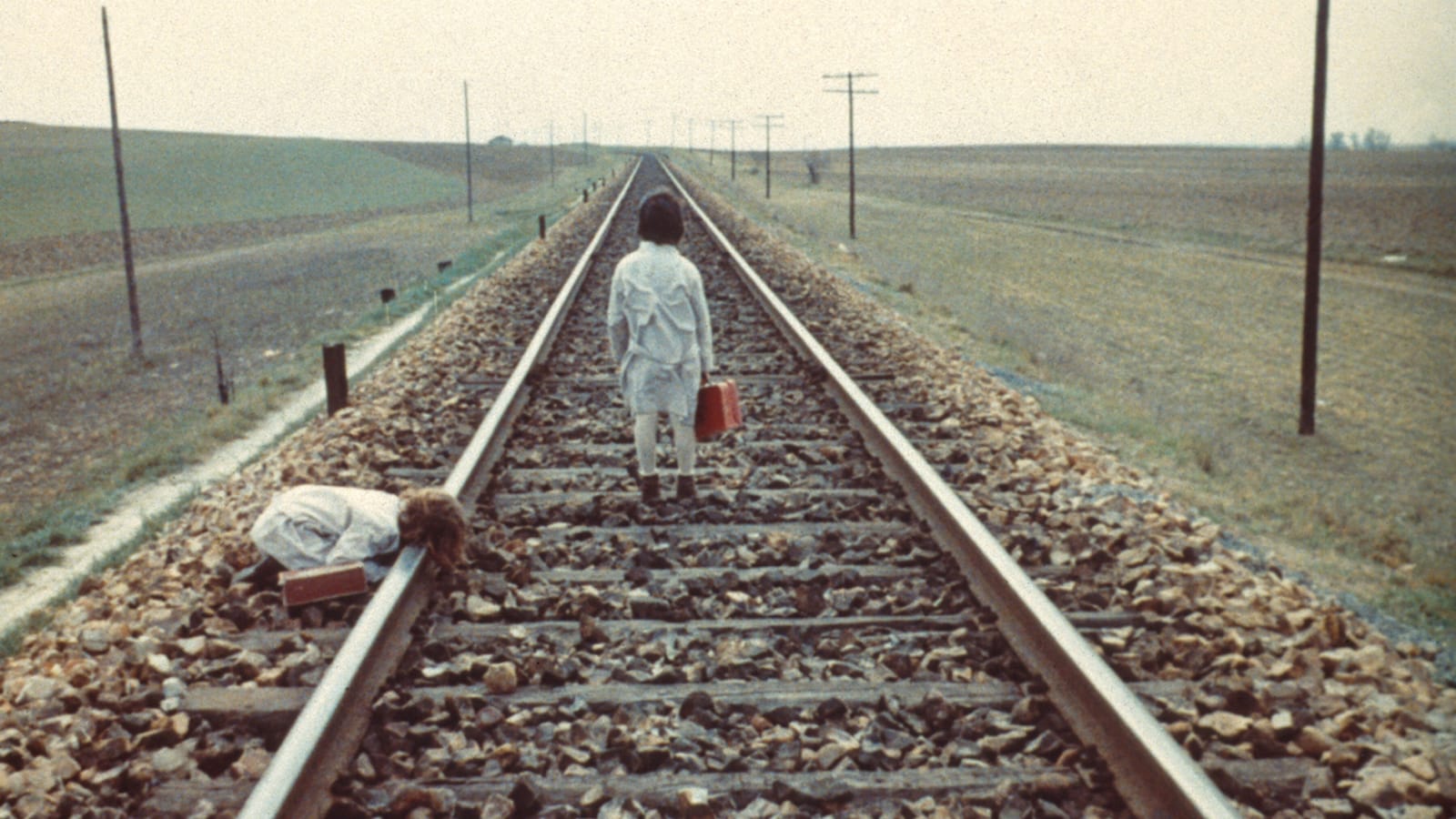



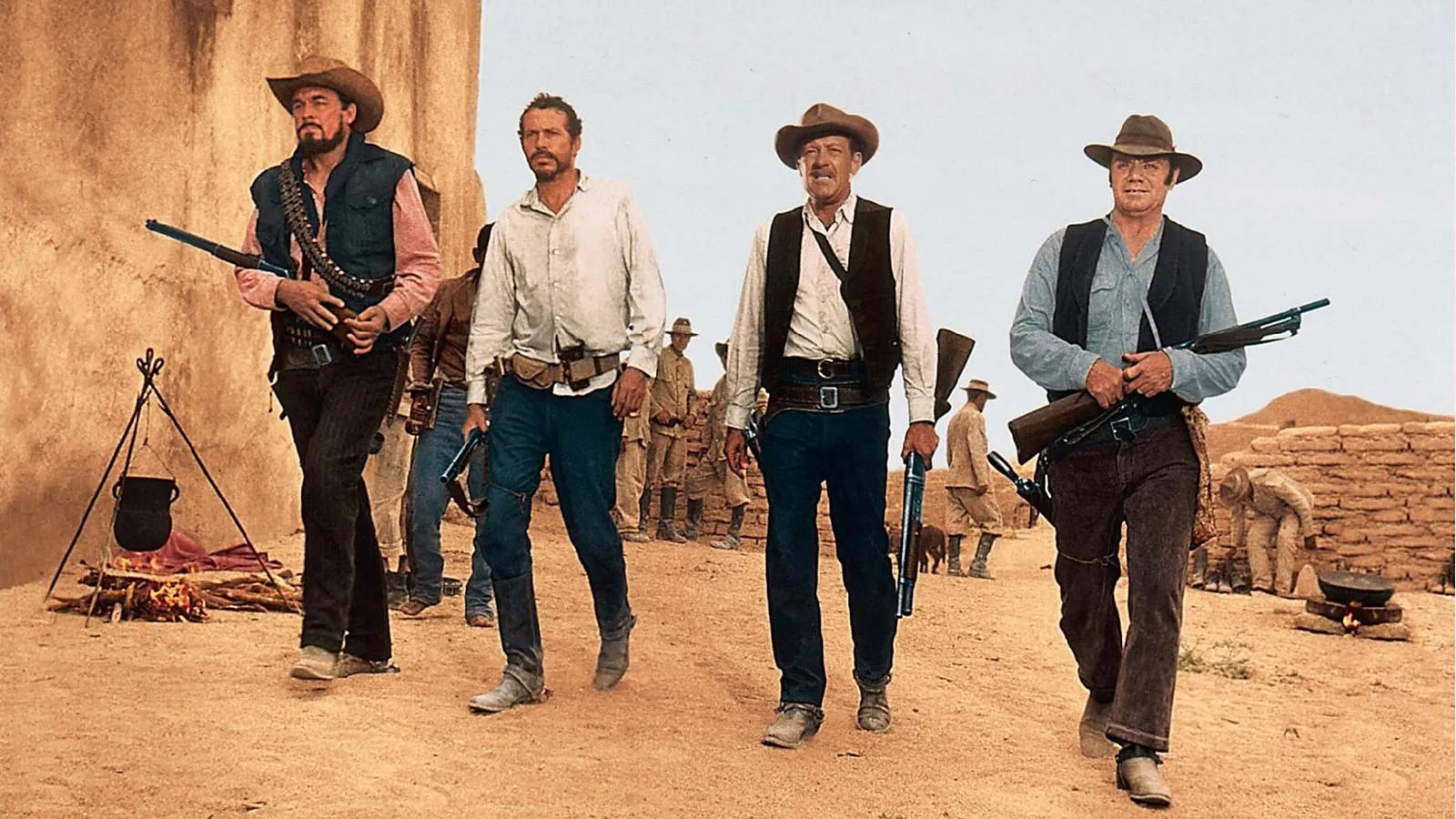


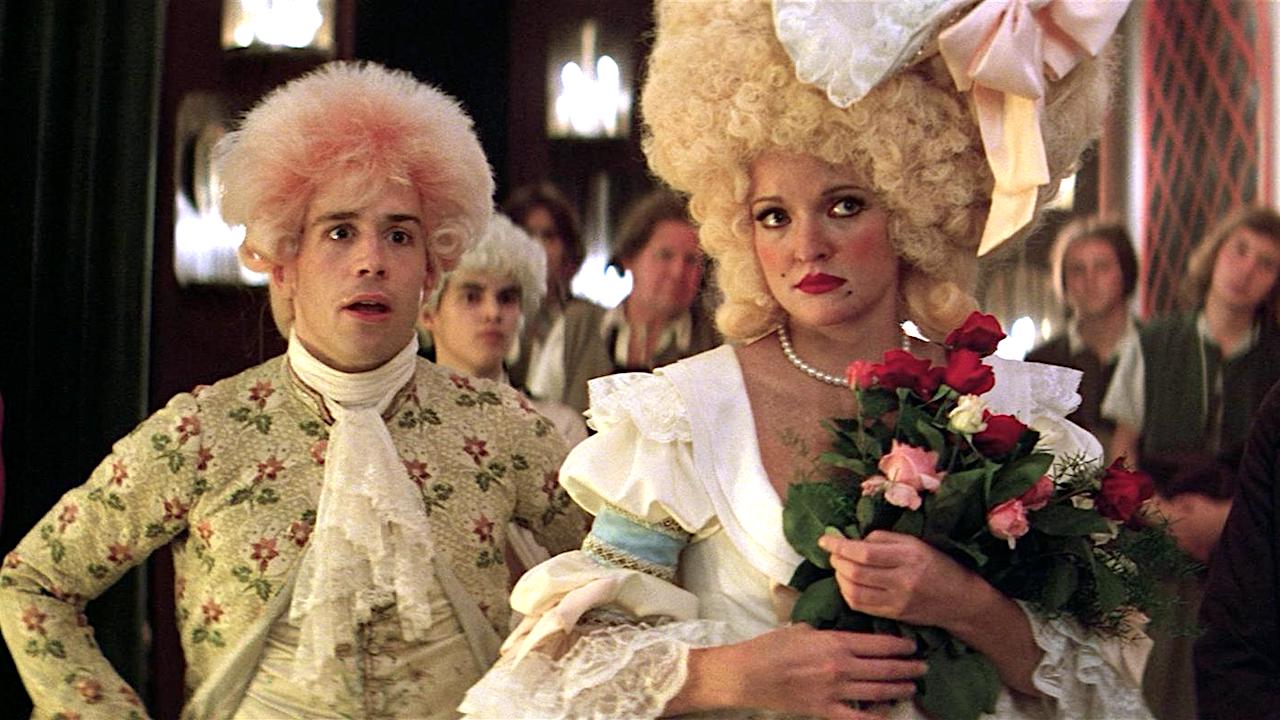


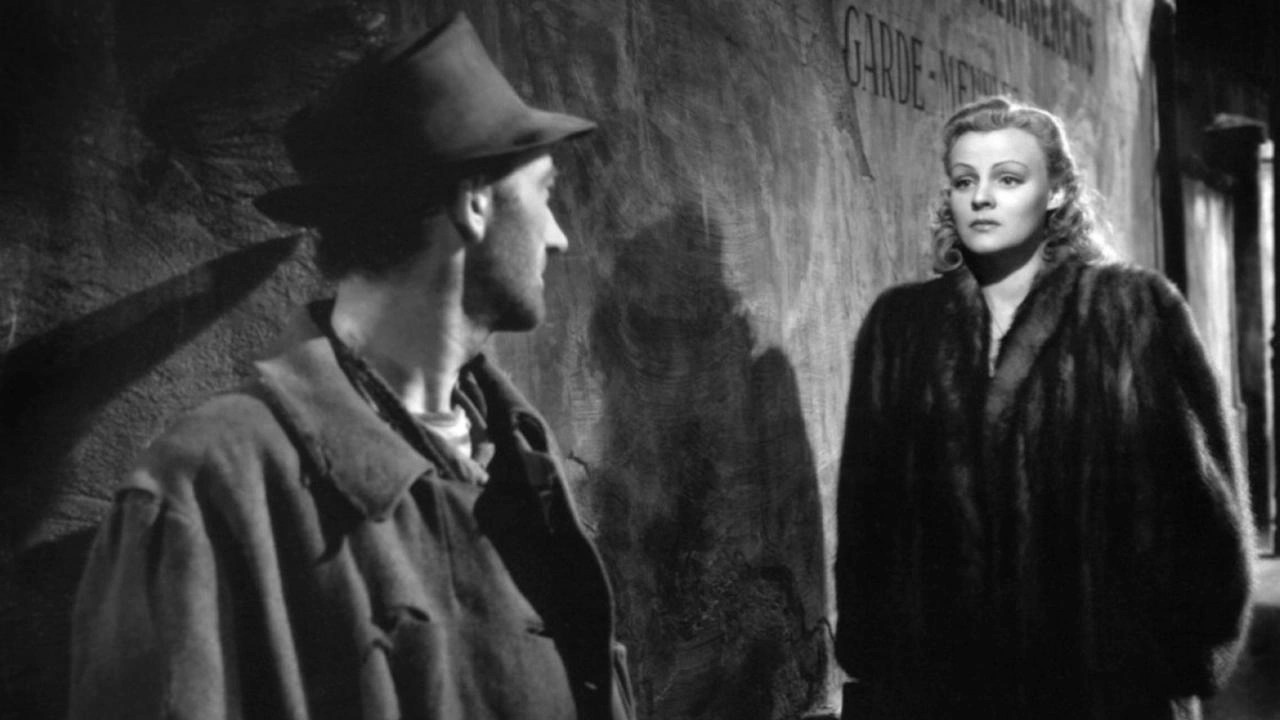











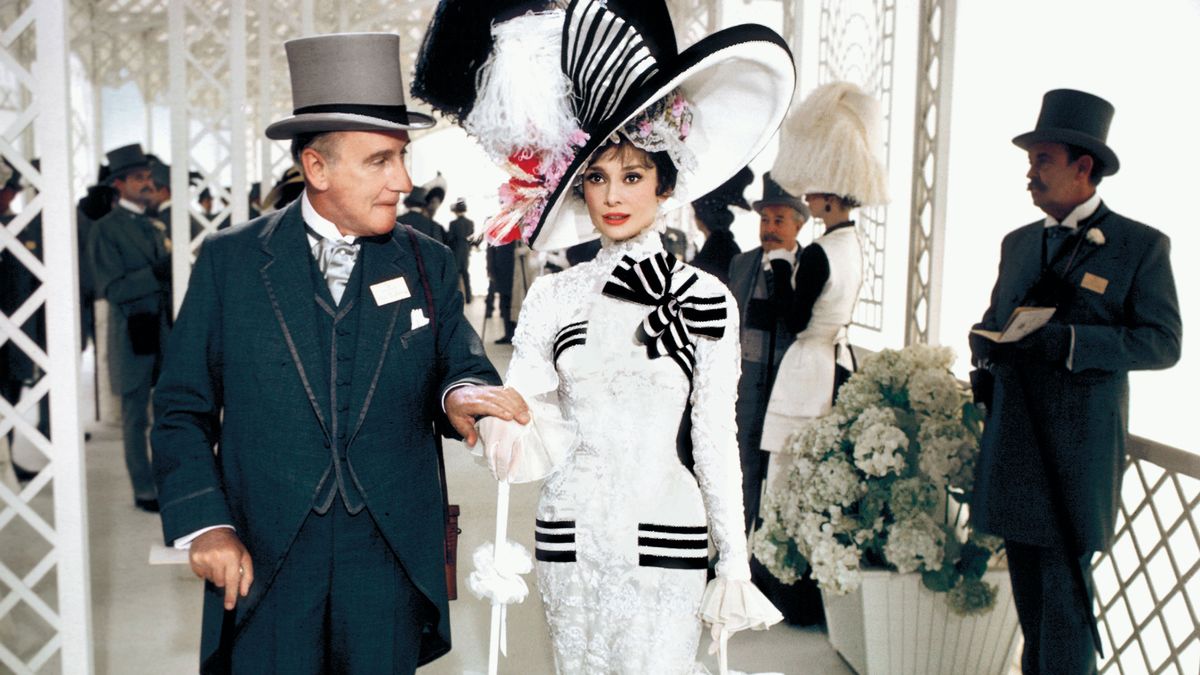
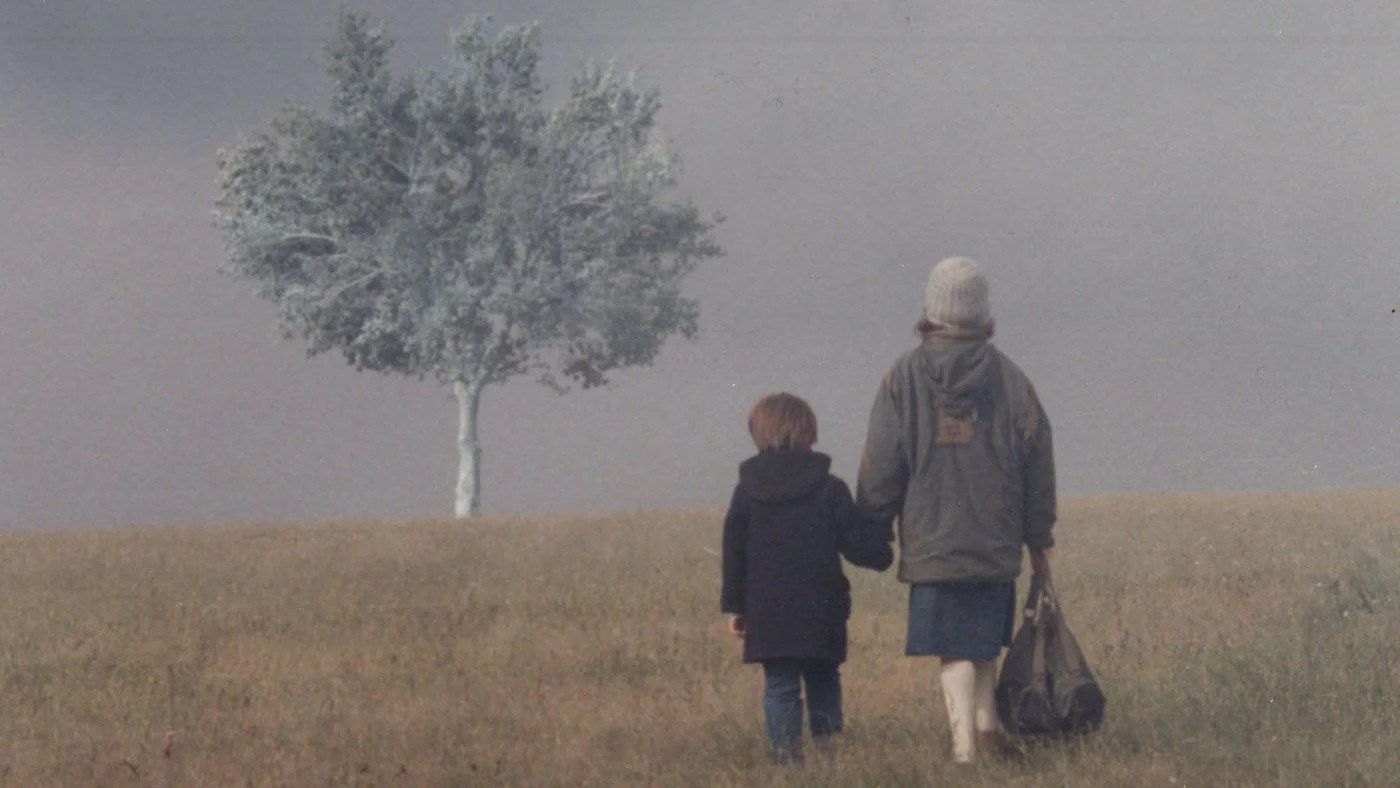
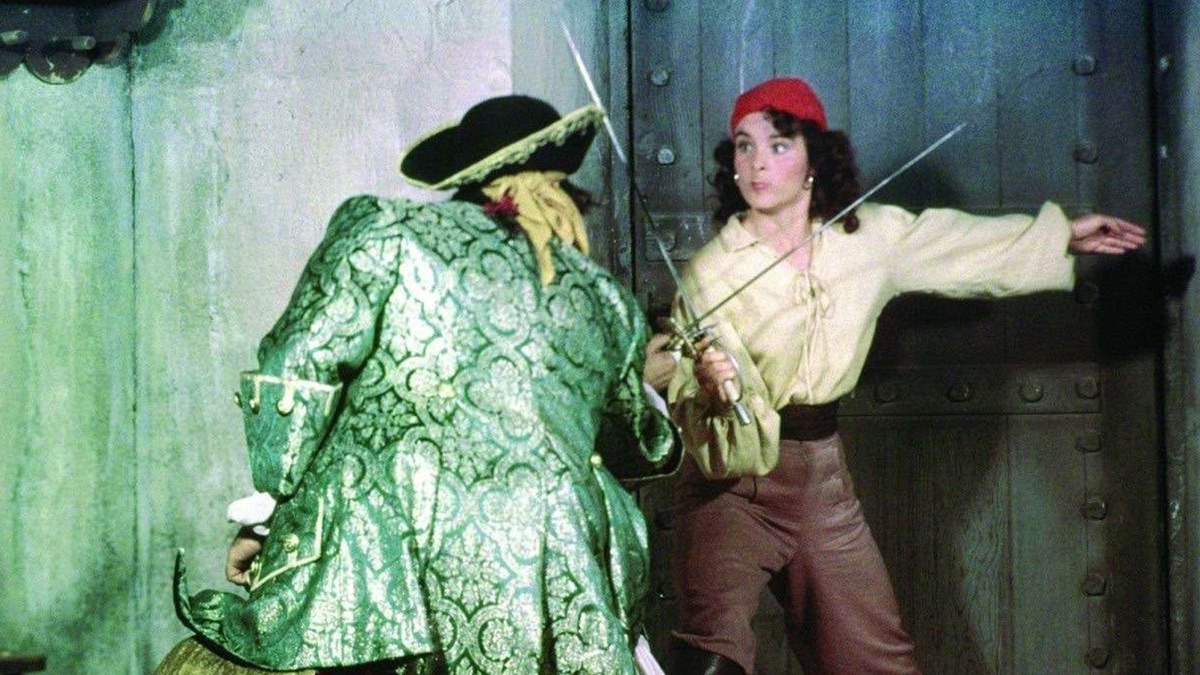
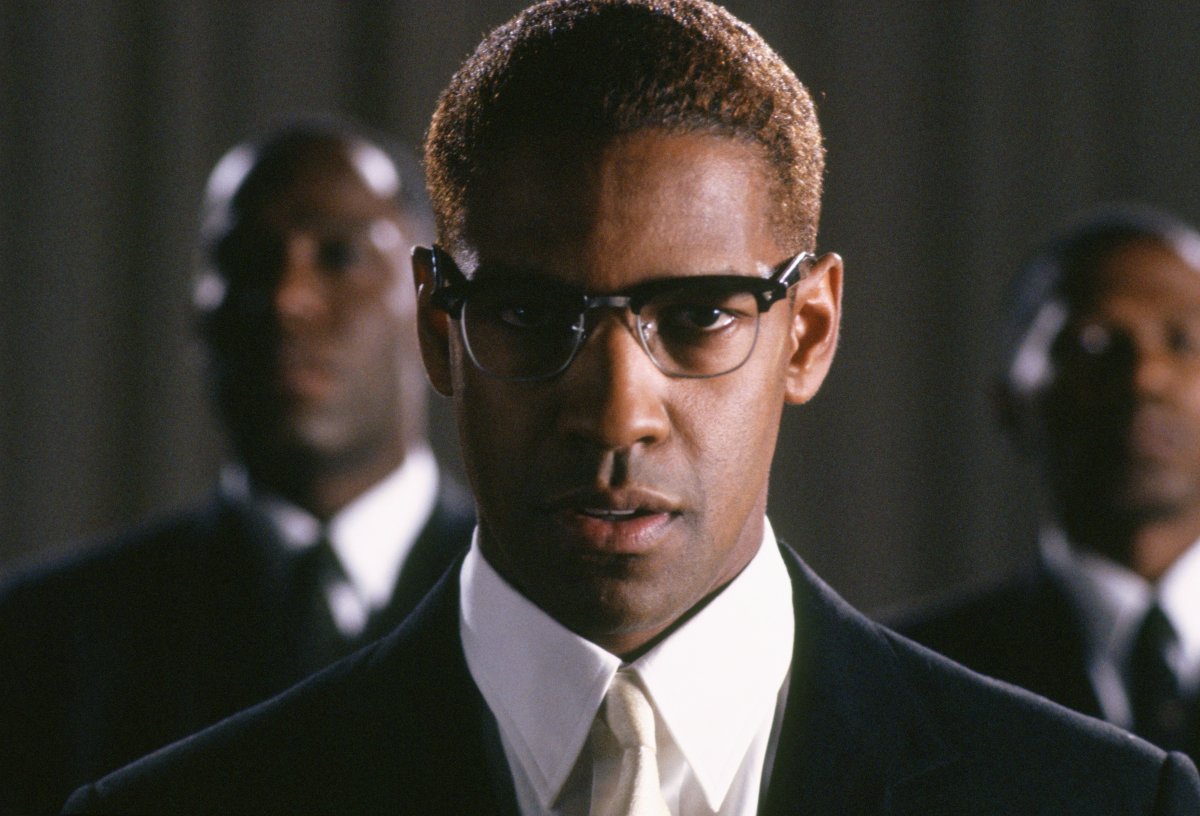
















53rd
William Wyler
















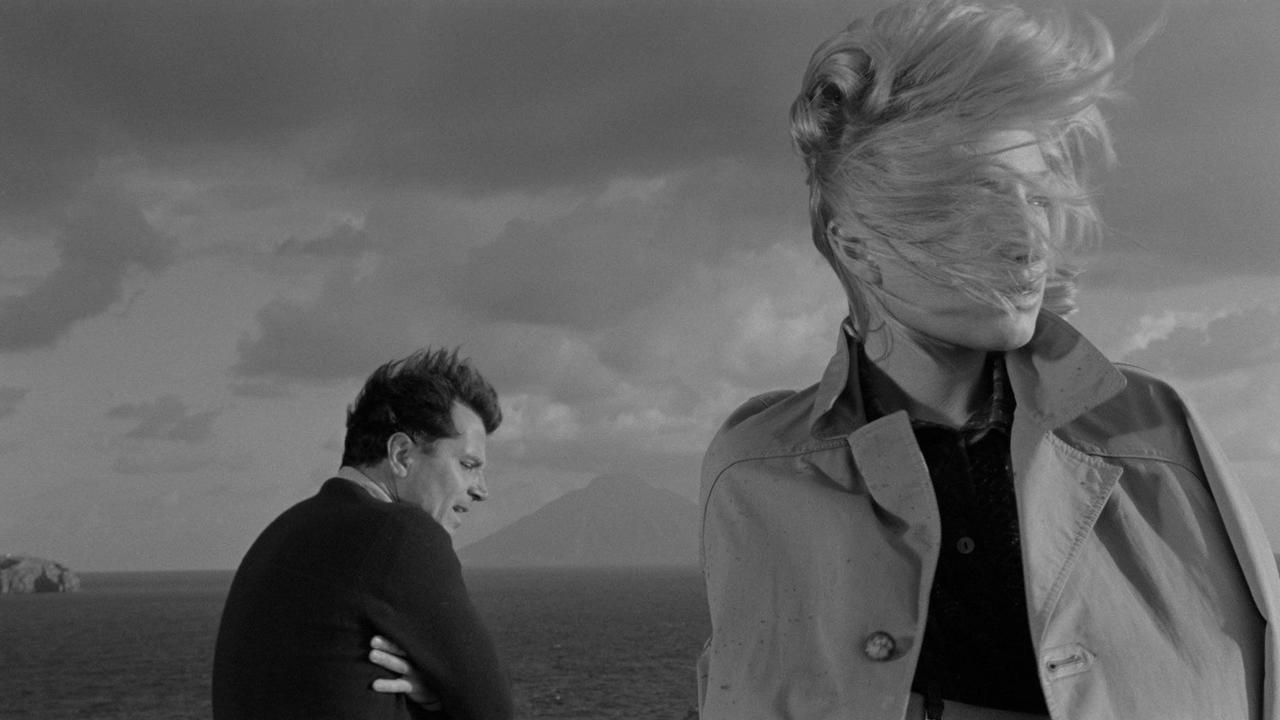

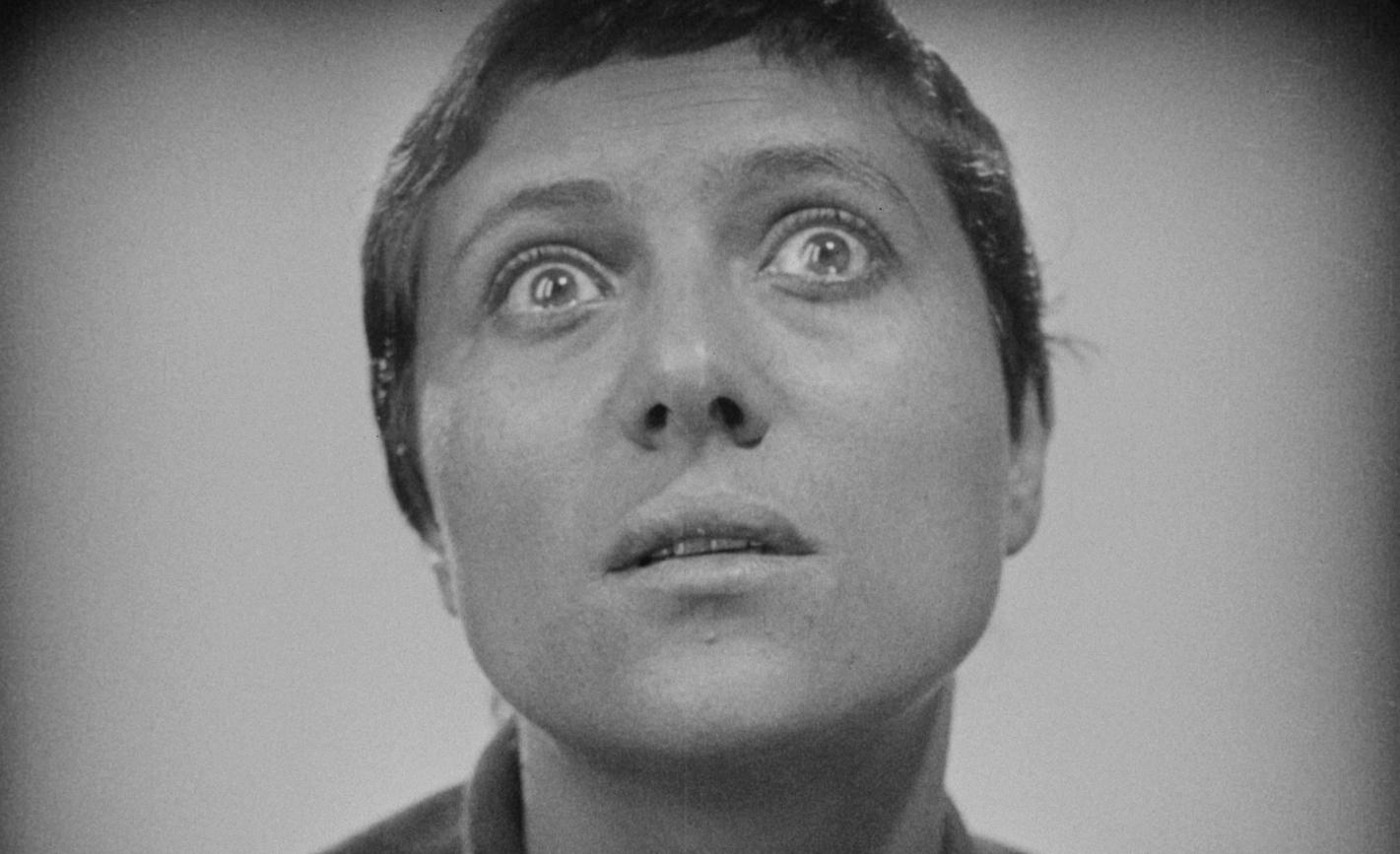

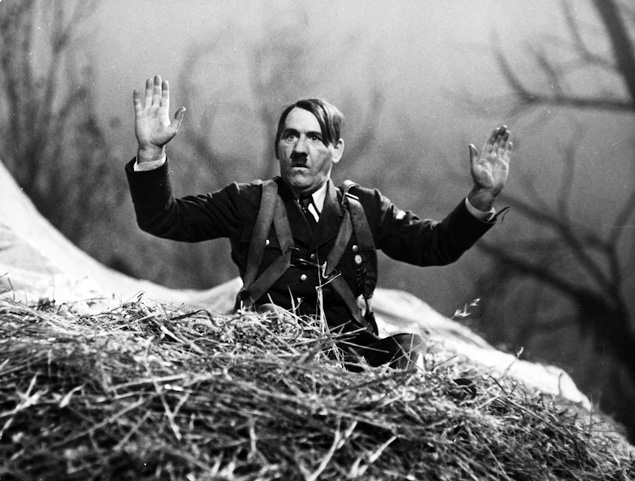






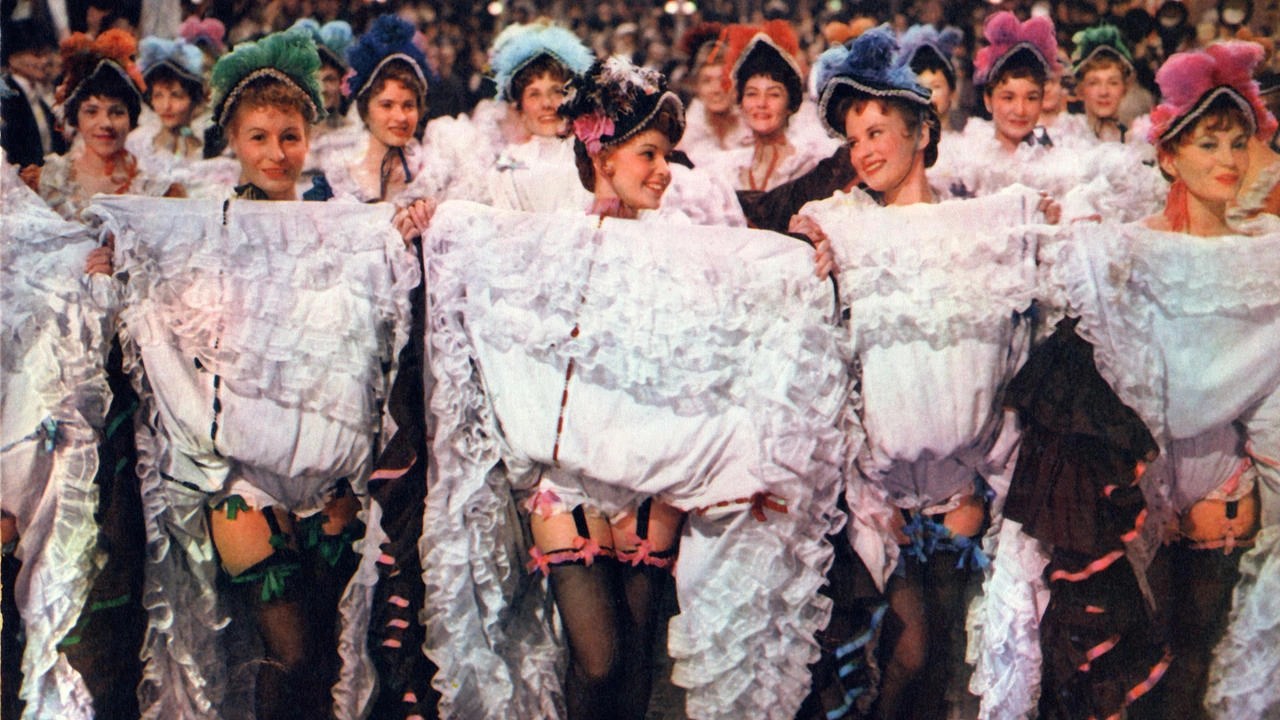













Analysis of the Top 250 Directors List of 2023
In the history of cinema, countless directors have shaped how we perceive film. The list of the top 250 directors of all time, based on research as of May 2023, showcases these artists and their diverse contributions to the film industry. This analysis examines this list from various perspectives – demographics, genres, modern filmmakers, and recurring themes. It will also compare the list to other notable rankings online.
Detailed Demographics
When scrutinising the demographics of this list, the gender disparity is immediately evident. Most directors listed are male, echoing an issue prevalent within the film industry for decades. The seven women included – Agnes Varda, Chantal Akerman, Jane Campion, Kathryn Bigelow, Celine Sciamma, Sofia Coppola, and Kelly Reichardt – represent a mere 2.8% of the total list.
While the representation is sparse, the women who have cut are renowned for their groundbreaking work. For instance, Jane Campion’s The Piano and Kathryn Bigelow’s The Hurt Locker have significantly contributed to the cinema, with Bigelow being the first woman to win an Academy Award for Best Director.
Geographically, the list is impressively diverse, showcasing directors from around the globe. Although there is a strong presence in Hollywood and Europe, the recognition of talent from many nations demonstrates the international scope of cinema. Filmmakers from countries such as Japan, Iran, Taiwan, and India are rightfully recognised for their exceptional storytelling capabilities and distinct cinematic styles.
Genre Analysis
On the genre front, the list leans towards filmmakers known for their dramatic films. Directors such as Martin Scorsese, known for exploring gritty urban landscapes in films like Taxi Driver, or Ingmar Bergman, whose films like The Seventh Seal are celebrated for their introspective and existential themes, dominate the list.
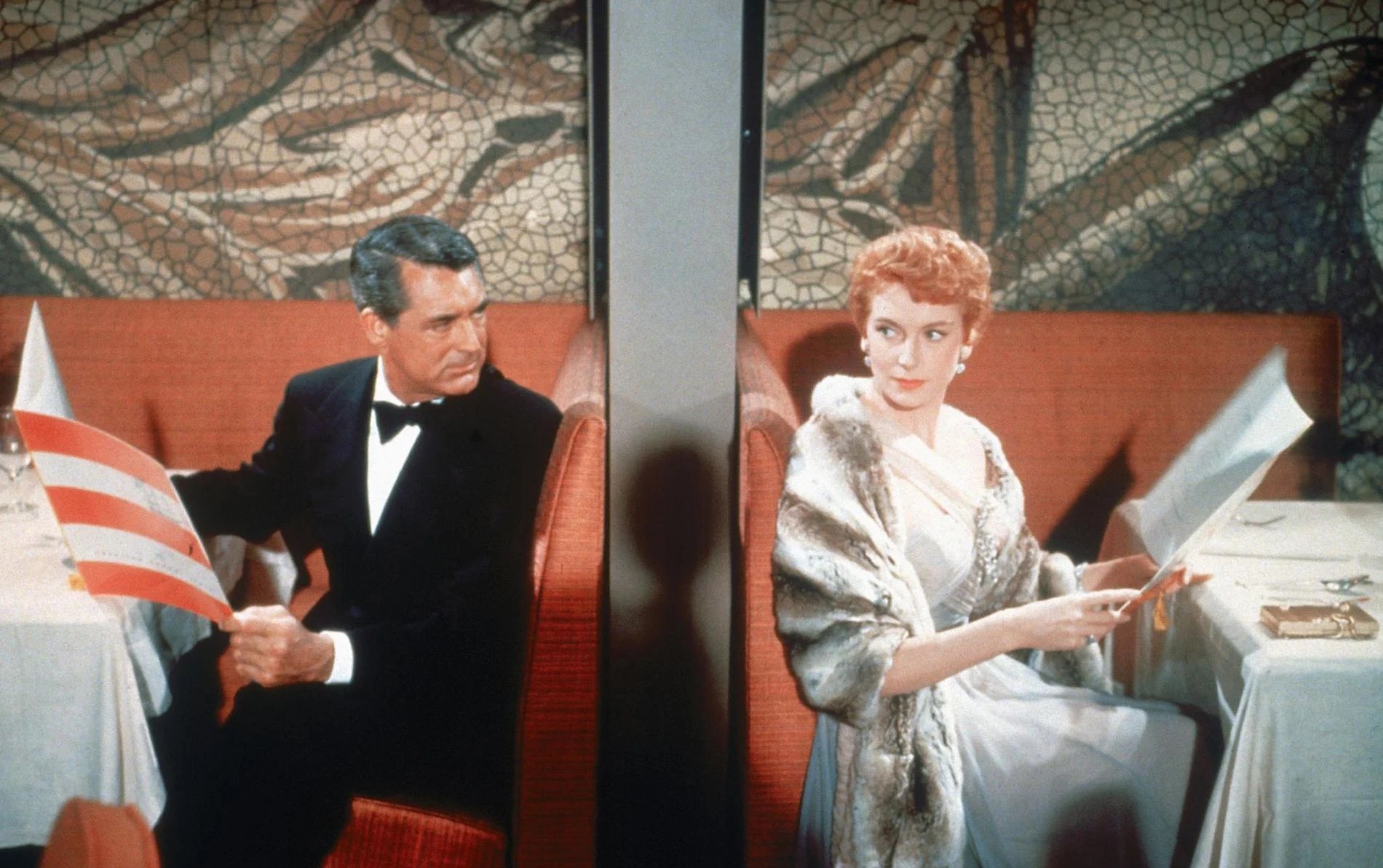
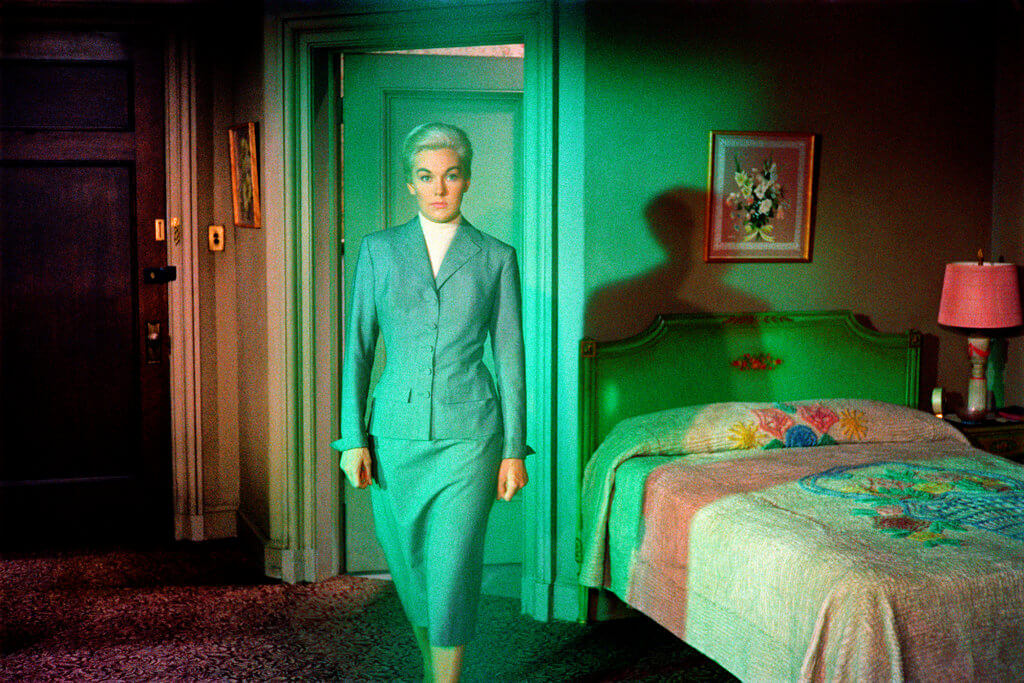
However, there is a strong representation of filmmakers who have significantly contributed to other genres. Alfred Hitchcock, often dubbed the “Master of Suspense,” is placed at the top, reflecting the appreciation for well-crafted thrillers. His classics like Rear Window and Psycho have left an indelible mark on the thriller genre.
The list also acknowledges the importance of humour in cinema, with directors known for their comedic films, such as Mel Brooks, Jacques Tati, and Woody Allen. Brooks’ Young Frankenstein and Allen’s Annie Hall are iconic films that have redefined the comedy genre.
Similarly, filmmakers instrumental in developing the sci-fi and blockbuster genres, such as George Lucas and Steven Spielberg, have also been recognised. Lucas’ Star Wars and Spielberg’s Jurassic Park are timeless classics that continue shaping blockbuster films’ landscape.
Modern Filmmakers & Emerging Talent
The list does well to recognise the impact of modern filmmakers. Directors like Christopher Nolan and Alfonso Cuaron have redefined cinema in the 21st century with their innovative storytelling techniques and groundbreaking narratives. Nolan’s Inception and Cuaron’s Gravity are a testament to their forward-thinking approaches to filmmaking.
Moreover, the list is not confined to established names and makes room for emerging talent. Filmmakers such as Damien Chazelle and Barry Jenkins have carved out a niche for themselves within a relatively short period. Chazelle’s La La Land breathed new life into the musical genre, while Jenkins’ Moonlight presented a touching exploration of identity and self-discovery.
Theme Analysis
A deeper dive into the thematic concerns of the directors on the list reveals a preference for films that examine complex human experiences and societal issues. The exploration of family dynamics, personal identity, societal issues, and existential questions is a recurring trend among these directors’ works.
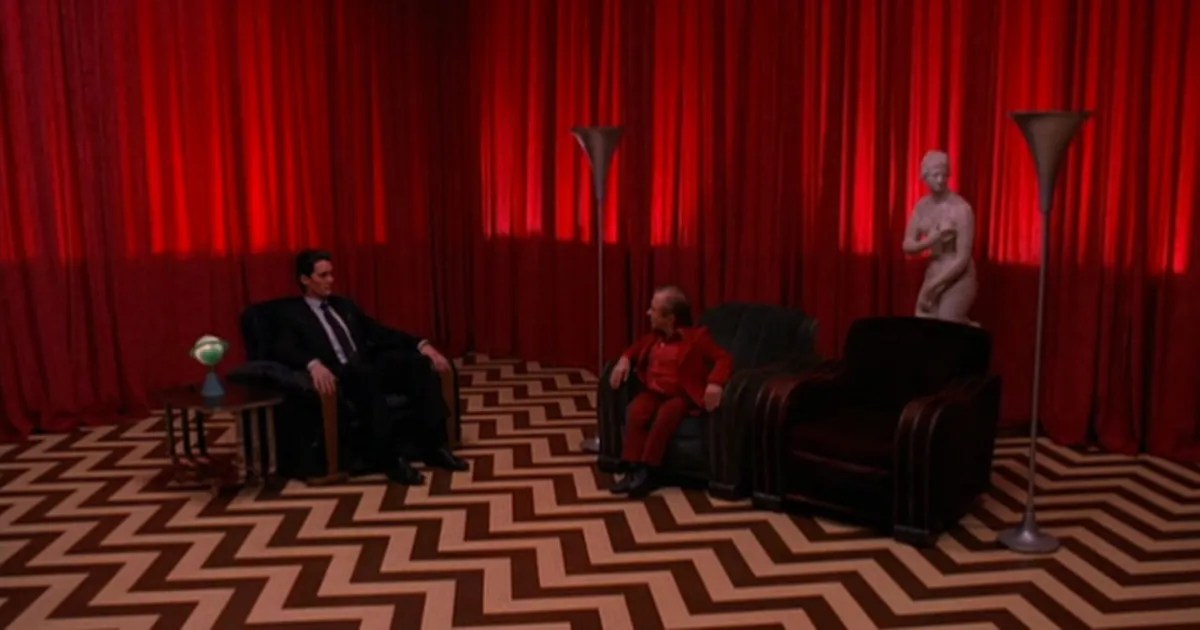
However, the list also includes directors with unique thematic focuses. David Lynch, for example, delves into the human subconscious and dreams in Mulholland Drive, while Hayao Miyazaki explores environmental themes through a fantastical lens in Princess Mononoke. This diversity of themes suggests that the cinematic landscape appreciates a wide array of narratives and ideas rather than adhering to a specific thematic formula.
List Comparison
When comparing this list to other esteemed rankings like those published by Empire, StudioBinder, and They Shoot Pictures, Don’t They (TSPDT), certain strengths and weaknesses come to light.
Empire’s list of “The 100 Greatest Directors Ever” tends to prioritise Hollywood-centric directors, making the international scope of this list particularly refreshing. Directors from non-English-speaking countries, such as Abbas Kiarostami (Taste of Cherry) from Iran and Bong Joon-ho (Parasite) from South Korea, feature prominently on this list, a testament to the appreciation of global cinema.
Compared to StudioBinder’s “30 Best Film Directors,” our list extends its view into the past, acknowledging those whose influence continues to shape contemporary cinema. For instance, pioneering figures like Alfred Hitchcock (Rear Window), Ingmar Bergman (The Seventh Seal), and Akira Kurosawa (Seven Samurai) are recognised for their timeless impact on the craft of filmmaking.
On the other hand, TSPDT’s exhaustive list is a comprehensive resource, considering filmmakers from all periods and regions. However, it does lean towards art-house cinema and critically acclaimed directors.
Despite these strengths, our list does have its limitations. For instance, it falls short in gender representation compared to the more balanced StudioBinder list, which features more contemporary female directors like Greta Gerwig and Ava DuVernay. Also, the list could benefit from including more voices from underrepresented regions, particularly Africa and Latin America, a strength of TSPDT’s more extensive list.
So Is The List Any Good?
Despite its shortcomings, the list is an extensive overview of some of the most influential directors in cinematic history. It acknowledges the contributions of filmmakers from various parts of the world, demonstrating the universality of cinema. It also recognises directors from a wide range of genres, from drama to comedy to science fiction, reflecting the richness and diversity of the cinematic landscape.
The list’s inclusion of both established masters and emerging voices suggests a continual evolution in the world of cinema. While it can certainly improve regarding gender and regional representation, it provides a valuable starting point for appreciating and understanding the complex art of film direction.
No list can ever be truly comprehensive or definitive in a field as subjective as cinema. Yet, this list successfully celebrates many voices that have shaped and continue to shape the world of cinema, reminding us of the power of film as a medium of storytelling and human expression.
Who Missed Out?
Analysing the directors who ranked 251-300 provides intriguing insights into the possible distinctions between them and those who made the top 250. While it’s important to acknowledge that the ranking process is subjective, certain patterns are noticeable.
One of the most apparent distinctions is the prevalence of directors in this group who have achieved significant commercial success but may not have consistently received critical acclaim. Directors like Ron Howard (A Beautiful Mind) and Frank Darabont (The Shawshank Redemption) have helmed some of the most popular films in recent history. Yet, some critics might view their work as less artistically innovative or stylistically distinctive than directors in the top 250.
Another observation is the presence of directors who have made significant contributions to documentary filmmaking, such as Errol Morris (The Thin Blue Line) and Claude Lanzmann (Shoah). While their work is highly influential, documentary directors may not be as widely recognised in lists like this, favouring narrative cinema.
Notably, this portion of the list features directors known for their singular or groundbreaking films, like Charles Laughton for The Night of the Hunter or Franklin J. Schaffner for Planet of the Apes, who may not have a large body of highly regarded work compared to those in the top 250.
Examining the demographic breakdown, it’s clear that the gender disparity persists in this portion of the list, with only two female directors – Maya Deren and the Wachowski Siblings (Lana and Lilly Wachowski). Furthermore, there’s a slight increase in representation from directors of Asian cinema like Majid Majidi (Children of Heaven) and Chen Kaige (Farewell My Concubine), though the Western bias remains.
Thematically, this group tends to veer more towards the mainstream, accessible narratives, with less representation from arthouse or experimental cinema compared to the top 250. However, exceptions exist, like Jan Švankmajer, renowned for his surreal and distinctive stop-motion work.
In terms of genre, there seems to be a more significant presence of comedy and genre filmmakers such as Sam Raimi (Evil Dead) and Harold Ramis (Groundhog Day), which may suggest a bias towards dramas and more “serious” films in the top 250.
While there’s no definitive reason for these directors not making the top 250, factors such as a more commercial filmmaking approach, less consistent critical acclaim, and genre biases might have played a part.
 Bronze Screen Dream