What On Earth Is ‘Poetic Cinema?’
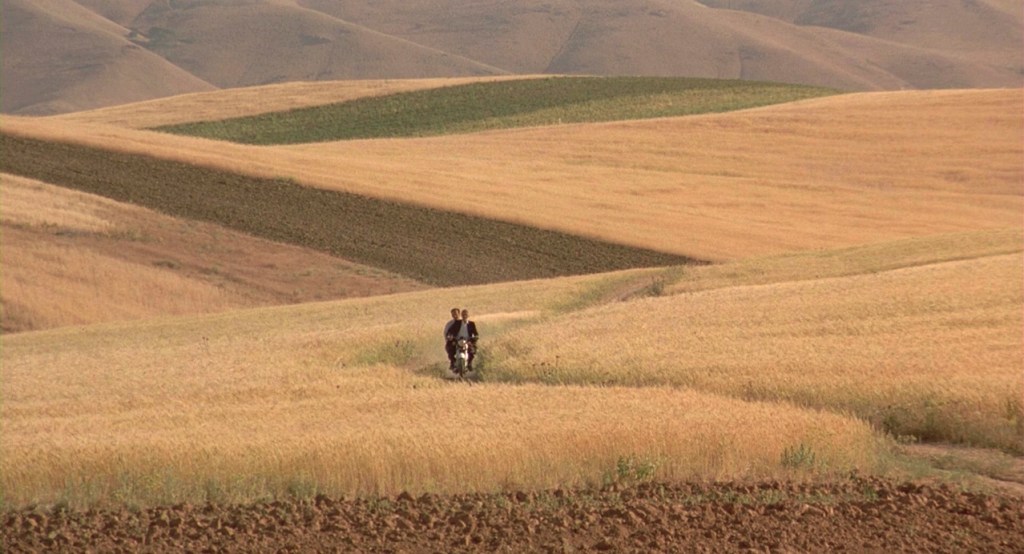
Cinema, in its most basic form, is a language. Like any language, it has the potential to communicate not just through dialogue or narrative but through a more nuanced and abstract dimension that we often refer to as ‘poetry.’ But what do we mean when we talk about ‘poetic directors’ or ‘poetic cinema’?
Poetic cinema often describes films prioritising mood, atmosphere, and visual beauty over traditional narrative structure and plot. These films explore the subtleties and complexities of human emotions and experiences through a more abstract, symbolic, and often visual language. This cinematic form reveals its ability to evoke rather than explain, suggest rather than define, and resonate on a sensory, emotional, and intellectual level, much like poetry does in literature.
The directors who have mastered this form of cinema, the ‘poetic directors,’ are akin to visual poets. They use film to create evocative images and sequences that reach beyond the surface-level narrative, diving deep into the realms of the subconscious, memory, dreams, and existential contemplation. They weave cinematography, mise-en-scene, sound, and editing into a cohesive, aesthetically pleasing whole.
In the following sections, we will explore the unique artistry of some of the most notable ‘poetic directors’ in cinema history, delving into the distinctive qualities that make their films a celebration of poetic visual storytelling.
1. Terrence Malick

Wading through the cinematic waters of Terrence Malick‘s filmography is akin to experiencing a visual poem. Malick’s films, known for their contemplative, philosophical narratives, are imbued with a spiritual, lyrical quality that is as captivating as it is complex. His masterpiece, The Tree of Life, which won the coveted Palme d’Or at the Cannes Film Festival, is a testament to his poetic prowess.
Malick’s cinematic poetry is not confined to his thematics but also to his visual aesthetics. His unique approach to cinematography crafts a poetic atmosphere, capable of transforming dark themes like violence and war into visually stunning sequences. This marriage of substance and style infuses Malick’s films with a profound depth, enticing the audience to delve deeper into the labyrinthine complexities of his narratives.
Films like Badlands and Days of Heaven reaffirm Malick’s status as a master of poetic cinema. Each frame is meticulously crafted. His films are not merely stories told through a camera lens but deeply moving poems that resonate with the human condition.
2. Andrei Tarkovsky

Andrei Tarkovsky, the Russian master of cinema, was a filmmaker whose works transcended the boundaries of conventional storytelling. His films were not merely visual narratives but poetic meditations on existential themes. Tarkovsky’s relationship with poetry was deep and personal, directly influenced by his father, Arseny Tarkovsky, a renowned poet. This influence translated into a filmography that is deeply lyrical and introspective.
Tarkovsky’s science fiction masterpieces, Solaris and Stalker, are a testament to his ability to blend genre with philosophical inquiry. These films create a surreal, dreamlike world that delves into the deepest recesses of human consciousness. Through meticulous scene composition and long, immersive shots, Tarkovsky crafts a visual poetry that is both profound and captivating. These films are as much about the characters’ inner landscapes as they are about the exterior world they inhabit.
Tarkovsky pursued an abstract, lyrical exploration of life’s complexities in his works. His filmmaking was not about linear storytelling but about evoking an experience, a feeling. His cinema reflects the human condition, exploring the existential questions at the heart of our existence. Through his poetic vision, Tarkovsky created a unique cinematic language that continues to influence and inspire filmmakers across the globe.
3. Sergei Parajanov
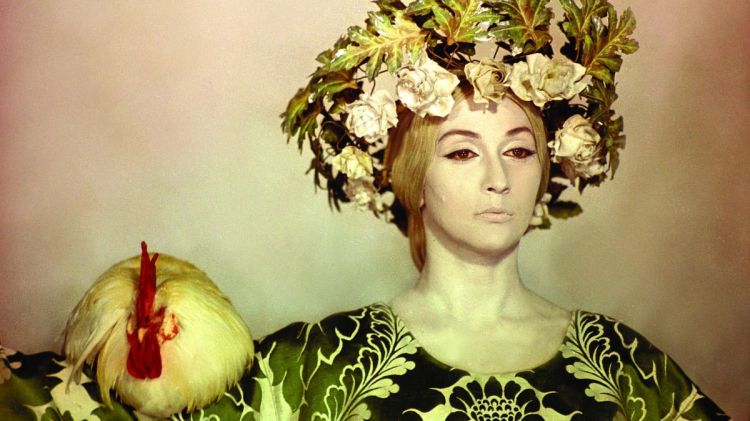
Another Soviet director, Sergei Parajanov, was a unique figure in cinema, known for his visually stunning and symbolically rich films. His approach to filmmaking was akin to painting with light, colour, and motion, creating an immersive spectacle that transcended the boundaries of conventional storytelling. Parajanov’s films, such as Shadows of Forgotten Ancestors and The Colour of Pomegranates, stood out for their vibrant tableaux and the deeply poetic undertones they carried.
Parajanov’s cinema celebrated cultural heritage, mythology, and the human spirit. He employed a highly stylised visual language characterised by meticulous composition, vibrant colours, and various cultural symbols. His films often eschewed linear narratives, favouring a more fragmented, dreamlike structure that mirrored the fluidity and complexity of human memory and perception. This unique approach endowed his films with a mesmerising quality that continues to captivate audiences worldwide.
The cinematic universe Parajanov created was one where the lines between reality and dream, history and myth, and tradition and innovation blurred, resulting in a rich tapestry of images and emotions that resonated deeply with viewers. His work, steeped in symbolism and imbued with a profound sense of poetry, has left an indelible mark on the landscape of world cinema. Parajanov’s legacy continues to inspire filmmakers and audiences alike, standing as a testament to the power of visual poetry in storytelling.
4. Chantal Akerman
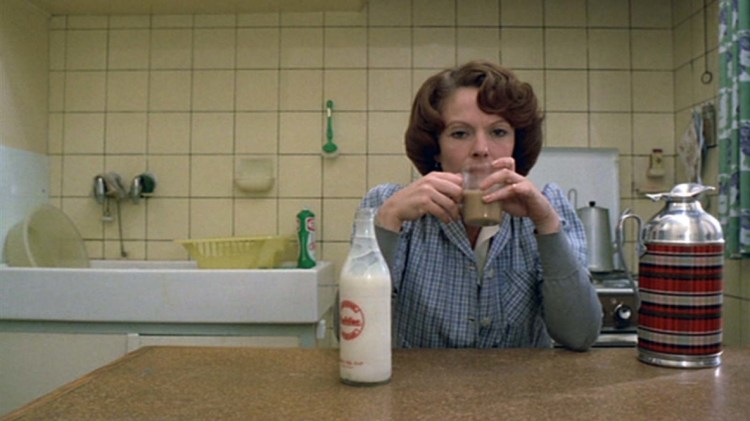
Chantal Akerman, a Belgian avant-garde filmmaker, wove poetry into the fabric of the ordinary. Her ability to bring meaning and depth to the mundane sets her apart. Akerman’s work is akin to a silent symphony, where each frame, every silence, and the most mundane of movements carry a rhythm and resonance that is deeply reflective and nuanced. This meditative aesthetic lends her films an atmospheric, almost dreamlike quality.
In films like Jeanne Dielman, 23 Quai du Commerce, 1080 Bruxelles, Akerman studies the life of a lonely widow, turning ordinary routines into profound narratives of existence. The circular panoramic shots, the silent spaces, and the stark simplicity of the film are testimonies to her command over visual storytelling. Akerman’s cinematic language is minimalistic yet dense, making even the most ordinary situations brim with untold stories and emotions.
Her film News From Home further cements Akerman’s reputation as a poetic filmmaker. The film explores her experiences as a Belgian filmmaker living in New York, filled with silent contemplation and introspective moments. Like a visual diary, it’s a series of moments captured, memories immortalised, and thoughts left to linger. Akerman was a unique artist whose work remains a masterclass in the poetry of filmmaking.
5. Michelangelo Antonioni

Italian director Michelangelo Antonioni pioneered a brand of filmmaking that was a departure from the traditional narrative structures. His films were a fresh perspective, exploring the human psyche through a contemplative and poetic lens that was both distinctive and profound. Antonioni’s works were marked by his audacious foray into the intricacies of human emotions, highlighting the desolation and existential crises of the modern age.
His trilogy on Modernity and its Discontents— L’Avventura, La Notte, and L’Eclisse —starkly portrays the emotional turmoil inherent in modern existence. These films meticulously explore alienation and emotional unrest, their narratives steeped in intricate nuances that elevate them to a realm of poetic beauty. Each film uniquely explores human relationships, infusing an otherwise mundane narrative with depth and meaning.
In Blow-Up, Antonioni delves deeper into the themes of perception and reality. This film is a testimony to Antonioni’s mastery of visual storytelling, intertwining mystery and ennui to create a complex tapestry. His films are an open-ended exploration of life’s conundrums, their expansive narratives inviting viewers into a meditative journey through the labyrinth of existence. Antonioni’s unconventional approach to filmmaking and his commitment to unearthing the existential undercurrents of his narratives affirm his place as one of the most poetic and transformative voices in cinematic history.
6. Krzysztof Kieslowski
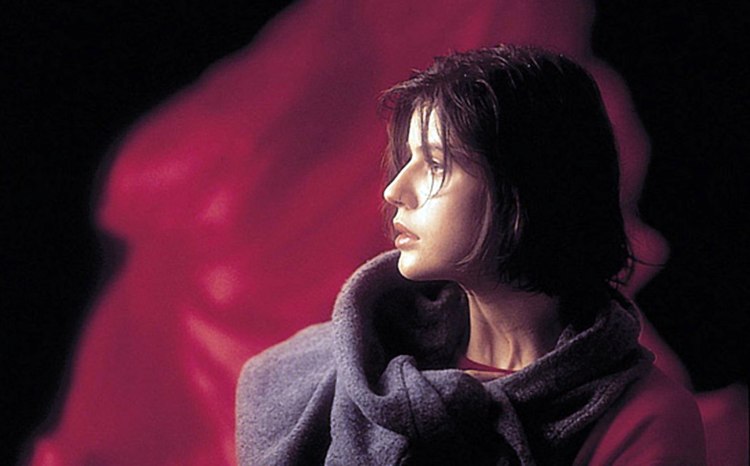
Krzysztof Kieslowski‘s cinema is an exploration of the human soul. The Polish director’s films are rife with existential themes, imbued with a deep sense of humanity that is as moving as it is challenging. Kieslowski’s work profoundly contemplates the human condition, filled with moral dilemmas, spiritual crises, and social and personal identity complexities.
Kieslowski’s The Double Life of Veronique is a testament to his poetic sensibilities. The film, a haunting narrative of two women leading parallel lives, delves into the mysteries of existence and identity. Its thoughtful nature, coupled with Kieslowski’s skilful storytelling, creates a cinematic experience that is deeply reflective and captivating. Kieslowski’s films aren’t just stories; they are philosophical inquiries into the depths of human nature.
His “Three Colors Trilogy: Blue, White and Red is another example of Kieslowski’s unique brand of cinematic poetry. The trilogy explores the themes of liberty, equality, and fraternity through the lens of personal narratives, effortlessly blending philosophical introspection with emotional depth. The trilogy is a testament to Kieslowski’s ability to craft films that are as emotionally resonant as they are intellectually stimulating.
7. Theo Angelopoulos

Greek filmmaker Theodoros Angelopoulos’ films were as complex as singular, marked by long takes and a deeply contemplative atmosphere. Angelopoulos’s narratives tackled metaphysical and philosophical themes with a poetical finesse that made his films unique.
From his early career in the 1970s until his death in 2012, Angelopoulos’s work showcased his deft ability to blend narrative with lyrical imagery. His films, such as Voyage to Cythera and Eternity and a Day, are distinguished by their intricate plotlines, striking visuals, and deeply philosophical undertones. These cinematic pieces delve into the metaphysical journeys of their characters, presenting a rich tapestry of human emotions against the backdrop of a rapidly changing world.
8. Terence Davies

Terence Davies, a British filmmaker known for his deeply personal and evocative films, is often lauded for his distinctive poetic style. Davies’ films, such as Distant Voices, Still Lives, and The Long Day Closes, are deeply rooted in his experiences growing up in a working-class family in Liverpool. Yet, they transcend the specificities of time and place to evoke universal themes of love, loss, memory, and longing.
Davies’ cinematic poetry lies in his unique ability to imbue ordinary moments with extraordinary emotional depth. His films are often characterised by their slow pace, carefully composed frames, and contemplative silences. Each shot is meticulously crafted to evoke a specific mood or emotion, often underscored by music or sound. For instance, in Distant Voices, Still Lives, he uses popular songs from the period not merely as background music but as a powerful emotional conduit that amplifies the emotional resonance of the scenes.
Another distinguishing characteristic of Davies’ poetic cinema is his exploration of memory. His films often eschew linear narrative structures in favour of a more fragmented, impressionistic approach that mirrors how memory works. Sequences flow into one another not based on chronological order but on emotional or thematic connections. This non-linear narrative approach, combined with his distinctive visual style, creates a dream-like quality that adds a layer of poeticism to his work.
9. Wong Kar-wai
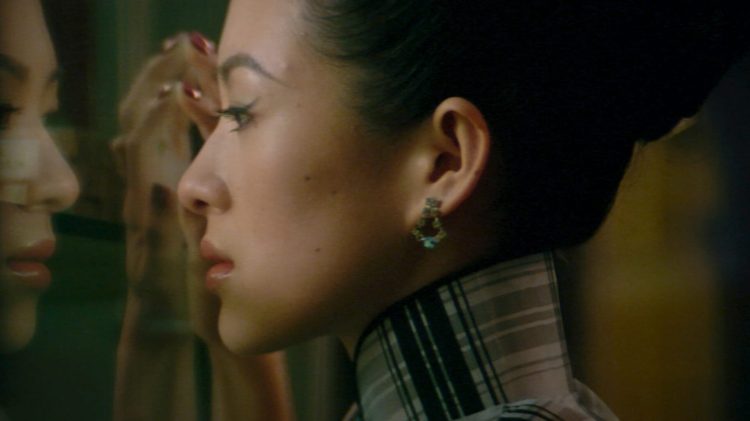
Hong Kong director Wong Kar-wai is a maestro of visual language, painting vivid, emotive pictures with his unique cinematic style. Wong’s films are a testament to his ability to convey complex emotions through his lyrical visual style.
A recurring theme in Wong’s films is love, which he explores deeply and sensitively. The intertwining narratives of desire, longing, and loss in films like In the Mood For Love and 2046 are underscored by his distinctive visual style, making them profoundly poetic. The art direction in his films further enhances the poetic quality, creating an enchanting tapestry of emotions.
From Days of Being Wild to Chungking Express, Wong’s films are characterised by a unique blend of romanticism and realism. He masterfully navigates the labyrinth of human emotions, transforming them into deeply moving visual poems. Wong’s profound understanding of the human heart and his ability to convey it through his films establishes him as a true poet of the silver screen.
10. Abbas Kiarostami

Abbas Kiarostami, the Iranian master of cinema, had an uncanny ability to capture the essence of human existence in its most simplistic yet profound form. His films are characterised by their subtle exploration of human nature, using simple narratives to depict complex emotional and philosophical themes.
Kiarostami’s Close-up is a film that perfectly exemplifies his unique style. The film tells the story of a man who pretends to be a famous filmmaker, and the narrative paradoxically unfolds simply and complexly. This seemingly straightforward story is layered with questions about identity, art, and the nature of truth, showcasing Kiarostami’s ability to infuse simple stories with profound depth and complexity. His films may appear simple, but a rich tapestry of emotions and ideas lies beneath the veneer of simplicity.
In Taste of Cherry, Kiarostami explores the theme of life and death through the lens of a man seeking someone to bury him. The film, characterised by its simplicity and subtlety, is an evocative exploration of mortality and the human condition. Kiarostami’s cinematic language is one of understated elegance, effortlessly blending the existential and the every day into a seamless narrative.
Certified Copy further showcases Kiarostami’s poetic style. The film explores a complicated relationship between a British man and a French woman, raising questions about authenticity, perception, and the nature of love. Kiarostami’s films are more than mere stories; they are meditations on life, brimming with philosophical insights and emotional depth. His films are a testament to the transformative power of cinema, proof that stories can be as complex and nuanced as the human experience itself.
11. Yasujiro Ozu

Yasujiro Ozu, a seminal figure in Japanese cinema, deeply understood time and its passage. He was a master at crafting films that were slow-paced yet deeply existential. His narratives, often centred around families and generational differences, resonate universally, making his work a timeless exploration of the human condition.
Ozu’s distinctive cinematographic approach—epitomised by the “tatami shot,” a low and still camera angle with a 50mm lens—gave his films a distinct simplicity and depth. This technique became a signature style for Ozu, allowing him to capture the subtleties of everyday life in an intimate and meaningful way. His films, such as Tokyo Story and Late Spring, are notable for their understated drama and detailed portrayal of family dynamics.
In his films, Ozu skillfully captured the essence of life’s fleeting moments, expressing a profound understanding of the transient nature of existence. He portrayed the passage of time as a silent yet potent force that influences relationships and shapes human destinies. His unique film language, marked by deliberate pacing, deep empathy, and a distinct visual aesthetic, turns ordinary narratives into extraordinarily poignant tales.
Ozu’s cinema, grounded in the simplicity of the every day, serves as a testament to the inherent poetry in the mundane. His exploration of the themes of time, life, and death infuses his films with a timeless quality.
12. Alain Resnais

French filmmaker Alain Resnais‘ films, such as Hiroshima Mon Amour and Last Year in Marienbad, are profound explorations of memory, fantasy, and awareness, exuding a distinct poetic atmosphere.
Resnais’ cinematic poetry lies in his ability to delve into the psyche of his characters, often at the expense of plot progression. His films are as visually stunning as deeply ruminative, merging the surreal with the real to present a poetic narrative. The existential themes of his films are further enhanced by the superb visuals and exquisite screenplays, creating a unique cinematic experience.
The impressive filmography of Resnais, from his early works to his last film, Life of Riley, is characterised by his distinctive poetic style. Each film is a beautiful tapestry of visuals and narratives, a testament to Resnais’ mastery of the cinematic medium. His works serve as a reminder of the profound potential of cinema as a tool for poetic expression.
13. Apichatpong Weerasethakul

Thai director Apichatpong Weerasethakul, known for his experimental and poetic films, has established himself as a unique voice in contemporary cinema. His films, such as Tropical Malady and Uncle Boonmee Who Can Recall His Past Lives, display a remarkable blend of reality and dream, memory and imagination, creating a deeply immersive cinematic experience.
Weerasethakul’s films are characterised by a meditative pace and a non-linear narrative structure that mirror the intricate workings of the human mind. He often explores themes of memory, time, and the supernatural, blurring the boundaries between reality and the fantastical. His filmic language, enriched by the lush landscapes of rural Thailand and the rich traditions of Thai folklore, imbues his work with a sense of otherworldliness and poetic charm.
While rooted in Thailand’s specific cultural and geographical context, his films resonate universally due to their exploration of shared human experiences such as love, loss, and mortality. Apichatpong Weerasethakul’s cinema is a testament to the transformative power of film as a medium of artistic expression. His unique vision and commitment to exploring the poetic potential of cinema have made him one of the most influential figures in contemporary filmmaking.
Poetic Doesn’t Mean Pretentious

While the realm of poetic cinema often brings to mind art-house directors and avant-garde films, it’s important to recognise that poetry in cinema doesn’t always have to be steeped in esoteric symbolism or pretentious complexity. Many commercially successful films and mainstream directors have infused poetic elements into their work, often creating moments of profound beauty and emotional resonance amidst the action and drama.
Take, for instance, the iconic works of director Steven Spielberg. His film E.T. the Extra-Terrestrial is a blockbuster that, at its heart, tells a deeply touching story about friendship and longing, encapsulated in the poetic image of a bicycle silhouetted against the moon. Similarly, Christopher Nolan‘s Inception uses the intricate logic of dreams to create a narrative labyrinth that’s as mesmerisingly poetic as it is thrilling.
Even in animation, films like Hayao Miyazaki‘s Spirited Away or Pete Docter‘s Inside Out manage to weave complex emotional landscapes with simple and poetic beauty. They capture the essence of emotions, memories, and human relationships in a way that speaks directly to the heart, transcending the boundaries of age and culture.
These directors, like the ten listed above, show us that the poetic essence of cinema is not confined to any particular genre or form. Instead, it is a dimension of filmmaking that can be found anywhere, from the grandest blockbuster to the most intimate indie film, as long as filmmakers are willing to infuse their work with the heart and soul of poetry. Cinema is replete with directors who continue to inspire and captivate audiences worldwide with their ability to create poetry on the silver screen. If you think of other filmmakers who deserve a spot on this list, please share their names and films in the comments section below.
 Bronze Screen Dream