
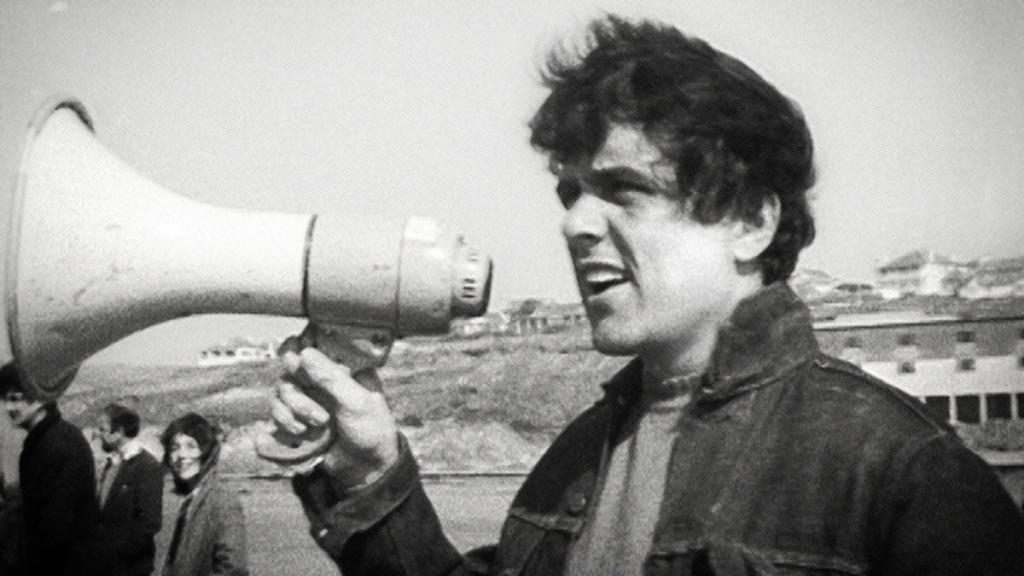
The 1960s was a decade of social and cultural change that saw the rise of rock and roll music as a dominant force in popular culture. The music and the artists behind it represented a new era of youth rebellion, energy, and creativity, and this spirit was captured in a series of films known as “rock movies.”
These movies, often featuring performances by popular rock acts of the time, were part of a larger cultural movement that celebrated youth culture and challenged the traditional values of the previous generation. In this way, rock movies of the 1960s were more than just musical performances on the big screen – they were a reflection of the times and an important part of the cultural legacy of the era.
A Hard Days Night (1964)

Richard Lester’s A Hard Day’s Night is a seminal rock movie that captured the energy and excitement of Beatlemania at its peak. The film follows a day in the life of The Beatles as they prepare for a television appearance and features a mix of comedy, music, and documentary-style footage that captures the band’s playful and irreverent spirit.
What made A Hard Day’s Night special was its innovative approach to filmmaking. Director Richard Lester employed a fast-paced editing style, jump cuts, and handheld camera work to create a sense of frenetic energy that matched the band’s music and personalities. The film also showcased The Beatles’ natural charm and wit, both on and off stage, which endeared them to audiences around the world.
The film was made at a time when The Beatles were at the height of their popularity, and the success of A Hard Day’s Night further cemented their status as cultural icons. The film was a critical and commercial success, grossing over $12 million at the box office and earning rave reviews for its fresh and original approach to filmmaking.
Richard Lester, who had previously worked as a television director, was a perfect fit for the project. He was known for his innovative and irreverent approach to filmmaking, and his background in television gave him the skills and experience necessary to work quickly and efficiently on a tight schedule.
Overall, “A Hard Day’s Night” remains a classic of the rock movie genre and a testament to the enduring popularity and influence of The Beatles. Richard Lester’s innovative approach to filmmaking helped to capture the band’s unique energy and charm on the big screen, and the film continues to be celebrated and enjoyed by audiences around the world.
Help! (1965)

Help! was The Beatles’ follow-up film and was once again directed by Richard Lester. The film was made in response to the success of its predecessor and featured The Beatles in a series of comedic adventures that took them from London to the Bahamas.
While some have suggested that The Beatles were less enthusiastic about making Help! then they were about A Hard Day’s Night, the film is still widely regarded as an important part of the band’s cultural legacy. The movie showcased the band’s musical talents and playful personalities and featured some of their most beloved songs, including “Help!” and “Ticket to Ride.”
One of the unique aspects of Help! was its use of colour, which was a relatively new technology at the time. The film also featured a more complex plot than A Hard Day’s Night, with a storyline that involved a stolen ring, a cult of Eastern mystics, and an attempt to sacrifice Ringo Starr. Some critics felt that the plot was too convoluted and detracted from the film’s overall impact, while others praised it for its irreverent and anarchic spirit.
While “Help!” was not as successful as “A Hard Day’s Night” at the box office, it still proved that there was a market for pop band movies and helped to solidify The Beatles’ status as cultural icons. The film showcased the band’s unique energy and creativity and further cemented their place in the pantheon of rock and roll history.
Catch Us If You Can (1965)
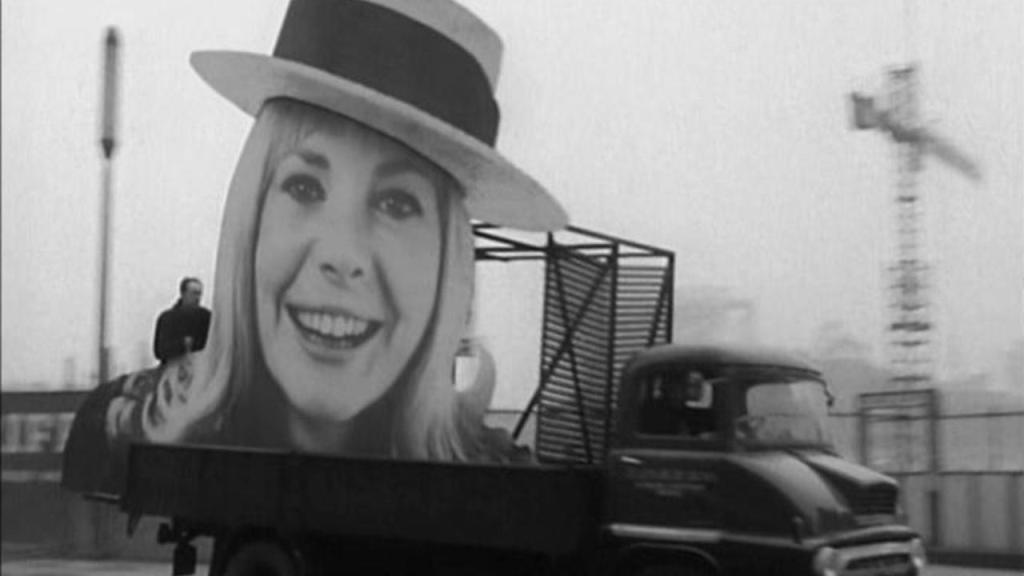
Catch Us If You Can is a film directed by John Boorman that was heavily influenced by Richard Lester’s A Hard Day’s Night. The film features The Dave Clark Five, a British rock band that was often compared to The Beatles, and follows their adventures as they travel across England in a madcap race to beat a group of advertising executives.
While Catch Us If You Can was clearly modelled on the success of The Beatles films, it also differed in a number of ways. For one, the film had a darker and more serious tone than its predecessor, with themes of disillusionment and social commentary that were absent from The Beatles’ film. Additionally, Boorman made use of more experimental filmmaking techniques, including surreal imagery and dreamlike sequences, that set the film apart from the more straightforward style of A Hard Day’s Night.
Critics were generally divided on Catch Us If You Can, with some praising Boorman’s innovative approach to filmmaking and others criticising the film for its uneven pacing and muddled message. The response from audiences was also mixed, with the film performing well in the UK but failing to replicate the global success of A Hard Day’s Night.
Catch Us If You Can, while an interesting and, at times, experimental film, ultimately failed to capture the same magic and energy as its predecessor. Nonetheless, both films remain important examples of the cultural and artistic impact of 1960s rock and roll.
Hold On! (1966)

Hold On! is a film starring British rock band Herman’s Hermits, directed by Arthur Lubin, who was considerably older than directors like Boorman or Lester. The film was made in response to the success of other rock movies of the time and featured Herman’s Hermits playing themselves as they tried to save a beachfront youth centre from being demolished.
The movie did not have any significant social commentary. It was a more conventional example of the rock movie genre with a simple plot.
The film’s main focus was on showcasing the music and personalities of Herman’s Hermits rather than exploring complex themes or social issues. While the film did feature some light-hearted humour and a few satirical jabs at the music industry, it did not make any significant political or social statements.
While Hold On! is an interesting film, it ultimately fails to capture the same sense of energy and excitement as A Hard Day’s Night or Catch Us If You Can.
The film was not a commercial success and is often forgotten in comparison to other rock movies of the era. This is partly due to the fact that Arthur Lubin, the film’s director, was considerably older than directors like Boorman or Lester and had a more traditional approach to filmmaking. Lubin had directed a number of classic Hollywood films in the 1940s and 1950s, and his experience and reputation may have made it difficult for him to connect with younger audiences and capture the zeitgeist of the era.
Overall, Hold On! is an interesting example of the attempts to capitalize on the popularity of rock and roll music in the 1960s. While the film had a unique approach to storytelling and addressed important social issues, it failed to capture the same sense of energy and excitement as other rock movies of the era. The relatively older age and more traditional approach of its director, Arthur Lubin, may have contributed to the film’s lack of success and eventual obscurity.
The Monkees (1966 – 1968)

The Monkees TV show was created by Bob Rafelson in 1966 as a response to the success of The Beatles’ films. Rafelson, along with partner Bert Schneider, was looking for a way to capitalise on the popularity of rock and roll music and create a TV show that would appeal to young audiences. The result was The Monkees, a sitcom that followed the adventures of a fictional rock band made up of four young actors who also played their own instruments.
The Monkees was successful in part because it took many of the same elements from A Hard Day’s Night that had made that film a hit with audiences. The show featured musical performances, comedic antics, and a fast-paced editing style that helped to capture the energy and excitement of the era. The Monkees were often compared to The Beatles, and their music was heavily influenced by the British invasion sound that was popular at the time.
The show was a commercial and critical success, winning two Emmy Awards and spawning a series of hit singles and albums. However, it was also criticized by some for being too derivative of The Beatles and lacking in originality.
The Monkees was a successful show that captured the spirit of the era, it did not have the same cultural impact as The Beatles’ movies. When compared to Catch Us If You Can, however, The Monkees were clearly the more successful and influential of the two. While both projects were attempts to cash in on the popularity of rock and roll music, The Monkees was a more cohesive and polished product that captured the imagination of a generation of young viewers.
The Ghost Goes Gear (1966)

The Ghost Goes Gear is a film starring the Spencer Davis Group, a British rock band known for hits like “Gimme Some Lovin’” and “Keep on Running.” The film was made during the height of the British Invasion and was intended to capitalize on the popularity of the band and the rock and roll craze of the era.
The plot of the film centres around the band’s attempts to save a youth centre from being shut down by corrupt businessmen. The film features musical performances by the band as well as comedic set pieces and sight gags.
Unfortunately, “The Ghost Goes Gear” was not successful at the box office and failed to capture the cultural significance and impact of other rock movies of the era. The film lacked the energy and creativity of films like “A Hard Day’s Night,” “Help!,” and “Catch Us If You Can,” and failed to offer anything new or innovative to the genre.
In many ways, “The Ghost Goes Gear” was an attempt to cash in on the rock and roll craze of the era without offering anything unique or innovative. The film lacked the same sense of excitement and cultural impact as its predecessors and ultimately failed to leave a lasting mark on popular culture.
Compared to other rock movies of the era, such as A Hard Day’s Night, Help!, and Catch Us If You Can, The Ghost Goes Gear lacked the same sense of energy and creativity. These films set the standard for the rock movie genre and showcased the talents of bands like The Beatles, The Dave Clark Five, and Herman’s Hermits. Even The Monkees, which was more comedic and less ambitious than these films, was more successful in capturing the spirit of the era and the imagination of young audiences.
Overall, while The Ghost Goes Gear was an interesting attempt to capitalise on the popularity of the Spencer Davis Group and the British Invasion, it ultimately failed to capture the same cultural significance and impact as other rock movies and TV shows of the era. The film lacked the energy, creativity, and social commentary of its predecessors and ultimately failed to leave a lasting mark on popular culture.
Good Times (1967)
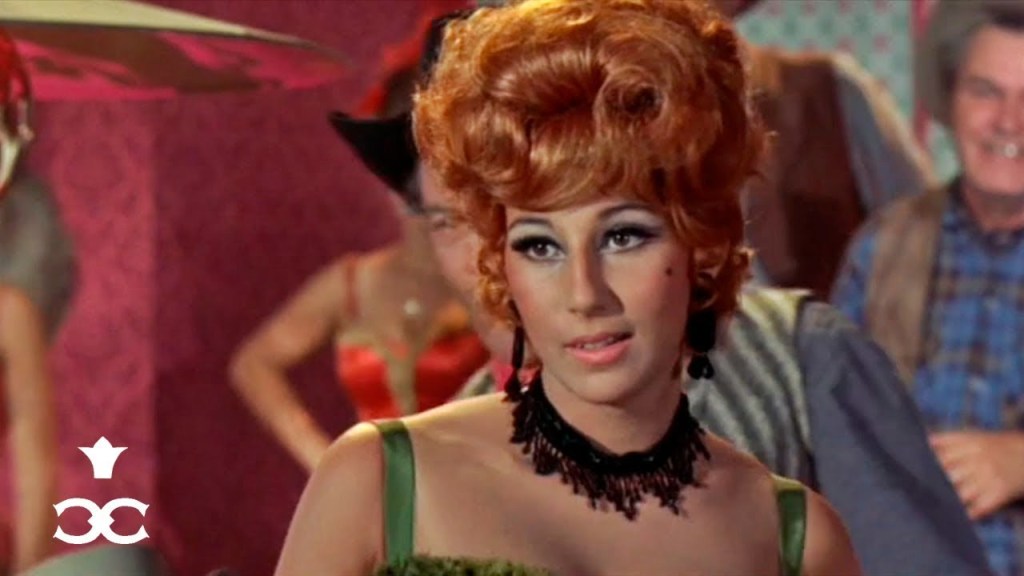
Good Times is a film starring the popular music duo Sonny and Cher and directed by William Friedkin, who would go on to direct classics like The French Connection and The Exorcist. The film was an attempt by Sonny and Cher to capitalise on their popularity and showcase their comedic talents on the big screen.
The plot of the film revolves around the duo’s attempts to break into show business and features a number of comedic set pieces and musical performances. The film was intended as a lighthearted romp and was designed to showcase the charisma and chemistry of Sonny and Cher.
While the film was not a commercial or critical success, it did demonstrate the star power and appeal of Sonny and Cher, who would go on to become one of the most beloved and enduring music acts of the era. In addition, the film marked the directorial debut of William Friedkin, who would go on to become one of the most influential and celebrated directors of his generation.
Overall, Good Times was an interesting and entertaining attempt by Sonny and Cher to transition from music to film. While the film was not a critical or commercial success, it did showcase the duo’s charisma and talent and helped to establish the importance of the image and persona in popular music and culture.
Head (1968)

Head is a film directed by Bob Rafelson and featuring The Monkees. The film was a radical departure from the light-hearted and comedic tone of the TV show and was intended to challenge the band’s manufactured image and the expectations of its audience.
The film is a surreal and absurdist collage of skits, songs, and images, with The Monkees playing a variety of characters and personas. The film features a number of references to other works of art and pop culture, including references to the Vietnam War, Hollywood, and consumerism.
Bob Rafelson wanted to make a film that would challenge the band’s image as a manufactured pop act and demonstrate their artistic and intellectual abilities. The film was intended to be a critique of American society and culture and to explore themes of identity, illusion, and reality.
Head was not a commercial success and was largely misunderstood and rejected by audiences at the time of its release. However, the film has since gained a cult following and is now considered a seminal work of 1960s counterculture and a precursor to the experimental cinema of the 1970s.
Compared to other rock movies of the era, Head broke from the formula of the genre in several ways. The film eschewed the narrative structure and musical numbers of films like A Hard Day’s Night and Help! in favour of a more experimental and abstract approach. The film also tackled more serious and politically charged themes than its predecessors and was intended as a commentary on American culture and society.
Overall, Head was a groundbreaking and innovative film that challenged the conventions of the rock movie genre and the expectations of The Monkees’ audience. The film was not a commercial success at the time of its release but has since been recognized as a pioneering work of experimental cinema and a key example of 1960s counterculture.
The Directors
When comparing the directors of the various rock movies discussed, it becomes clear that there is no single formula for success. Each director brought their own unique vision and approach to the genre, and each film was shaped by the personalities and talents of the bands involved.
Richard Lester, who directed A Hard Day’s Night and Help!, was an experienced filmmaker with a background in television and advertising. He was able to bring a fresh and innovative approach to the genre, blending humour, music, and visual style in a way that captivated audiences and helped to establish The Beatles as cultural icons.
John Boorman, who directed Catch Us If You Can, was a more experimental filmmaker who was known for his unconventional approach to storytelling and his interest in exploring themes of disillusionment and social commentary. While his film was less successful than A Hard Day’s Night, it demonstrated the potential for the genre to tackle more serious and politically charged subject matter.
Bob Rafelson, who directed Head, was a filmmaker with a background in experimental and avant-garde cinema. His film was a radical departure from the other rock movies of the era and was intended to challenge the manufactured image of The Monkees and offer a more critical and challenging vision of American society and culture.
Arthur Lubin, who directed Hold On!, was a more traditional Hollywood filmmaker who was known for his work in the horror and thriller genres. His film was a more conventional example of the rock movie genre and lacked the innovative and experimental approach of some of the other films discussed.
When looking at the careers of these directors following the release of their rock movies, it becomes clear that success in the genre did not necessarily translate into broader critical or commercial success. Lester went on to direct a number of other successful films, including Petulia and Superman II, while Boorman became known for his work in more serious and politically charged films like Deliverance and Hope and Glory.
Rafelson, on the other hand, went on to become a key figure in the New Hollywood movement of the 1970s, producing and directing a number of influential and groundbreaking films, including Five Easy Pieces and The King of Marvin Gardens. Lubin, however, returned to more conventional Hollywood fare.
In conclusion, what makes a good director of a rock movie depends on the individual approach and vision of the filmmaker. Some, like Lester and Boorman, were able to bring a fresh and innovative approach to the genre, while others, like Lubin, were content to follow a more conventional formula. While success in the genre did not always translate into broader critical or commercial success, each of these filmmakers made important contributions to the genre and helped to establish the importance of the image and persona in popular music and culture.
Just A Hint
The rock movies of the 1960s taught the directors involved the importance of the image and persona in popular culture and demonstrated the potential for music and film to intersect in interesting and innovative ways. Each film presented unique challenges and opportunities for the directors involved and helped to shape their subsequent careers and approaches to filmmaking.
In the case of John Boorman, Catch Us If You Can demonstrate his ability to tackle serious and politically charged subject matter in a more experimental and unconventional way. This approach helped him to establish himself as a filmmaker with a distinctive vision and style and paved the way for his subsequent work in Hollywood.
Boorman’s iconic style is evident in the film’s use of surreal imagery and dreamlike sequences, as well as its themes of disillusionment and social commentary. These elements would become hallmarks of his later work, including films like Deliverance and Excalibur.
In the case of William Friedkin, Good Times marked a departure from his later work in more serious and dramatic films. While there are hints of Friedkin’s style in the film’s use of unconventional camera angles and editing techniques, the overall tone and style of the film are much lighter and more comedic than his later work.
Bob Rafelson’s work in Head was similarly markedly different to his later work in more dramatic and emotionally complex films like Five Easy Pieces. However, the film’s use of unconventional storytelling techniques and its interest in exploring the darker and more complicated aspects of American culture and society would become hallmarks of his later work.
Overall, the rock movies of the 1960s helped to shape the careers and approaches to filmmaking of the directors involved. They provided opportunities to experiment with new techniques and approaches and helped to establish the importance of the image and persona in popular music and culture. While each director took a different path following these films, the legacy of their work in the genre can still be seen in the ways that music and film intersect in popular culture today.
The Films Ranked
1. A Hard Day’s Night – Directed by Richard Lester and starring The Beatles, this film is widely considered to be the gold standard for rock movies. Its innovative approach to filmmaking and playful portrayal of the band helped to establish The Beatles as cultural icons and set the template for the genre.
2. Help! – Also directed by Richard Lester and starring The Beatles, this film was a successful follow-up to A Hard Day’s Night and demonstrated the band’s growing maturity and musical diversity.
3. Head – Directed by Bob Rafelson and starring The Monkees, this film was a radical departure from the other rock movies of the era and was intended to challenge the manufactured image of the band. While the film was not a commercial success, it has since become a cult classic and is considered to be one of the most innovative and challenging films of the era.
4. Catch Us If You Can – Directed by John Boorman and starring The Dave Clark Five, this film attempted to copy the success of A Hard Day’s Night while also introducing more serious and politically charged themes. While the film was not as successful as its predecessor, it demonstrated the potential for the genre to tackle more complex subject matter.
5. The Ghost Goes Gear – Directed by Hugh Gladwish and starring The Spencer Davis Group, this film was an attempt to cash in on the popularity of rock bands of the era but ultimately failed to make a significant impact on the genre. While the film had some enjoyable musical performances, it lacked the innovation and energy of some of the other films discussed.
6. Good Times – Directed by William Friedkin and starring Sonny and Cher, this film was a lighthearted attempt to capitalize on the popularity of the duo. While the film was not a critical or commercial success, it demonstrated the star power and appeal of Sonny and Cher and marked the directorial debut of Friedkin, who would go on to become a highly acclaimed and influential filmmaker.
7. Hold On! (1966) – Directed by Arthur Lubin and starring Herman’s Hermits, this film was a more conventional example of the rock movie genre and lacked the innovative and experimental approach of some of the other films discussed. Overall, Hold On! is considered to be a mediocre and forgettable film that failed to capture the energy and excitement of other rock and roll movies of the era.
The Main Characters & Their Similarities
Richard Lester’s films were characterized by their fast-paced editing, playful humour, and focus on youth culture and rebellion. His work on A Hard Day’s Night and Help! helped to establish the rock movie genre and influenced a generation of filmmakers with their innovative approach to filmmaking.
John Boorman, on the other hand, focused more on complex and challenging themes, including social commentary and disillusionment. His early film Catch Us If You Can attempt to copy the success of A Hard Day’s Night while also introducing more experimental and politically charged themes.
Bob Rafelson’s work with The Monkees and the film Head challenged the manufactured image of the band and explored themes of identity, consumer culture, and the media. His later films continued to explore themes of identity and disillusionment.
William Friedkin, meanwhile, is best known for his work in the thriller and horror genres. His film Good Times was a departure from his typical style but still demonstrated his skill with music and showcased his ability to work with a variety of genres.
Overall, while all four directors made significant contributions to the film industry during this era, they had different approaches and styles. Richard Lester and Bob Rafelson were more focused on youth culture and rebellion, while John Boorman and William Friedkin delved into more complex and challenging themes.
 Bronze Screen Dream
One response to “Rock Movies of the 1960s”
[…] starting his feature career with a Beatles-rip off with the Dave Clark Five, John Boorman has gone from strength to strength to weakness (Exorcist […]
LikeLike