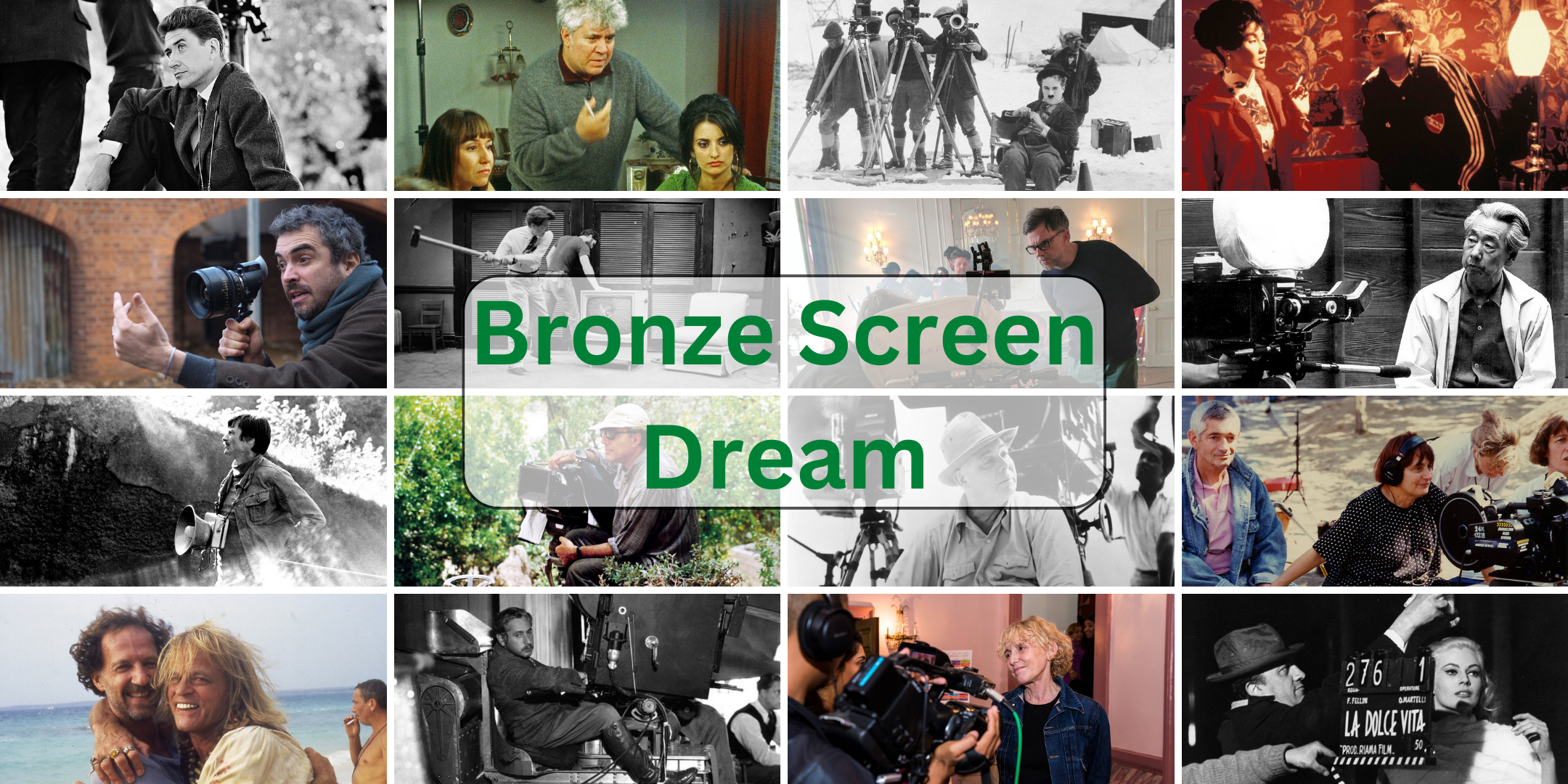
The 1970s produced a number of filmmakers who today play an important role in the international cinema landscape. Among them, Jia Zhangke has emerged as a poignant chronicler of modern China, capturing the seismic changes in Chinese society with a compassionate lens. His films, often characterised by their documentary realism, explore the human cost of China’s rapid modernisation. Equally influential is Paul Thomas Anderson, born in the same era, who has made his mark in the annals of American cinema with his intricate narratives and complex character studies, captivating audiences with films such as “There Will Be Blood” and “Magnolia.”
Set in the tranquil landscapes of Thailand, Apichatpong Weerasethakul, known for his ethereal narratives, invites viewers into a dream-like realm where time seems to unfold at its own mysterious pace. His work defies conventional narrative structures and often blurs the boundaries between the physical and the spiritual. The name Christopher Nolan is synonymous with cerebral blockbusters that question the perception of time and reality. Nolan’s films, such as “Inception” and “Interstellar” have not only achieved great success at the box office but have also invited audiences to reflect more deeply on their thematic complexity.
On the other side of the spectrum, Sofia Coppola has carved out a unique niche for herself with her subtle and introspective style, focussing on the inner lives of her characters, often exploring themes of isolation and identity. Coppola’s “Lost in Translation” is a testament to her nuanced storytelling. In the Middle East, Asghar Farhadi has gained international acclaim for his deeply humanistic films in which he explores the complex layers of Iranian society, morality and the human condition, as in his Oscar-winning film “A Separation.”
And finally, the rise of dynamic directors such as Edgar Wright, Céline Sciamma, Ryusuke Hamaguchi and Barry Jenkins is a sign of the vibrant diversity in contemporary cinema. Wright’s kinetic energy and visual comedy have redefined genre filmmaking. At the same time, Sciamma has opened up new perspectives on desire and love with her intimate and empathetic gaze in “Portrait of a Lady on Fire”. Hamaguchi’s dialogue-based narratives invite a contemplative examination of the characters’ inner worlds, and Jenkins’ poetic visualisation in “Moonlight” offers a hauntingly beautiful depiction of identity and self-discovery.
Click on the directors’ pictures to look at their profiles.



























 Bronze Screen Dream