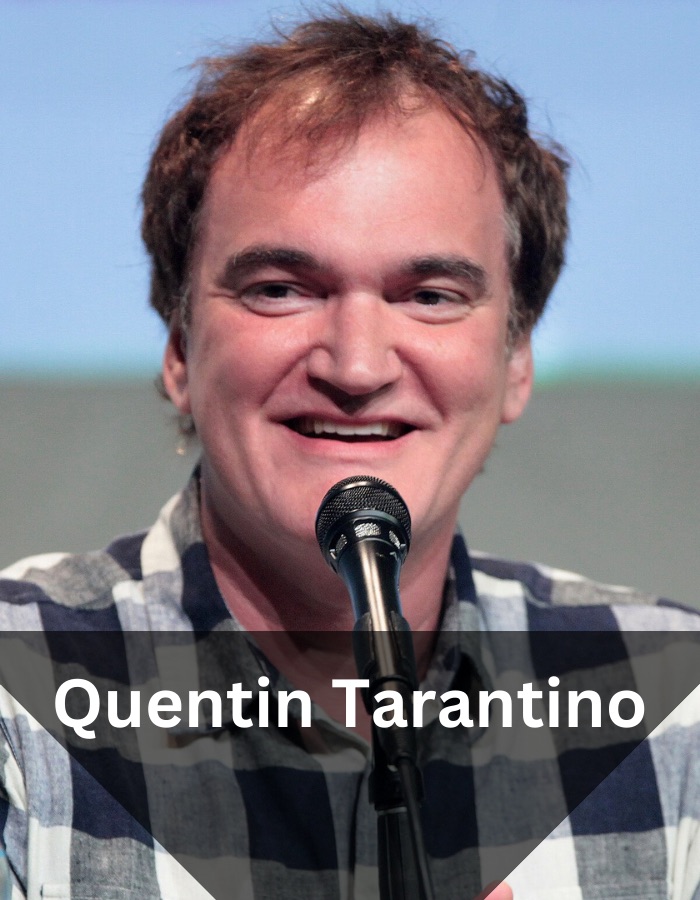
The 1960s birthed a generation of film directors who imprinted their unique style and vision on the cinema landscape. Among them is Quentin Tarantino, a name synonymous with films that combine sharp dialogue, eclectic soundtracks and a lively pastiche of genre cinema. His work, often regarded as a mixtape of film history, has influenced countless filmmakers and gained a loyal fan base.
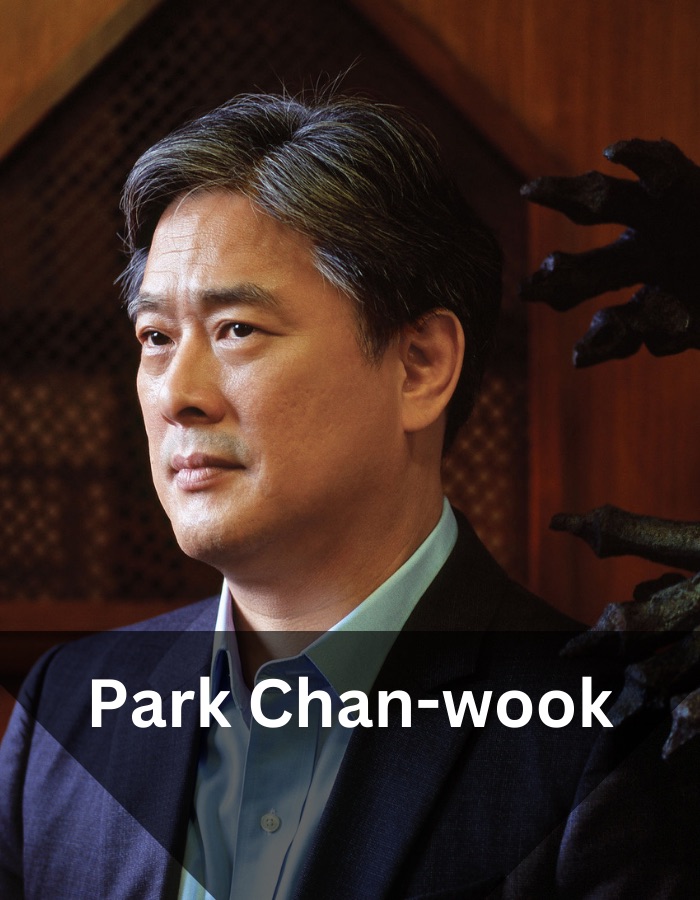
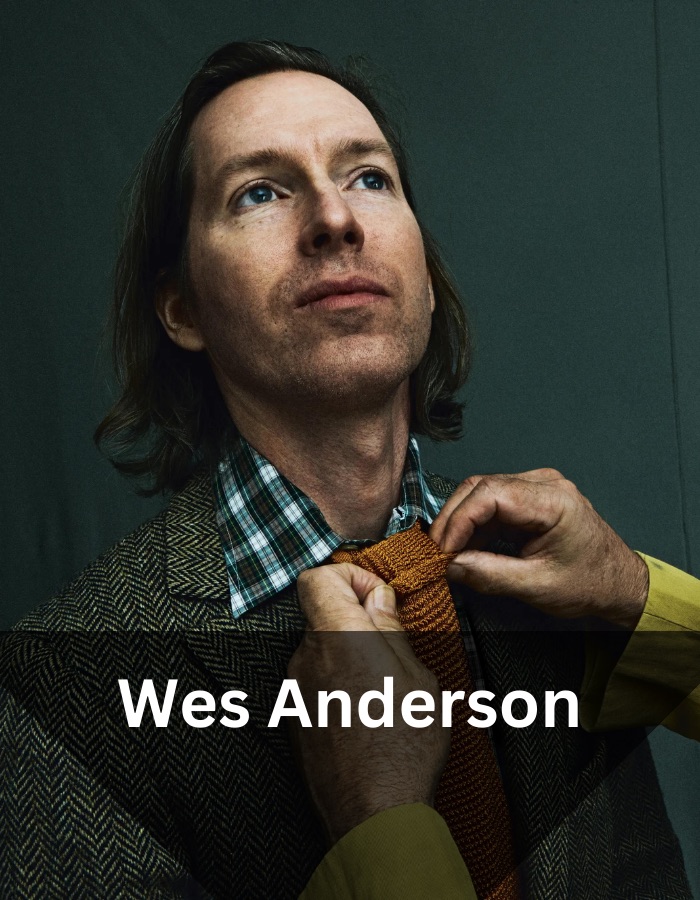
Wes Anderson is distinguished by his distinctive visual and narrative style, characterised by symmetrical compositions, a vibrant colour palette and intricate artistic design. His films are like meticulously crafted dioramas in which each image tells its own story. Park Chan-wook from South Korea has made a similar impression with his signature blend of visual flair and often shocking narrative twists, creating a new lexicon of creative violence in cinema.
The Rise of Indie Cinema
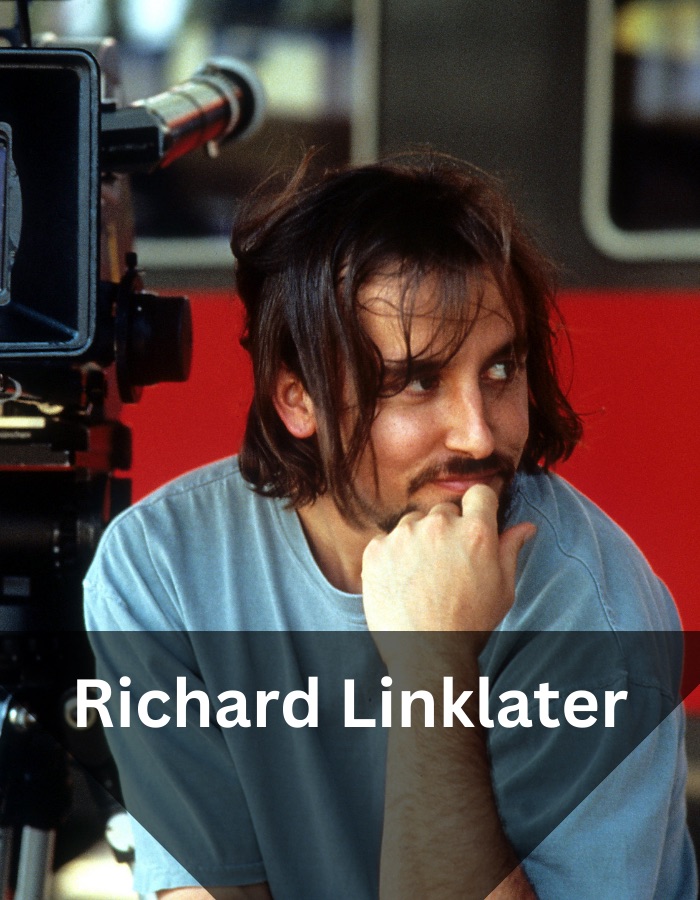
The 90s saw the rise of Richard Linklater, whose films such as “Before Sunrise” and “Boyhood” challenged traditional narratives through their focus on time and natural dialogue. Alongside him, Todd Haynes and Spike Jonze have carved out their niches by exploring identity and innovative narrative styles, respectively. With her minimalist approach, Kelly Reichardt has delivered a quiet but powerful commentary on the American psyche.
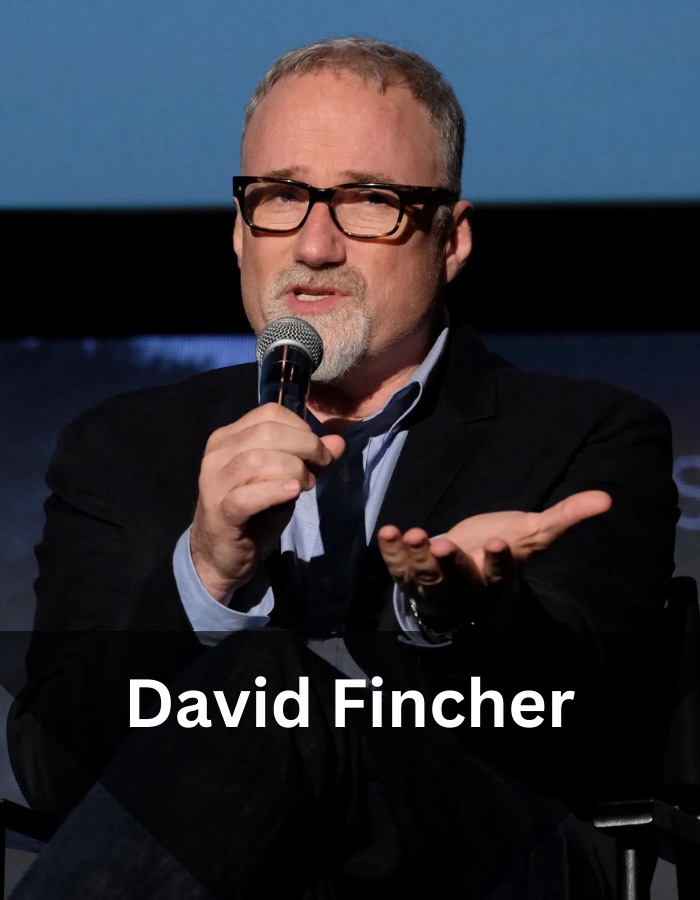
Directors such as Peter Jackson, who revolutionised visual effects and the fantasy genre with his epic “Lord of the Rings” trilogy, have embraced technological progress. Alfonso Cuarón and Guillermo Del Toro from Mexico and David Fincher from the USA have pushed the boundaries of storytelling with their technical skills and unmistakable visual style.
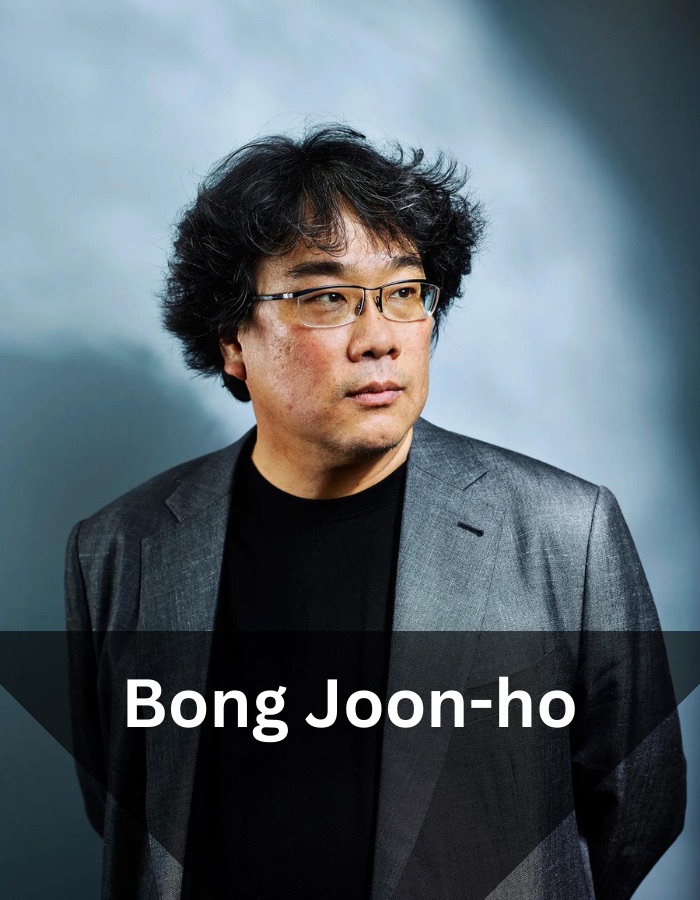
In contemporary cinema, Alejandro G. Iñárritu and Steve McQueen confront the audience with dark social commentary, while Denis Villeneuve and Bong Joon-ho weave human morality into science fiction and satirical narratives. Their films often leave the viewer with thought-provoking thoughts about society and our place in it.
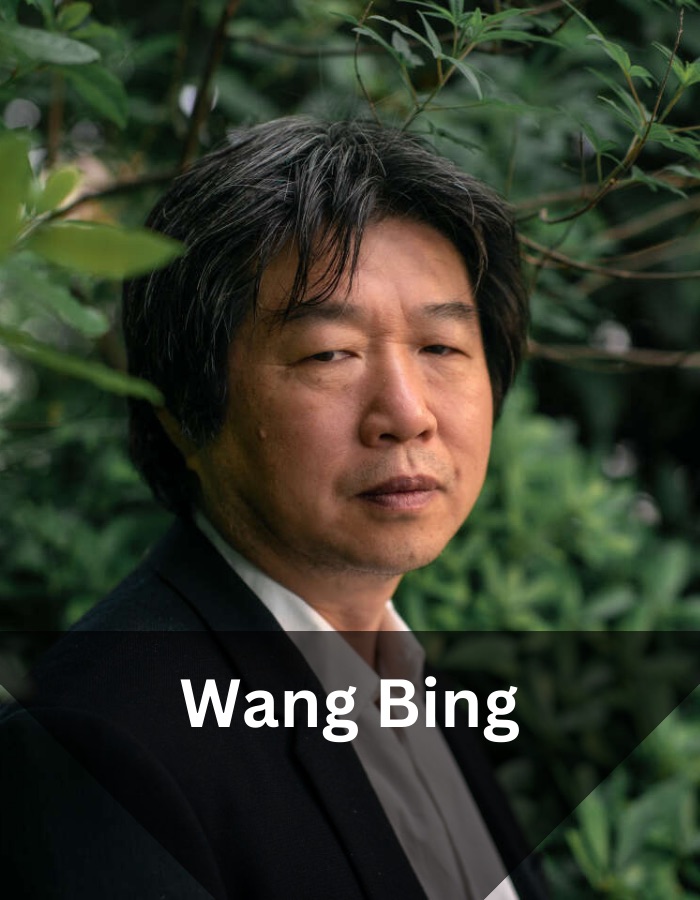
Finally, directors such as Hirokazu Koreeda and Lucrecia Martel offer introspective glimpses into the human experience, focusing on the nuanced dynamics of family and society. Documentary filmmaker Wang Bing gives voice to the rarely seen aspects of modern China, and Sion Sono’s bold observations of Japanese culture challenge the viewer to look beyond the surface.
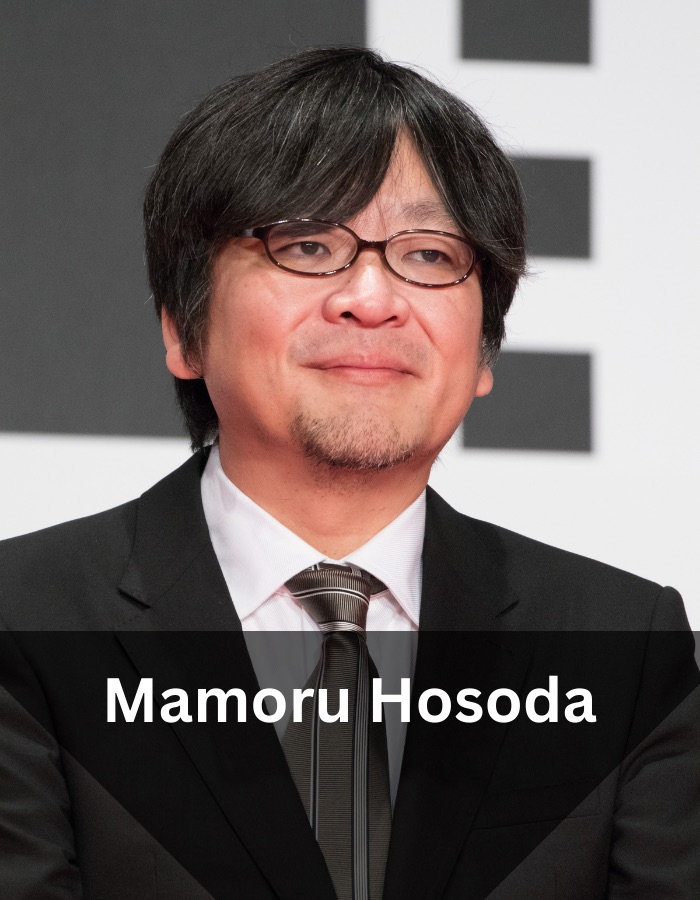
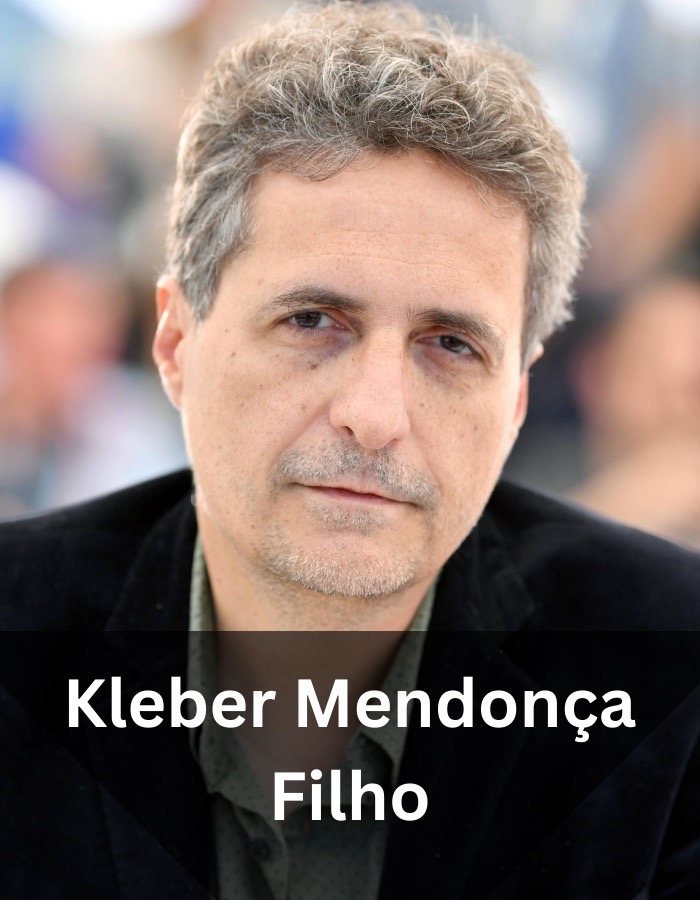
Click on the directors’ pictures to look at their profiles.




































 Bronze Screen Dream