
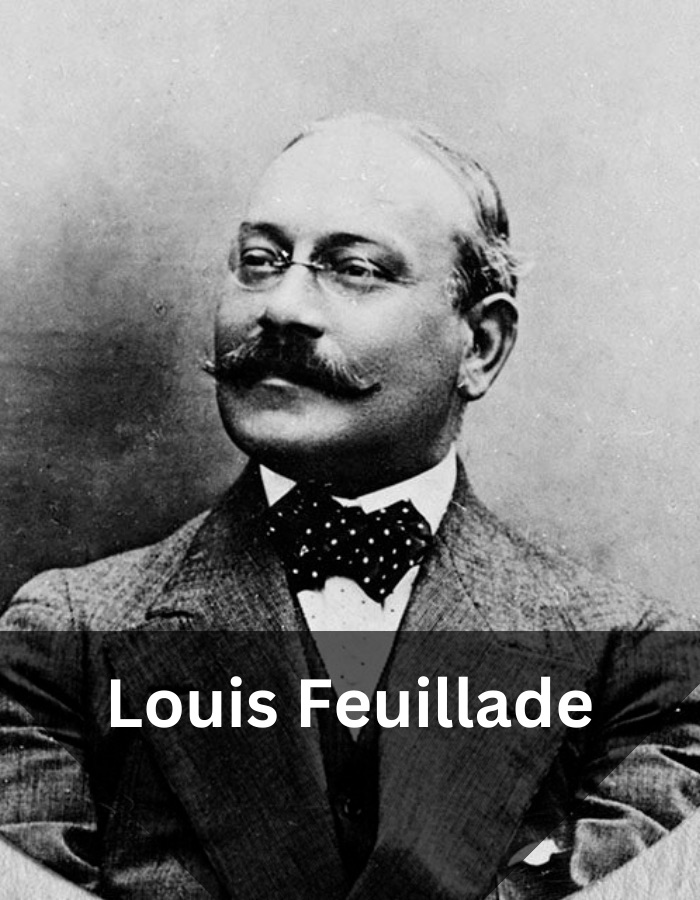
Among the pioneering figures of this period was a group of directors born in the 1870s, such as Louis Feuillade, born in France in 1873, who was instrumental in the establishment of the serialised film form. His best-known works, “Fantômas” and “Les Vampires,” were serialised crime dramas that introduced audiences to intricate plots and a heightened sense of suspense. Similarly, Robert Wiene, a German director also born in 1873, became renowned for his foundational contributions to the German Expressionist movement, most notably with his chilling masterpiece “The Cabinet of Dr Caligari.” On the other hand, Alice Guy-Blaché, another French talent born the same year, is celebrated as one of the first female directors and producers in the industry. With groundbreaking films like “The Fairy of the Cabbages” and “Falling Leaves,” she demonstrated a unique flair for storytelling that broke the conventions of her time.
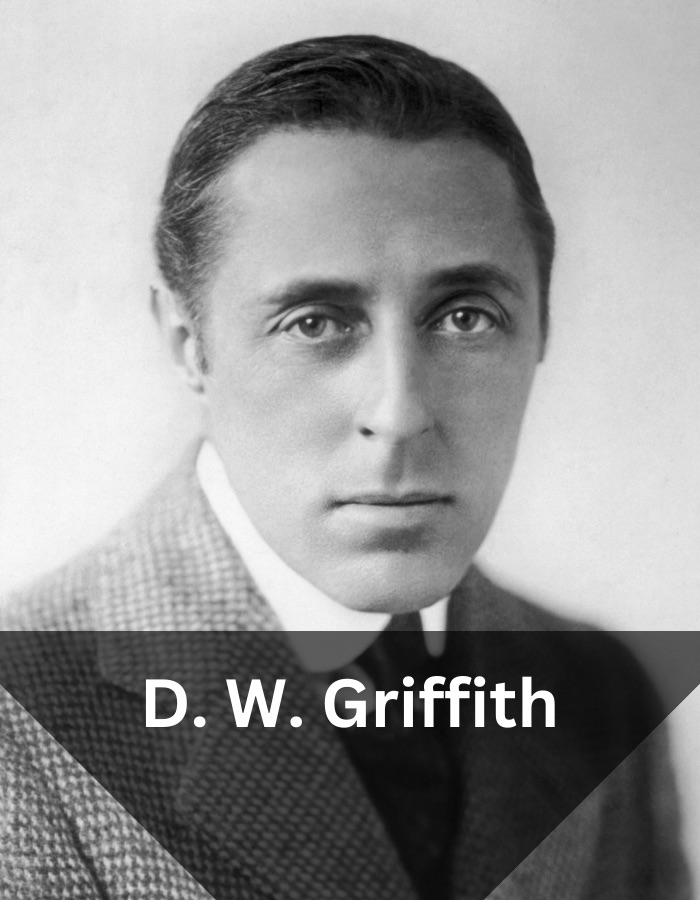
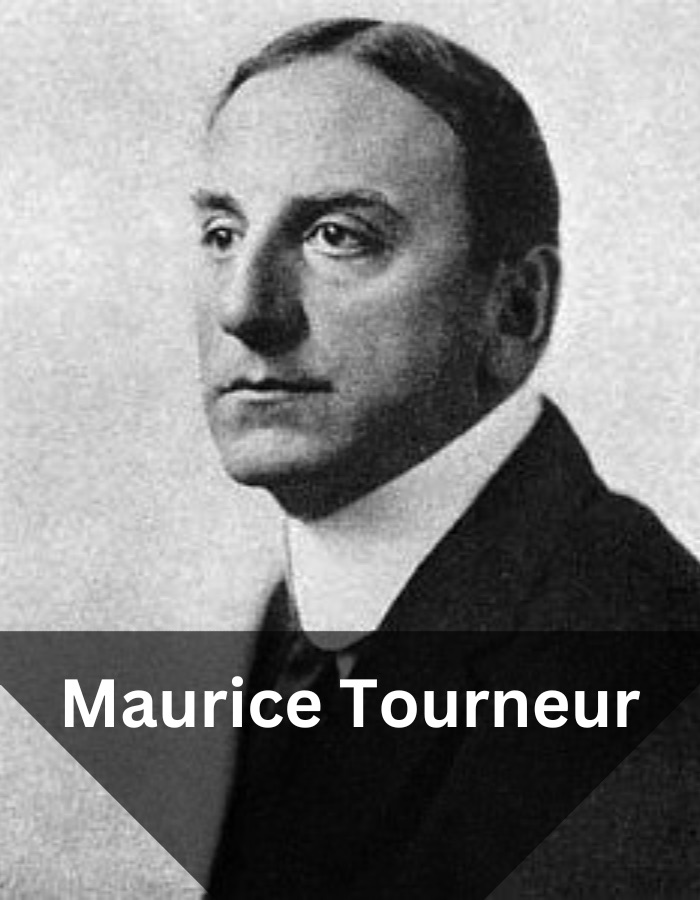
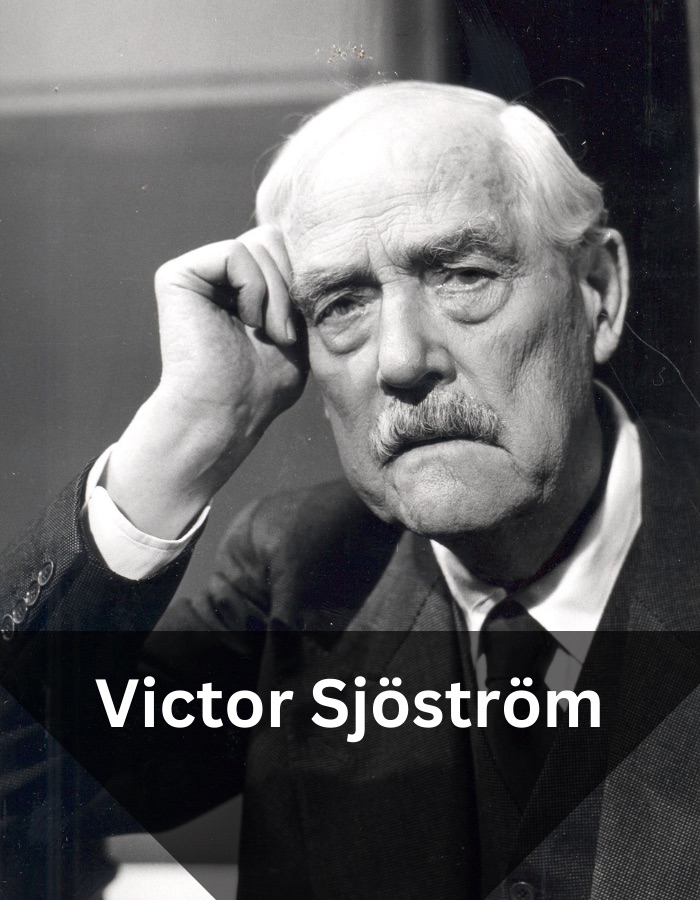
America’s own D. W. Griffith, born in 1875, is perhaps best known for his controversial yet technically groundbreaking film, “The Birth of a Nation.” Despite its problematic racial themes, it introduced many narrative and technical innovations that shaped the course of cinema. Meanwhile, Maurice Tourneur, a Frenchman born in 1876, brought a sense of visual poetry and artistry to his works, with films such as “Carnival of Sinners” and “The Blue Bird” showcasing his ethereal and dreamlike aesthetic. Lastly, Victor Sjöström, hailing from Sweden, is often regarded as a pivotal figure in the silent era, pioneering the golden age of Swedish cinema and influencing filmmakers globally with his introspective and deeply humanistic tales.
Click on the directors’ pictures to look at their profiles.


Proudly powered by WordPress
 Bronze Screen Dream